
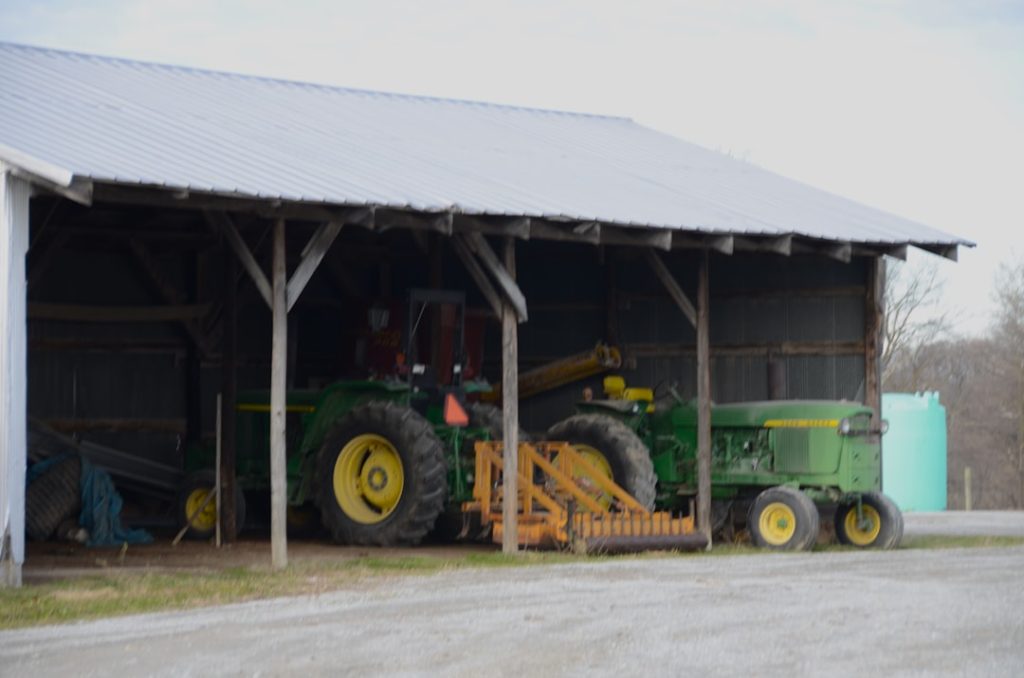
Online farm machinery auctions have revolutionized the way farmers and agricultural businesses buy and sell equipment. One of the most significant advantages of these auctions is the accessibility they provide. Farmers no longer need to travel long distances to attend physical auctions; instead, they can participate from the comfort of their homes or offices.
This convenience not only saves time but also reduces travel expenses, allowing farmers to focus more on their operations rather than logistics. Additionally, online platforms often host a wider variety of equipment than local auctions, giving buyers access to a broader selection of machinery that may not be available in their immediate area. Another key benefit is the transparency that online auctions offer.
Bidders can easily compare prices, read detailed descriptions, and view high-resolution images of the machinery before placing their bids. This level of transparency helps buyers make informed decisions, reducing the risk of purchasing equipment that may not meet their needs or expectations. Furthermore, many online auction platforms provide historical data on past sales, enabling bidders to gauge the fair market value of specific machinery.
This wealth of information empowers buyers to bid confidently, knowing they are making competitive offers based on real market trends.
Key Takeaways
- Online auctions offer convenient access to a wide range of farm machinery at competitive prices.
- Research and compare listings to find the best deals and avoid overpaying.
- Properly preparing and marketing your equipment can boost sale prices at auction.
- Understanding bidding rules and strategies helps secure desired machinery efficiently.
- Verifying equipment quality and choosing reliable payment and shipping methods ensures a smooth transaction.
How to Find the Best Deals on Farm Machinery
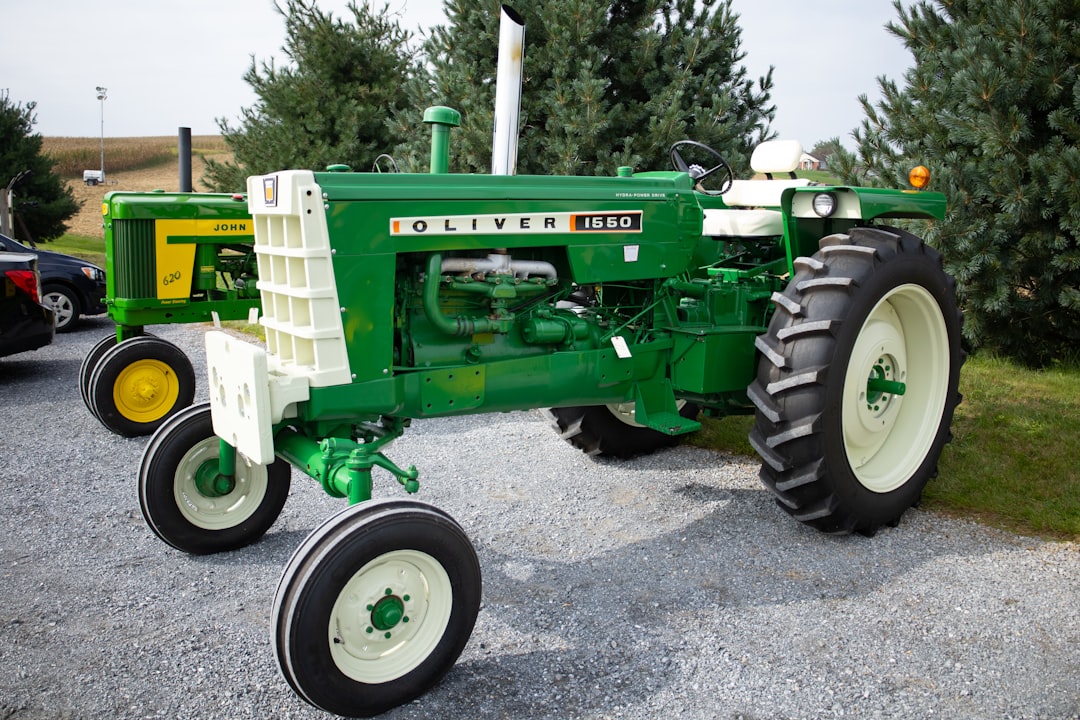
Finding the best deals on farm machinery requires a strategic approach and a keen understanding of the auction landscape. One effective method is to set up alerts on various online auction platforms for specific types of machinery or brands. Many websites allow users to customize notifications based on their preferences, ensuring they are promptly informed when relevant items become available.
This proactive approach can help buyers seize opportunities before they are outbid or before the auction closes. Additionally, it is essential to conduct thorough research on the machinery you are interested in purchasing. Familiarizing yourself with the typical market prices for specific models can provide a benchmark against which to evaluate auction listings.
Websites that specialize in agricultural equipment often feature price guides and comparison tools that can assist in this process. Engaging with online forums and communities dedicated to farming can also yield valuable insights from fellow farmers who may have experience with particular brands or models. By leveraging these resources, buyers can enhance their chances of securing high-quality machinery at competitive prices.
Tips for Selling Your Farm Machinery at Auction
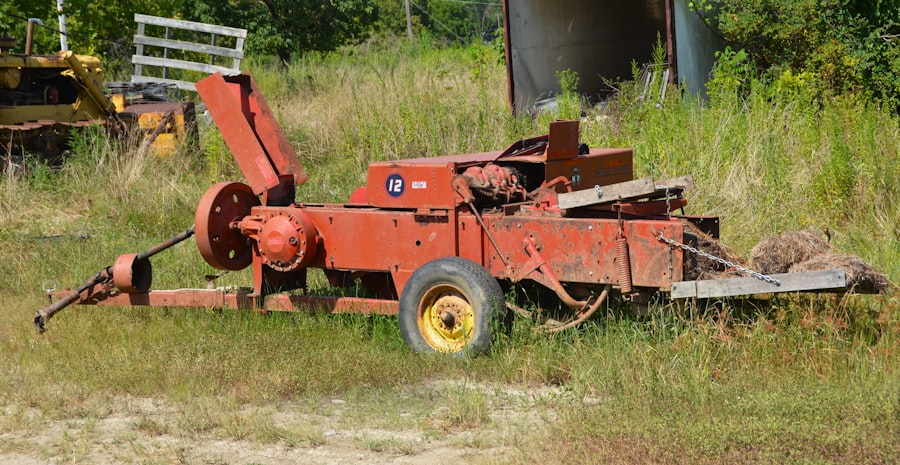
Selling farm machinery at auction can be a lucrative endeavor if approached with careful planning and execution. One of the first steps is to ensure that your equipment is in optimal condition before listing it for sale. This may involve cleaning the machinery, performing necessary repairs, and addressing any cosmetic issues that could detract from its appeal.
A well-maintained piece of equipment not only attracts more bidders but can also command a higher price, as buyers are often willing to pay a premium for items that require minimal additional investment. Another critical aspect of selling at auction is crafting an effective listing. High-quality photographs from multiple angles, along with detailed descriptions that highlight key features and specifications, can significantly enhance your listing’s visibility and attractiveness.
Including information about maintenance history, usage, and any upgrades made to the machinery can further bolster buyer confidence. Additionally, consider timing your auction strategically; listing during peak agricultural seasons or when demand for specific types of equipment is high can lead to increased interest and potentially higher bids.
Understanding the Bidding Process
| Step | Description | Key Metrics | Typical Duration |
|---|---|---|---|
| 1. Invitation to Bid | Issuing a request for bids to potential contractors or suppliers. | Number of invitations sent, Response rate (%) | 1-2 weeks |
| 2. Bid Preparation | Contractors prepare and submit their bids based on project requirements. | Number of bids received, Average bid completeness (%) | 2-4 weeks |
| 3. Bid Opening | Official opening and recording of all submitted bids. | Number of bids opened, Time taken to open bids | 1 day |
| 4. Bid Evaluation | Assessment of bids based on criteria such as price, quality, and compliance. | Evaluation score, Number of compliant bids, Average bid price | 1-3 weeks |
| 5. Awarding Contract | Selection and notification of the winning bidder. | Time to award, Number of disputes, Contract value | 1 week |
| 6. Contract Signing | Formal agreement signing between parties. | Time to sign, Number of amendments | 1-2 days |
The bidding process in online farm machinery auctions can vary significantly from one platform to another, but there are common elements that all participants should understand. Typically, auctions operate on a timed basis, with a set start and end time for each item. Bidders place their offers within this timeframe, and the highest bid at the close of the auction wins the item.
Some platforms employ a proxy bidding system, where bidders can set a maximum amount they are willing to pay, allowing the system to automatically increase their bid incrementally until their limit is reached. It is also crucial for bidders to be aware of any additional fees associated with the auction process. Many platforms charge a buyer’s premium—a percentage added to the final bid price—which can significantly affect the total cost of acquiring machinery.
Understanding these fees upfront helps bidders budget more effectively and avoid surprises at checkout. Additionally, some auctions may have specific rules regarding bid increments or reserve prices, which can influence bidding strategies. Familiarizing oneself with these nuances can enhance a bidder’s ability to navigate the auction successfully.
Ensuring Quality and Reliability in Online Auctions
Quality assurance is paramount when participating in online farm machinery auctions, as buyers cannot physically inspect items before bidding. To mitigate risks associated with purchasing unseen equipment, it is advisable to utilize platforms that offer guarantees or warranties on their listings. Some auction sites provide inspection reports or third-party evaluations that assess the condition of machinery before it goes up for bid.
These reports can serve as valuable tools for buyers seeking reassurance about their potential purchases. Moreover, engaging with sellers through direct communication can provide additional insights into the equipment’s condition and history. Asking questions about maintenance records, previous usage, and any known issues can help clarify uncertainties and build trust between buyers and sellers.
Additionally, reviewing seller ratings and feedback from previous transactions can offer further assurance regarding reliability. By taking these steps, buyers can enhance their confidence in the quality of machinery they are considering.
Navigating Payment and Shipping Options
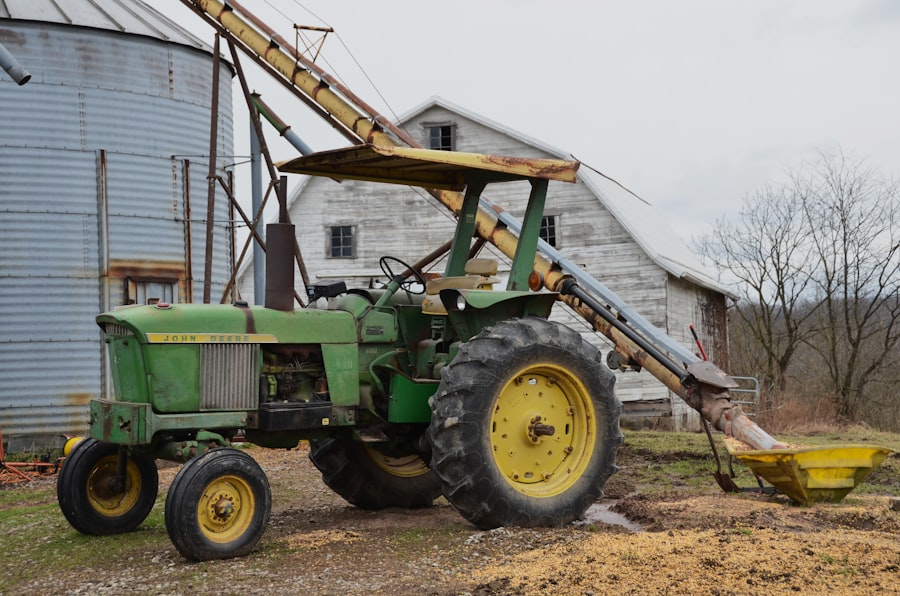
Once a bid has been successfully won at an online auction, understanding payment and shipping options becomes crucial for a smooth transaction. Most auction platforms offer various payment methods, including credit cards, bank transfers, and sometimes financing options tailored for agricultural purchases. It is essential for buyers to familiarize themselves with these options and any associated fees or processing times to ensure timely payment and avoid complications.
Shipping logistics also play a significant role in the post-auction process. Buyers should consider whether they will arrange for transportation themselves or if the auction platform offers shipping services. Some platforms partner with logistics companies to provide shipping solutions tailored specifically for farm machinery, which can simplify the process for buyers unfamiliar with transportation logistics.
Understanding delivery timelines and costs upfront can help buyers plan accordingly and avoid delays in receiving their new equipment.
Maximizing Profit Through Strategic Auction Participation
To maximize profit when participating in online farm machinery auctions, both buyers and sellers must adopt strategic approaches tailored to their goals. For sellers, timing is critical; listing equipment during peak demand periods—such as planting or harvest seasons—can lead to higher bids as more buyers are actively seeking machinery. Additionally, sellers should consider bundling related items together in one auction listing to attract more interest and potentially increase overall sales.
For buyers looking to maximize value, setting clear budgets and sticking to them is essential. It’s easy to get caught up in competitive bidding scenarios; however, having a predetermined limit helps prevent overspending and ensures that purchases remain financially viable. Engaging in research prior to bidding allows buyers to identify undervalued items that may not attract as much attention but still offer excellent quality and functionality.
By employing these strategies, participants can enhance their overall experience in online farm machinery auctions while achieving their financial objectives.
The Future of Online Farm Machinery Auctions
The future of online farm machinery auctions appears promising as technology continues to evolve and reshape the agricultural landscape. Innovations such as artificial intelligence (AI) and machine learning are beginning to play a role in enhancing user experiences on auction platforms. For instance, AI algorithms can analyze bidding patterns and market trends to provide personalized recommendations for buyers based on their preferences and past behavior.
This level of customization could lead to more efficient purchasing processes and improved satisfaction among users. Moreover, advancements in virtual reality (VR) technology may soon allow potential buyers to conduct virtual inspections of machinery before placing bids. This immersive experience could bridge the gap between online transactions and physical inspections, providing buyers with a more comprehensive understanding of equipment condition without needing to be present physically.
As these technologies develop further, they will likely enhance trust and transparency within online auctions, making them an even more attractive option for farmers looking to buy or sell machinery in an increasingly digital world. In conclusion, online farm machinery auctions present numerous benefits for both buyers and sellers alike while offering opportunities for strategic participation that can lead to significant financial gains. As technology continues to advance, these platforms will likely become even more integral to agricultural commerce, shaping how farmers engage with one another in the marketplace.