
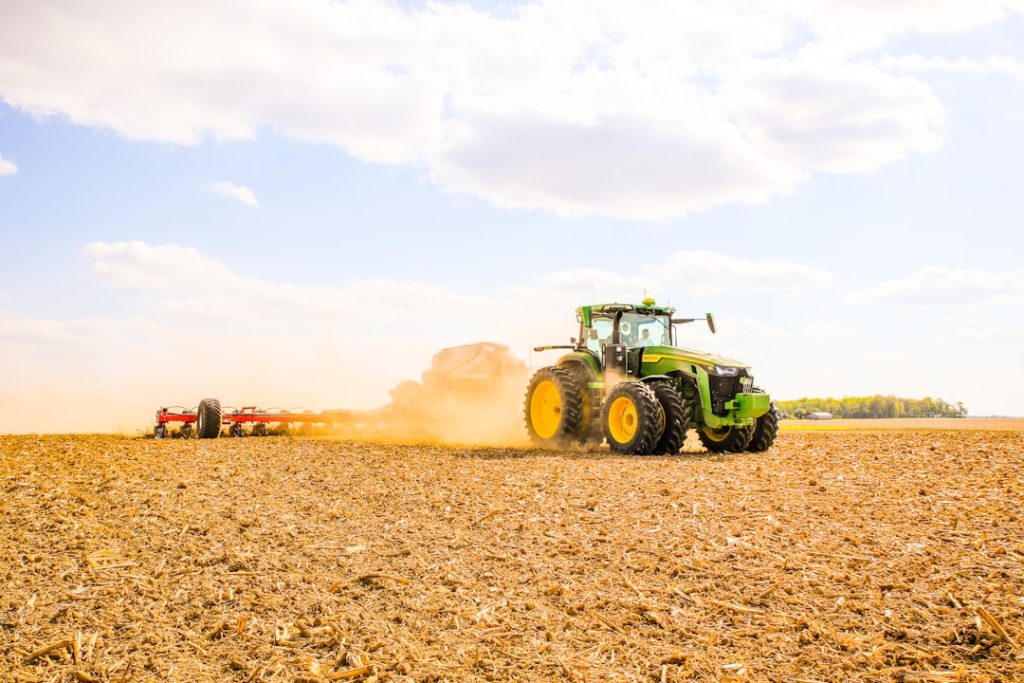
To successfully operate a market farm, it is essential to have a comprehensive understanding of the specific needs of your target market. This involves conducting thorough research to identify the preferences and demands of your potential customers. For instance, if your market farm is located in an urban area, you may find that consumers are increasingly interested in organic produce, locally sourced foods, and sustainable farming practices.
Engaging with local communities through surveys, farmers’ markets, and social media can provide valuable insights into what products are in demand. Additionally, understanding seasonal trends and the types of crops that thrive in your region can help you align your production with market needs. Moreover, it is crucial to consider the competitive landscape when assessing market needs.
Analyzing what other farms in your area are offering can help you identify gaps in the market that you can fill. For example, if nearby farms primarily focus on vegetables, there may be an opportunity to introduce specialty herbs or unique varieties of fruits that cater to niche markets. By understanding both consumer preferences and competitive offerings, you can tailor your production strategy to meet the specific demands of your market, ultimately leading to increased sales and customer loyalty.
Key Takeaways
- Assess your farm’s specific needs to choose appropriate equipment.
- Match equipment size and type to your farm’s scale for optimal performance.
- Use technology to save time and increase operational efficiency.
- Regular maintenance is crucial to prolong equipment lifespan and prevent downtime.
- Continuously train staff and update safety protocols to ensure safe equipment use.
Selecting the Right Equipment for Your Farm Size
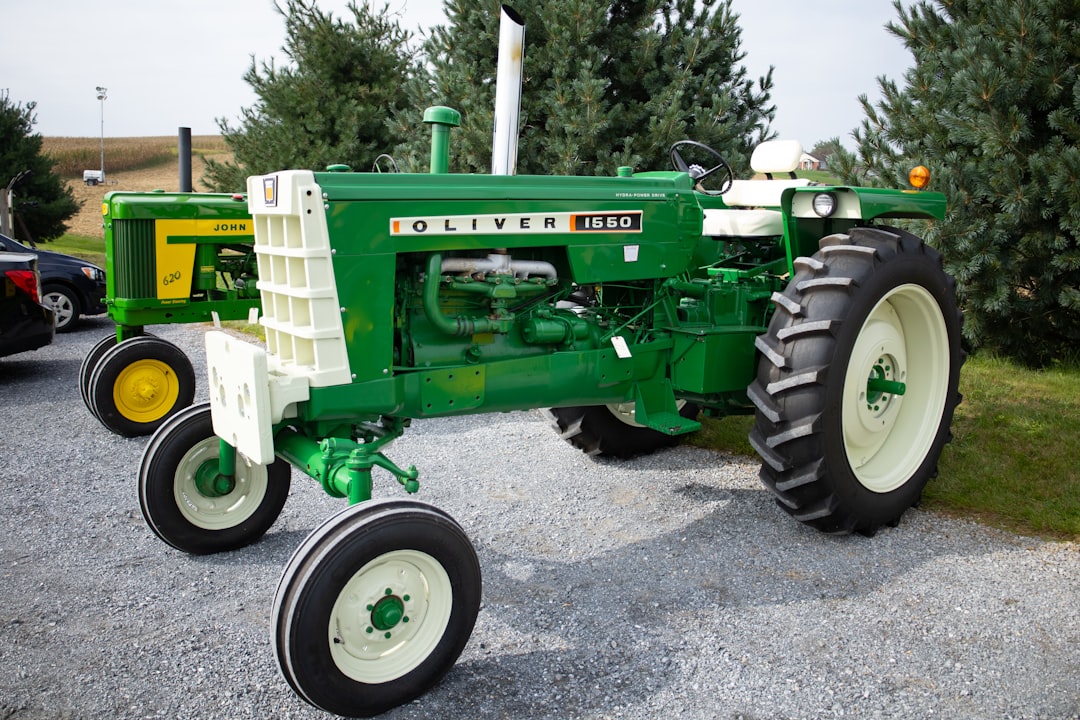
Choosing the appropriate equipment for your market farm is a critical decision that can significantly impact productivity and efficiency. The size of your farm plays a pivotal role in determining the type and scale of equipment you will need. For smaller farms, hand tools and compact machinery may suffice for tasks such as planting, weeding, and harvesting.
For instance, a small-scale vegetable farm might benefit from using a walk-behind tractor or a small tiller that allows for maneuverability in tight spaces while still providing adequate power for soil preparation. Conversely, larger farms may require more robust machinery to handle extensive acreage and higher production volumes. Tractors with various attachments, such as plows, seeders, and harvesters, can streamline operations and reduce labor costs.
It is essential to assess not only the current size of your farm but also your growth projections when selecting equipment. Investing in machinery that can accommodate future expansion can save you from having to make additional purchases down the line. Additionally, considering factors such as fuel efficiency, maintenance costs, and ease of operation will help ensure that your equipment choices align with your long-term farming goals.
Implementing Time-Saving Technology
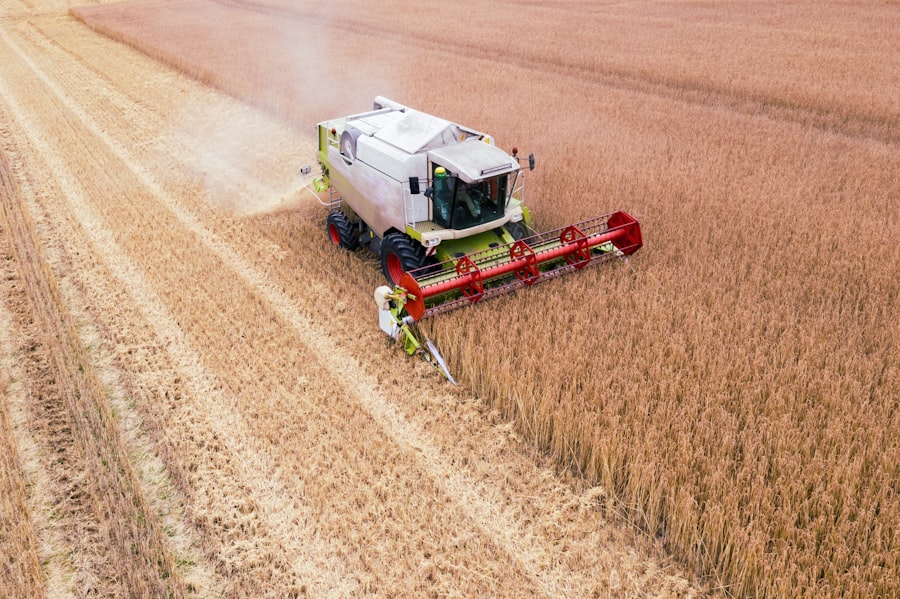
In today’s fast-paced agricultural landscape, implementing time-saving technology can significantly enhance the efficiency of your market farm operations. Precision agriculture tools, such as GPS-guided tractors and drones, allow farmers to optimize planting and harvesting processes while minimizing waste. For example, GPS technology can help ensure that seeds are planted at the correct depth and spacing, leading to improved crop yields and reduced input costs.
Drones can be utilized for aerial imaging to monitor crop health and identify areas that require attention, enabling farmers to make informed decisions quickly. Additionally, software solutions designed for farm management can streamline various administrative tasks. Programs that track inventory, sales, and labor hours can save farmers countless hours of manual record-keeping.
By automating these processes, farmers can focus more on production and less on paperwork. Furthermore, integrating e-commerce platforms into your market farm operations allows for direct sales to consumers, reducing reliance on intermediaries and enhancing profit margins. Embracing technology not only saves time but also positions your farm as a forward-thinking operation capable of adapting to modern agricultural challenges.
Maintenance and Upkeep of Farm Equipment
| Equipment Type | Maintenance Frequency | Common Maintenance Tasks | Average Downtime (hours/month) | Typical Lifespan (years) |
|---|---|---|---|---|
| Tractor | Monthly | Oil change, filter replacement, tire inspection, lubrication | 8 | 15-20 |
| Plow | After every use | Blade sharpening, rust prevention, bolt tightening | 2 | 10-15 |
| Harvester | Seasonally | Belt inspection, blade replacement, hydraulic system check | 12 | 10-15 |
| Irrigation System | Quarterly | Pipe cleaning, pump servicing, valve checks | 4 | 8-12 |
| Seed Drill | After every use | Seed tube cleaning, calibration, lubrication | 3 | 7-10 |
Proper maintenance and upkeep of farm equipment are vital for ensuring longevity and optimal performance. Regular servicing can prevent costly breakdowns and extend the lifespan of machinery. Establishing a maintenance schedule that includes routine checks on oil levels, tire pressure, and hydraulic systems is essential for keeping equipment in peak condition.
For instance, a tractor that is well-maintained will not only operate more efficiently but will also consume less fuel over time, leading to significant cost savings. In addition to routine maintenance, it is important to train staff on proper equipment handling and care. Employees should be educated on how to perform basic maintenance tasks and recognize signs of wear or malfunction.
This proactive approach can help catch potential issues before they escalate into major problems. Furthermore, keeping detailed records of maintenance activities can assist in tracking performance trends and identifying areas for improvement. By prioritizing maintenance and upkeep, farmers can ensure that their equipment remains reliable and efficient throughout its operational life.
Streamlining Workflows for Maximum Efficiency
Streamlining workflows is essential for maximizing efficiency on a market farm. Analyzing each step of the farming process—from planting to harvesting—can reveal bottlenecks that hinder productivity. For example, if harvesting is consistently delayed due to inadequate labor or inefficient transportation methods, it may be necessary to reevaluate staffing levels or invest in better transport solutions.
Implementing standardized procedures for each task can also help ensure that all team members are on the same page and working towards common goals. Additionally, utilizing layout optimization techniques can enhance workflow efficiency. Arranging fields and storage areas in a manner that minimizes travel time between tasks can significantly reduce labor hours.
For instance, placing storage facilities close to harvesting areas allows for quicker unloading and processing of crops. Moreover, employing techniques such as crop rotation and intercropping can improve soil health while maximizing land use efficiency. By continuously assessing workflows and making necessary adjustments, farmers can create a more streamlined operation that maximizes output while minimizing resource use.
Training and Safety Protocols for Equipment Use
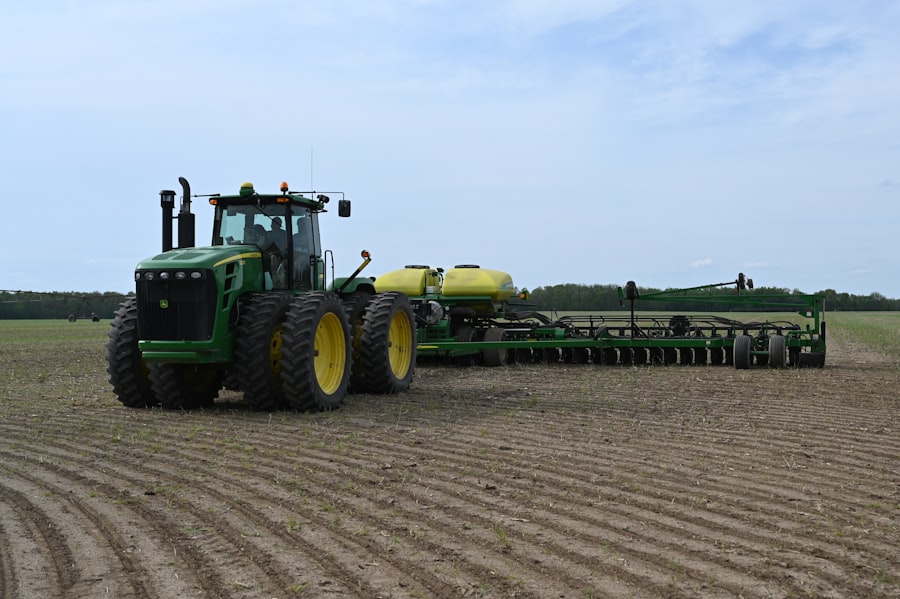
Training staff on proper equipment use is paramount for ensuring safety on the farm as well as maximizing operational efficiency. Comprehensive training programs should cover not only how to operate machinery but also how to perform routine maintenance checks and recognize potential hazards. For example, operators should be trained on the specific safety features of each piece of equipment they will be using, such as emergency shut-off switches or rollover protection systems.
This knowledge empowers employees to operate machinery safely while minimizing the risk of accidents. In addition to operational training, establishing clear safety protocols is essential for creating a culture of safety on the farm. Regular safety meetings can reinforce best practices and keep safety at the forefront of daily operations.
Providing personal protective equipment (PPE) such as gloves, goggles, and ear protection is also crucial in safeguarding employees from potential injuries associated with equipment use. By fostering an environment where safety is prioritized through training and protocols, farmers can reduce workplace accidents while enhancing overall productivity.
Evaluating the Return on Investment for Equipment Purchases
When considering new equipment purchases for your market farm, evaluating the return on investment (ROI) is critical for making informed financial decisions. This process involves analyzing both the initial costs associated with acquiring new machinery and the potential long-term benefits it may provide. For instance, investing in a high-efficiency irrigation system may require a significant upfront expenditure but could lead to substantial water savings and improved crop yields over time.
To accurately assess ROI, farmers should consider factors such as increased productivity, reduced labor costs, and lower operational expenses associated with new equipment. Conducting a cost-benefit analysis can help quantify these factors and provide a clearer picture of how long it will take for the investment to pay off. Additionally, exploring financing options or government grants designed to support agricultural innovation can alleviate some financial burdens associated with purchasing new equipment.
By carefully evaluating ROI before making significant investments, farmers can ensure that their expenditures align with their overall business objectives.
Adapting to Changing Market Demands and Technologies
The agricultural landscape is constantly evolving due to shifting consumer preferences and advancements in technology. To remain competitive in this dynamic environment, market farmers must be willing to adapt their practices accordingly. For example, as consumers increasingly demand transparency regarding food sourcing and production methods, farmers may need to implement traceability systems that allow customers to track their food from farm to table.
This not only meets consumer expectations but also builds trust within the community. Furthermore, staying informed about emerging technologies is essential for maintaining operational efficiency and sustainability. Innovations such as vertical farming systems or hydroponics may offer new avenues for production that align with changing market demands for fresh produce year-round.
Engaging with agricultural extension services or industry associations can provide valuable resources for learning about new technologies and best practices. By remaining flexible and open to change, market farmers can position themselves at the forefront of industry trends while meeting the evolving needs of their customers effectively.