
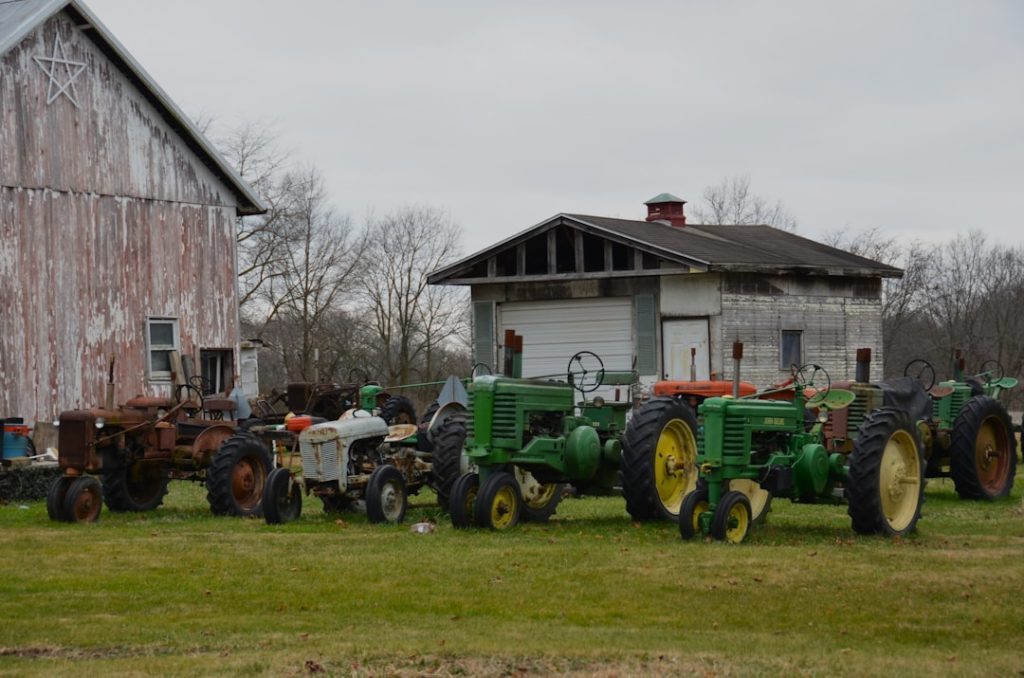
Farm machinery auctions serve as a vital marketplace for agricultural equipment, providing farmers and agricultural businesses with opportunities to acquire essential tools at competitive prices. These auctions can be particularly advantageous for those looking to expand their operations without incurring the high costs associated with new machinery. The value of participating in these auctions lies not only in the potential for significant savings but also in the diverse range of equipment available, from tractors and harvesters to specialized implements.
The dynamic nature of auctions creates an environment where buyers can often find high-quality machinery that may not be readily available through traditional retail channels. Moreover, farm machinery auctions can facilitate the exchange of knowledge and experience among participants. Buyers often have the chance to interact with sellers who possess extensive expertise in the equipment being sold.
This interaction can lead to valuable insights regarding the machinery’s operational history, maintenance requirements, and overall performance. Additionally, auctions can foster a sense of community among farmers, as they gather to share their experiences and strategies for successful bidding. This communal aspect enhances the overall value of the auction experience, making it not just a transaction but a learning opportunity as well.
Key Takeaways
- Farm machinery auctions offer valuable opportunities to acquire equipment at competitive prices.
- Thorough research and preparation are essential for successful auction participation.
- Assessing machinery condition and quality helps avoid costly repairs and ensures reliability.
- Setting a clear budget and bidding strategy prevents overspending and maximizes value.
- Building relationships with auctioneers and sellers can provide insider tips and better deals.
Researching and Preparing for Auctions
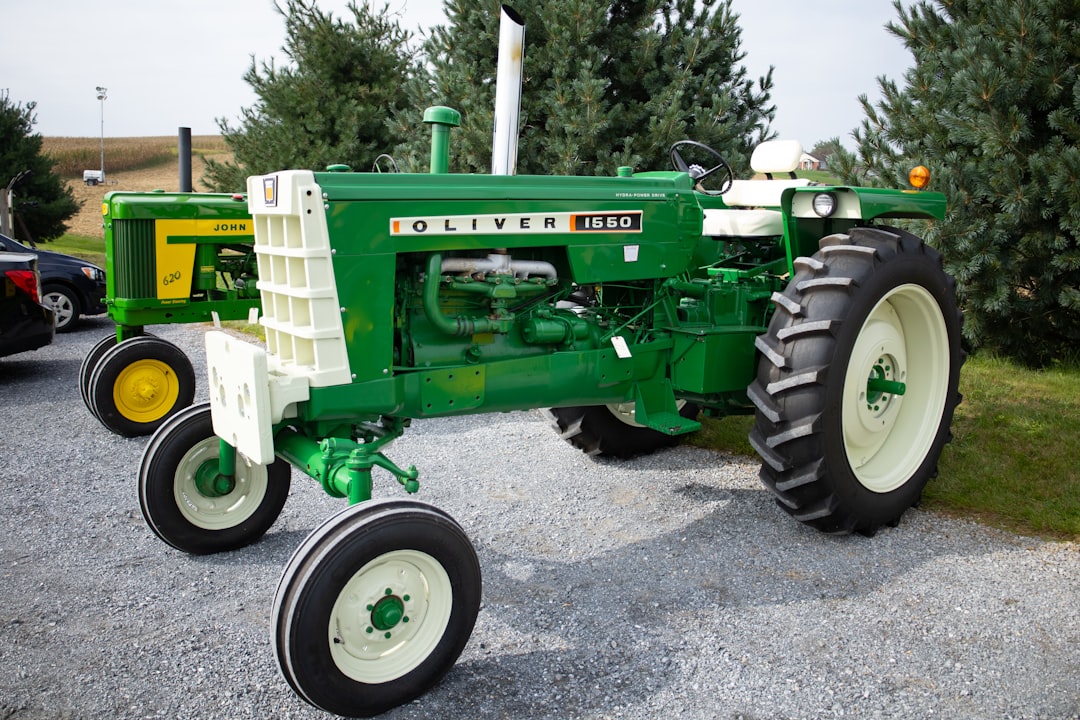
Preparation is key when it comes to participating in farm machinery auctions. Prospective buyers should begin by conducting thorough research on upcoming auctions in their area or online platforms that specialize in agricultural equipment. This research should include understanding the auction format, whether it is live, online, or a combination of both, as well as the specific terms and conditions that govern each auction.
Familiarizing oneself with the auctioneer’s reputation and past sales can provide insights into the quality of machinery typically offered and the level of service provided during the auction process. In addition to understanding the auction environment, potential buyers should create a list of specific machinery they are interested in acquiring. This list should be based on current operational needs and future growth plans.
By identifying key pieces of equipment beforehand, buyers can focus their attention during the auction and avoid getting sidetracked by impulse purchases. Furthermore, researching the market value of desired machinery can help buyers set realistic expectations regarding pricing and bidding strategies. This preparation phase is crucial for ensuring that participants enter the auction with a clear plan and a solid understanding of their needs.
Evaluating the Condition and Quality of Machinery
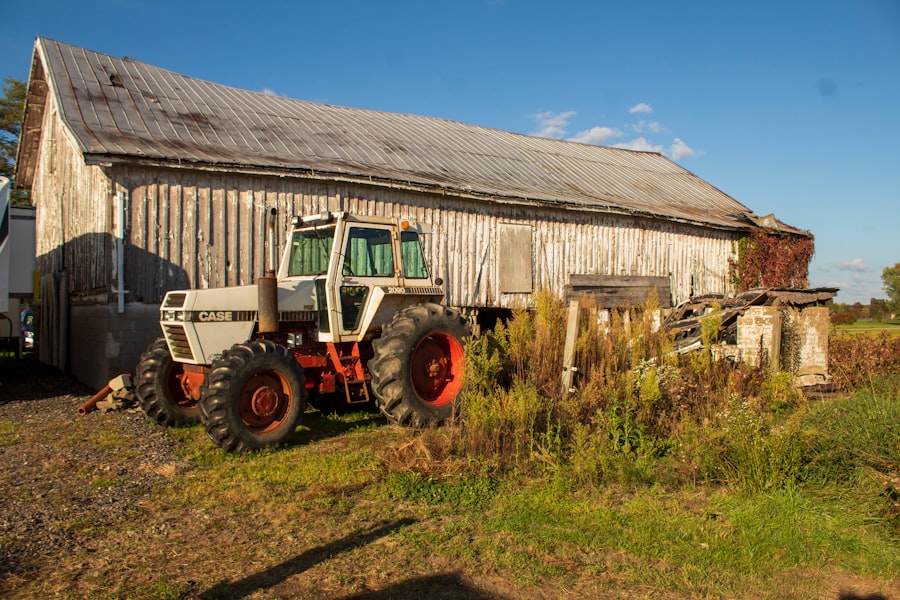
When attending a farm machinery auction, evaluating the condition and quality of equipment is paramount to making informed purchasing decisions. Buyers should arrive at the auction with a checklist of critical components to inspect, including the engine, hydraulic systems, tires, and overall structural integrity. For instance, examining the engine for signs of wear or leaks can provide insights into its operational reliability.
Similarly, checking hydraulic lines for cracks or corrosion can indicate potential maintenance issues that may arise post-purchase. In addition to physical inspections, buyers should also consider the age and usage history of the machinery. Equipment that has been well-maintained and serviced regularly is likely to perform better than similar models that have been neglected.
Buyers can often request maintenance records or service histories from sellers, which can provide valuable information about how the machinery has been cared for over time. Understanding these factors allows buyers to make more informed decisions and helps mitigate the risks associated with purchasing used equipment.
Setting a Budget and Bidding Strategy
| Metric | Description | Recommended Value/Range | Impact on Campaign |
|---|---|---|---|
| Daily Budget | The maximum amount allocated to spend per day on ads | Depends on overall marketing budget; typically 5-10% of monthly budget | Controls ad delivery frequency and reach |
| Bid Strategy | Method used to set bids for ad placements | Options include Manual CPC, Target CPA, Maximize Conversions | Affects cost efficiency and ad positioning |
| Cost Per Click (CPC) | Amount paid for each click on the ad | Varies by industry; average ranges from 0.50 to 3.00 | Directly impacts budget consumption and ROI |
| Cost Per Acquisition (CPA) | Cost to acquire a customer or lead through the ad | Should be less than the average customer value | Measures campaign profitability |
| Impression Share | Percentage of total available impressions your ads receive | Target above 70% for competitive campaigns | Indicates ad visibility and market presence |
| Return on Ad Spend (ROAS) | Revenue generated for every unit spent on ads | Typically aim for 4:1 or higher | Measures overall campaign effectiveness |
Establishing a budget is a critical step in preparing for a farm machinery auction. Buyers should consider not only the purchase price but also additional costs such as transportation, taxes, and potential repairs or upgrades needed after acquisition. A well-defined budget helps prevent overspending and ensures that buyers remain financially responsible throughout the bidding process.
It is advisable to set a maximum bid limit based on thorough research into market values and personal financial constraints. Developing a bidding strategy is equally important. Buyers should decide whether they will adopt an aggressive approach or a more conservative one based on their budget and competition at the auction.
For instance, some bidders may choose to start with lower bids to gauge interest from other participants before increasing their offers strategically. Others may opt for a more assertive approach by placing higher initial bids to deter competitors early on. Regardless of the chosen strategy, maintaining composure during bidding is essential; emotional decisions can lead to regrettable purchases that exceed budgetary limits.
Networking and Building Relationships with Auctioneers and Sellers
Networking within the agricultural community can significantly enhance a buyer’s experience at farm machinery auctions. Establishing relationships with auctioneers and sellers can provide access to exclusive information about upcoming sales, special deals, or even pre-auction viewings of equipment. Building rapport with auctioneers can also lead to more personalized service during the auction process, as they may offer insights into bidding strategies or highlight specific machinery that aligns with a buyer’s needs.
Moreover, fostering connections with other farmers and industry professionals can create opportunities for collaboration and knowledge sharing. Engaging in conversations about equipment performance, maintenance tips, or market trends can enrich a buyer’s understanding of agricultural machinery and its role in their operations. These relationships can also lead to future opportunities for purchasing equipment directly from other farmers or through private sales, often at more favorable terms than those found at public auctions.
Inspecting and Testing Machinery Before Bidding
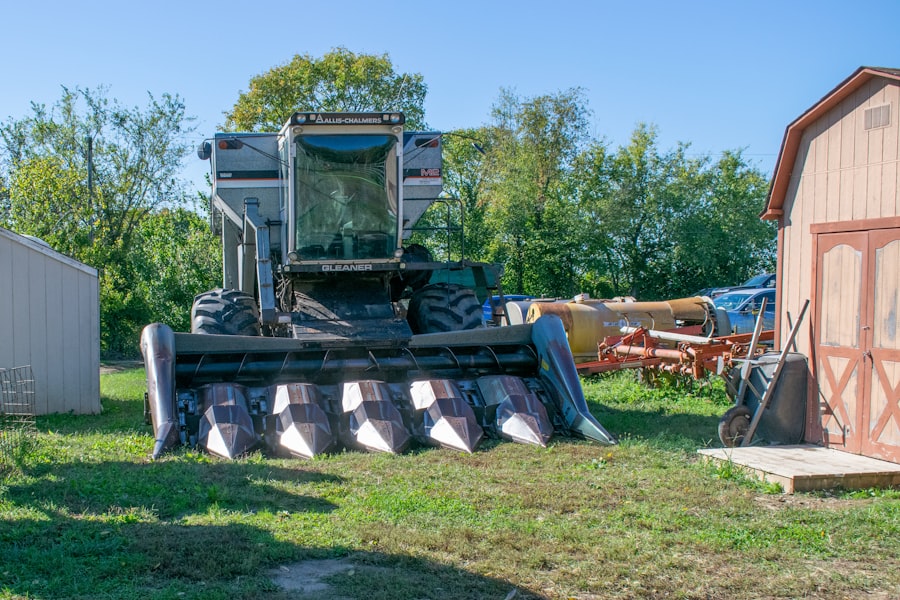
Before placing any bids at an auction, it is crucial for buyers to conduct thorough inspections and tests on the machinery they are interested in. Many auctions allow potential buyers to inspect equipment prior to bidding, providing an invaluable opportunity to assess its condition firsthand. During this inspection phase, buyers should look for signs of wear and tear, such as rust on metal components or excessive wear on tires and belts.
Additionally, checking fluid levels and looking for leaks can provide insights into how well the machinery has been maintained. If possible, buyers should also request to test the machinery in action. For example, if considering a tractor or combine harvester, asking to see it run can reveal important information about its operational capabilities and any potential issues that may not be visible during a static inspection.
Testing equipment allows buyers to evaluate performance metrics such as engine responsiveness, hydraulic function, and overall ease of operation. This hands-on experience is invaluable in making informed decisions about which pieces of machinery are worth pursuing during the bidding process.
Maximizing Efficiency in Transport and Logistics
Once a purchase has been made at an auction, efficient transport and logistics become critical components of successfully integrating new machinery into existing operations. Buyers should plan ahead for how they will transport their newly acquired equipment from the auction site to their farm or business location. This planning includes considering factors such as distance, transportation methods (e.g., flatbed trucks or trailers), and any necessary permits or regulations that may apply when moving large agricultural machinery.
Additionally, coordinating logistics effectively can help minimize downtime between purchase and operational use. Buyers should communicate with transport companies well in advance to ensure timely delivery of their equipment. It may also be beneficial to schedule deliveries during off-peak hours to avoid delays caused by traffic or other logistical challenges.
By prioritizing efficiency in transport and logistics, buyers can ensure that their new machinery is ready for use as soon as possible, maximizing its value to their operations.
Implementing Proper Maintenance and Care for Purchased Machinery
Acquiring farm machinery is just the beginning; proper maintenance and care are essential for ensuring longevity and optimal performance over time. Buyers should familiarize themselves with manufacturer guidelines regarding routine maintenance schedules, including oil changes, filter replacements, and inspections of critical components such as belts and hoses. Establishing a regular maintenance routine not only helps prevent costly repairs but also enhances safety during operation.
In addition to routine maintenance, buyers should also invest time in cleaning and storing their machinery appropriately when not in use. For instance, washing equipment after use can prevent rust formation caused by dirt and debris accumulation. Storing machinery in a sheltered environment protects it from harsh weather conditions that could lead to deterioration over time.
By implementing these practices, buyers can extend the lifespan of their purchased equipment while ensuring it remains reliable and efficient throughout its operational life.