
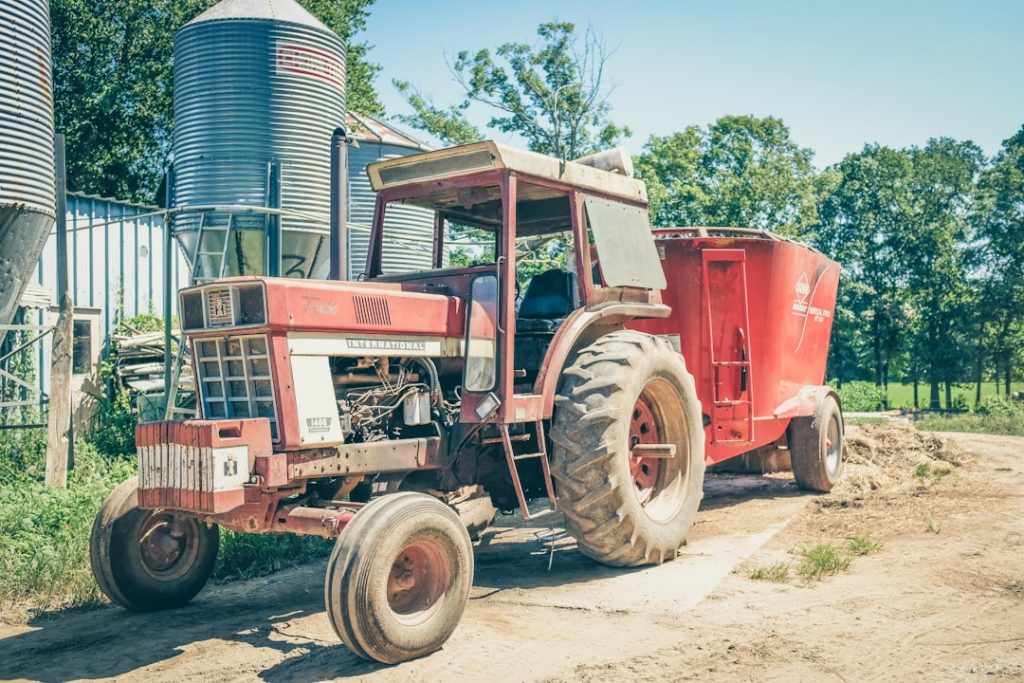
Farm equipment auctions present a unique opportunity for both buyers and sellers in the agricultural sector. For sellers, these auctions provide a platform to liquidate equipment quickly and efficiently, often yielding competitive prices due to the bidding nature of the process. Unlike traditional sales methods, where negotiations can be lengthy and uncertain, auctions create a sense of urgency and competition among buyers.
This competitive environment can drive up the final sale price, allowing sellers to maximize their returns on equipment that may no longer serve their operational needs. On the buyer’s side, auctions can be a treasure trove of opportunities. Farmers and agricultural businesses can acquire high-quality equipment at potentially lower prices than they would find through conventional retail channels.
Auctions often feature a wide variety of machinery, from tractors and harvesters to specialized implements, allowing buyers to find exactly what they need in one location. Additionally, many auctions provide detailed descriptions and inspections of the equipment, giving buyers confidence in their purchases. The dynamic atmosphere of an auction can also lead to unexpected bargains, making it an appealing option for those looking to expand or upgrade their farming operations.
Key Takeaways
- Farm equipment auctions offer cost-effective opportunities to buy or sell machinery.
- Thorough research helps in choosing the most suitable auction for your needs.
- Properly preparing and presenting equipment can increase its auction value.
- Setting realistic price expectations ensures better bidding outcomes.
- Effective follow-up and logistics management are crucial after the auction.
Researching and Selecting the Right Auction
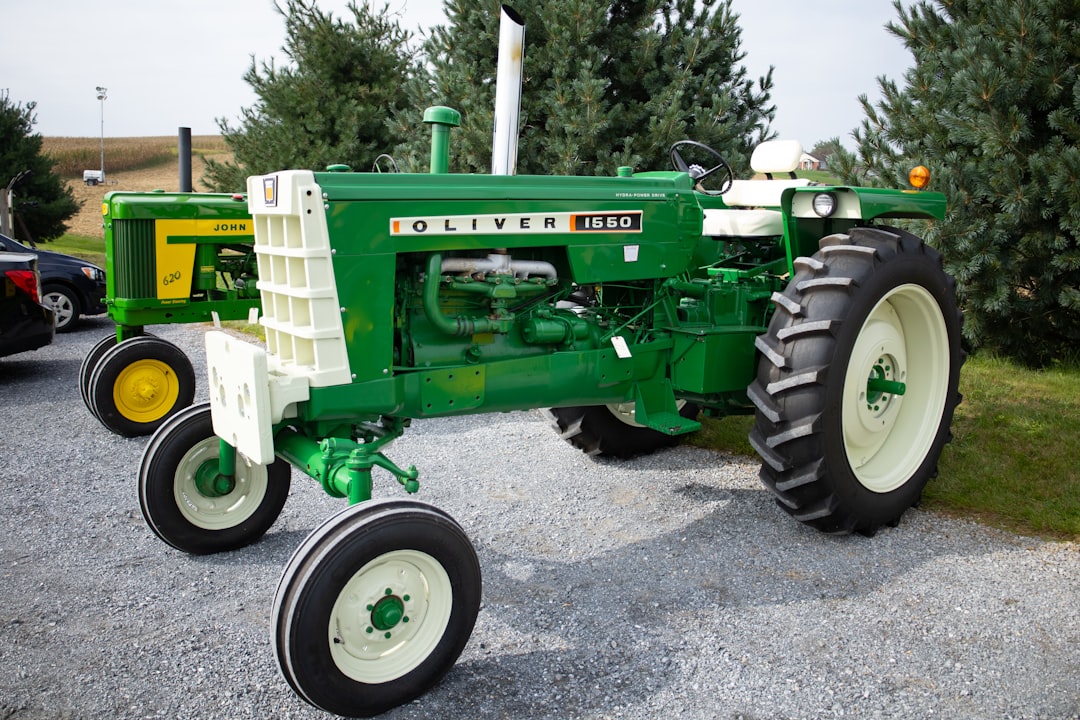
Choosing the right auction is crucial for both buyers and sellers to ensure a successful transaction. For sellers, it is essential to research auction houses that specialize in agricultural equipment. These specialized auctioneers often have a better understanding of the market value of farm machinery and can attract a more targeted audience of potential buyers.
Sellers should consider factors such as the auctioneer’s reputation, their marketing strategies, and the demographics of their previous auctions. Engaging with local farming communities or agricultural organizations can also provide insights into which auction houses have a strong track record. Buyers, on the other hand, should focus on finding auctions that feature the specific types of equipment they are interested in.
This involves not only looking at the auction catalog but also attending preview days when available. Preview days allow potential buyers to inspect the equipment firsthand, assess its condition, and ask questions about its history and maintenance. Additionally, understanding the auction format—whether it is live, online, or a hybrid—can influence a buyer’s strategy.
Online auctions may offer convenience but can lack the immediacy and excitement of live bidding, while live auctions may provide more opportunities for negotiation and interaction with other bidders.
Preparing Your Equipment for Auction
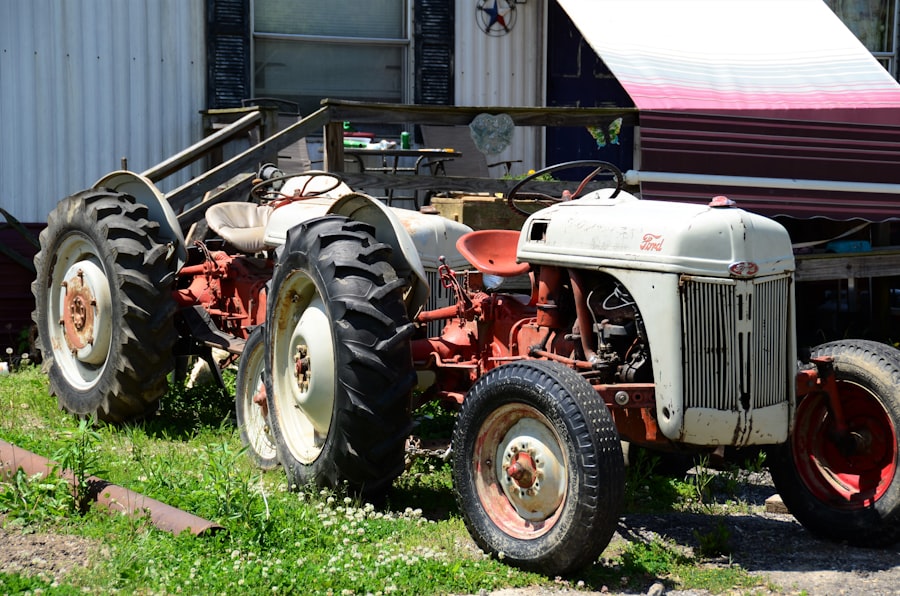
Preparation is key when it comes to selling equipment at auction. Sellers should start by thoroughly cleaning and servicing their machinery to present it in the best possible light. A well-maintained piece of equipment not only looks more appealing but also signals to potential buyers that it has been cared for and is likely to perform well.
This includes washing off dirt and grime, checking fluid levels, and ensuring that all components are functioning correctly. If necessary, minor repairs should be made to enhance the equipment’s value and attractiveness. In addition to physical preparation, sellers should gather all relevant documentation related to the equipment.
This includes maintenance records, manuals, and any warranties that may still be in effect. Providing this information can instill confidence in buyers regarding the equipment’s history and reliability. Furthermore, creating a detailed description that highlights key features, specifications, and any unique selling points can help attract more bidders.
High-quality photographs showcasing different angles and aspects of the equipment can also significantly enhance its appeal in auction listings.
Setting Realistic Price Expectations
| Metric | Description | Typical Range | Importance |
|---|---|---|---|
| Market Price Comparison | Average price of similar products or services in the market | Varies by industry and product | High |
| Cost of Production | Total cost incurred to produce the product or service | Depends on materials, labor, overhead | High |
| Profit Margin | Percentage of profit over cost | 5% – 30% | High |
| Customer Willingness to Pay | Estimated price customers are willing to pay | Based on surveys and market research | High |
| Competitor Pricing | Prices set by direct competitors | Varies | Medium |
| Price Elasticity | Measure of demand sensitivity to price changes | -1 to -3 (typical for many products) | Medium |
| Sales Volume | Number of units sold at a given price | Varies | Medium |
| Time to Market | Duration to launch product at set price | Weeks to months | Low |
Establishing realistic price expectations is a critical step for sellers preparing for an auction. It is essential to conduct thorough market research to understand current trends in farm equipment pricing. This can involve reviewing recent auction results for similar machinery or consulting industry publications that provide insights into market values.
Sellers should also consider factors such as the age, condition, and brand reputation of their equipment when determining a starting bid or reserve price. Setting a reserve price—a minimum price that must be met for the sale to occur—can protect sellers from underselling their equipment. However, it is important that this reserve price is not set too high, as it may deter potential bidders if they perceive it as unrealistic.
Engaging with the auctioneer for advice on pricing strategies can also be beneficial; experienced auctioneers often have valuable insights into what similar items have sold for in past auctions and can help sellers set competitive yet realistic expectations.
Maximizing Exposure for Your Equipment
To attract potential buyers, maximizing exposure for auctioned equipment is essential. Auctioneers typically employ various marketing strategies to promote their events, but sellers can also take proactive steps to enhance visibility. Utilizing social media platforms such as Facebook, Instagram, and Twitter can help reach a broader audience.
Posting engaging content about the equipment being sold—such as videos demonstrating its functionality or testimonials from previous users—can generate interest and excitement leading up to the auction. Additionally, leveraging local agricultural networks can be an effective way to spread the word about upcoming auctions. Informing local farming associations or community groups about the auction can help attract interested buyers who may not be actively searching online.
Flyers or posters placed in strategic locations such as feed stores or agricultural supply shops can also serve as effective promotional tools. The goal is to create buzz around the auction event so that potential bidders are aware of what is available and motivated to participate.
Tips for Bidding and Winning at Auction
For buyers participating in an auction, having a clear strategy is vital for success. One effective approach is to set a budget before entering the bidding process. This budget should account for not only the purchase price but also any additional costs such as buyer’s premiums, transportation fees, and potential repairs or modifications needed after purchase.
Sticking to this budget helps prevent impulsive decisions driven by competitive bidding dynamics. Understanding bidding tactics can also enhance a buyer’s chances of winning desired equipment. Some bidders prefer to start with low bids to gauge interest before making larger offers later on.
Others may choose to enter the bidding aggressively at the outset to intimidate competitors. Observing how other bidders react during the auction can provide valuable insights into their strategies and help inform one’s own approach. Additionally, being aware of when to walk away from a bidding war is crucial; sometimes, it is better to let go of an item than to overextend financially.
Post-Auction Follow-Up and Logistics
Once an auction concludes, both buyers and sellers must navigate post-auction logistics effectively. For sellers, this involves ensuring that payment is received promptly and coordinating with buyers regarding pickup or delivery of the sold equipment. Clear communication during this phase is essential to maintain positive relationships with buyers and uphold the seller’s reputation within the agricultural community.
Buyers must also be proactive after winning an auction item. Arranging transportation for purchased equipment should be prioritized, especially if it requires specialized handling or permits for larger machinery. Buyers should inspect their new acquisitions thoroughly upon receipt to ensure they meet expectations based on auction descriptions.
If any discrepancies arise—such as undisclosed damages or mechanical issues—buyers should address these concerns with the auction house promptly to seek resolution.
Evaluating the Success of Your Auction Experience
After completing an auction transaction, it is beneficial for both buyers and sellers to evaluate their experiences critically. For sellers, assessing whether their equipment sold at a satisfactory price compared to market expectations can provide insights into future auction strategies. Reflecting on aspects such as marketing effectiveness, bidder engagement, and overall satisfaction with the auctioneer’s services can inform decisions about participating in future auctions.
Buyers should similarly reflect on their purchasing experience by considering whether they acquired equipment that meets their operational needs at a fair price. Evaluating the condition of purchased items against pre-auction assessments can help identify areas for improvement in future bidding strategies or research methods. Engaging with fellow participants or industry peers about their experiences can also yield valuable lessons that enhance future auction participation for both buyers and sellers alike.