
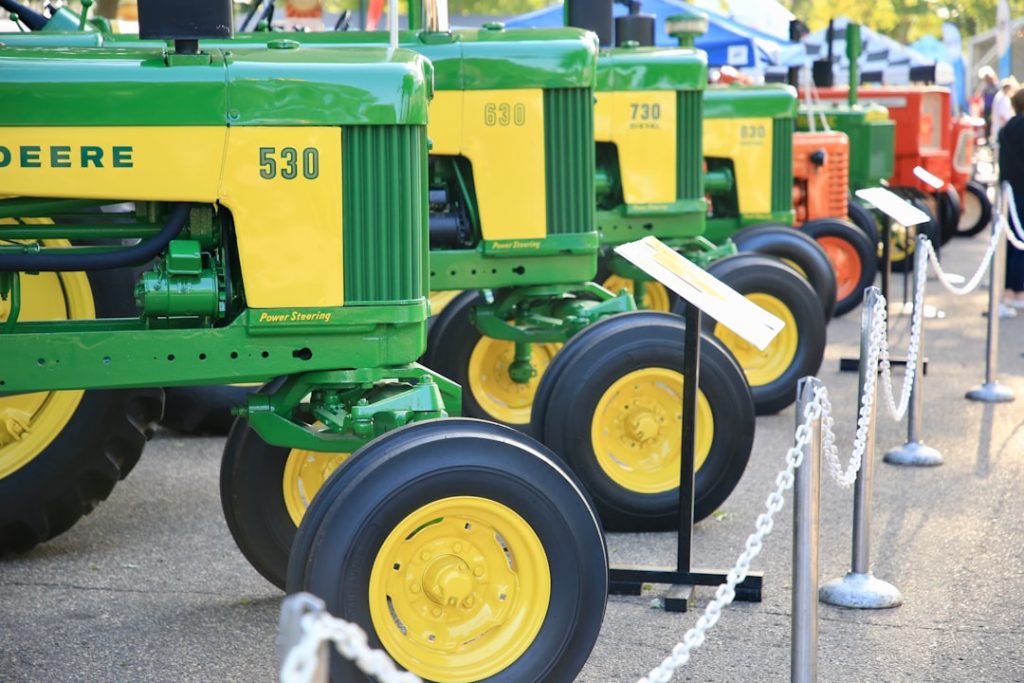
Agricultural machinery auctions present a unique opportunity for farmers and agricultural businesses to acquire essential equipment at competitive prices. One of the primary benefits of participating in these auctions is the potential for significant cost savings. Unlike traditional retail channels, where machinery is often marked up due to overhead costs, auctions allow buyers to bid on equipment directly, often resulting in lower final sale prices.
This is particularly advantageous for small to medium-sized farms that may have limited budgets but require reliable machinery to maintain productivity. Moreover, auctions provide access to a diverse range of equipment that may not be readily available through conventional sales channels. From tractors and harvesters to specialized implements, the variety of machinery available at auctions can cater to different farming needs and preferences.
This diversity not only allows buyers to find specific models that suit their operational requirements but also enables them to explore new technologies and innovations that they might not have considered otherwise. The dynamic nature of auctions, where multiple items are often sold in a single event, can also create a sense of urgency that encourages competitive bidding, potentially driving prices down further.
Key Takeaways
- Agricultural machinery auctions offer cost-effective opportunities to buy or sell equipment efficiently.
- Thorough research and choosing a reputable auction house are crucial for successful transactions.
- Properly preparing and presenting machinery can significantly increase its auction value.
- Setting realistic price expectations helps in achieving satisfactory sale outcomes.
- Strategic participation and effective post-auction follow-up enhance overall auction success.
Researching and Selecting the Right Auction House
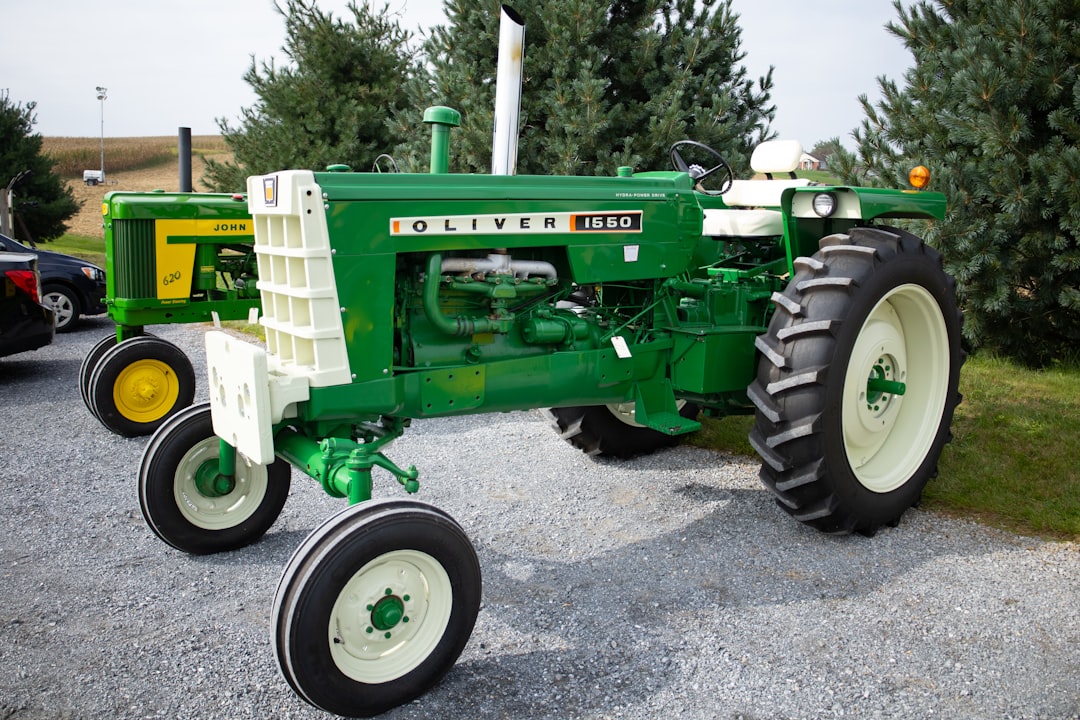
Choosing the right auction house is a critical step in the auction process that can significantly influence the outcome of your buying or selling experience. Not all auction houses are created equal; some specialize in agricultural machinery while others may focus on general equipment or different sectors entirely. It is essential to conduct thorough research on potential auction houses, examining their reputation, track record, and the types of machinery they typically handle.
Reading reviews from previous participants can provide valuable insights into the auction house’s reliability and professionalism. Additionally, consider the auction house’s marketing reach and audience. A well-established auction house with a strong online presence can attract a larger pool of bidders, which may lead to higher selling prices for your equipment.
Look for auction houses that utilize various platforms for advertising their events, including social media, email newsletters, and industry publications. Engaging with auctioneers who have a deep understanding of the agricultural sector can also enhance your experience, as they can provide expert advice on pricing and bidding strategies tailored to your specific needs.
Preparing Your Machinery for Auction

Proper preparation of machinery before an auction is crucial for maximizing its appeal and value. First and foremost, it is essential to ensure that all equipment is in good working condition. Conducting thorough maintenance checks, including oil changes, tire inspections, and any necessary repairs, can significantly enhance the attractiveness of your machinery to potential buyers.
A well-maintained piece of equipment not only instills confidence in bidders but also reflects positively on the seller’s reputation. In addition to mechanical readiness, presentation plays a vital role in attracting bidders. Cleanliness cannot be overstated; a thorough cleaning of the machinery can make a substantial difference in how it is perceived.
Removing dirt, grease, and rust not only improves aesthetics but also allows potential buyers to inspect the equipment more easily. Furthermore, providing detailed documentation about the machinery’s history, including maintenance records and any upgrades or modifications made, can help build trust with bidders and justify your asking price.
Setting Realistic Price Expectations
| Metric | Description | Typical Range | Importance |
|---|---|---|---|
| Market Price Comparison | Average price of similar products or services in the market | Varies by industry and product | High |
| Cost of Production | Total cost incurred to produce the product or service | Depends on materials, labor, overhead | High |
| Profit Margin | Percentage of profit expected over cost | 5% – 30% | High |
| Customer Willingness to Pay | Estimated price customers are willing to pay | Varies by target market | High |
| Competitor Pricing | Prices set by direct competitors | Varies by competitor strategy | Medium |
| Price Elasticity | Measure of demand sensitivity to price changes | -1 to -3 (typical for many products) | Medium |
| Sales Volume | Number of units sold at a given price | Varies widely | Medium |
| Time to Market | Duration to launch product at set price | Weeks to months | Low |
Establishing realistic price expectations is a fundamental aspect of both buying and selling at agricultural machinery auctions. For sellers, it is essential to conduct market research to understand the current value of similar equipment. This involves analyzing recent auction results, consulting industry publications, and utilizing online valuation tools that provide insights into fair market prices.
Setting an appropriate reserve price— the minimum price you are willing to accept—can protect you from underselling your machinery while still attracting potential buyers. For buyers, understanding the market value of desired equipment is equally important. Bidding too low may result in losing out on a valuable piece of machinery, while bidding too high can lead to overpaying.
Familiarizing yourself with recent sales data and trends in agricultural machinery can help you gauge what constitutes a fair price. Additionally, being aware of seasonal fluctuations in demand can inform your bidding strategy; for instance, certain types of equipment may command higher prices during peak planting or harvesting seasons.
Maximizing Exposure for Your Auction Listing
To ensure that your auction listing reaches the widest possible audience, it is crucial to implement effective marketing strategies. Utilizing social media platforms such as Facebook, Instagram, and Twitter can significantly enhance visibility. Creating engaging posts that highlight key features of the machinery, accompanied by high-quality images or videos, can capture the attention of potential bidders.
Additionally, leveraging local agricultural groups or forums can help spread the word within targeted communities. Email marketing is another powerful tool for maximizing exposure. Sending out newsletters or announcements to your existing contacts or subscribers can generate interest among those who may be actively looking for equipment.
Collaborating with local agricultural organizations or cooperatives can also amplify your reach; they may be willing to share your auction listing with their members or include it in their communications. The goal is to create a buzz around your auction listing that encourages participation and drives competitive bidding.
Attending the Auction and Participating Strategically
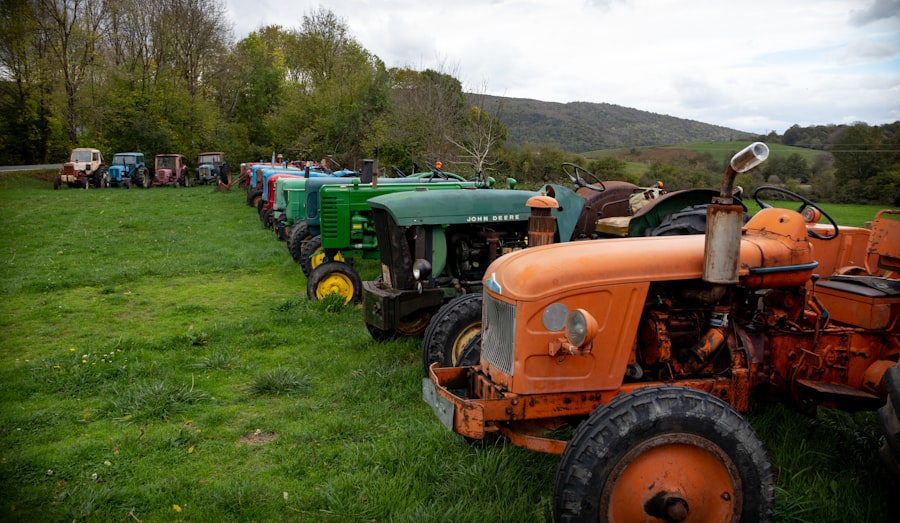
Attending the auction in person or participating online requires strategic planning to ensure success. If attending in person, arrive early to familiarize yourself with the layout and inspect the machinery you are interested in bidding on. This allows you to assess the condition of the equipment firsthand and formulate a bidding strategy based on your observations.
Engaging with other bidders and networking with industry professionals can also provide valuable insights into current market trends and pricing strategies. When it comes time to bid, it is essential to remain calm and composed. Setting a predetermined budget before entering the auction can help prevent impulsive decisions driven by excitement or competition.
Stick to your budget and avoid getting caught up in bidding wars that could lead to overextending yourself financially. Additionally, pay attention to the auctioneer’s cadence and timing; understanding when bids are likely to increase can help you make informed decisions about when to place your bids.
Post-Auction Follow-Up and Logistics
After the auction concludes, there are several important steps to take regarding logistics and follow-up actions. For sellers, ensuring that payment is received promptly is crucial; most auction houses have specific protocols for handling transactions that should be adhered to closely. Once payment is confirmed, coordinating the transfer of ownership and arranging for the pickup or delivery of the machinery should be prioritized.
Clear communication with buyers regarding logistics can enhance their experience and foster goodwill. For buyers, post-auction follow-up involves confirming payment details and arranging for transportation of purchased equipment. It is advisable to inspect the machinery again before finalizing any transport arrangements to ensure it meets your expectations based on what was presented during the auction.
Additionally, maintaining open lines of communication with the auction house can facilitate any necessary paperwork or documentation required for ownership transfer.
Evaluating the Results and Planning for Future Auctions
Once all transactions are complete and logistics have been handled, it is essential to evaluate the results of your auction experience critically. For sellers, assessing whether your machinery sold at an expected price can provide insights into market trends and help refine future selling strategies. Analyzing which items attracted the most interest or generated competitive bidding can inform decisions about what types of equipment to sell next time.
For buyers, reflecting on your bidding strategy and overall experience can yield valuable lessons for future auctions. Consider whether you were able to acquire desired equipment within budget or if adjustments need to be made in terms of research or bidding tactics. Engaging with fellow participants post-auction can also provide additional perspectives on what worked well or what could be improved in future endeavors.
By taking these evaluations seriously, both buyers and sellers can enhance their effectiveness in future agricultural machinery auctions, ultimately leading to more successful outcomes in this dynamic marketplace.