
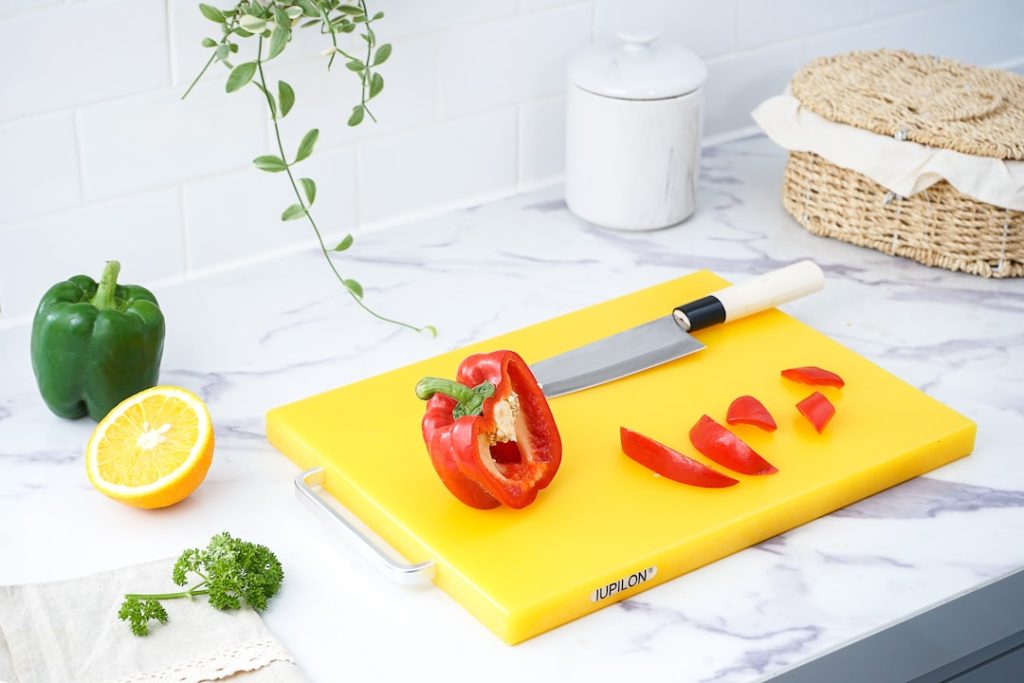
Freshness in food is a critical factor that influences not only the taste and texture of what we consume but also its nutritional value and safety. Fresh ingredients are often more vibrant in flavor, providing a sensory experience that can elevate a meal from mundane to extraordinary. For instance, a ripe tomato picked at the peak of its season bursts with sweetness and acidity, while one that has been stored for weeks may taste bland and mealy.
The difference in flavor profiles can significantly affect the overall enjoyment of a dish, making freshness an essential consideration for both home cooks and professional chefs alike. Moreover, the nutritional benefits of fresh food cannot be overstated. Fruits and vegetables begin to lose their vitamins and minerals shortly after being harvested.

For example, studies have shown that spinach can lose up to 50% of its vitamin C content within just a few days of being picked. This degradation not only diminishes the health benefits associated with consuming these foods but also impacts their overall quality. Freshness is not merely a matter of taste; it is intrinsically linked to the healthfulness of our diets.
As consumers become increasingly aware of the importance of nutrition, the demand for fresh, high-quality ingredients continues to rise.
Key Takeaways
- Freshness is crucial for preserving food quality, taste, and nutritional value.
- Professional food vacuum sealers extend shelf life by removing air and preventing spoilage.
- These sealers work by vacuuming air out and sealing food in airtight bags.
- Choosing the right sealer depends on factors like sealing strength, bag compatibility, and ease of use.
- Proper maintenance and additional freshness techniques help maximize food preservation.
Benefits of Using a Professional Food Vacuum Sealer
Investing in a professional food vacuum sealer can revolutionize the way you store food, offering numerous benefits that extend beyond mere convenience. One of the most significant advantages is the ability to prolong the shelf life of perishable items. By removing air from packaging, vacuum sealing minimizes the growth of bacteria and mold, which thrive in oxygen-rich environments.
For instance, vacuum-sealed meats can last up to three to five times longer than those stored in traditional packaging, allowing for bulk purchases without the fear of spoilage. In addition to extending shelf life, vacuum sealing also helps preserve the flavor and texture of food. When food is vacuum sealed, it is protected from freezer burn, which occurs when air comes into contact with frozen items, causing dehydration and loss of quality.
This is particularly beneficial for items like fish or steak, which can suffer significant textural changes if not properly stored. Furthermore, vacuum sealing can enhance marination processes; by creating a vacuum environment, marinades penetrate deeper into meats and vegetables, resulting in more flavorful dishes.
How a Professional Food Vacuum Sealer Works
The mechanics behind a professional food vacuum sealer are relatively straightforward yet highly effective. At its core, the device operates by removing air from specially designed bags or containers before sealing them shut. The process begins with placing food items inside a vacuum bag, which is then inserted into the sealer.
Once activated, the machine uses a pump to extract air from the bag, creating a vacuum environment around the food. After the air has been removed, the sealer applies heat to the bag’s opening, fusing it together to create an airtight seal. This dual-action process not only protects food from spoilage but also prevents freezer burn and dehydration during storage.
Some advanced models even offer features such as adjustable suction levels and sealing times, allowing users to customize the process based on the type of food being sealed. For example, delicate items like berries may require a gentler suction to avoid crushing them, while sturdier items like meats can withstand a more robust vacuum.
Tips for Choosing the Right Professional Food Vacuum Sealer
| Tip | Metric/Consideration | Details |
|---|---|---|
| Sealing Speed | Time per seal (seconds) | Faster sealing (under 5 seconds) improves efficiency in busy kitchens |
| Vacuum Strength | Pressure level (in Hg or kPa) | Higher vacuum pressure (up to 29 in Hg) ensures better air removal and longer food preservation |
| Bag Compatibility | Bag types supported | Supports various bag sizes and materials (e.g., textured, smooth, rolls) |
| Durability | Material and build quality | Stainless steel body preferred for commercial use due to longevity and ease of cleaning |
| Seal Bar Length | Length in inches or cm | Longer seal bars (12-15 inches) accommodate larger bags and bulk sealing |
| Control Features | Settings and automation | Adjustable vacuum and seal time, pulse vacuum, and automatic sealing enhance precision |
| Portability | Weight and size | Lighter models (under 10 lbs) are easier to move but may sacrifice power |
| Maintenance | Ease of cleaning and part replacement | Removable drip trays and accessible sealing elements simplify upkeep |
| Price Range | Cost considerations | Balance between features and budget; professional models typically range higher |
Selecting the right professional food vacuum sealer involves considering several factors that align with your specific needs and usage patterns. One of the first aspects to evaluate is the type of sealing mechanism—external vs. chamber vacuum sealers. External sealers are typically more affordable and suitable for home use, while chamber sealers are designed for commercial applications and can handle larger quantities of food at once. If you frequently prepare large batches or run a food business, investing in a chamber vacuum sealer may be worthwhile. Another critical consideration is the size and capacity of the sealer. If kitchen space is limited or if you primarily seal small portions, a compact model may be ideal. Conversely, larger units can accommodate bigger bags and bulkier items, making them more versatile for various storage needs. Additionally, look for features such as built-in roll storage for creating custom-sized bags or multiple sealing modes for different types of food. These functionalities can enhance your overall experience and efficiency when using the device.
How to Use a Professional Food Vacuum Sealer
Using a professional food vacuum sealer is a straightforward process that can be mastered with minimal practice. Begin by preparing your food items; this may involve washing and cutting fruits and vegetables or portioning meats into manageable sizes. Once your food is ready, place it inside a vacuum bag, ensuring not to overfill it as this can hinder proper sealing.
Next, insert the open end of the bag into the vacuum sealer according to the manufacturer’s instructions. Activate the machine to initiate the vacuuming process; you will typically hear a humming sound as air is extracted from the bag. Once the vacuuming is complete, the machine will automatically seal the bag shut using heat.
It’s essential to allow some time for cooling before handling the sealed bag to ensure that the seal remains intact. For optimal results, consider labeling your vacuum-sealed bags with dates and contents before storing them away. This practice not only helps you keep track of freshness but also aids in meal planning and organization within your freezer or pantry.
Maximizing Freshness in Different Types of Food
Different types of food require tailored approaches when it comes to maximizing freshness through vacuum sealing. For instance, when sealing fruits and vegetables, it’s crucial to consider their moisture content. High-moisture items like cucumbers or tomatoes should be blotted dry before sealing to prevent excess moisture from accumulating inside the bag, which could lead to spoilage.
Meats and fish benefit significantly from vacuum sealing as well; however, it’s advisable to freeze them briefly before sealing if they are particularly soft or delicate. This pre-freezing step helps maintain their structure during the vacuuming process. Additionally, marinating meats in vacuum-sealed bags can enhance flavor absorption while also reducing marination time significantly.
Dry goods such as nuts or grains can also be effectively stored using vacuum sealers. By removing air from these items, you can prevent rancidity caused by exposure to oxygen and moisture. It’s important to ensure that these items are sealed tightly without any air pockets remaining in the bag.
Maintenance and Care for Your Professional Food Vacuum Sealer
Proper maintenance and care are essential for ensuring that your professional food vacuum sealer operates efficiently over time. Regular cleaning is paramount; after each use, wipe down the exterior with a damp cloth to remove any spills or debris that may have accumulated during sealing. For internal components such as sealing strips or gaskets, consult your user manual for specific cleaning instructions to avoid damaging sensitive parts.
Additionally, it’s wise to periodically check for wear and tear on seals and gaskets since these components are crucial for maintaining an airtight environment. If you notice any signs of damage or degradation, replacing these parts promptly will help prevent air leaks that could compromise your food storage efforts. Another aspect of maintenance involves ensuring that your vacuum bags are compatible with your sealer model.
Using non-compatible bags can lead to ineffective seals or even damage your machine over time. Always opt for high-quality bags designed specifically for vacuum sealing to achieve optimal results.
Other Ways to Extend the Freshness of Your Food
While professional food vacuum sealers are highly effective tools for extending food freshness, there are additional methods that can complement this practice. One such method is proper refrigeration techniques; maintaining an appropriate temperature in your refrigerator can significantly impact how long perishable items last. For instance, keeping your fridge at or below 40°F (4°C) slows down bacterial growth and helps preserve freshness.
Another strategy involves utilizing airtight containers for dry goods or leftovers that may not require vacuum sealing but still benefit from reduced exposure to air. Glass jars with tight-fitting lids or BPA-free plastic containers can effectively keep out moisture and pests while maintaining freshness. Lastly, consider incorporating preservation techniques such as pickling or fermenting for certain foods like vegetables or fruits.
These methods not only extend shelf life but also introduce unique flavors and textures that can enhance your culinary repertoire. By combining these various strategies with a professional food vacuum sealer, you can create an effective system for managing food freshness that suits your lifestyle and dietary preferences.