
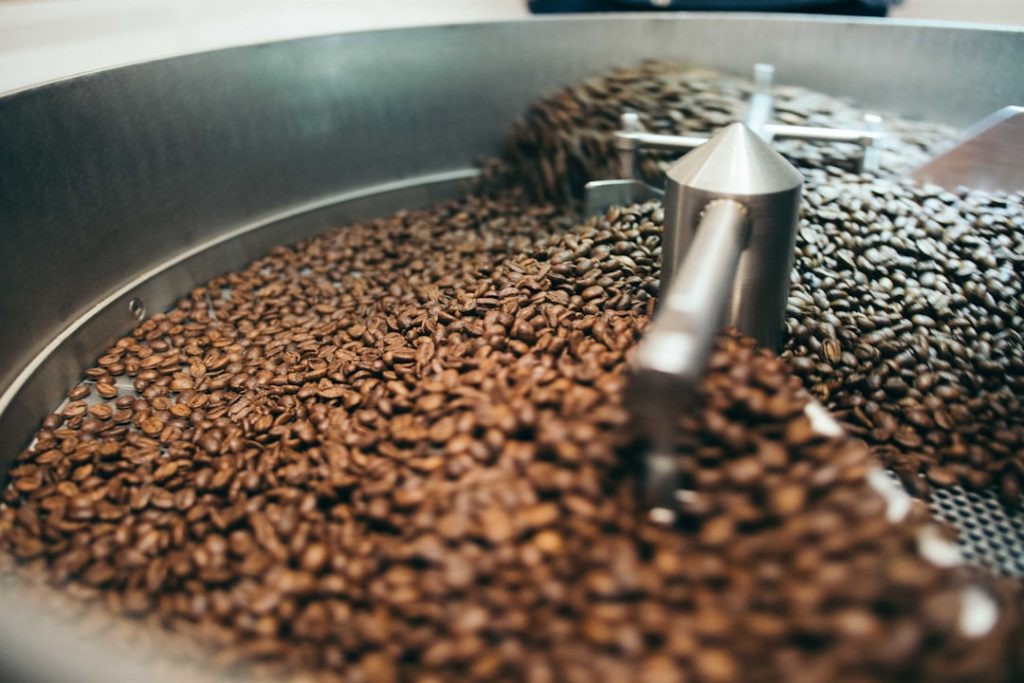
The roasting process is a transformative journey that coffee beans undergo, converting them from their raw, green state into the aromatic, flavorful beans that are brewed into coffee. This process involves applying heat to the beans, which causes a series of complex chemical reactions known as the Maillard reaction and caramelization. As the beans heat up, they undergo physical changes, expanding in size and changing color from green to yellow, then to light brown, and finally to dark brown, depending on the desired roast level.
The temperature and duration of roasting play crucial roles in determining the final flavor profile of the coffee. During roasting, various compounds within the beans are released, contributing to the aroma and taste. For instance, at around 200 degrees Celsius, the first crack occurs, signaling that the beans have reached a light roast stage.
This is when the sugars begin to caramelize, producing sweet and fruity notes. As roasting continues, the second crack occurs at higher temperatures, leading to darker roasts that exhibit more bitter and smoky flavors. Understanding these stages is essential for any roaster aiming to create a specific flavor profile or to highlight particular characteristics of the coffee beans being used.
Key Takeaways
- Mastering the roasting process is essential for developing desired coffee flavors.
- Selecting high-quality beans impacts the final taste and consistency of the roast.
- Proper roasting equipment and maintenance ensure safety and optimal performance.
- Creating unique roasting profiles helps establish a distinctive signature roast.
- Effective packaging, storage, and marketing strategies are key to selling roasted coffee successfully.
Selecting the Right Coffee Beans
Choosing the right coffee beans is a critical step in the roasting process that can significantly influence the final product. Coffee beans are classified into two primary species: Arabica and Robusta. Arabica beans are known for their smooth, complex flavors and higher acidity, making them a favorite among specialty coffee enthusiasts.
In contrast, Robusta beans tend to have a stronger, more bitter taste and contain higher caffeine levels. The choice between these two species often depends on the target market and desired flavor profile. Beyond species, the origin of the coffee beans plays a vital role in their flavor characteristics.
Beans sourced from different regions exhibit unique profiles due to variations in climate, soil composition, and cultivation methods. For example, Ethiopian coffees are often celebrated for their floral and fruity notes, while Colombian coffees are known for their balanced acidity and nutty undertones. Additionally, factors such as altitude and processing methods—washed versus natural—can further influence flavor.
A knowledgeable roaster will consider these elements when selecting beans to ensure they align with their vision for the final product.
Choosing the Best Roasting Equipment
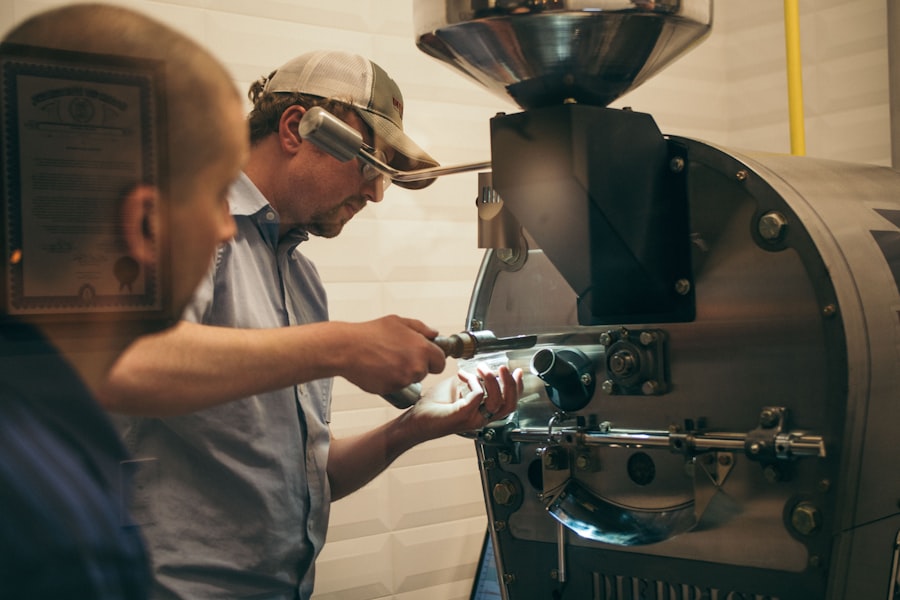
The choice of roasting equipment is paramount for achieving consistent results in coffee roasting. There are various types of roasters available on the market, each with its own advantages and disadvantages. Drum roasters are popular among commercial roasters due to their ability to produce even heat distribution and develop complex flavors through longer roasting times.
These machines typically have a rotating drum that allows for uniform exposure to heat while minimizing the risk of burning. On the other hand, air roasters utilize hot air to roast the beans, which can lead to quicker roasting times and lighter flavor profiles. These machines are often favored by home roasters or smaller operations looking for a more hands-on approach.
When selecting roasting equipment, it’s essential to consider factors such as batch size, energy efficiency, and ease of use. Additionally, investing in a quality roaster with precise temperature control can significantly enhance the ability to replicate desired roasting profiles consistently.
Mastering Roasting Profiles
| Roasting Stage | Temperature Range (°C) | Duration (minutes) | Key Characteristics | Impact on Flavor |
|---|---|---|---|---|
| Drying Phase | 100 – 160 | 4 – 8 | Beans lose moisture, turn yellow | Develops initial sweetness and aroma |
| Maillard Reaction | 160 – 200 | 4 – 6 | Beans brown, complex sugars form | Creates body, color, and flavor complexity |
| First Crack | 196 – 205 | 1 – 2 | Beans crack audibly, expansion occurs | Marks light to medium roast, bright acidity |
| Development | 205 – 220 | 1 – 4 | Flavor development, oils begin to surface | Balances acidity and sweetness, deepens flavor |
| Second Crack | 224 – 230 | 0.5 – 1.5 | Second audible crack, oils more visible | Dark roast, smoky, bitter notes increase |
Roasting profiles are essential for defining the flavor characteristics of coffee beans and ensuring consistency across batches. A roasting profile outlines the specific temperature and time parameters used during the roasting process. Mastering these profiles requires a deep understanding of how different variables affect flavor development.
For instance, a light roast profile may involve a shorter roasting time with lower temperatures to preserve acidity and fruity notes, while a dark roast profile will require higher temperatures and longer durations to develop deeper flavors. Roasters often experiment with various profiles to find the perfect balance that highlights the unique attributes of their chosen beans. This experimentation can involve adjusting variables such as airflow, drum speed, and cooling times.
Keeping detailed records of each roast can help roasters refine their techniques over time and replicate successful batches. Additionally, cupping—tasting roasted coffee—plays a crucial role in evaluating different profiles and making necessary adjustments based on sensory feedback.
Safety and Maintenance Tips for Commercial Roasters
Operating commercial coffee roasters comes with inherent safety risks that must be managed effectively. High temperatures during roasting can pose fire hazards if not monitored closely. It is essential for roasters to have proper ventilation systems in place to dissipate heat and smoke generated during the process.
Regularly checking and maintaining these systems can prevent dangerous buildup of flammable materials. In addition to fire safety, routine maintenance of roasting equipment is crucial for ensuring optimal performance and longevity. This includes cleaning the roaster regularly to remove chaff buildup and oil residue that can affect flavor quality and machine efficiency.
Many manufacturers provide guidelines for maintenance schedules that should be adhered to diligently. Furthermore, training staff on safe operating procedures and emergency protocols can help create a safer working environment.
Developing a Signature Roast
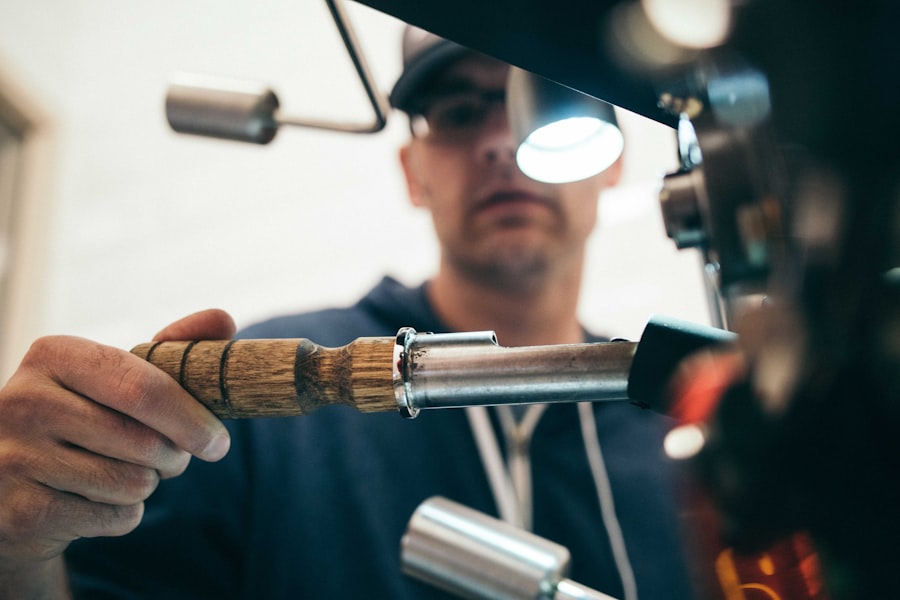
Creating a signature roast is an exciting endeavor for any coffee roaster looking to establish their brand identity in a competitive market. A signature roast should reflect not only the unique characteristics of the chosen beans but also the roaster’s personal style and philosophy towards coffee. This process often begins with extensive experimentation with different bean origins, roast levels, and profiles until a distinct flavor emerges that resonates with both the roaster’s vision and consumer preferences.
Once a signature roast is developed, it becomes essential to communicate its story effectively to customers. This includes detailing the origin of the beans, the roasting process used, and any unique flavor notes that set it apart from other offerings. Engaging customers through tastings or educational events can also help build a loyal following around a signature roast.
Ultimately, this personal touch can create an emotional connection between consumers and the brand.
Packaging and Storing Roasted Coffee Beans
Proper packaging and storage of roasted coffee beans are critical for preserving freshness and flavor over time. After roasting, coffee beans begin to degas as carbon dioxide escapes from their structure; this process can last several days post-roast. Packaging options such as one-way valve bags allow gases to escape while preventing oxygen from entering, which helps maintain freshness longer than traditional packaging methods.
Storage conditions also play a significant role in preserving roasted coffee quality. Ideally, roasted beans should be kept in a cool, dark place away from direct sunlight and moisture. Airtight containers can help protect against oxidation but should not be used immediately after roasting due to degassing needs.
Educating customers on proper storage techniques can enhance their experience with your product by ensuring they enjoy it at its best.
Marketing and Selling Your Roasted Coffee
Marketing roasted coffee effectively requires a multifaceted approach that resonates with target consumers while highlighting unique selling points. Branding plays an essential role in this process; creating an appealing logo and packaging design can attract attention on store shelves or online platforms. Additionally, storytelling is a powerful tool in marketing—sharing the journey of your coffee from bean selection through roasting can engage customers on an emotional level.
Utilizing social media platforms allows roasters to connect directly with consumers, share brewing tips, promote new products, or announce special events like tastings or workshops. Collaborating with local cafes or retailers can also expand reach while building community relationships. Offering subscription services or loyalty programs can encourage repeat purchases by providing convenience and value to customers who appreciate high-quality roasted coffee.
In conclusion, navigating the world of coffee roasting involves understanding intricate processes from bean selection to marketing strategies. Each step contributes significantly to creating a product that not only satisfies consumer tastes but also reflects the passion and expertise of the roaster behind it.