
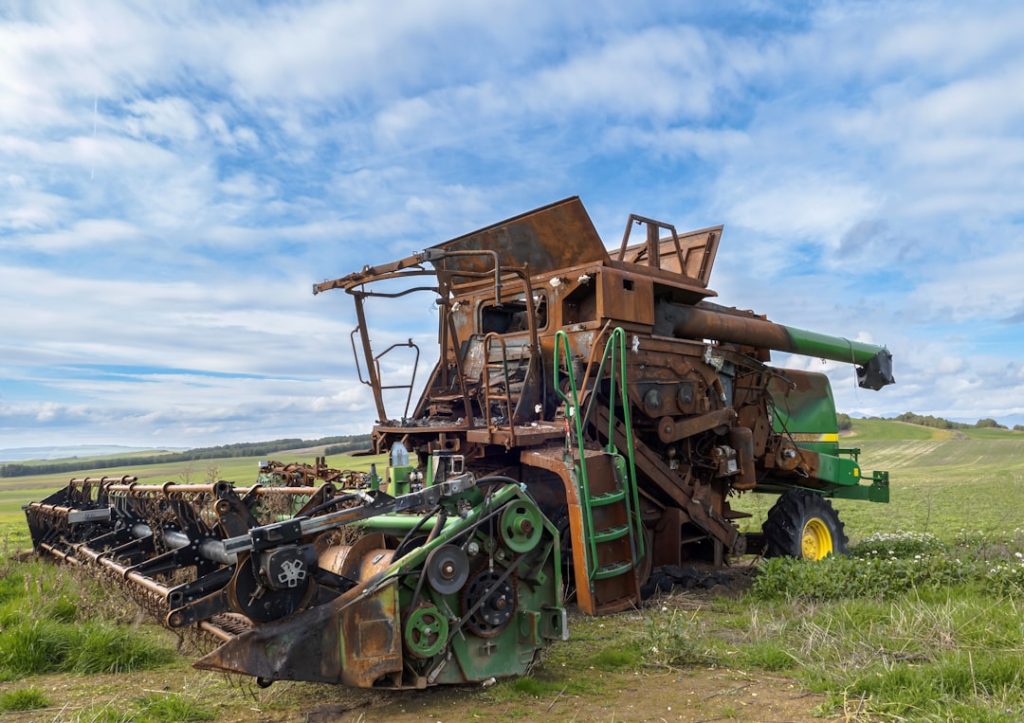
The auction process is a dynamic and often exhilarating method of buying and selling goods, particularly in the realm of farm machinery. At its core, an auction is a public sale in which goods or property are sold to the highest bidder. This process can take various forms, including live auctions, online auctions, and sealed bids.
Each format has its own set of rules and procedures, but the fundamental principle remains the same: competitive bidding drives the price upward until no further bids are made. Understanding this process is crucial for both buyers and sellers, as it can significantly impact the final sale price and the overall experience. In a typical auction setting, participants gather to place bids on items of interest.

The auctioneer plays a pivotal role, acting as the facilitator who encourages bidding and maintains the flow of the event. They often employ various techniques to stimulate interest and competition among bidders, such as highlighting unique features of the machinery or creating a sense of urgency. For those new to auctions, it is essential to familiarize oneself with the auctioneer’s style and the specific rules governing the event.
This knowledge can provide a strategic advantage, allowing bidders to time their offers effectively and make informed decisions throughout the process.
Key Takeaways
- Understand the auction process to navigate bidding effectively.
- Prepare and inspect farm machinery thoroughly before the auction.
- Research market values to set realistic expectations and budgets.
- Attend the auction well-informed and ready to bid strategically.
- Consider post-auction steps like payment, transport, and equipment inspection.

Preparing Farm Machinery for Auction
Preparing farm machinery for auction involves several critical steps that can significantly influence the sale outcome. First and foremost, sellers should ensure that their equipment is in optimal working condition. This may involve conducting routine maintenance, addressing any mechanical issues, and cleaning the machinery thoroughly.
A well-maintained piece of equipment not only attracts more bidders but also commands a higher price. For instance, a tractor that has been regularly serviced and is free of rust or visible wear will likely draw more interest than one that appears neglected. In addition to mechanical readiness, sellers should also consider the presentation of their machinery.
High-quality photographs and detailed descriptions can make a substantial difference in attracting potential buyers. When listing farm equipment for auction, it is beneficial to highlight key specifications such as horsepower, age, hours of use, and any additional features or attachments. Providing potential buyers with comprehensive information allows them to make informed decisions and increases the likelihood of competitive bidding.
Furthermore, sellers should be prepared to answer questions about the equipment’s history and performance during the auction itself.
Researching Market Values
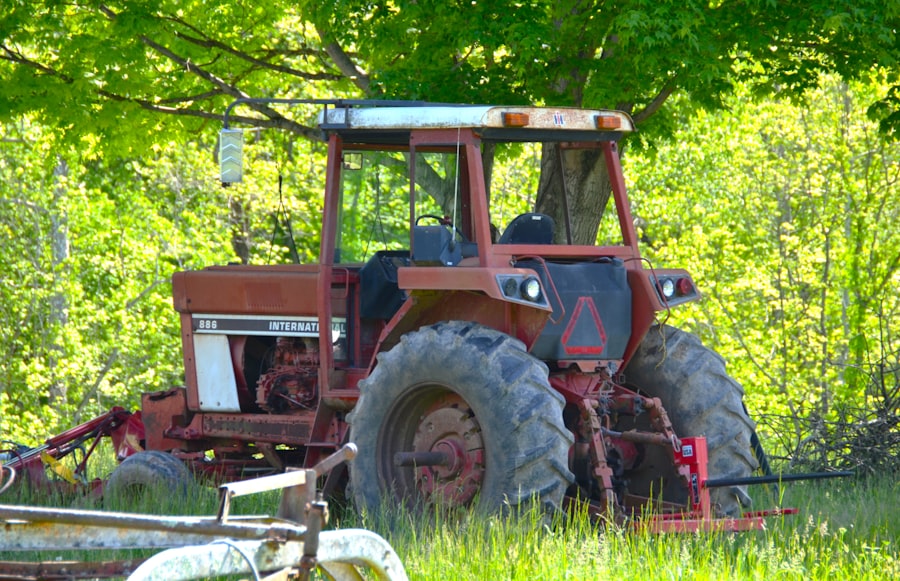
Before entering an auction, it is imperative for buyers to conduct thorough research on market values for the specific types of farm machinery they are interested in acquiring. Understanding current market trends can provide valuable insights into what constitutes a fair price for various pieces of equipment. Resources such as industry publications, online marketplaces, and auction results from previous sales can serve as useful tools in this research process.
By analyzing these data points, buyers can establish a baseline for what they should expect to pay at auction. Additionally, it is important to consider regional variations in market values. The demand for certain types of machinery may fluctuate based on local agricultural practices, crop cycles, and economic conditions.
For example, a particular model of combine harvester may be highly sought after in one region due to its efficiency in local farming conditions while being less desirable in another area where different crops are grown. By taking these factors into account, buyers can better position themselves to make informed bids that reflect true market value.
Setting a Budget
| Category | Monthly Allocation | Percentage of Income | Notes |
|---|---|---|---|
| Housing | 1200 | 30% | Rent or mortgage payments |
| Utilities | 200 | 5% | Electricity, water, internet |
| Food | 400 | 10% | Groceries and dining out |
| Transportation | 300 | 7.5% | Fuel, public transit, maintenance |
| Savings | 600 | 15% | Emergency fund and investments |
| Entertainment | 150 | 3.75% | Movies, hobbies, subscriptions |
| Healthcare | 250 | 6.25% | Insurance and medical expenses |
| Miscellaneous | 200 | 5% | Unexpected expenses |
Setting a budget is a crucial step in the auction process that requires careful consideration and planning. Buyers should begin by determining their maximum spending limit based on their financial situation and the research conducted on market values. This budget should encompass not only the purchase price of the machinery but also additional costs such as taxes, fees, transportation, and potential repairs or modifications needed after acquisition.
By accounting for these factors upfront, buyers can avoid overspending and ensure that they remain within their financial means. Moreover, it is wise to establish a bidding strategy that aligns with the budget. This may involve setting incremental bid limits or deciding in advance how much one is willing to increase their bid in response to competing offers.
Having a clear plan helps maintain discipline during the auction and prevents impulsive decisions driven by excitement or competition. For instance, if a buyer has set a budget of $30,000 for a tractor but finds themselves caught up in a bidding war, they may inadvertently exceed their limit without realizing it. A well-defined budget serves as a safeguard against such scenarios.
Evaluating Auction Listings
Evaluating auction listings is an essential part of preparing for an auction event. Buyers should carefully review all available listings to identify machinery that meets their needs and preferences. This evaluation process involves scrutinizing not only the specifications and condition of each item but also any accompanying documentation such as maintenance records or warranties.
A thorough examination can reveal valuable insights into the reliability and history of the equipment being considered. In addition to assessing individual listings, buyers should also compare similar items across different auctions or platforms. This comparative analysis can help identify trends in pricing and availability while providing context for making informed bidding decisions.
For example, if two similar tractors are listed at different prices in separate auctions, understanding why one may be priced higher—such as additional features or better maintenance history—can inform a buyer’s strategy when placing bids. Ultimately, diligent evaluation of auction listings enhances the likelihood of making a successful purchase.
Attending the Auction
Attending an auction is an experience that combines excitement with strategic decision-making. Whether participating in person or online, buyers must be prepared to engage actively with the bidding process. For those attending live auctions, arriving early can provide an opportunity to inspect the machinery firsthand and ask questions of the auctioneer or seller.
This direct interaction can yield valuable insights that may not be available through online listings alone. During the auction itself, maintaining focus is crucial amidst the fast-paced environment. Buyers should keep track of their desired items while also being aware of competing bids.
It is essential to remain composed and avoid getting swept up in the competitive atmosphere; emotional bidding can lead to overspending or regrettable purchases. Instead, buyers should stick to their predetermined budget and bidding strategy while remaining flexible enough to adapt if unexpected opportunities arise.
Bidding and Negotiating
Bidding at an auction requires both confidence and strategy. As bids are placed, participants must gauge not only their own willingness to pay but also the intentions of other bidders. A common tactic is to observe competitors’ behavior; some bidders may signal their interest through body language or by placing incremental bids that indicate their level of commitment.
Understanding these cues can provide insights into when to enter or raise bids effectively. Negotiation skills also play a role in successful bidding at auctions. While traditional negotiations may not occur in real-time during an auction setting, bidders can still employ strategies that reflect negotiation principles.
For instance, placing an initial bid that is slightly below market value can test competitors’ resolve while signaling confidence in one’s own valuation of the item. Additionally, being prepared to walk away if bidding exceeds one’s budget demonstrates strength and discipline—qualities that can sometimes lead other bidders to reconsider their offers.
Post-Auction Considerations
After the auction concludes, several important considerations come into play for both buyers and sellers. For buyers, it is essential to finalize payment arrangements promptly and ensure that all necessary paperwork is completed accurately. This includes transferring ownership titles and registering equipment with relevant authorities if required.
Additionally, buyers should arrange for transportation of their newly acquired machinery as soon as possible to avoid any potential complications. For sellers, reflecting on the auction experience can provide valuable lessons for future sales endeavors. Analyzing how well items performed compared to expectations can inform future pricing strategies and preparation efforts.
Furthermore, maintaining communication with buyers post-auction can foster positive relationships that may lead to repeat business or referrals down the line. Whether buying or selling farm machinery at auction, understanding these post-auction considerations is vital for maximizing success in future transactions.