
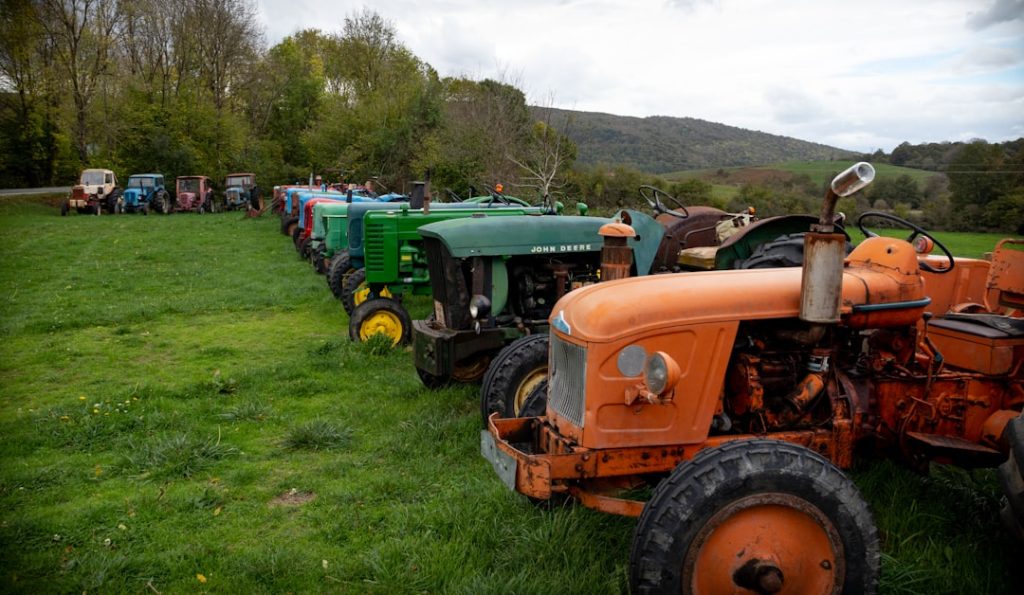
Purchasing farm equipment at local auctions presents a myriad of advantages for farmers and agricultural enthusiasts alike. One of the most significant benefits is the potential for substantial cost savings. Auctions often feature equipment that is sold at a fraction of its retail price, allowing buyers to acquire high-quality machinery without the hefty price tag associated with new models.
This is particularly beneficial for small-scale farmers or those just starting, as it enables them to invest in essential tools without straining their budgets. Additionally, local auctions often include a diverse range of equipment, from tractors and plows to specialized tools, providing buyers with a unique opportunity to find exactly what they need. Another compelling reason to consider local auctions is the sense of community they foster.

Attending an auction not only allows buyers to purchase equipment but also connects them with fellow farmers and agricultural professionals in their area. This networking opportunity can lead to valuable relationships, collaborations, and even mentorships that can enhance one’s farming practices. Furthermore, local auctions often feature equipment that has been well-maintained by previous owners who are familiar with the specific needs of the region, ensuring that buyers are getting machinery suited for local conditions.
This localized knowledge can be invaluable, as it helps ensure that the equipment will perform optimally in the buyer’s own farming environment.
Key Takeaways
- Local auctions offer cost-effective opportunities to purchase farm equipment and support the community.
- Finding auctions involves checking local listings, agricultural groups, and online platforms.
- Research, set budgets, and attend previews to secure the best deals at auctions.
- A wide range of machinery, from tractors to harvesters, is typically available at local auctions.
- Understanding bidding strategies and thorough equipment inspection are crucial for successful purchases.

How to Find Local Farm Equipment Auctions
Finding local farm equipment auctions can be a straightforward process if one knows where to look. A good starting point is to check local newspapers and agricultural publications, which often advertise upcoming auctions. Many auctioneers also maintain websites or social media pages where they post information about their events, including dates, locations, and the types of equipment available.
Additionally, community bulletin boards at agricultural supply stores or co-ops can be excellent resources for discovering auction announcements. Another effective method for locating auctions is to engage with local farming organizations or cooperatives. These groups often have insider knowledge about upcoming events and can provide recommendations on reputable auctioneers.
Networking with other farmers can also yield valuable information; word-of-mouth is a powerful tool in the agricultural community. Attending local agricultural fairs or trade shows can further enhance one’s awareness of auction opportunities, as these events often feature booths or presentations from auctioneers showcasing their services.
Tips for Getting the Best Deals at Auctions
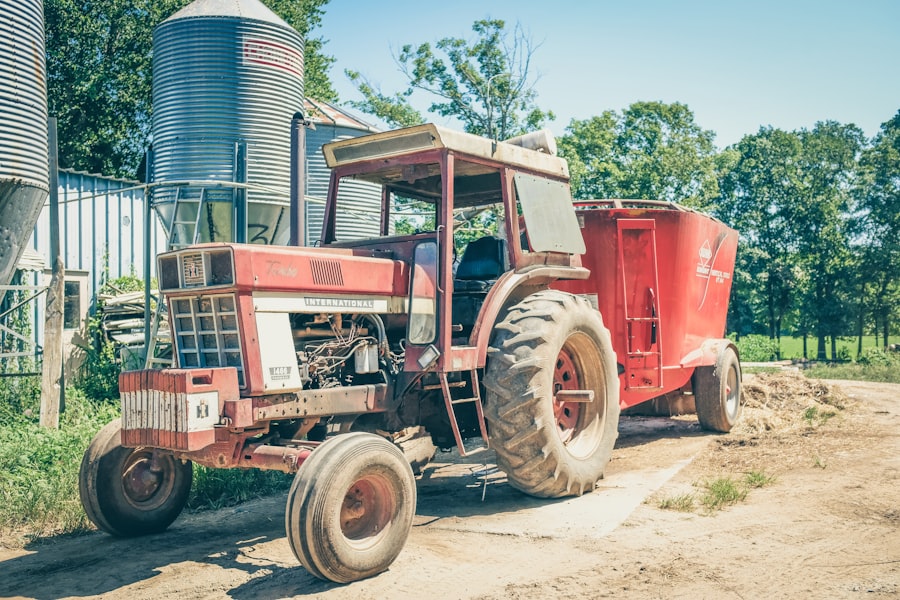
To secure the best deals at farm equipment auctions, preparation is key. Before attending an auction, it is crucial to conduct thorough research on the types of equipment you are interested in and their market values. Familiarizing yourself with current prices can help you identify a good deal when you see one.
Additionally, it is wise to set a budget beforehand and stick to it; auctions can be competitive environments where emotions may run high, leading bidders to exceed their financial limits. Arriving early to an auction can also provide a strategic advantage. This allows potential buyers to inspect the equipment before bidding begins and gives them time to assess its condition and functionality.
Engaging with the auctioneer or staff can provide insights into the history of the equipment and any known issues. Furthermore, observing how other bidders behave can help you gauge the competition and adjust your bidding strategy accordingly. Patience is essential; sometimes waiting for the right moment to bid can lead to significant savings.
The Types of Machinery Available at Local Auctions
| Type of Machinery | Common Uses | Average Age (Years) | Condition | Typical Auction Price Range | Availability |
|---|---|---|---|---|---|
| Tractors | Farming, Tilling, Hauling | 5-15 | Good to Fair | 5,000 – 30,000 | High |
| Excavators | Digging, Demolition, Construction | 3-10 | Good to Excellent | 15,000 – 70,000 | Medium |
| Bulldozers | Land Clearing, Grading | 7-20 | Fair to Good | 10,000 – 50,000 | Low to Medium |
| Forklifts | Material Handling, Warehousing | 2-8 | Good to Excellent | 3,000 – 15,000 | High |
| Backhoes | Digging, Excavation, Landscaping | 4-12 | Good | 8,000 – 40,000 | Medium |
| Skid Steer Loaders | Construction, Landscaping, Snow Removal | 3-10 | Good to Excellent | 7,000 – 25,000 | High |
| Combine Harvesters | Crop Harvesting | 5-15 | Fair to Good | 20,000 – 80,000 | Low |
Local farm equipment auctions typically offer a wide variety of machinery catering to different agricultural needs. Tractors are among the most sought-after items, with options ranging from compact models suitable for small farms to larger, more powerful machines designed for extensive operations. Additionally, auctions often feature implements such as plows, harrows, and seeders that are essential for soil preparation and planting.
Beyond traditional farming equipment, auctions may also include specialized machinery tailored for specific agricultural practices. For instance, buyers might find equipment designed for organic farming, such as no-till planters or cover crop seeders. Livestock handling equipment, including feeders, waterers, and fencing materials, may also be available, catering to farmers who raise animals alongside crops.
The diversity of machinery at these auctions means that buyers can often find exactly what they need in one location, making it a convenient option for enhancing their farming operations.
Understanding the Auction Process and Bidding Strategies
Understanding the auction process is crucial for anyone looking to participate effectively. Auctions typically begin with an introduction from the auctioneer, who outlines the rules and procedures for bidding. Each item is presented individually, with a brief description of its features and condition before bidding commences.
Bidders raise their paddles or signal their bids verbally until the auctioneer declares a final price. It’s important to pay attention during this process; knowing when to bid and when to hold back can significantly impact your success. Bidding strategies can vary widely depending on the auction environment and competition level.
One common approach is the “incremental bid,” where bidders gradually increase their offers in small amounts until they reach their limit. Alternatively, some bidders may employ a more aggressive strategy by placing a high initial bid to intimidate competitors and discourage them from continuing to bid. However, this tactic requires confidence in one’s budget and knowledge of the item’s value.
Regardless of the strategy employed, maintaining composure and being aware of one’s financial limits is essential for successful bidding.
What to Look for When Inspecting Machinery at Auctions
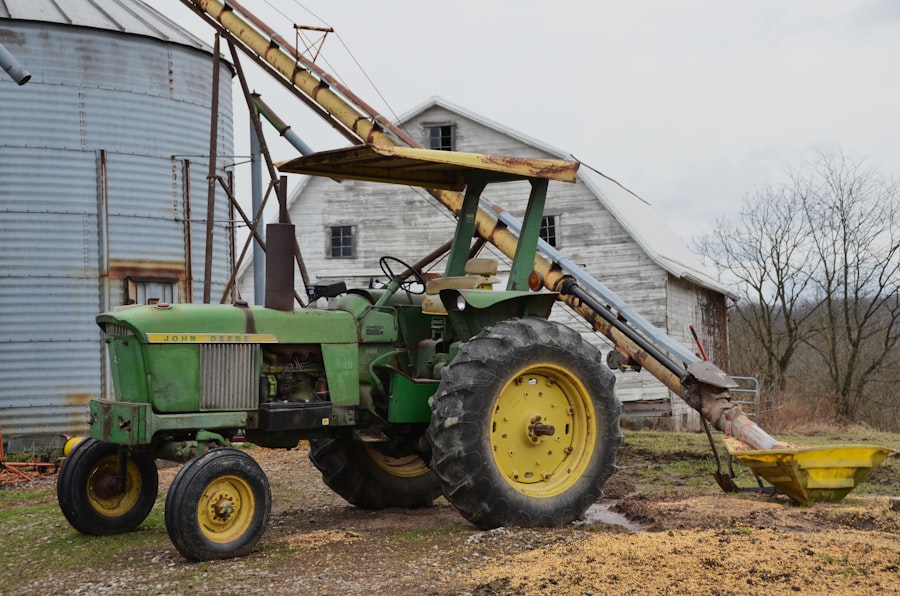
When inspecting machinery at an auction, several key factors should be considered to ensure a wise purchase. First and foremost is the overall condition of the equipment; potential buyers should look for signs of wear and tear, rust, or damage that could affect functionality. Checking fluid levels—such as oil and hydraulic fluid—can provide insights into how well the machine has been maintained over time.
Additionally, examining tires for tread wear or checking belts and hoses for cracks can reveal important information about the machine’s operational status. Another critical aspect of inspection involves assessing the machinery’s operational history. If possible, inquire about how frequently the equipment was used and whether it has undergone any repairs or modifications.
Understanding its maintenance history can help gauge its reliability and longevity. If available, reviewing service records or manuals can also provide valuable insights into the machine’s upkeep. Engaging with previous owners or operators can yield firsthand accounts of performance issues or advantages that may not be immediately apparent during a visual inspection.
How to Prepare for and Participate in a Farm Equipment Auction
Preparation for a farm equipment auction involves several steps that can enhance your chances of success on auction day. First, create a list of desired items along with their estimated values based on market research. This list will serve as a guide during bidding and help you stay focused on your priorities.
Additionally, consider attending a few auctions prior to participating as a bidder; this will familiarize you with the process and help you understand how different auctioneers operate. On auction day, arrive early to allow ample time for inspection and networking with other attendees. Bring necessary materials such as a notepad for taking notes on items of interest and a calculator for quick price comparisons during bidding.
It’s also advisable to have financing options lined up in advance if you plan on making significant purchases; knowing your payment methods will streamline the process once you win an item. During bidding, remain calm and collected; if you find yourself in a competitive bidding situation, remember your budget and stick to it.
The Importance of Supporting Local Agriculture through Auctions
Supporting local agriculture through auctions extends beyond individual purchases; it plays a vital role in sustaining rural economies and fostering community resilience. By participating in local auctions, buyers contribute directly to the livelihoods of farmers who may be selling surplus equipment or transitioning out of farming altogether. This circulation of resources helps keep money within the community and strengthens local agricultural networks.
Moreover, local auctions often serve as platforms for promoting sustainable practices within agriculture. By purchasing used equipment rather than new models, buyers reduce waste and contribute to environmental sustainability efforts by extending the lifecycle of machinery. This practice aligns with broader trends toward sustainable agriculture that prioritize resource conservation and responsible land management.
Ultimately, engaging in local auctions not only benefits individual farmers but also supports a thriving agricultural ecosystem that benefits everyone in the community.