
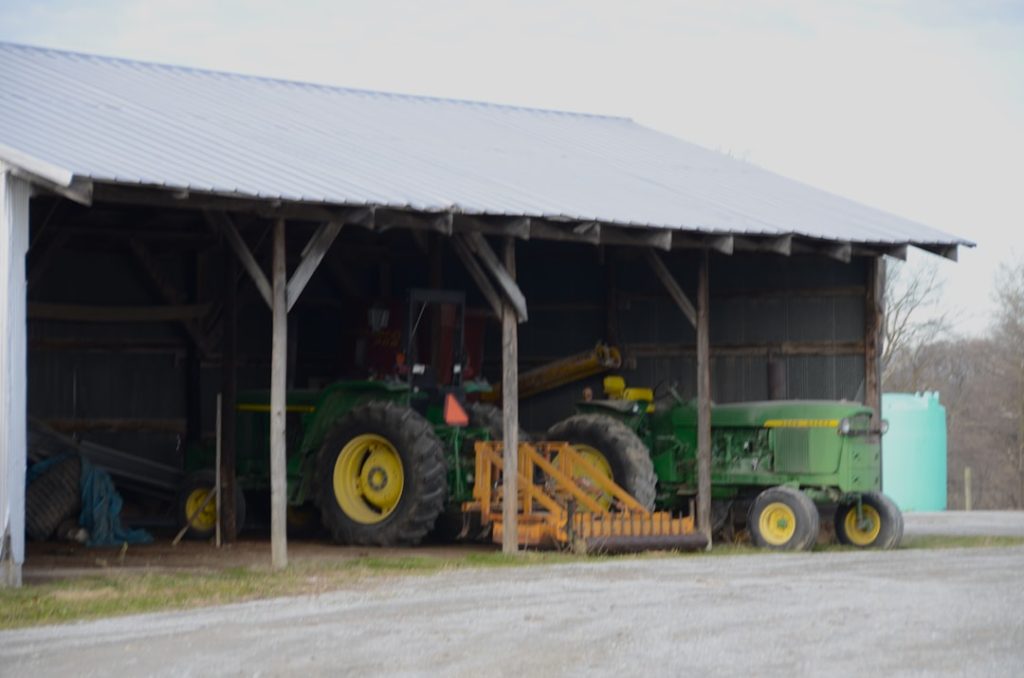
Live farm equipment auctions present a unique opportunity for farmers and agricultural enthusiasts to acquire machinery at competitive prices. One of the most significant advantages of participating in these auctions is the potential for substantial savings. Unlike traditional retail outlets where prices are often marked up, auctions allow buyers to set their own limits, creating an environment where equipment can be purchased for much less than its market value.
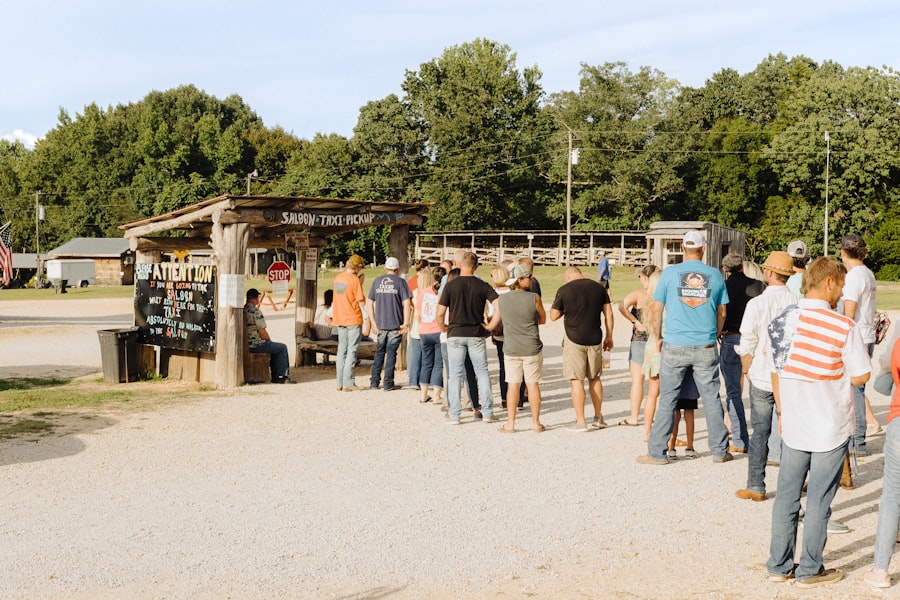
This is particularly beneficial for small-scale farmers or those just starting, as it enables them to invest in essential machinery without incurring crippling debt. Moreover, live auctions foster a sense of community among participants. Farmers and equipment dealers gather in one location, creating an atmosphere of camaraderie and shared interest.

This social aspect can lead to valuable networking opportunities, allowing attendees to connect with other farmers, equipment experts, and even potential business partners. Additionally, the live auction format provides an engaging experience, as bidders can witness the excitement of the bidding process firsthand, often leading to a more memorable and enjoyable purchasing experience.
Key Takeaways
- Live farm equipment auctions offer competitive pricing and access to diverse machinery.
- Preparing thoroughly and understanding the auction process increases chances of success.
- Inspecting equipment before bidding is crucial to avoid costly mistakes.
- Financing options are available to help manage auction purchases effectively.
- Local auctions provide opportunities to find quality farm equipment close to your area.
How to Prepare for a Live Farm Equipment Auction

Preparation is key to making the most of a live farm equipment auction. Before attending, it is crucial to conduct thorough research on the types of equipment that will be available and their current market values. This involves not only understanding the specific machinery you are interested in but also familiarizing yourself with the auctioneer’s reputation and the auction house’s policies.
Many auction houses provide catalogs or online listings of the equipment that will be sold, which can serve as a valuable resource for prospective buyers. In addition to research, creating a budget is essential. Determine how much you are willing to spend on each piece of equipment and stick to that limit during the auction.
It is also wise to account for additional costs such as buyer’s premiums, transportation fees, and potential repairs or maintenance that may be needed after purchase. By establishing a clear financial plan, bidders can avoid impulsive decisions that could lead to overspending or regrettable purchases.
Understanding the Auction Process
The auction process itself can be both exhilarating and intimidating for newcomers. Typically, the event begins with registration, where bidders receive a paddle or number that identifies them during the bidding process. Once registered, participants can inspect the equipment before the auction starts, allowing them to assess condition and functionality.
Understanding how to evaluate machinery is crucial; bidders should look for signs of wear and tear, check fluid levels, and inquire about maintenance history. As the auction commences, the auctioneer will introduce each item, often providing a brief description and highlighting key features. Bidders then raise their paddles to place bids, with the auctioneer calling out prices in rapid succession.
It is important for bidders to remain focused and attentive during this phase, as it can be easy to get caught up in the excitement and lose track of their budget. The auctioneer will continue to increase the price until no further bids are placed, at which point the item is sold to the highest bidder. Understanding this rhythm and flow can help bidders navigate the process more effectively.
Tips for Finding Quality Machinery Deals
| Tip | Description | Key Metric | Benefit |
|---|---|---|---|
| Research Market Prices | Compare prices across multiple sellers to identify fair market value. | Price Variance (%) | Ensures you pay a competitive price |
| Inspect Equipment Condition | Check for wear, maintenance history, and operational status. | Average Equipment Age (years) | Reduces risk of costly repairs |
| Verify Seller Reputation | Review seller ratings and customer feedback. | Seller Rating (out of 5) | Increases trust and reliability |
| Consider Total Cost of Ownership | Account for maintenance, fuel, and parts costs over time. | Estimated Annual Operating Cost | Helps budget for long-term expenses |
| Negotiate Terms | Discuss payment plans, warranties, and return policies. | Warranty Period (months) | Provides financial protection and flexibility |
Finding quality machinery deals at live farm equipment auctions requires a combination of strategy and diligence. One effective approach is to attend multiple auctions over time to gain insight into pricing trends and identify reputable sellers. By observing how different auctioneers conduct their sales and how various types of equipment are valued, bidders can develop a keen sense of what constitutes a good deal.
Additionally, building relationships with other farmers and auction staff can provide valuable tips on upcoming sales or hidden gems within the auction inventory. Another strategy involves focusing on less popular brands or older models that may not attract as much attention from other bidders. While these pieces of equipment may not have the latest features, they can often be just as reliable and functional as newer models at a fraction of the cost.
Furthermore, being patient and waiting for the right moment to bid—such as when fewer bidders are actively competing—can lead to significant savings. Timing your bids strategically can make all the difference in securing quality machinery at an affordable price.
The Importance of Inspecting Equipment Before Bidding
Inspecting equipment before placing a bid is one of the most critical steps in the auction process. A thorough inspection allows potential buyers to assess the condition of machinery firsthand and identify any potential issues that could affect performance or longevity. Key areas to focus on include engine condition, hydraulic systems, tires, and overall structural integrity.
Bringing along a checklist can help ensure that no important details are overlooked during this evaluation. Additionally, it is advisable to ask questions about the equipment’s history and maintenance records. Inquire about previous ownership, any repairs that have been made, and how frequently the machinery was used.
This information can provide valuable context regarding the equipment’s reliability and potential future performance. If possible, seeking out expert opinions from knowledgeable friends or mechanics can further enhance your understanding of what to look for during inspections.
Financing Options for Auction Purchases
Financing options for auction purchases can vary widely depending on individual circumstances and the specific auction house involved. Many buyers may opt for traditional bank loans or credit unions that offer agricultural financing tailored to farmers’ needs. These loans often come with favorable interest rates and repayment terms designed to accommodate seasonal income fluctuations common in agriculture.
Another option is to explore financing directly through the auction house or associated lenders who specialize in agricultural equipment financing. Some auction companies partner with financial institutions to provide on-site financing options during the event itself, allowing buyers to secure funding quickly if they win an item. It is essential for bidders to understand their financing options ahead of time so they can act swiftly when they find a piece of equipment they wish to purchase.
Exploring Different Types of Farm Equipment Available at Auctions
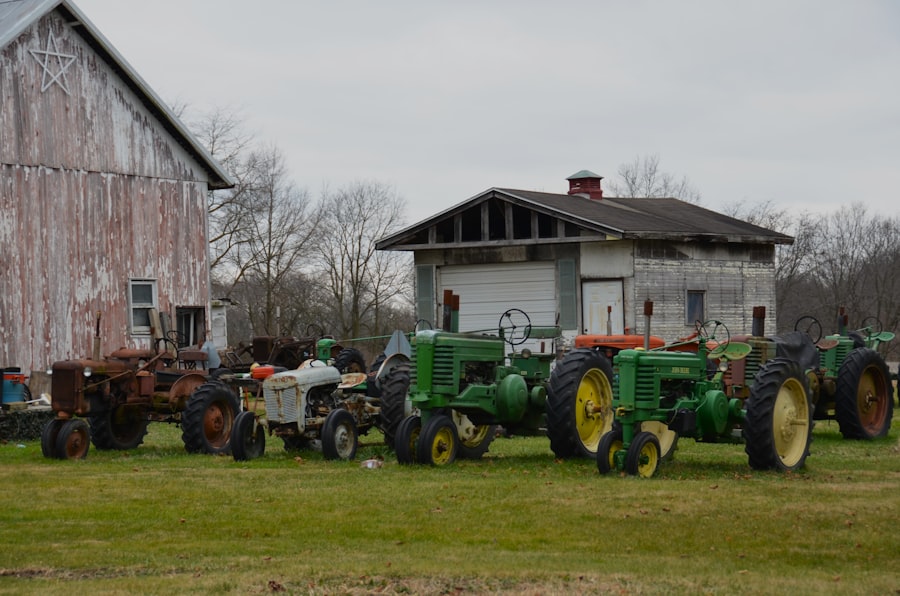
Live farm equipment auctions typically feature a diverse array of machinery catering to various agricultural needs. Tractors are among the most sought-after items, with models ranging from compact utility tractors suitable for small farms to larger models designed for extensive operations. Additionally, implements such as plows, seeders, and harvesters are frequently available, allowing farmers to equip their operations comprehensively.
Beyond traditional farming equipment, auctions may also include specialized machinery such as irrigation systems, tillage tools, and even livestock handling equipment. This variety means that farmers can often find everything they need in one location, streamlining their purchasing process. Furthermore, attending auctions can expose buyers to innovative technologies or brands they may not have considered previously, broadening their options for enhancing productivity on their farms.
Finding Live Farm Equipment Auctions Near You
Locating live farm equipment auctions in your area can be accomplished through several avenues. Many agricultural publications and websites maintain calendars of upcoming auctions, providing details about dates, locations, and featured equipment. Local agricultural extension offices or farming cooperatives may also have information on regional auctions or events where farmers gather.
Social media platforms have become increasingly popular for promoting auctions as well; many auctioneers use Facebook or Instagram to advertise their events and showcase available machinery. Joining local farming groups online can also yield valuable insights into upcoming auctions or recommendations from fellow farmers about reputable auction houses. By leveraging these resources, prospective buyers can stay informed about live farm equipment auctions near them and seize opportunities as they arise.