

The construction machinery industry is a cornerstone of modern infrastructure development, playing a pivotal role in shaping the built environment. Among the myriad of companies that populate this sector, leading construction machine manufacturers stand out due to their commitment to innovation, quality, and efficiency. These manufacturers not only produce heavy equipment such as excavators, bulldozers, and cranes but also set the standards for safety and performance that others strive to meet.
Their influence extends beyond mere production; they are at the forefront of technological advancements that drive the industry forward. One such leading manufacturer is Caterpillar Inc., renowned for its extensive range of construction and mining equipment. Founded in 1925, Caterpillar has established itself as a global leader by continuously evolving its product offerings to meet the changing demands of the construction sector.
The company’s focus on research and development has enabled it to introduce groundbreaking technologies that enhance productivity and reduce environmental impact. As the construction landscape evolves, these manufacturers are not just participants; they are key players shaping the future of construction through their innovative approaches and strategic initiatives.
Key Takeaways
- Leading manufacturers drive innovation and set industry standards in construction machinery.
- Emerging technologies focus on automation, efficiency, and enhanced machine capabilities.
- Sustainable manufacturing practices are increasingly integrated to reduce environmental impact.
- Digitalization transforms machinery operation, maintenance, and data management.
- Future developments aim to address industry challenges and promote smarter, eco-friendly equipment.
Latest Innovations in Construction Machinery
The construction machinery sector is witnessing a wave of innovations that are transforming how projects are executed. One of the most significant advancements is the integration of automation and robotics into construction equipment. For instance, autonomous excavators and bulldozers are now capable of performing tasks with minimal human intervention, significantly increasing efficiency and safety on job sites.
Companies like Komatsu have developed intelligent machine control systems that allow operators to automate grading and excavation processes, reducing the time required for these tasks while enhancing precision. Another notable innovation is the incorporation of telematics into construction machinery. Telematics systems enable real-time monitoring of equipment performance, location, and maintenance needs.
This data-driven approach allows operators to optimize machine usage, reduce downtime, and improve overall fleet management. For example, John Deere’s JDLink telematics system provides users with insights into fuel consumption, machine health, and operational efficiency, empowering them to make informed decisions that enhance productivity and reduce costs.
Trends in Construction Machinery Technology
As the construction industry continues to evolve, several key trends are emerging in construction machinery technology. One prominent trend is the shift towards electric and hybrid machinery. With growing concerns about environmental sustainability and regulatory pressures to reduce emissions, manufacturers are investing heavily in developing electric-powered equipment.
Companies like Volvo Construction Equipment have introduced electric versions of their popular models, such as the EC18 Electric excavator, which offers zero emissions and reduced noise levels, making it ideal for urban construction sites. Additionally, the use of augmented reality (AR) and virtual reality (VR) in construction machinery is gaining traction. These technologies provide operators with immersive training experiences and real-time data visualization, enhancing their ability to operate complex machinery safely and efficiently.
For instance, some manufacturers are utilizing AR to overlay digital information onto physical environments, allowing operators to visualize project plans directly on-site. This trend not only improves training outcomes but also enhances collaboration among project stakeholders by providing a shared understanding of project goals.
Sustainable Practices in Construction Machinery Manufacturing
| Metric | Description | Example Value | Unit |
|---|---|---|---|
| Energy Consumption Reduction | Percentage decrease in energy used per unit of machinery produced | 25 | % |
| Use of Recycled Materials | Proportion of recycled materials used in manufacturing | 40 | % |
| Water Usage Efficiency | Reduction in water consumption per unit of production | 30 | % |
| Carbon Emissions Reduction | Decrease in CO2 emissions per machinery unit produced | 20 | % |
| Waste Recycling Rate | Percentage of manufacturing waste recycled or reused | 85 | % |
| Use of Renewable Energy | Share of renewable energy in total energy consumption | 50 | % |
| Eco-friendly Coatings Usage | Percentage of machinery using low-VOC or water-based coatings | 70 | % |
| Lifecycle Assessment Implementation | Share of products undergoing full lifecycle environmental impact assessment | 60 | % |
Sustainability has become a critical focus for leading construction machine manufacturers as they seek to minimize their environmental footprint. Many companies are adopting sustainable practices throughout their manufacturing processes, from sourcing raw materials to production methods. For example, Caterpillar has implemented a comprehensive sustainability strategy that includes reducing greenhouse gas emissions in its manufacturing facilities by utilizing renewable energy sources and optimizing energy efficiency.
Moreover, manufacturers are increasingly designing equipment with sustainability in mind. This includes creating machines that consume less fuel and produce fewer emissions during operation. The introduction of biofuels and alternative energy sources is also gaining momentum within the industry.
By developing machinery that can operate on renewable fuels, manufacturers are contributing to a more sustainable future for construction while meeting the demands of environmentally conscious clients.
Impact of Digitalization on Construction Machinery
Digitalization is revolutionizing the construction machinery industry by enabling smarter operations and enhanced connectivity. The advent of the Internet of Things (IoT) has allowed construction equipment to become interconnected, facilitating seamless communication between machines and operators. This connectivity enables predictive maintenance, where data collected from machinery can be analyzed to anticipate failures before they occur, thereby reducing downtime and maintenance costs.
Furthermore, digital platforms are streamlining project management processes by integrating various aspects of construction operations into a single interface. Software solutions that combine project scheduling, resource allocation, and equipment tracking are becoming increasingly popular among contractors. For instance, platforms like Procore provide comprehensive tools for managing construction projects, allowing teams to collaborate more effectively and make data-driven decisions that enhance project outcomes.
Future Prospects and Developments in Construction Machinery
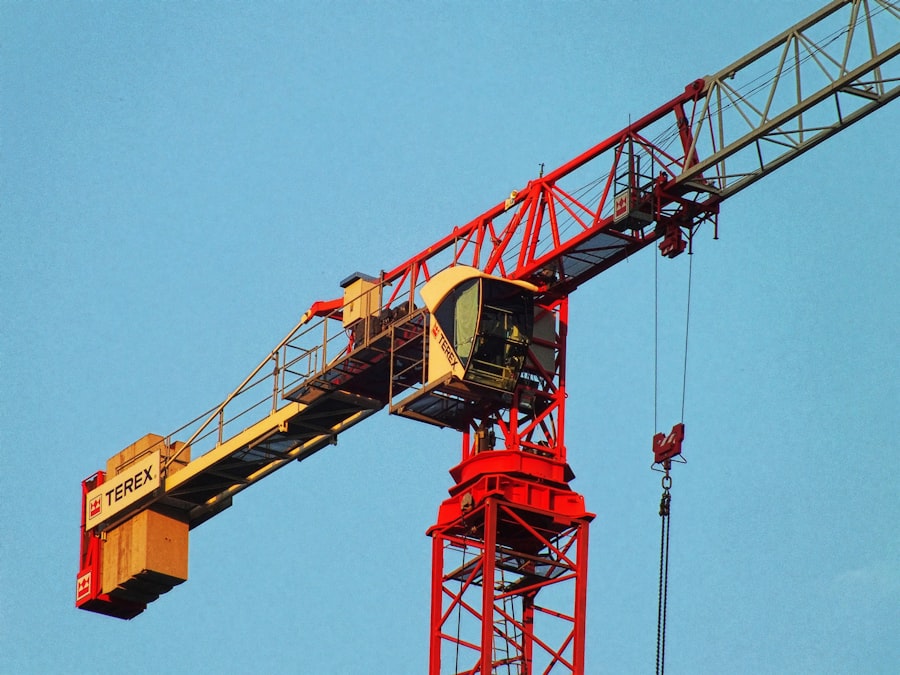
Looking ahead, the future of construction machinery is poised for significant advancements driven by ongoing technological developments. One area of focus is the continued evolution of autonomous machinery. As artificial intelligence (AI) becomes more sophisticated, we can expect to see even greater levels of automation in construction equipment.
This could lead to fully autonomous job sites where machines operate independently, further enhancing efficiency and safety. Additionally, advancements in materials science may lead to the development of lighter yet stronger materials for construction machinery. This could result in equipment that is not only more fuel-efficient but also capable of handling heavier loads without compromising performance.
Manufacturers are already exploring advanced composites and high-strength alloys that could redefine the capabilities of construction machinery.
Challenges in the Construction Machinery Industry
Despite the promising advancements in construction machinery technology, several challenges persist within the industry. One significant hurdle is the skilled labor shortage that many regions are experiencing. As older generations retire, there is a growing gap in skilled operators who can effectively manage advanced machinery.
This shortage can hinder productivity and limit the adoption of new technologies on job sites. Moreover, regulatory compliance poses another challenge for manufacturers as they navigate an increasingly complex landscape of environmental regulations and safety standards. Adapting to these regulations requires continuous investment in research and development to ensure that products meet or exceed compliance requirements while still being economically viable for customers.
The Role of Leading Construction Machine Manufacturer in Shaping the Industry
Leading construction machine manufacturers play a crucial role in shaping the future of the industry through their commitment to innovation, sustainability, and technological advancement. By continuously pushing the boundaries of what is possible in construction machinery, these companies not only enhance operational efficiency but also contribute to a more sustainable built environment. As they navigate challenges such as labor shortages and regulatory compliance, their ability to adapt and innovate will determine their success in an ever-evolving landscape.
The impact of these manufacturers extends beyond their products; they influence industry standards and practices that define how construction projects are executed worldwide. As we look toward the future, it is clear that leading construction machine manufacturers will remain at the forefront of driving change within the industry, ensuring that it meets the demands of a rapidly changing world while fostering growth and sustainability for generations to come.