
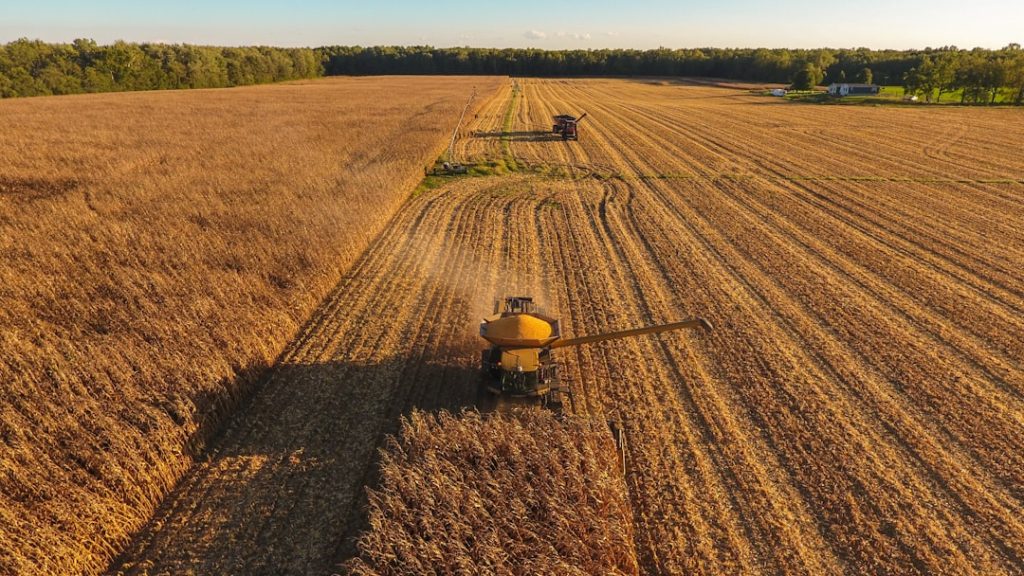
The agriculture and farm machinery market plays a pivotal role in the global economy, serving as the backbone of food production and agricultural efficiency. This sector encompasses a wide range of equipment, from tractors and plows to advanced harvesting machines and irrigation systems. The evolution of this market has been driven by the need for increased productivity, efficiency, and sustainability in farming practices.
As the world’s population continues to grow, the demand for food escalates, necessitating innovations in agricultural practices and machinery. The integration of technology into farming operations has transformed traditional methods, enabling farmers to maximize yields while minimizing labor costs. Historically, agriculture relied heavily on manual labor and rudimentary tools.

However, the advent of mechanization in the late 19th and early 20th centuries marked a significant turning point. Tractors replaced horses, and specialized equipment began to emerge, allowing for more efficient planting, cultivating, and harvesting processes. Today, the agriculture and farm machinery market is characterized by a blend of traditional practices and cutting-edge technology.
This dynamic landscape is influenced by various factors, including economic conditions, environmental concerns, and advancements in engineering and technology. As we delve deeper into this market, it becomes evident that understanding current trends, challenges, and opportunities is essential for stakeholders aiming to navigate this complex industry.
Key Takeaways
- The agriculture and farm machinery market is evolving with increasing demand for efficiency and productivity.
- Technological innovations like automation and precision farming are transforming farm machinery.
- Sustainability is becoming a critical focus, driving the development of eco-friendly agricultural equipment.
- Emerging markets and modernization in farming practices present significant growth opportunities.
- Competitive dynamics are shaped by key global players investing in R&D and expanding their market presence.
Current Trends and Challenges in the Agriculture and Farm Machinery Market
The agriculture and farm machinery market is currently witnessing several notable trends that reflect the changing dynamics of the industry. One prominent trend is the increasing adoption of precision agriculture techniques. Farmers are increasingly utilizing data analytics, GPS technology, and IoT devices to optimize their operations.
This shift towards precision farming allows for more targeted application of resources such as water, fertilizers, and pesticides, ultimately leading to enhanced crop yields and reduced environmental impact. Additionally, the rise of smart farming technologies is reshaping how farmers interact with their machinery, enabling real-time monitoring and control over various agricultural processes. However, alongside these advancements come significant challenges that the industry must address.
One of the most pressing issues is the rising cost of farm machinery, which can be a barrier for smallholder farmers. As manufacturers invest in research and development to create more advanced equipment, the price tags often reflect these innovations. Consequently, many farmers find themselves unable to afford the latest technologies that could enhance their productivity.
Furthermore, supply chain disruptions—exacerbated by global events such as the COVID-19 pandemic—have led to delays in equipment availability and increased costs for essential components. These challenges necessitate a careful balance between innovation and accessibility to ensure that all farmers can benefit from advancements in machinery.
Technological Advancements in Farm Machinery
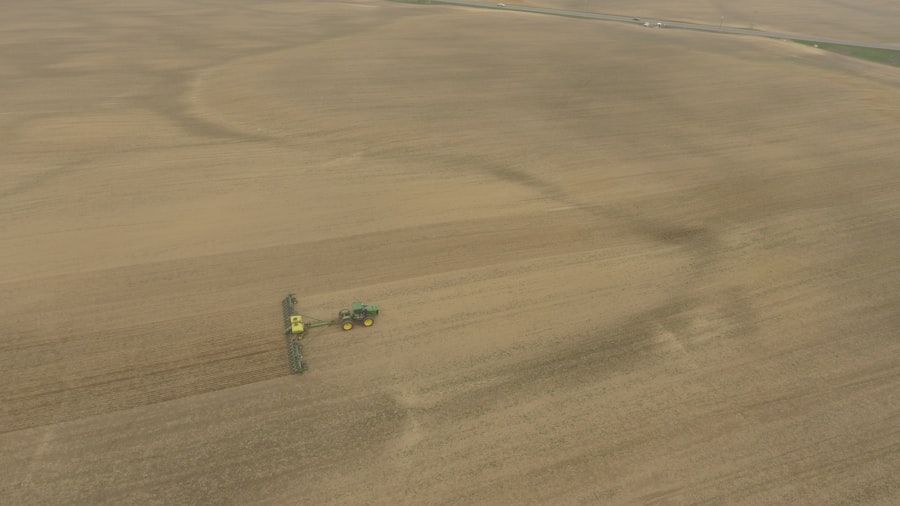
Technological advancements in farm machinery have revolutionized agricultural practices, leading to increased efficiency and productivity. One of the most significant developments has been the integration of automation and robotics into farming equipment. Autonomous tractors and drones are now commonplace on many farms, allowing for tasks such as planting, monitoring crop health, and even harvesting to be performed with minimal human intervention.
For instance, companies like John Deere have developed autonomous tractors equipped with advanced sensors and AI algorithms that can navigate fields independently, optimizing field operations while reducing labor costs. Moreover, advancements in data analytics have transformed how farmers approach decision-making. Precision agriculture tools utilize satellite imagery and soil sensors to provide real-time data on crop health, soil moisture levels, and nutrient requirements.
This information enables farmers to make informed decisions about irrigation schedules, fertilizer application rates, and pest management strategies. For example, a farmer using a precision agriculture platform can analyze data from multiple sources to determine the optimal time for planting or harvesting crops, ultimately leading to improved yields and reduced waste.
Opportunities for Growth in the Agriculture and Farm Machinery Market
| Opportunity | Market Segment | Growth Driver | Estimated CAGR (%) | Key Regions |
|---|---|---|---|---|
| Precision Farming Technologies | Smart Farm Machinery | Increasing adoption of IoT and AI for efficient farming | 12.5 | North America, Europe, Asia-Pacific |
| Electric and Autonomous Tractors | Farm Tractors | Demand for sustainable and labor-saving equipment | 15.0 | Europe, North America |
| Small and Medium Farm Equipment | Compact Machinery | Growth in small-scale farming and mechanization in developing countries | 10.2 | Asia-Pacific, Latin America |
| Post-Harvest Technology | Harvesting and Processing Equipment | Need to reduce crop losses and improve efficiency | 9.8 | Global |
| Rental and Leasing Services | Farm Machinery Services | Cost-effective access to advanced machinery for small farmers | 11.3 | Asia-Pacific, Africa |
The agriculture and farm machinery market presents numerous opportunities for growth as global demand for food continues to rise. One key area of potential lies in the development of sustainable farming practices that prioritize environmental stewardship while maintaining productivity. As consumers become increasingly aware of the environmental impact of agriculture, there is a growing demand for machinery that supports sustainable practices.
This includes equipment designed for minimal tillage, which helps preserve soil health and reduce erosion, as well as machinery that facilitates organic farming methods. Additionally, emerging markets present significant growth opportunities for manufacturers of agricultural machinery. Countries in Asia-Pacific and Africa are experiencing rapid urbanization and population growth, leading to increased demand for food production.
As these regions invest in modernizing their agricultural sectors, there is a substantial market for affordable yet efficient farm machinery. Companies that can tailor their products to meet the specific needs of these markets—such as smaller tractors or multifunctional equipment—are likely to find success in these burgeoning economies.
Sustainable Agriculture and Farm Machinery
Sustainable agriculture has become a focal point within the agriculture and farm machinery market as stakeholders recognize the importance of environmentally responsible practices. The concept encompasses a range of strategies aimed at minimizing negative impacts on ecosystems while ensuring food security for future generations. Farm machinery plays a crucial role in this transition by providing tools that enable farmers to adopt sustainable practices effectively.
For instance, precision irrigation systems help conserve water by delivering it directly to plant roots based on real-time soil moisture data. This not only reduces water waste but also enhances crop resilience during periods of drought. Similarly, machinery designed for cover cropping can improve soil health by preventing erosion and enhancing biodiversity.
By integrating these sustainable practices into their operations, farmers can contribute to environmental conservation while also improving their long-term profitability.
Global Market Analysis and Forecast for Agriculture and Farm Machinery
The global agriculture and farm machinery market is poised for significant growth over the coming years. According to industry reports, the market was valued at approximately $150 billion in 2022 and is projected to reach around $250 billion by 2030, growing at a compound annual growth rate (CAGR) of about 7% during this period. This growth is driven by several factors, including increasing mechanization in developing countries, rising labor costs in developed nations, and heightened awareness of sustainable farming practices.
Regionally, North America remains a dominant player in the agriculture machinery market due to its advanced technological infrastructure and high adoption rates of precision farming techniques. However, Asia-Pacific is expected to witness the fastest growth rate as countries like India and China invest heavily in modernizing their agricultural sectors. The increasing focus on food security amid rising populations will further fuel demand for efficient farm machinery in these regions.
Key Players and Competitive Landscape in the Agriculture and Farm Machinery Market
The agriculture and farm machinery market is characterized by a competitive landscape featuring several key players that dominate various segments of the industry. Major companies such as John Deere, AGCO Corporation, CNH Industrial, and Kubota are at the forefront of innovation in this sector. These companies invest heavily in research and development to create cutting-edge technologies that enhance productivity while addressing sustainability concerns.
In addition to established players, there is a growing presence of startups focused on niche markets within agriculture technology. These companies often leverage advancements in AI, machine learning, and IoT to develop innovative solutions tailored to specific agricultural challenges. For example, startups specializing in drone technology are providing farmers with aerial imagery analysis tools that can identify crop health issues early on, allowing for timely interventions.
Future Outlook for the Agriculture and Farm Machinery Market
Looking ahead, the future of the agriculture and farm machinery market appears promising as technological advancements continue to reshape the industry landscape. The integration of artificial intelligence into farm machinery is expected to enhance operational efficiency further by enabling predictive maintenance and optimizing resource allocation based on real-time data analysis. As farmers increasingly embrace digital solutions, we can anticipate a shift towards more connected farms where machinery communicates seamlessly with other systems.
Moreover, sustainability will remain a central theme driving innovation within this market. As regulatory pressures increase regarding environmental impact and carbon emissions from agriculture, manufacturers will be compelled to develop greener technologies that align with global sustainability goals. This could lead to breakthroughs in electric-powered machinery or bio-based materials used in equipment manufacturing.
In conclusion, the agriculture and farm machinery market stands at a crossroads where tradition meets innovation. As stakeholders navigate current trends and challenges while seizing opportunities for growth, it is clear that this sector will play an integral role in shaping the future of global food production.