

The agricultural equipment market plays a pivotal role in the global economy, serving as the backbone of food production and agricultural efficiency. This sector encompasses a wide array of machinery and tools designed to enhance farming practices, ranging from traditional plows and tractors to advanced automated systems. The significance of this market is underscored by the increasing global population, which is projected to reach nearly 10 billion by 2050, necessitating a substantial increase in food production.
As a result, farmers and agricultural businesses are increasingly turning to innovative equipment solutions to meet these demands while also addressing challenges such as climate change, labor shortages, and resource management. The agricultural equipment market is characterized by its dynamic nature, influenced by technological advancements, changing consumer preferences, and evolving regulatory frameworks. In recent years, there has been a notable shift towards mechanization and automation in agriculture, driven by the need for increased productivity and efficiency.
This transformation is not only reshaping traditional farming practices but also creating new opportunities for manufacturers and suppliers of agricultural machinery. As the industry continues to evolve, understanding the various factors that influence the agricultural equipment market becomes essential for stakeholders aiming to navigate this complex landscape.
Key Takeaways
- Agricultural equipment market is evolving with significant technological advancements enhancing farming efficiency.
- Sustainable farming practices are driving demand for eco-friendly and energy-efficient agricultural machinery.
- Precision agriculture is a major market trend, utilizing data and automation to optimize crop production.
- Globalization is expanding market reach, increasing competition and collaboration among key industry players.
- Emerging markets present new growth opportunities, shaping the future outlook of the agricultural equipment sector.
Technological Advancements in Agricultural Equipment
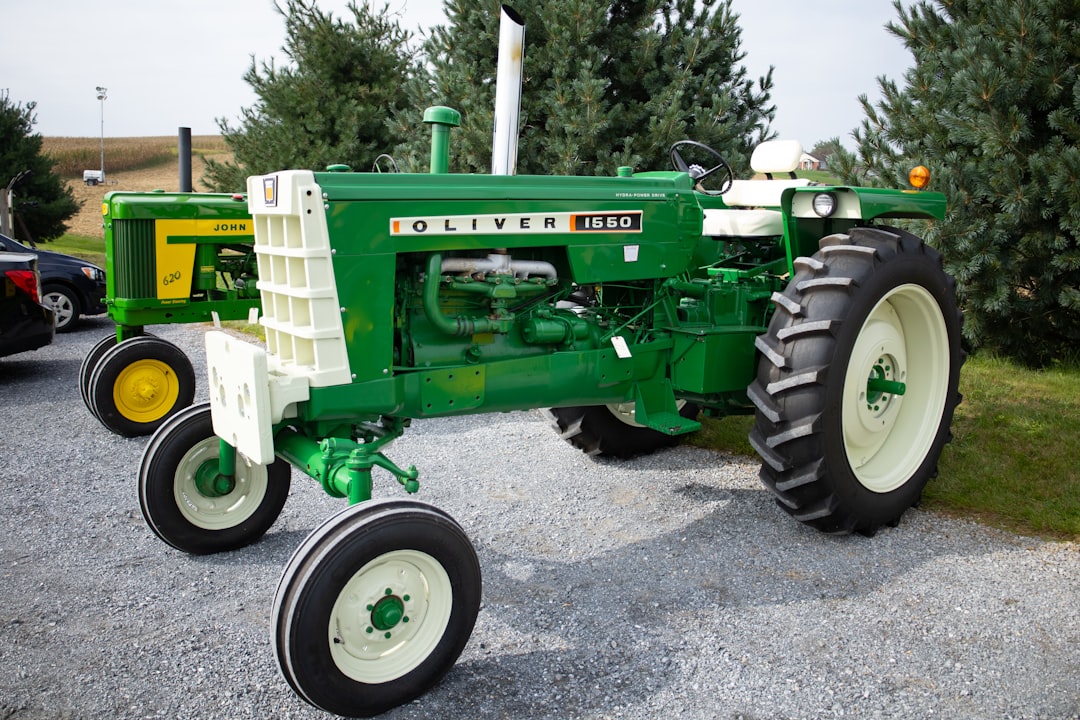
Technological advancements have revolutionized the agricultural equipment market, introducing innovations that enhance productivity and efficiency on farms. One of the most significant developments has been the integration of precision agriculture technologies, which utilize data analytics, GPS, and IoT (Internet of Things) devices to optimize farming practices. For instance, modern tractors equipped with GPS technology can perform tasks such as planting and fertilizing with remarkable accuracy, reducing waste and improving crop yields.
These advancements not only streamline operations but also enable farmers to make data-driven decisions that enhance overall farm management. Moreover, the rise of autonomous machinery represents a groundbreaking shift in agricultural practices. Companies like John Deere and AGCO have developed self-driving tractors and robotic harvesters that can operate independently, significantly reducing the need for manual labor.
These machines are equipped with advanced sensors and artificial intelligence algorithms that allow them to navigate fields, identify crops, and execute tasks with minimal human intervention. The adoption of such technologies is particularly beneficial in regions facing labor shortages or where labor costs are rising, as they help maintain productivity levels while minimizing operational costs.
Sustainable Farming Practices and Equipment

Sustainability has become a central theme in modern agriculture, prompting a reevaluation of farming practices and the equipment used in the industry. As concerns about environmental degradation and climate change intensify, farmers are increasingly adopting sustainable practices that prioritize soil health, water conservation, and biodiversity. This shift has led to the development of specialized agricultural equipment designed to support sustainable farming methods.
For example, no-till planters and cover crop seeders are gaining popularity as they minimize soil disturbance and promote soil health while reducing erosion. Additionally, advancements in irrigation technology have played a crucial role in promoting sustainable farming practices. Drip irrigation systems, for instance, deliver water directly to the root zone of plants, significantly reducing water waste compared to traditional irrigation methods.
These systems not only conserve water but also enhance crop yields by providing plants with the precise amount of moisture they need for optimal growth. As farmers increasingly recognize the importance of sustainability in their operations, the demand for equipment that supports eco-friendly practices is expected to grow.
Market Trends in Precision Agriculture
| Metric | 2020 | 2022 | 2024 (Projected) | Growth Rate (2020-2024) | Notes |
|---|---|---|---|---|---|
| Global Market Size (Billion USD) | 5.1 | 7.2 | 10.5 | ~18% CAGR | Driven by adoption of IoT and AI technologies |
| Adoption Rate of Precision Agriculture Technologies (%) | 15 | 25 | 40 | ~20% CAGR | Higher adoption in developed countries |
| Investment in R&D (Billion USD) | 0.8 | 1.3 | 2.0 | ~19% CAGR | Focus on sensor and drone technology |
| Number of Precision Agriculture Startups | 350 | 520 | 750 | ~17% CAGR | Increasing venture capital interest |
| Use of Drones in Agriculture (%) | 10 | 22 | 35 | ~22% CAGR | Improved drone affordability and regulations |
Precision agriculture has emerged as a transformative trend within the agricultural equipment market, driven by the need for increased efficiency and productivity. This approach leverages advanced technologies such as satellite imagery, drones, and soil sensors to gather real-time data about crop health, soil conditions, and environmental factors. By analyzing this data, farmers can make informed decisions regarding planting schedules, fertilizer application, and pest management.
For instance, variable rate technology (VRT) allows farmers to apply fertilizers at different rates across their fields based on specific soil nutrient levels, optimizing input usage and minimizing environmental impact. The adoption of precision agriculture is not limited to large-scale operations; smallholder farmers are also beginning to embrace these technologies as they become more accessible and affordable. Mobile applications that provide weather forecasts, market prices, and agronomic advice are empowering farmers with valuable information that can enhance their decision-making processes.
As precision agriculture continues to gain traction, manufacturers are focusing on developing user-friendly equipment that integrates seamlessly with existing farming practices while providing actionable insights.
Impact of Globalization on Agricultural Equipment Market
Globalization has significantly influenced the agricultural equipment market by facilitating the exchange of technology, knowledge, and resources across borders. As countries strive to improve their agricultural productivity and food security, they increasingly look to international markets for advanced machinery and innovative farming techniques. This trend has led to a surge in demand for high-quality agricultural equipment from developed nations in emerging markets where agriculture plays a vital role in economic development.
Furthermore, globalization has fostered collaboration between manufacturers and research institutions worldwide, leading to accelerated innovation in agricultural technology. Joint ventures and partnerships have become common as companies seek to leverage each other’s expertise and resources. For example, multinational corporations often collaborate with local firms in emerging markets to develop tailored solutions that address specific regional challenges.
This collaborative approach not only enhances product offerings but also contributes to knowledge transfer and capacity building within local agricultural sectors.
Emerging Markets and Opportunities in Agricultural Equipment

Emerging markets present significant opportunities for growth within the agricultural equipment sector. Countries in regions such as Southeast Asia, Africa, and Latin America are experiencing rapid urbanization and population growth, driving demand for increased agricultural productivity. As these nations seek to modernize their agricultural practices, there is a growing need for advanced machinery that can enhance efficiency and output.
For instance, countries like India and Brazil are investing heavily in mechanization initiatives aimed at improving food production capabilities. In addition to traditional farming equipment, there is a rising demand for innovative solutions tailored to smallholder farmers in these emerging markets. Affordable tractors, hand-held tools, and mobile applications designed for resource-limited settings are gaining traction as they enable farmers to adopt modern practices without incurring prohibitive costs.
Companies that can effectively address the unique needs of these markets stand to benefit from substantial growth opportunities as they tap into an expanding customer base eager for improved agricultural solutions.
Key Players and Competition in the Agricultural Equipment Market
The agricultural equipment market is characterized by intense competition among key players who strive to differentiate themselves through innovation and product offerings. Major companies such as John Deere, AGCO Corporation, CNH Industrial, and Kubota dominate the landscape with their extensive portfolios of machinery ranging from tractors to harvesting equipment. These firms invest heavily in research and development to stay ahead of technological trends and meet evolving customer demands.
In addition to established players, new entrants are emerging in the market as startups leverage cutting-edge technologies such as robotics and artificial intelligence to create innovative solutions for farmers. These companies often focus on niche segments within the agricultural equipment market, offering specialized products that cater to specific needs or challenges faced by farmers. The competitive landscape is further shaped by factors such as pricing strategies, distribution channels, and customer service capabilities, all of which play a crucial role in determining market share.
Future Outlook and Predictions for the Agricultural Equipment Market
Looking ahead, the agricultural equipment market is poised for continued growth driven by technological advancements and changing consumer preferences. The increasing emphasis on sustainability will likely spur demand for equipment that supports eco-friendly practices while enhancing productivity. Additionally, as precision agriculture becomes more mainstream, manufacturers will need to invest in developing integrated solutions that combine various technologies into cohesive systems that provide comprehensive insights for farmers.
Furthermore, the ongoing globalization of agriculture will create new opportunities for collaboration between manufacturers and farmers worldwide. As emerging markets continue to develop their agricultural sectors, there will be a growing need for innovative solutions tailored to local conditions. Companies that can adapt their offerings to meet these diverse needs while maintaining a focus on sustainability will be well-positioned for success in the evolving agricultural equipment landscape.
In conclusion, the agricultural equipment market is at a critical juncture characterized by rapid technological advancements and shifting consumer demands. Stakeholders must remain agile and responsive to these changes while embracing opportunities presented by emerging markets and sustainable practices. The future of agriculture hinges on innovation and collaboration as the industry seeks to meet the challenges posed by a growing global population while ensuring environmental stewardship.