
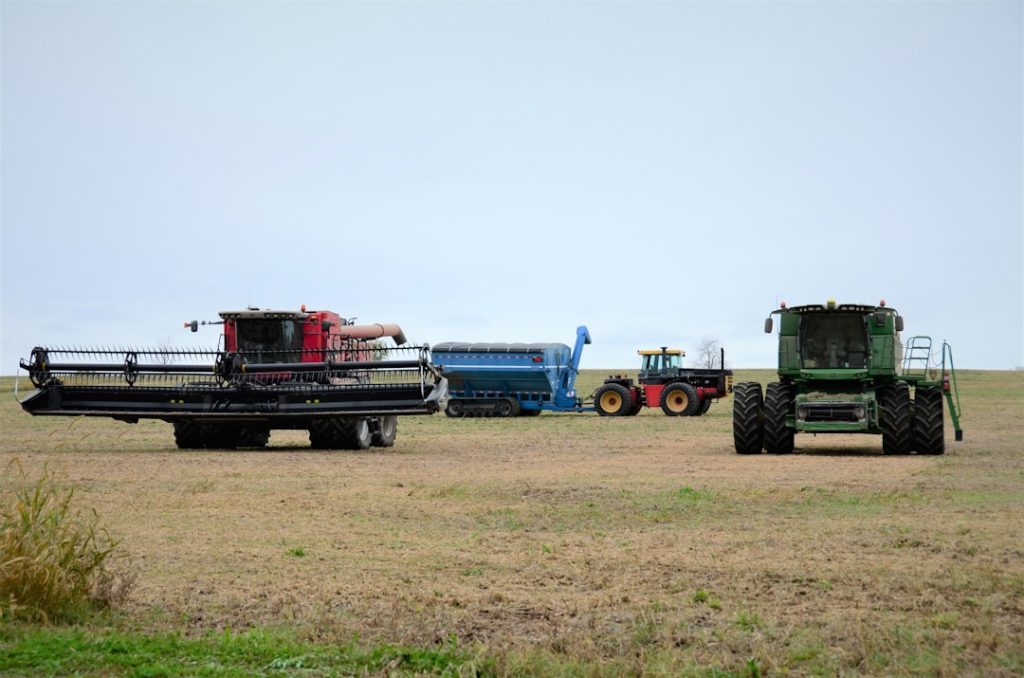
The agricultural sector is undergoing a significant transformation, driven by the increasing global population and the corresponding demand for food production. As the world’s population is projected to reach nearly 10 billion by 2050, the pressure on farmers to enhance productivity and efficiency has never been greater. This burgeoning demand for food has led to a corresponding rise in the need for advanced farm equipment.
Farmers are increasingly turning to modern machinery and technology to optimize their operations, reduce labor costs, and improve crop yields. The growing awareness of sustainable farming practices further fuels this trend, as farmers seek equipment that not only boosts productivity but also minimizes environmental impact. In addition to the rising population, changing dietary preferences are also influencing the demand for farm equipment.

As consumers shift towards more diverse diets that include a variety of fruits, vegetables, and protein sources, farmers are adapting their practices to meet these new demands. This shift necessitates specialized equipment capable of handling different types of crops and livestock. Consequently, manufacturers are innovating and expanding their product lines to cater to these evolving needs, resulting in a dynamic and rapidly growing market for farm equipment.
Key Takeaways
- Increasing global food demand is driving growth in the farm equipment market.
- Technological innovations like automation and precision farming are transforming equipment efficiency.
- Major manufacturers are expanding their product lines to meet diverse agricultural needs.
- Demand varies regionally, with emerging markets showing significant growth potential.
- Future opportunities include smart farming solutions, though challenges like high costs and supply chain issues remain.
Factors Driving the Market Expansion

Several key factors are propelling the expansion of the farm equipment market. One of the most significant drivers is the increasing adoption of precision agriculture techniques. Farmers are leveraging data analytics, GPS technology, and IoT devices to make informed decisions about planting, irrigation, and harvesting.
This data-driven approach not only enhances efficiency but also maximizes resource utilization, leading to higher yields. As a result, there is a growing demand for specialized equipment that can integrate with these technologies, such as drones for crop monitoring and automated tractors equipped with advanced sensors. Another critical factor contributing to market growth is the rising labor costs in agriculture.
In many regions, particularly in developed countries, the availability of labor for farming has diminished due to urban migration and changing workforce dynamics. This shortage has prompted farmers to invest in mechanization as a means to maintain productivity levels. Equipment such as automated harvesters and robotic systems can perform tasks that would traditionally require a significant labor force, allowing farmers to operate more efficiently despite labor constraints.
The trend towards mechanization is expected to continue as farmers seek solutions that can help them navigate these challenges.
Impact of Technological Advancements on Farm Equipment
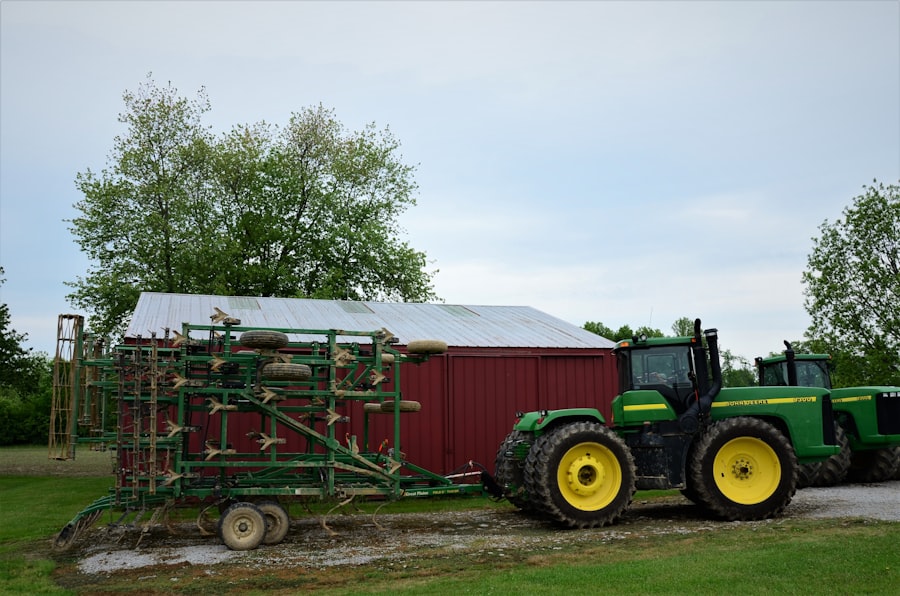
Technological advancements have revolutionized the farm equipment landscape, introducing innovations that enhance efficiency and productivity. One notable development is the rise of autonomous machinery. Self-driving tractors and harvesters are becoming increasingly common on farms, allowing for round-the-clock operations without the need for human intervention.
These machines utilize sophisticated algorithms and sensors to navigate fields, optimize routes, and perform tasks with precision. The integration of artificial intelligence (AI) into farm equipment is also enabling predictive maintenance, where machines can self-diagnose issues before they lead to costly breakdowns. Moreover, advancements in materials science have led to the creation of lighter yet more durable equipment.
Manufacturers are now using advanced composites and alloys that reduce weight while maintaining strength, resulting in machinery that is easier to operate and transport. This shift not only improves fuel efficiency but also reduces soil compaction—a critical concern in sustainable farming practices. Additionally, smart farming technologies are being integrated into traditional equipment, allowing farmers to monitor performance metrics in real-time through mobile applications.
This connectivity empowers farmers to make timely decisions based on data insights, further enhancing operational efficiency.
Key Players in the Farm Equipment Market
| Company | Headquarters | Market Share (%) | Annual Revenue (Billion USD) | Key Products | Year Established |
|---|---|---|---|---|---|
| John Deere | USA | 25 | 50 | Tractors, Harvesters, Planters | 1837 |
| CNH Industrial | UK/Netherlands | 15 | 28 | Tractors, Combine Harvesters, Balers | 2013 |
| AGCO Corporation | USA | 10 | 11 | Tractors, Sprayers, Hay Tools | 1990 |
| Kubota Corporation | Japan | 8 | 18 | Tractors, Rice Transplanters, Mowers | 1890 |
| Massey Ferguson | USA | 7 | 9 | Tractors, Combine Harvesters | 1953 |
| CLAAS | Germany | 6 | 5 | Combine Harvesters, Forage Harvesters | 1913 |
The farm equipment market is characterized by a mix of established players and emerging companies that are driving innovation. Major manufacturers such as John Deere, AGCO Corporation, and CNH Industrial dominate the landscape with their extensive product offerings and global reach. These companies invest heavily in research and development to stay ahead of technological trends and meet the evolving needs of farmers.
For instance, John Deere has made significant strides in precision agriculture by developing advanced software solutions that integrate seamlessly with their machinery. In addition to these giants, there is a growing number of startups focused on niche markets within the agricultural sector. Companies like Trimble and Raven Industries are at the forefront of precision agriculture technology, providing farmers with tools that enhance decision-making processes.
Furthermore, new entrants specializing in robotics and automation are emerging, offering innovative solutions that address labor shortages and improve operational efficiency. The competitive landscape is dynamic, with established players often collaborating with startups to leverage new technologies and expand their product portfolios.
Regional Analysis of Farm Equipment Demand
The demand for farm equipment varies significantly across different regions due to factors such as agricultural practices, economic conditions, and government policies. In North America, particularly in the United States and Canada, there is a strong emphasis on large-scale commercial farming operations. This region has witnessed substantial investments in advanced machinery capable of handling vast tracts of land efficiently.
The adoption of precision agriculture technologies is particularly pronounced here, driven by a combination of high labor costs and a strong focus on maximizing yields. In contrast, regions like Asia-Pacific are experiencing rapid growth in farm equipment demand due to increasing agricultural productivity needs driven by population growth and urbanization. Countries such as India and China are investing heavily in modernizing their agricultural sectors, leading to a surge in demand for tractors, tillers, and irrigation systems.
Government initiatives aimed at promoting mechanization and improving food security further bolster this trend. Additionally, Africa presents a unique opportunity for growth as many countries seek to enhance their agricultural capabilities through mechanization, albeit at a different pace compared to more developed regions.
Future Trends and Opportunities in the Farm Equipment Market
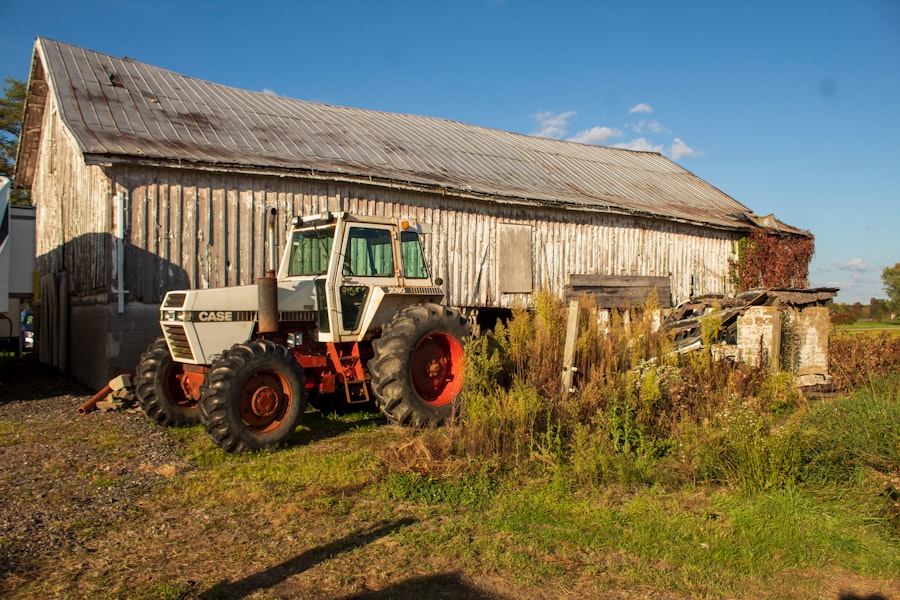
Looking ahead, several trends are poised to shape the future of the farm equipment market. One prominent trend is the increasing focus on sustainability and environmentally friendly practices. As climate change becomes an ever-pressing concern, farmers are seeking equipment that minimizes their carbon footprint while maximizing efficiency.
This includes machinery designed for precision application of fertilizers and pesticides, reducing waste and environmental impact. Another significant opportunity lies in the integration of renewable energy sources into farm operations. Solar-powered equipment and electric tractors are gaining traction as farmers look for ways to reduce reliance on fossil fuels.
The development of battery technology is also advancing rapidly, making electric machinery more viable for agricultural use. Furthermore, as urban agriculture gains popularity, there will be a growing demand for compact and versatile equipment suitable for smaller-scale operations within city environments.
Challenges Faced by the Farm Equipment Industry
Despite the promising outlook for the farm equipment market, several challenges persist that could hinder growth. One major issue is the high cost of advanced machinery, which can be prohibitive for smallholder farmers or those operating on tight budgets. While financing options exist, many farmers remain hesitant to invest in expensive equipment without guaranteed returns on investment.
This financial barrier can slow down the adoption of new technologies that could enhance productivity. Additionally, supply chain disruptions have become increasingly common due to global events such as pandemics or geopolitical tensions. These disruptions can lead to delays in manufacturing and delivery of essential components needed for farm equipment production.
As a result, manufacturers may struggle to meet demand during peak seasons when farmers require their machinery most urgently. Addressing these supply chain vulnerabilities will be crucial for ensuring consistent availability of farm equipment in the future.
The Outlook for the Farm Equipment Market
The outlook for the farm equipment market remains optimistic as technological advancements continue to reshape agricultural practices worldwide. With increasing demands for food production driven by population growth and changing consumer preferences, farmers are turning to innovative solutions that enhance efficiency and sustainability. While challenges such as high costs and supply chain disruptions exist, ongoing investments in research and development by key players in the industry promise to deliver new solutions that address these issues.
As we move forward into an era where technology plays an integral role in agriculture, it is clear that the farm equipment market will continue to evolve rapidly. The integration of smart technologies, sustainable practices, and automation will define the future landscape of farming equipment. For stakeholders across the agricultural sector—from manufacturers to farmers—the ability to adapt to these changes will be essential for success in an increasingly competitive environment.