
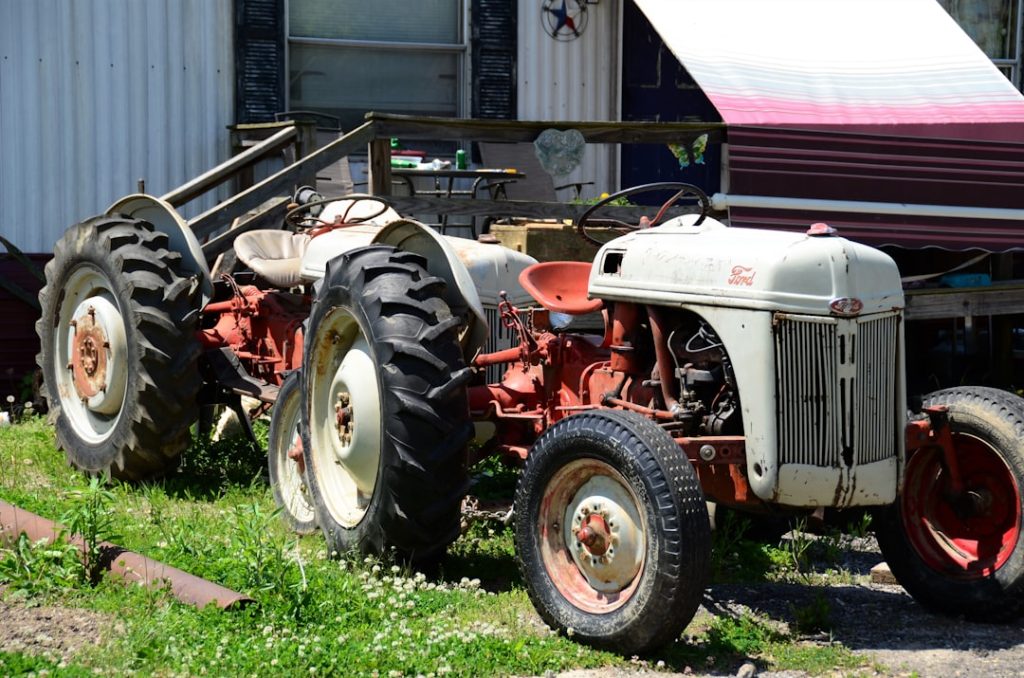
Government farm equipment auctions have emerged as a vital resource for farmers, agricultural businesses, and even hobbyists looking to acquire machinery at competitive prices. These auctions are typically organized by government agencies, including local, state, and federal entities, which seek to sell surplus or seized equipment that is no longer needed for public use. The equipment available at these auctions can range from tractors and plows to specialized machinery like seeders and irrigation systems.
The allure of these auctions lies not only in the potential for significant savings but also in the opportunity to access high-quality equipment that has been maintained under government oversight. The process of government auctions is often transparent and regulated, providing a level of assurance to buyers regarding the condition and history of the equipment. Many of these auctions are conducted online, making it easier for participants to browse available items, place bids, and ultimately secure machinery without the need for physical attendance.

This accessibility has broadened the reach of government auctions, allowing farmers from various regions to participate and benefit from the offerings. As agricultural practices evolve and technology advances, the importance of these auctions in providing affordable access to essential farming tools cannot be overstated.
Key Takeaways
- Government farm equipment auctions offer a wide range of machinery at competitive prices.
- Buyers can benefit from cost savings and access to well-maintained, government-owned equipment.
- Participation involves registration, understanding auction rules, and sometimes pre-inspection of items.
- Key tips include researching equipment, setting budgets, and attending auctions prepared to bid strategically.
- Important considerations include verifying equipment condition, warranty terms, and post-auction support.
Benefits of Buying from Government Farm Equipment Auctions
One of the primary benefits of purchasing from government farm equipment auctions is the potential for substantial cost savings. Government agencies often sell equipment at prices significantly lower than market value due to the need to clear out surplus inventory or dispose of items that are no longer functional for public use. This can result in bargains that are hard to find in traditional retail settings.
For instance, a farmer might find a well-maintained tractor that retails for $30,000 being auctioned off for as little as $15,000, depending on its condition and demand. In addition to cost savings, buyers can also benefit from the transparency associated with government auctions. Most government agencies provide detailed descriptions of the equipment being sold, including maintenance records, usage history, and any known issues.
This level of disclosure allows potential buyers to make informed decisions based on the actual condition of the machinery rather than relying solely on visual inspections or sales pitches. Furthermore, many auctions offer warranties or guarantees on certain items, adding an extra layer of security for buyers who may be hesitant about purchasing used equipment.
Types of Machinery Available at Government Farm Equipment Auctions
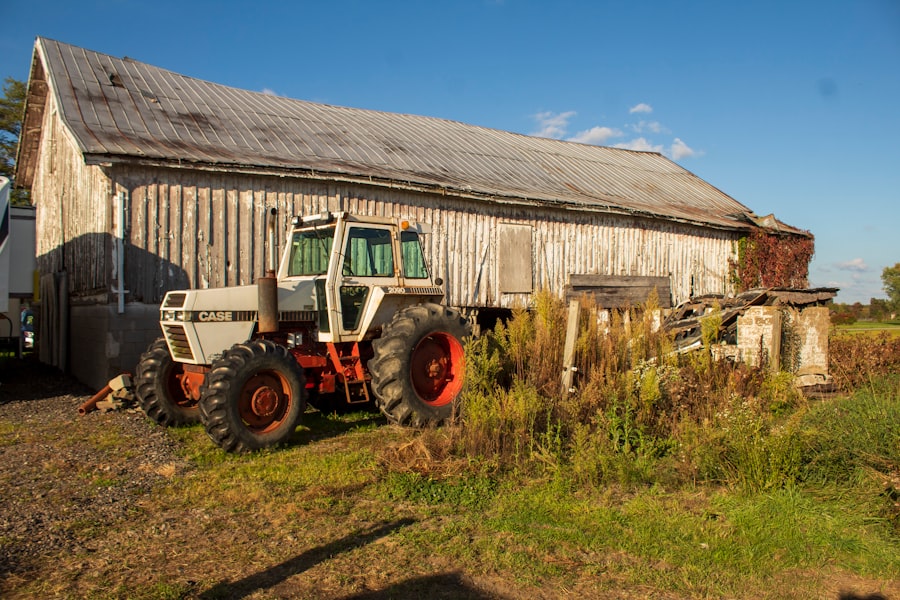
The variety of machinery available at government farm equipment auctions is extensive, catering to a wide range of agricultural needs. Common items include tractors, which are essential for various farming tasks such as plowing, tilling, and harvesting. Additionally, buyers can find implements like cultivators, seeders, and mowers that complement tractor use and enhance farming efficiency.
For those involved in livestock farming, equipment such as feed mixers, manure spreaders, and fencing tools are often available. Beyond traditional farming equipment, government auctions may also feature specialized machinery designed for specific agricultural practices. For example, precision agriculture tools like GPS-guided planters and drones for crop monitoring have become increasingly popular in recent years.
These advanced technologies can significantly improve productivity and yield but often come with a hefty price tag when purchased new. Government auctions provide an opportunity for farmers to acquire such cutting-edge equipment at a fraction of the cost.
How to Participate in Government Farm Equipment Auctions
| Step | Description | Key Tips | Typical Requirements |
|---|---|---|---|
| 1. Research Auctions | Find upcoming government farm equipment auctions through official websites or auction platforms. | Check auction schedules regularly; subscribe to alerts. | Internet access; ability to read auction catalogs. |
| 2. Register to Participate | Sign up with the auction house or government agency hosting the auction. | Complete registration early; provide valid ID and contact info. | Valid identification; sometimes a refundable deposit. |
| 3. Inspect Equipment | Visit the auction site or view online listings to inspect equipment condition. | Attend preview days; take notes and photos. | Transportation to site; time for inspection. |
| 4. Understand Auction Terms | Review auction rules, payment terms, and buyer’s premiums. | Read terms carefully; ask questions if unclear. | Ability to comply with payment deadlines and terms. |
| 5. Set a Budget | Determine maximum bid amounts for desired equipment. | Include additional fees and transport costs in budget. | Financial planning; access to funds. |
| 6. Participate in Bidding | Place bids in person, online, or by phone during the auction. | Stay calm; bid strategically; avoid emotional bidding. | Registered bidder status; bidding method access. |
| 7. Complete Payment | Pay for won items within the specified timeframe. | Prepare payment method in advance; meet deadlines. | Accepted payment methods (check, credit card, wire transfer). |
| 8. Arrange Equipment Pickup | Coordinate transport and removal of purchased equipment. | Schedule pickup promptly; verify removal deadlines. | Transport vehicle; knowledge of pickup location. |
Participating in government farm equipment auctions is a straightforward process that typically involves several key steps. First, interested buyers should identify upcoming auctions by visiting government websites or auction platforms that specialize in selling surplus equipment. Many local and state governments maintain dedicated pages where they list auction schedules, available items, and registration details.
It is advisable to sign up for notifications or newsletters to stay informed about new auction announcements. Once an auction is identified, potential bidders must register to participate. This often requires providing personal information and agreeing to the auction’s terms and conditions.
Some auctions may require a deposit or registration fee to ensure serious bidding. After registration, participants can begin researching the available equipment by reviewing online catalogs or attending preview events if offered. This research phase is crucial for understanding the condition and value of the machinery being auctioned.
Tips for Getting the Best Deals at Government Farm Equipment Auctions
To maximize savings at government farm equipment auctions, bidders should employ several strategic approaches. One effective tactic is to set a budget before participating in an auction. By determining a maximum bid amount based on personal financial constraints and the estimated value of desired items, bidders can avoid getting caught up in bidding wars that drive prices beyond their means.
Sticking to this budget is essential for ensuring that purchases remain financially viable. Another important tip is to thoroughly inspect any machinery before placing bids. While many government auctions provide detailed descriptions and photographs, nothing beats an in-person inspection when possible.
Buyers should look for signs of wear and tear, check fluid levels, and assess overall functionality. If attending an auction in person isn’t feasible, researching similar models online can provide valuable insights into typical issues and market values. Additionally, engaging with other bidders or auction staff can yield useful information about specific items.
Important Considerations When Buying from Government Farm Equipment Auctions
While government farm equipment auctions present numerous opportunities for savings and access to quality machinery, there are important considerations that buyers should keep in mind. One significant factor is understanding the auction’s terms and conditions. Each auction may have different rules regarding payment methods, pickup times, and buyer responsibilities.
Familiarizing oneself with these details can prevent misunderstandings or complications after winning a bid. Another critical consideration is the potential for additional costs beyond the winning bid price. Buyers should account for taxes, buyer’s premiums (a fee added to the final bid amount), transportation costs, and any necessary repairs or modifications needed after purchase.
These additional expenses can significantly impact the overall cost of acquiring machinery. Therefore, it is prudent to conduct a comprehensive cost analysis before committing to a purchase.
Success Stories of Farmers Who Purchased Machinery from Government Farm Equipment Auctions
Numerous farmers have successfully leveraged government farm equipment auctions to enhance their operations while staying within budget constraints. For instance, a small-scale organic farmer in Iowa was able to acquire a high-quality used tractor at a government auction for nearly half its retail price. This purchase allowed them to expand their planting capabilities significantly without incurring crippling debt.
The farmer reported that this investment not only improved their productivity but also enabled them to diversify their crop offerings. Another success story involves a family-run dairy farm in Wisconsin that purchased a used milking machine from a government auction. The machine was in excellent condition and came with all necessary attachments at a fraction of the cost of new models on the market.
This acquisition allowed the family to increase their milking efficiency and improve overall herd management without compromising their financial stability. Such stories highlight how strategic purchases at government auctions can lead to tangible improvements in agricultural operations.
Conclusion and Final Thoughts on Government Farm Equipment Auctions
Government farm equipment auctions represent an invaluable resource for farmers seeking affordable machinery options without sacrificing quality or reliability. The benefits of participating in these auctions extend beyond mere cost savings; they also provide access to a diverse range of equipment that can enhance agricultural productivity and efficiency. By understanding how to navigate these auctions effectively—through research, budgeting, and careful inspection—farmers can make informed decisions that positively impact their operations.
As agricultural practices continue to evolve in response to technological advancements and market demands, government farm equipment auctions will likely remain a critical avenue for farmers looking to equip themselves with the necessary tools for success. The stories of those who have thrived through strategic purchases serve as inspiration for others considering this route. Ultimately, engaging with government farm equipment auctions can empower farmers to invest wisely in their futures while contributing to sustainable agricultural practices.