
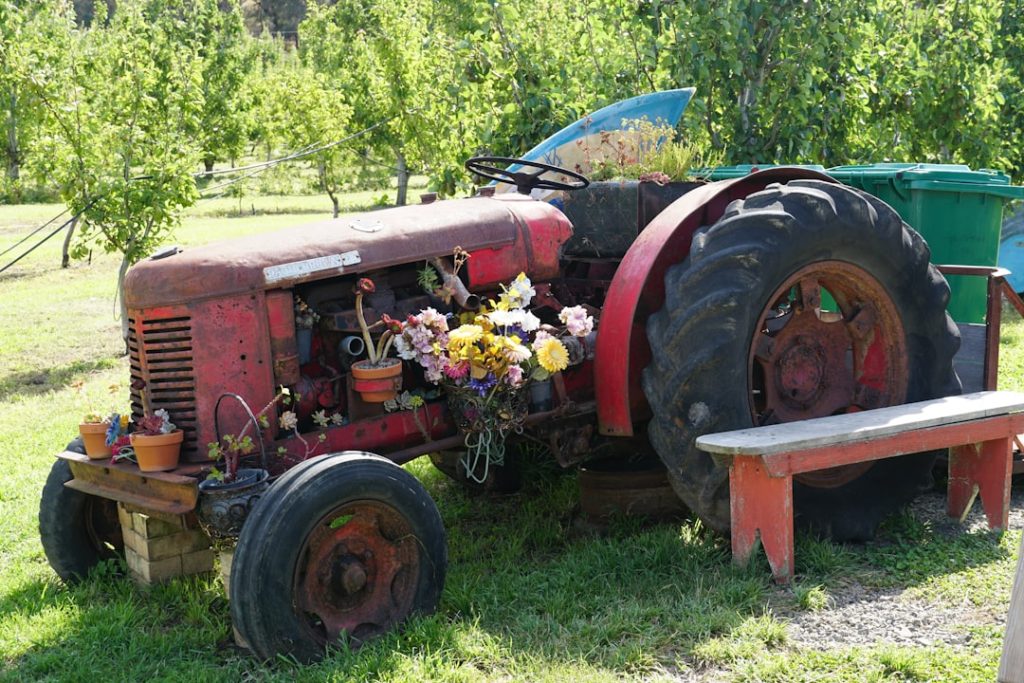
Used tractor auctions present a unique opportunity for buyers looking to acquire agricultural machinery at competitive prices. One of the primary advantages of participating in these auctions is the potential for significant cost savings. Unlike traditional dealerships, where prices can be inflated due to overhead costs and profit margins, auctions often allow buyers to bid on equipment directly, which can lead to lower final sale prices.
This is particularly beneficial for small-scale farmers or those just starting in the agricultural business, as it enables them to invest in essential machinery without breaking the bank. Moreover, used tractor auctions often feature a diverse range of equipment, from older models that may be more affordable to newer, high-end tractors that are still within reach due to depreciation. This variety allows buyers to find machinery that fits their specific needs and budget.
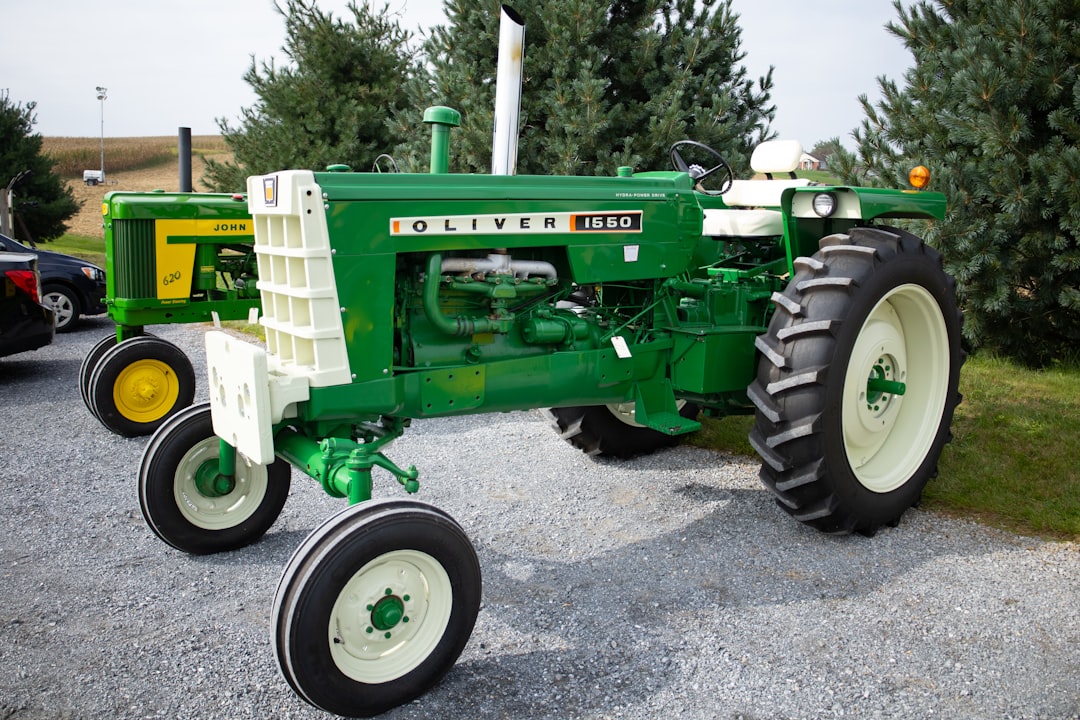
Additionally, auctions can provide access to rare or specialized equipment that may not be readily available through conventional retail channels. The dynamic nature of bidding can also create an exciting atmosphere, where buyers can gauge the interest in certain models and adjust their strategies accordingly.
Key Takeaways
- Used tractor auctions offer cost-effective opportunities to purchase quality equipment.
- Thorough market research and budget planning are essential before bidding.
- Inspect tractors carefully and understand auction terms to avoid surprises.
- Effective bidding strategies and negotiation skills increase chances of winning and closing deals.
- Post-purchase considerations like transport, maintenance, upgrades, and resale impact long-term value.
Researching the Market and Setting a Budget
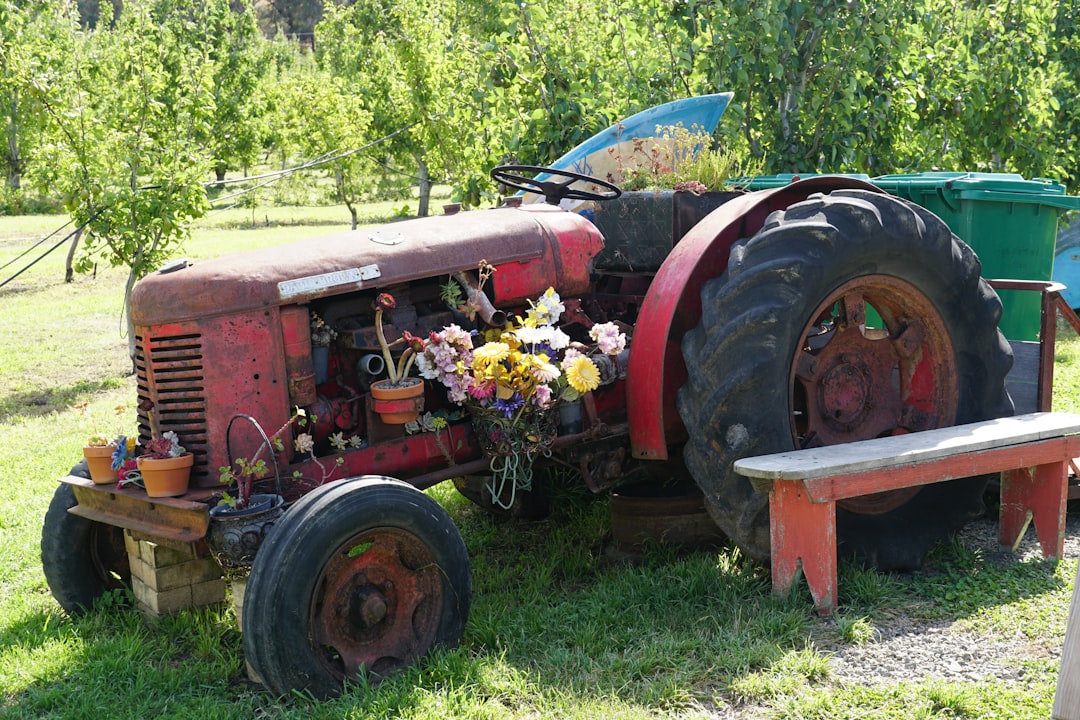
Before diving into the auction process, thorough market research is essential. Understanding the current market value of different tractor models can help buyers make informed decisions and avoid overbidding. Websites that specialize in agricultural equipment sales often provide valuable insights into pricing trends, allowing potential buyers to compare similar models and assess their worth.
Additionally, attending local farm shows or equipment expos can offer firsthand experience with various brands and models, helping buyers identify what features are most important for their operations. Setting a budget is equally crucial when preparing for an auction. Buyers should consider not only the purchase price but also additional costs such as taxes, registration fees, and potential repairs or upgrades needed after the purchase.
A well-defined budget helps prevent impulsive decisions during the heat of bidding and ensures that buyers remain within their financial limits. It is advisable to establish a maximum bid amount based on thorough research and personal financial constraints, allowing for flexibility while still adhering to a disciplined approach.
Inspecting Tractors and Understanding Auction Terms
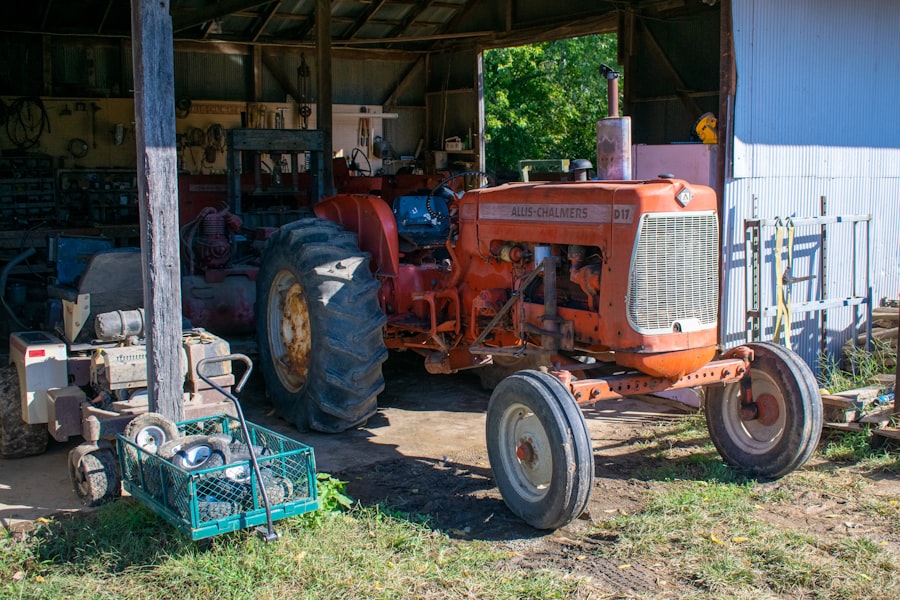
A critical step in the auction process is inspecting the tractors before placing bids. Many auctions provide opportunities for potential buyers to examine the equipment in person, which is invaluable for assessing its condition. Buyers should look for signs of wear and tear, such as rust, leaks, or unusual noises when starting the engine.
Additionally, checking the hours of operation can provide insight into how much use the tractor has seen and whether it has been well-maintained. Bringing along a knowledgeable mechanic or someone experienced in agricultural machinery can also be beneficial, as they can identify potential issues that may not be immediately apparent to an untrained eye. Understanding the auction terms is equally important to ensure a smooth bidding experience.
Each auction may have different rules regarding bidding increments, payment methods, and buyer’s premiums—fees added to the final bid price. Familiarizing oneself with these terms can prevent misunderstandings during the auction process. Additionally, some auctions may offer warranties or guarantees on certain equipment, while others may be sold “as-is.” Knowing these details ahead of time allows buyers to make more informed decisions and reduces the risk of unexpected surprises after the purchase.
Tips for Bidding and Winning at Auctions
| Tip | Description | Benefit | Example Metric |
|---|---|---|---|
| Research Items | Thoroughly investigate the items you want to bid on before the auction. | Increases chances of making informed bids. | Average research time: 2 hours per item |
| Set a Budget | Determine your maximum bid limit to avoid overspending. | Prevents emotional overspending. | Typical budget adherence rate: 90% |
| Attend Preview | Inspect items in person or online preview to assess condition. | Helps identify flaws or value not apparent in descriptions. | Preview attendance rate: 75% |
| Start Low | Begin bidding with a low offer to gauge competition. | Can save money if competition is low. | Winning bids starting low: 40% |
| Use Proxy Bidding | Set a maximum bid and let the system bid automatically. | Prevents emotional bidding and last-minute errors. | Proxy bid success rate: 65% |
| Stay Calm | Maintain composure to avoid impulsive decisions. | Improves decision-making under pressure. | Reduced bid retractions: 30% |
| Know Auction Rules | Understand terms, fees, and bidding increments. | Prevents surprises and additional costs. | Rule violation incidents: less than 5% |
| Bid Near Closing | Place bids close to auction end to avoid bidding wars. | Can secure items at lower prices. | Last-minute bid success rate: 55% |
Bidding at an auction requires a strategic approach to maximize the chances of winning while staying within budget. One effective strategy is to observe the bidding patterns of other participants before entering the fray. By gauging the competition’s enthusiasm for specific tractors, buyers can determine when to jump in with their bids.
It’s often wise to wait until the bidding slows down before making a move, as this can catch other bidders off guard and potentially lead to a lower final price. Another useful tactic is to set a bidding limit that reflects both market research and personal budget constraints. This limit should be firm; once it’s reached, buyers should refrain from getting caught up in the excitement of the auction.
Emotional bidding can lead to overspending and regret later on. Additionally, employing a bidding strategy such as starting with a strong initial bid can establish confidence among other bidders and potentially deter them from continuing to bid against you.
Negotiating and Closing the Deal
Once a winning bid has been placed, the next step involves negotiating and closing the deal effectively. While many auctions operate on a straightforward bidding process, there may still be room for negotiation regarding payment terms or additional services such as delivery or maintenance packages. Buyers should approach this phase with confidence but also be prepared for some back-and-forth discussions.
Establishing rapport with auctioneers or sellers can facilitate smoother negotiations and may lead to favorable terms. Closing the deal typically involves completing necessary paperwork and making payment arrangements. Buyers should ensure they understand all aspects of the transaction before signing any documents.
This includes confirming that all agreed-upon terms are clearly outlined in writing. It’s also advisable to keep copies of all paperwork for future reference, especially if any issues arise post-purchase. Ensuring that all details are finalized before leaving the auction site helps prevent misunderstandings later on.
Transporting and Maintenance Considerations
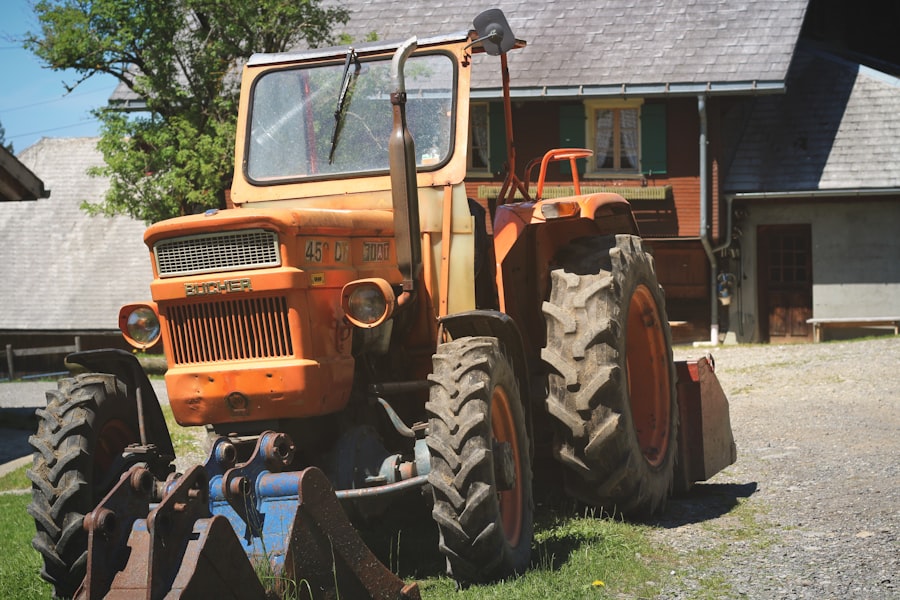
After successfully purchasing a tractor at auction, transportation becomes a key consideration. Depending on the size and weight of the tractor, buyers may need to arrange for specialized transport services or trailers capable of safely moving heavy machinery. It’s essential to factor in transportation costs when budgeting for the purchase, as these expenses can add up quickly.
Additionally, ensuring that the tractor is securely loaded and transported minimizes the risk of damage during transit. Maintenance is another critical aspect that should not be overlooked after acquiring a used tractor. Regular upkeep is vital for ensuring longevity and optimal performance.
Buyers should familiarize themselves with the specific maintenance requirements of their purchased model, including oil changes, filter replacements, and routine inspections of key components such as brakes and tires. Establishing a maintenance schedule can help prevent costly repairs down the line and keep the tractor running efficiently.
Avoiding Common Pitfalls and Scams
While used tractor auctions can be rewarding experiences, they are not without risks. One common pitfall is failing to conduct adequate research prior to bidding. Buyers who enter an auction without understanding market values or specific model features may end up overpaying or purchasing equipment that does not meet their needs.
It’s crucial to take time before the auction to gather information about various models and their typical price ranges. Scams are another concern in the auction world, particularly with online platforms where buyers cannot physically inspect equipment before bidding. To mitigate this risk, it’s advisable to use reputable auction houses with established track records and positive reviews from previous participants.
Additionally, buyers should be wary of deals that seem too good to be true; if a seller is offering a high-value tractor at an unusually low price, it may indicate underlying issues or fraudulent intentions.
Making the Most of Your Purchase: Upgrades and Resale Value
Once a buyer has successfully navigated the auction process and acquired a used tractor, there are several ways to enhance its value and functionality over time. Upgrades can significantly improve performance and efficiency; for instance, adding modern technology such as GPS systems or precision farming tools can enhance productivity on the farm. These upgrades not only make daily operations smoother but also increase the resale value of the tractor should the owner decide to sell it in the future.
Resale value is an important consideration for any buyer looking at used tractors as investments rather than just tools for immediate use. Keeping detailed records of maintenance and upgrades can bolster resale prospects by demonstrating that the tractor has been well cared for over its lifespan. Additionally, staying informed about market trends can help owners time their resale effectively; understanding when demand for certain models peaks can lead to better offers when it comes time to sell.
In conclusion, navigating used tractor auctions requires careful planning, research, and strategic thinking. By understanding market dynamics, setting realistic budgets, inspecting equipment thoroughly, employing effective bidding strategies, negotiating wisely, considering transportation and maintenance needs, avoiding scams, and enhancing resale value through upgrades, buyers can maximize their investment in agricultural machinery while minimizing risks associated with such purchases.