
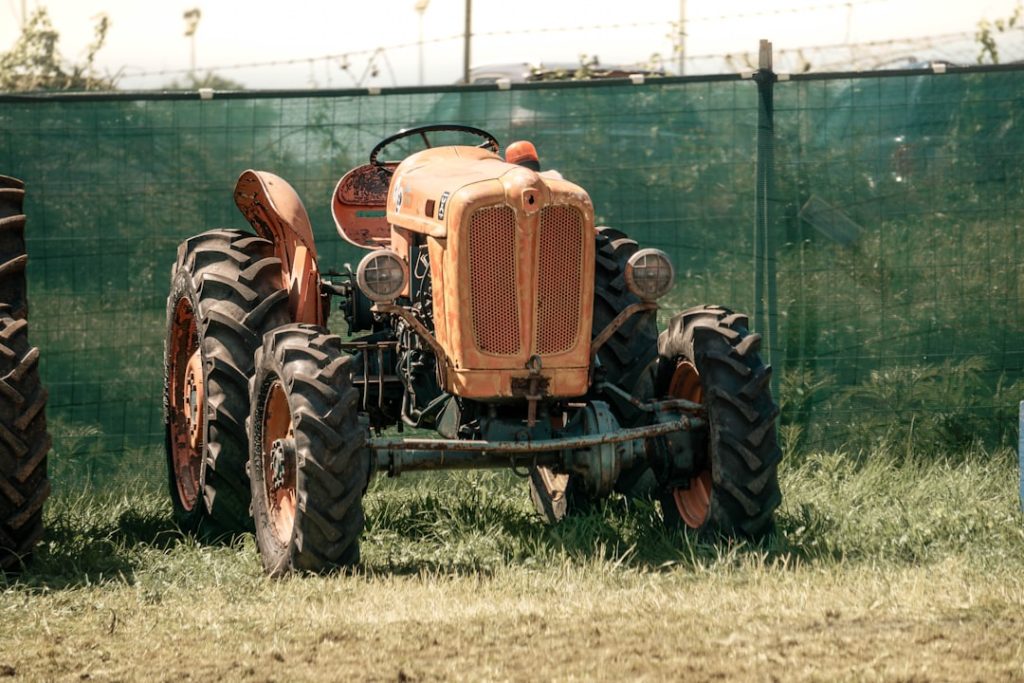
Before embarking on the journey of purchasing a tractor, it is crucial to have a clear understanding of your specific farming needs. The type of farming you engage in—be it crop production, livestock management, or mixed farming—will significantly influence the kind of tractor that will best serve your operations. For instance, if you are primarily focused on crop production, you may require a tractor that can handle various implements such as plows, seeders, and cultivators.
Conversely, if your focus is on livestock, you might prioritize a tractor that can efficiently manage tasks like hauling feed or transporting animals. Additionally, the scale of your farming operation plays a pivotal role in determining your tractor requirements. A small family farm may only need a compact tractor for light tasks, while a larger commercial operation might necessitate a more powerful machine capable of handling extensive acreage and heavier implements.
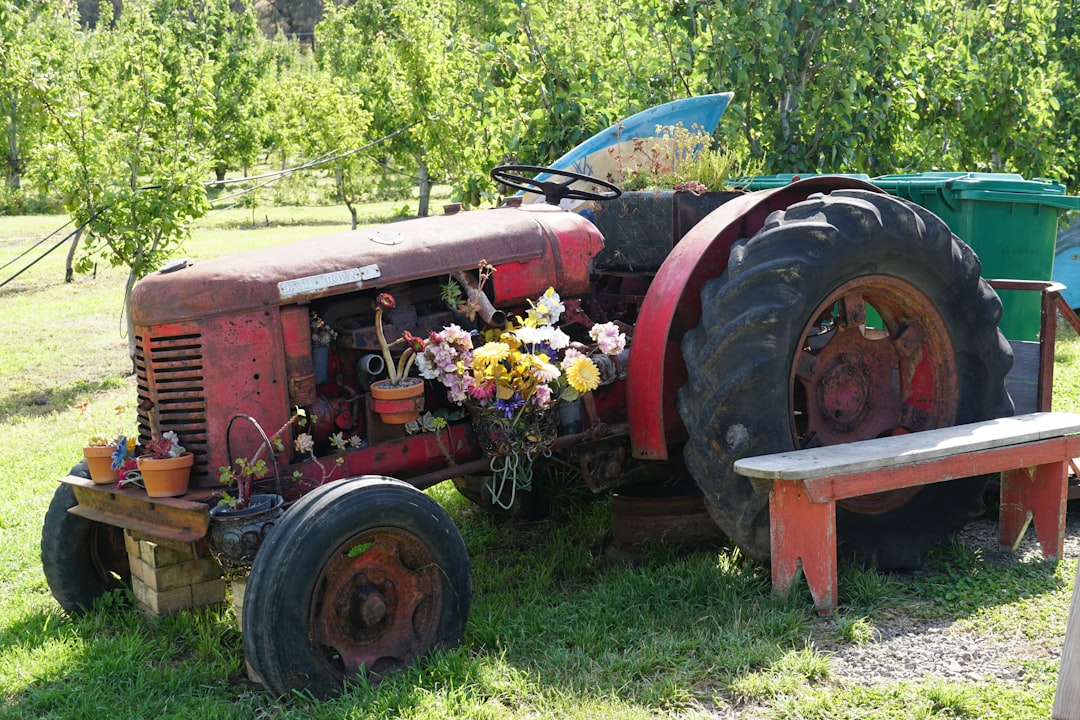
Understanding the terrain of your farm is equally important; hilly or uneven land may require a tractor with superior traction and stability features. By thoroughly assessing these factors, you can create a comprehensive list of requirements that will guide you in selecting the most suitable tractor for your farming endeavors.
Key Takeaways
- Assess your specific farming tasks to determine the right tractor features.
- Research various brands to find those that best match your needs and budget.
- Evaluate the size and power requirements based on your farm’s scale and workload.
- Weigh the pros and cons of buying new versus used tractors for cost-effectiveness.
- Inspect quality, reliability, and financing options before finalizing your purchase.
Researching Different Tractor Brands
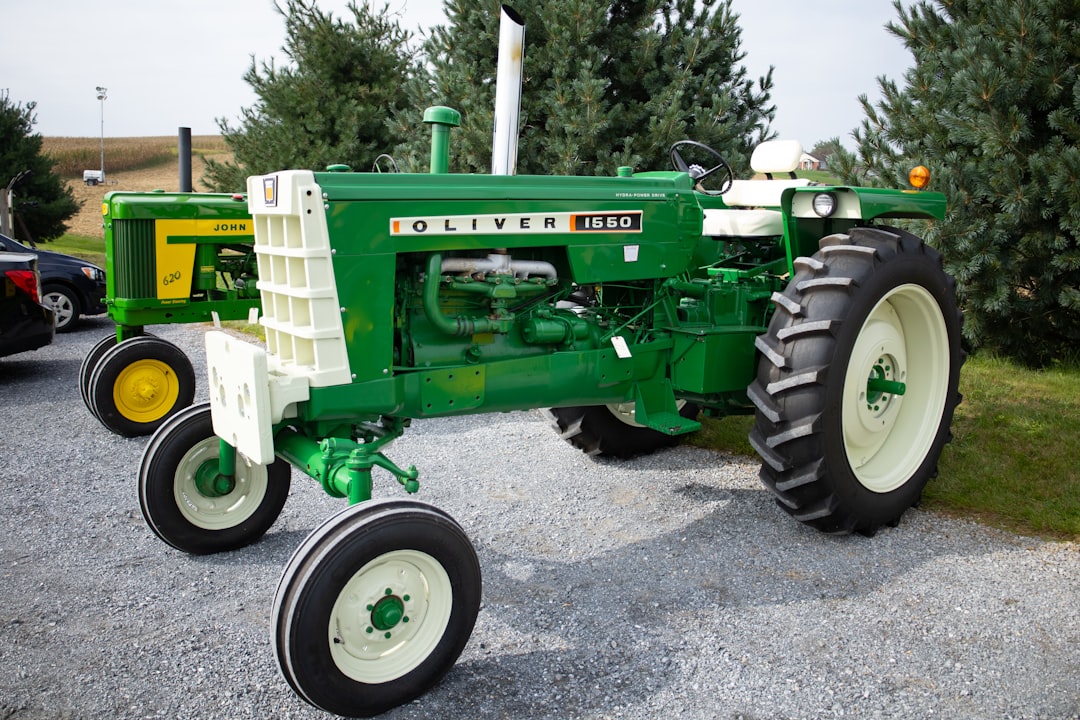
Once you have a clear understanding of your farming needs, the next step is to research different tractor brands available in the market. The agricultural machinery industry is populated with numerous manufacturers, each offering a range of models tailored to various applications. Some of the most reputable brands include John Deere, Case IH, New Holland, and Kubota, among others.
Each brand has its unique strengths and weaknesses, which can significantly impact your decision-making process. For example, John Deere is renowned for its advanced technology and robust build quality, making it a popular choice among large-scale farmers who require reliable performance under demanding conditions. On the other hand, Kubota is often favored by smaller farms due to its compact size and versatility, making it ideal for tight spaces and diverse tasks.
It is essential to delve into customer reviews, expert opinions, and brand histories to gain insights into the performance and reliability of each manufacturer. Additionally, consider the availability of parts and service support in your region, as this can greatly affect your long-term satisfaction with the tractor.
Evaluating the Size and Power Requirements
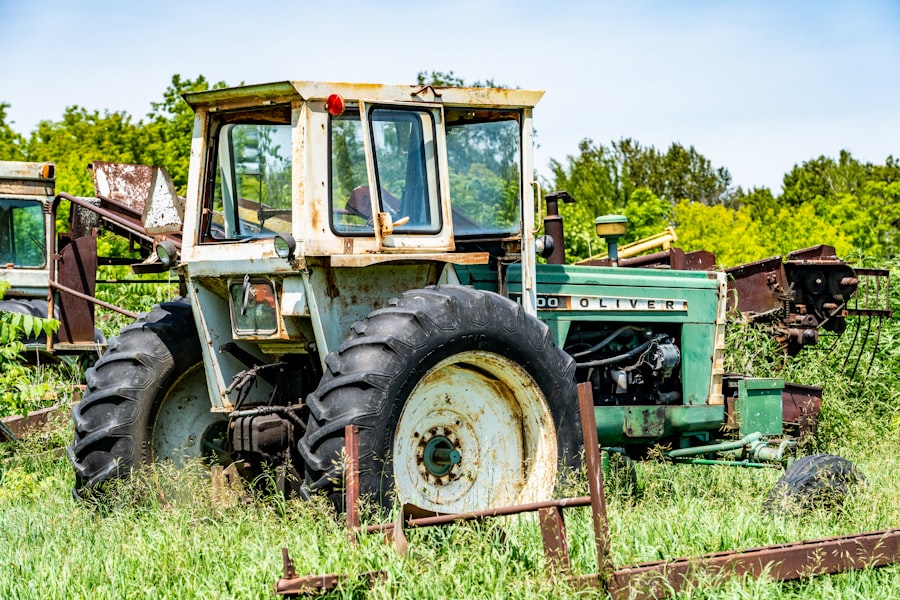
Evaluating the size and power requirements of a tractor is a critical step in ensuring that you select a machine capable of meeting your operational demands. The horsepower (HP) rating of a tractor is one of the primary indicators of its capability. Generally, smaller tractors range from 20 to 50 HP and are suitable for light-duty tasks such as mowing and tilling small plots.
In contrast, larger tractors can exceed 100 HP and are designed for heavy-duty applications like plowing large fields or operating multiple implements simultaneously. In addition to horsepower, consider the physical size of the tractor itself. A larger tractor may offer more power but could be cumbersome in tight spaces or on smaller farms.
Assessing the dimensions of your fields and any obstacles such as trees or buildings will help you determine whether a compact model or a full-sized tractor is more appropriate. Furthermore, think about the types of implements you plan to use; some tasks may require specific power ratings to operate effectively. By carefully evaluating these factors, you can ensure that your chosen tractor will be well-suited to your farming operations.
When it comes to purchasing a tractor, one of the most significant decisions you’ll face is whether to buy new or used equipment. Each option has its advantages and disadvantages that should be carefully weighed against your budget and operational needs. New tractors come with the latest technology, warranties, and often better fuel efficiency.
They also provide peace of mind regarding reliability since they have not been subjected to wear and tear from previous use. On the other hand, used tractors can offer substantial savings and may allow you to acquire a higher-end model than you could afford if buying new. However, purchasing used equipment comes with its own set of risks; it’s essential to thoroughly inspect any used tractor for signs of wear, damage, or mechanical issues.
Additionally, consider the age of the tractor and its maintenance history; older models may require more frequent repairs or lack modern features that enhance efficiency and ease of use. Ultimately, your decision should align with your financial situation and how much risk you are willing to take on regarding potential repairs and maintenance.
Checking for Quality and Reliability
| Metric | Description | Measurement Method | Target Value | Frequency |
|---|---|---|---|---|
| Defect Density | Number of defects per unit size of the product (e.g., per 1000 lines of code) | Count defects found during testing divided by size metric | < 1 defect per 1000 units | Per release |
| Mean Time Between Failures (MTBF) | Average operational time between failures | Operational hours divided by number of failures | > 1000 hours | Monthly |
| Test Coverage | Percentage of code or features tested | Number of tested elements divided by total elements | > 90% | Per sprint |
| Customer Reported Issues | Number of issues reported by customers post-release | Count of customer support tickets related to quality | < 5 per release | Per release |
| Reliability Growth | Improvement in reliability over time | Comparison of failure rates across releases | Positive trend | Quarterly |
| First Pass Yield (FPY) | Percentage of products passing quality checks without rework | Number of units passing first test divided by total units tested | > 95% | Weekly |
Quality and reliability are paramount when selecting a tractor, as these factors directly impact your productivity and operational efficiency. A reliable tractor minimizes downtime due to repairs and maintenance, allowing you to focus on your farming tasks without interruption. To assess quality, look for tractors that have been well-reviewed by other farmers and industry experts.
Online forums, agricultural publications, and customer testimonials can provide valuable insights into how different models perform in real-world conditions. Additionally, consider the build quality of the tractor itself. Tractors constructed from high-quality materials are likely to withstand harsh agricultural environments better than those made from inferior components.
Pay attention to details such as the strength of the frame, the durability of the transmission system, and the quality of hydraulic components. Furthermore, investigate the manufacturer’s reputation for customer service; a company that stands behind its products with excellent support can make a significant difference in your overall experience as a tractor owner.
Comparing Prices and Financing Options
Price comparison is an essential part of the tractor purchasing process. With various brands and models available at different price points, it’s crucial to establish a budget that reflects both your financial capabilities and the value you expect from your investment. When comparing prices, take into account not only the initial purchase price but also ongoing costs such as fuel consumption, maintenance expenses, and potential repairs over time.
Financing options can also play a significant role in making your purchase more manageable. Many dealerships offer financing plans that allow you to spread out payments over time rather than paying upfront. Additionally, consider exploring loans from banks or credit unions that specialize in agricultural financing; these institutions often provide favorable terms for farmers looking to invest in equipment.
Be sure to read the fine print on any financing agreement to understand interest rates, repayment terms, and any potential penalties for early repayment.
Visiting Dealerships and Farms
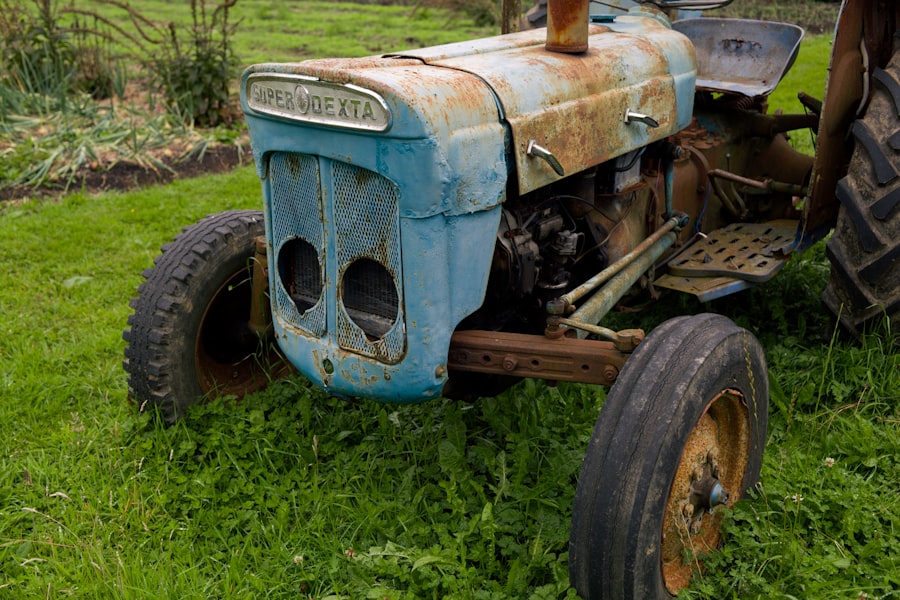
Visiting dealerships and farms can provide invaluable hands-on experience when selecting a tractor. Dealerships often have a range of models available for demonstration, allowing you to test drive different tractors and get a feel for their handling and performance. This firsthand experience can help you determine which model feels most comfortable and meets your operational needs effectively.
Additionally, visiting local farms can offer insights into how different tractors perform in real-world agricultural settings. Engaging with fellow farmers allows you to gather opinions on their experiences with specific brands or models. You may also discover unique modifications or attachments that other farmers have found beneficial for their operations.
Networking within your local agricultural community can lead to recommendations that may not be readily available through online research alone.
Making an Informed Purchase Decision
After conducting thorough research and evaluations across all aspects of tractor selection—from understanding your farming needs to visiting dealerships—the final step is making an informed purchase decision. This process should involve weighing all gathered information against your budgetary constraints and operational requirements. It’s essential to take your time during this stage; rushing into a purchase could lead to regret if the chosen tractor does not meet your expectations or needs.
Once you’ve narrowed down your options, consider negotiating with dealers for better pricing or additional perks such as extended warranties or free maintenance services for a limited time. Ensure that all agreements are documented clearly before finalizing the purchase. After acquiring your new or used tractor, take time to familiarize yourself with its features and capabilities through proper training or manuals provided by the manufacturer.
This preparation will help you maximize the benefits of your investment while ensuring that you are well-equipped to handle any challenges that may arise during its operation on your farm.