
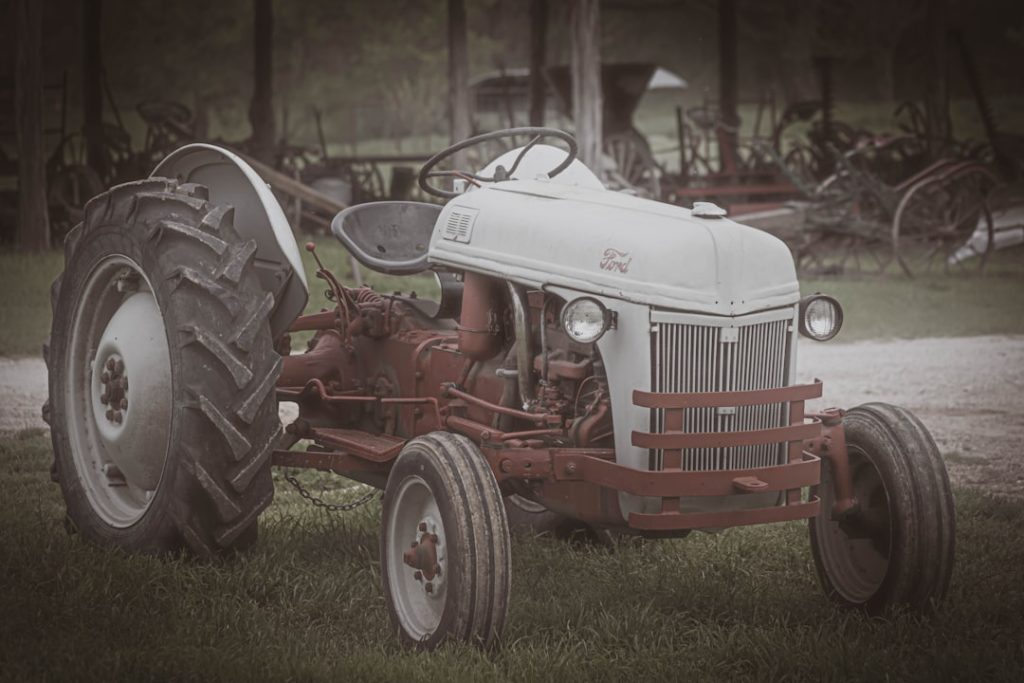
Local tractor auctions present a unique opportunity for farmers, landscapers, and hobbyists to acquire machinery at competitive prices. One of the primary benefits of participating in these auctions is the potential for significant cost savings. Unlike traditional retail outlets where prices are often marked up due to overhead costs, auctions allow buyers to bid on equipment directly, often resulting in lower final sale prices.
This is particularly advantageous for those who may be operating on tight budgets or looking to expand their fleet without incurring substantial debt. Moreover, local tractor auctions often feature a diverse range of equipment, from vintage models to the latest technology. This variety allows buyers to find specific machinery that meets their needs, whether they are looking for a reliable workhorse for daily tasks or a specialized piece of equipment for a unique project.
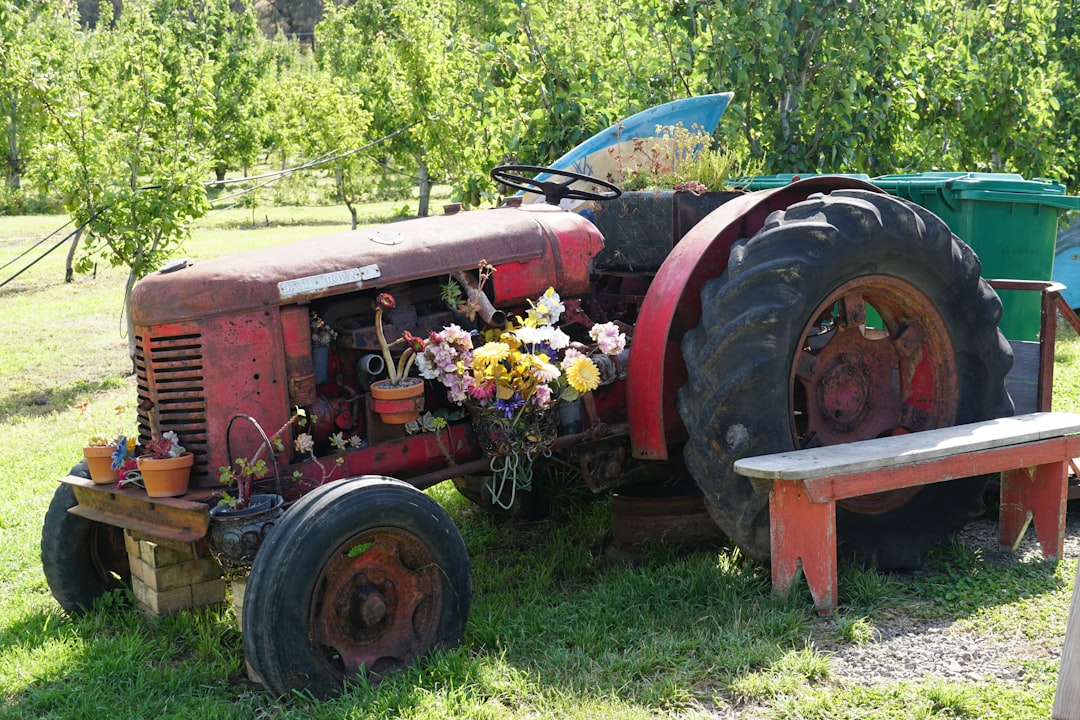
Additionally, purchasing at an auction can provide access to rare or hard-to-find models that may not be available through conventional sales channels. The excitement of bidding and the potential for acquiring high-quality equipment at a fraction of its retail value make local tractor auctions an appealing option for many.
Key Takeaways
- Local tractor auctions offer cost-effective opportunities to purchase quality equipment.
- Finding nearby auctions involves checking online listings, local classifieds, and auction house websites.
- Preparing by researching equipment and setting a budget is crucial for successful bidding.
- Inspecting tractors carefully and understanding auction rules helps avoid costly mistakes.
- Thorough research before attending ensures informed decisions and better purchase outcomes.
How to Find Local Tractor Auctions Near Me
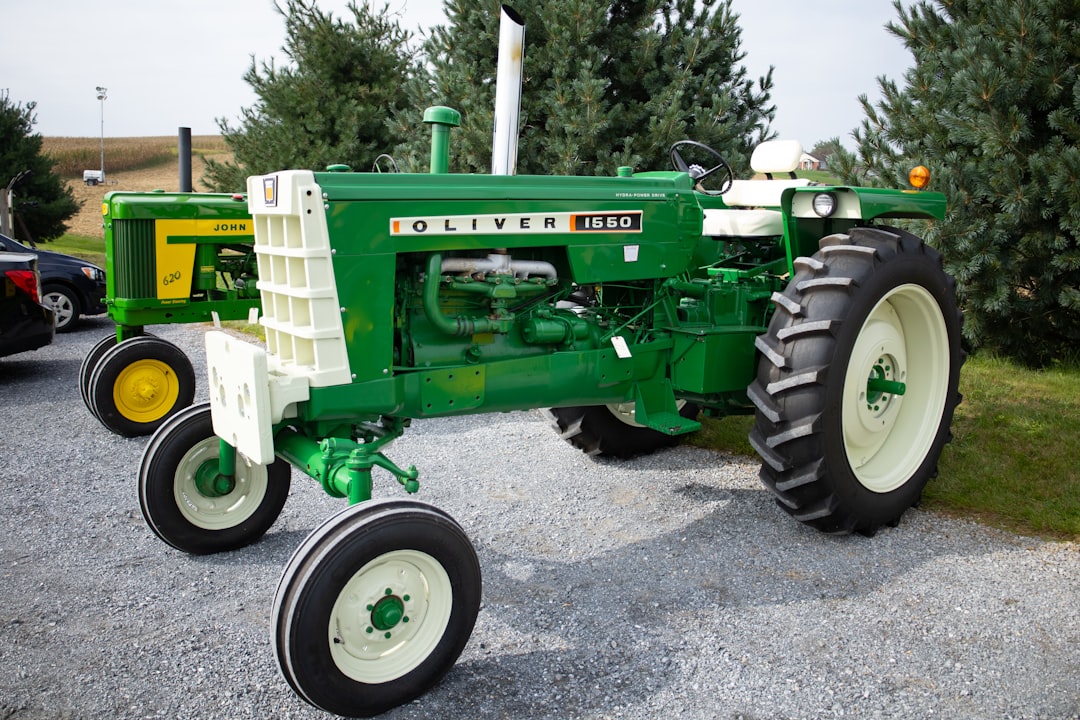
Finding local tractor auctions can be a straightforward process if you know where to look. One of the most effective methods is to utilize online resources. Websites dedicated to auction listings often have sections specifically for agricultural equipment, allowing users to filter results by location and type of machinery.
Platforms such as AuctionZip, TractorHouse, and even Craigslist can provide valuable information about upcoming auctions in your area. By regularly checking these sites, you can stay informed about auction dates and the types of equipment that will be available. In addition to online resources, local agricultural extension offices and farming cooperatives can be excellent sources of information.
These organizations often have connections within the farming community and may be aware of upcoming auctions that are not widely advertised. Networking with fellow farmers and attending local agricultural fairs can also yield insights into when and where auctions are taking place. Engaging with social media groups focused on farming and equipment can further enhance your ability to find local auctions, as members often share information about events in their regions.
Tips for Participating in Local Tractor Auctions
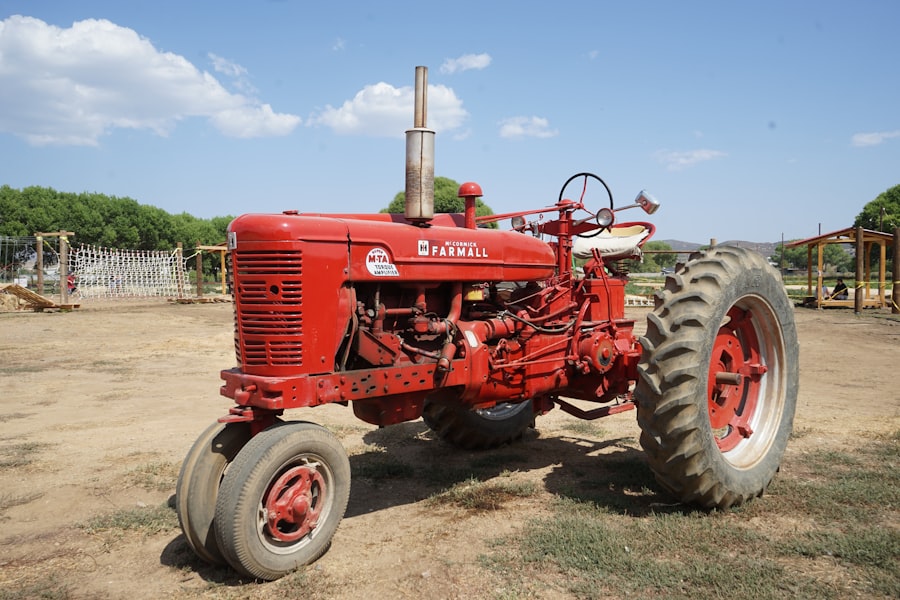
Participating in local tractor auctions requires more than just showing up on auction day; preparation is key to ensuring a successful experience. One important tip is to set a budget before you attend the auction. Determine how much you are willing to spend on a tractor or piece of equipment, taking into account additional costs such as taxes, fees, and potential repairs.
Sticking to this budget during the bidding process is crucial, as the excitement of an auction can sometimes lead bidders to exceed their financial limits. Another essential tip is to arrive early and take the time to inspect the equipment thoroughly. Many auctions allow potential buyers to view items before bidding begins, providing an opportunity to assess the condition of each piece of machinery.
Look for signs of wear and tear, check fluid levels, and ask questions about maintenance history if possible. Understanding the condition of the equipment will help you make informed decisions during the bidding process and avoid costly surprises after the purchase.
What to Look for When Attending Local Tractor Auctions
| Criteria | Description | Key Metrics | Tips |
|---|---|---|---|
| Tractor Condition | Assess the overall mechanical and cosmetic state of the tractor. | Engine hours, tire wear, rust spots, hydraulic leaks | Inspect engine, test hydraulics, check tires for cracks or bald spots |
| Model and Make | Identify the brand and model for reliability and parts availability. | Year of manufacture, model number, brand reputation | Research common issues and parts cost for the model |
| Functionality | Verify that all tractor functions operate correctly. | Transmission shifts, PTO operation, 3-point hitch functionality | Test drive if possible, check all controls and gauges |
| Documentation | Check for maintenance records and ownership history. | Service logs, title status, previous repairs | Request paperwork before bidding to avoid surprises |
| Auction Terms | Understand the auction rules and fees involved. | Buyer’s premium, payment terms, pickup deadlines | Read auction terms carefully and budget for extra costs |
| Market Value | Know the typical price range for similar tractors. | Recent sale prices, demand trends, seasonal factors | Set a maximum bid limit based on research |
When attending local tractor auctions, there are several key factors to consider that can influence your purchasing decision. First and foremost, evaluate the reputation of the auctioneer and the auction house itself. A reputable auctioneer will provide clear information about the items being sold, including any known issues or repairs needed.
They should also have a transparent bidding process that ensures fairness for all participants. Additionally, pay close attention to the details of each item being auctioned. Look for documentation such as maintenance records or service history that can provide insight into how well the equipment has been cared for over time.
If possible, inquire about previous ownership; knowing whether a tractor was used commercially or privately can give you a better understanding of its wear and tear. Furthermore, consider the resale value of the equipment; some models hold their value better than others, which can be an important factor if you plan to upgrade in the future.
The Process of Bidding at Local Tractor Auctions
The bidding process at local tractor auctions can be both exhilarating and nerve-wracking for participants. Once the auction begins, bidders raise their paddles or signal their bids in response to the auctioneer’s calls. It is essential to remain calm and focused during this process; emotional bidding can lead to overspending or hasty decisions.
Observing how other bidders react can provide valuable insights into the perceived value of an item, helping you gauge when to enter the bidding fray. Understanding the increments in which bids increase is also crucial. Auctioneers typically set specific increments based on the current bid amount; knowing these increments will help you strategize your bidding approach.
For instance, if you notice that bids are increasing by $100 at lower amounts but jump by $500 at higher values, you may want to adjust your bidding strategy accordingly. Additionally, be prepared for last-minute bidding wars; some bidders may wait until the final moments to place their bids in an attempt to secure a deal at a lower price.
How to Prepare for Local Tractor Auctions
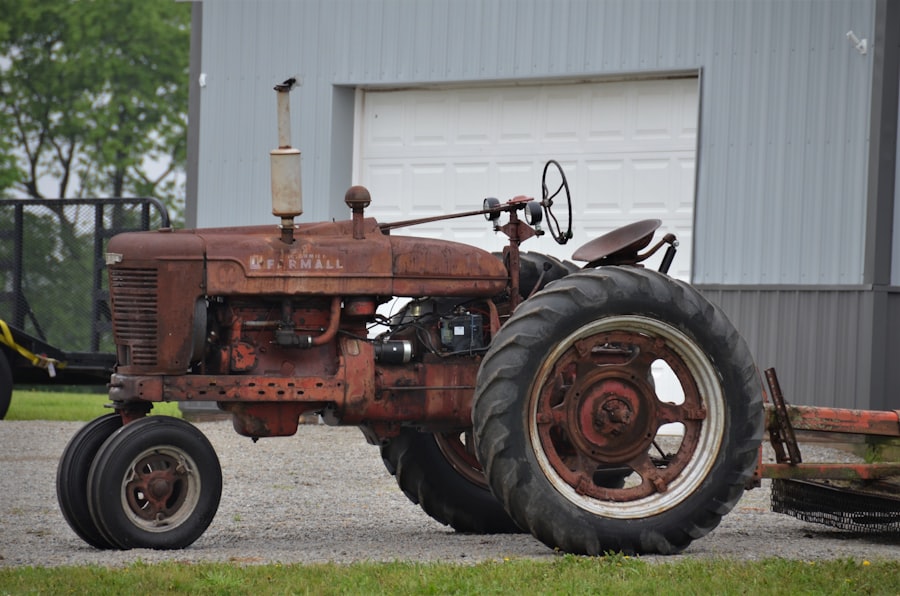
Preparation is vital when it comes to participating in local tractor auctions successfully. Start by researching the specific auction you plan to attend; familiarize yourself with the auctioneer’s reputation and any reviews from past participants. Understanding the auction format—whether it is live, online, or hybrid—will also help you prepare accordingly.
If it’s a live auction, plan your travel route and arrive early enough to register and inspect items. Another critical aspect of preparation is gathering necessary documentation and funds. Ensure you have a valid form of identification for registration purposes and bring along any required payment methods, whether cash, check, or credit card.
It’s also wise to have a checklist of items you’re interested in bidding on so that you can stay organized during the event. This checklist should include details such as model numbers, estimated values, and any specific features you’re looking for in each piece of equipment.
Ensuring a Successful Purchase at Local Tractor Auctions
To ensure a successful purchase at local tractor auctions, it’s essential to approach each bid with a clear strategy in mind. One effective strategy is to prioritize your top choices before entering the auction hall. By identifying which tractors or equipment are most critical for your needs, you can focus your attention on those items during the bidding process.
This targeted approach helps prevent distractions from other appealing items that may lead you off course. Additionally, consider establishing a maximum bid limit for each item based on your research and budget constraints. This limit should reflect not only your financial capacity but also the fair market value of similar equipment based on recent sales data.
By adhering strictly to this limit during bidding, you can avoid impulsive decisions driven by competitive emotions that often arise in auction settings.
The Importance of Researching Local Tractor Auctions Before Attending
Researching local tractor auctions before attending is paramount for making informed purchasing decisions. Knowledge about specific auction events allows potential buyers to understand what types of equipment will be available and helps them prepare accordingly. This research phase should include reviewing past auction results if available; understanding what similar tractors sold for previously can provide valuable context for setting your own bid limits.
Furthermore, researching individual items slated for auction can reveal critical information about their condition and market demand. Online forums and social media groups dedicated to farming equipment often share insights about specific models or brands that may be up for bid. Engaging with these communities can enhance your understanding of what constitutes a good deal versus an overpriced item.
Ultimately, thorough research equips bidders with the knowledge necessary to navigate local tractor auctions confidently and successfully.