
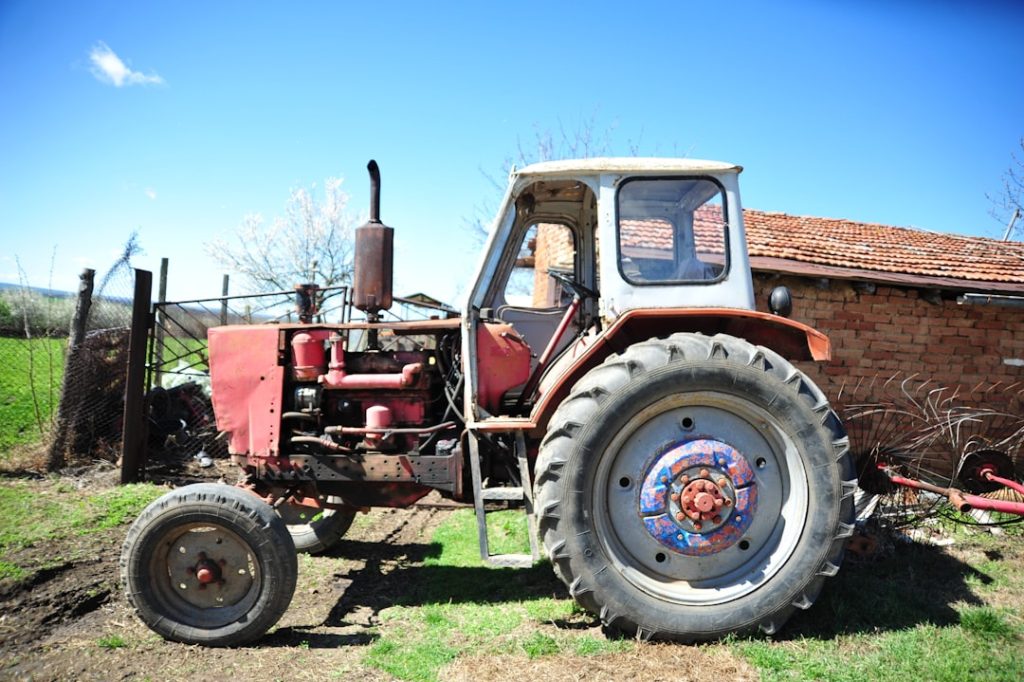
Attending farm tractor auctions offers a multitude of advantages for both seasoned farmers and newcomers to the agricultural sector. One of the most significant benefits is the opportunity to acquire high-quality equipment at competitive prices. Auctions often feature a wide range of tractors, from vintage models to the latest technology, allowing buyers to find machinery that fits their specific needs and budget.
Unlike traditional retail environments where prices are fixed, auctions create a dynamic atmosphere where bidders can potentially secure equipment at a fraction of its market value. This can be particularly advantageous for small-scale farmers or those just starting, as it allows them to invest in essential machinery without incurring crippling debt. Moreover, farm tractor auctions provide a unique chance to network with other agricultural professionals.

These events often attract a diverse crowd, including farmers, dealers, and equipment enthusiasts. Engaging with others in the industry can lead to valuable connections, insights into best practices, and even future business opportunities. Additionally, many auctions are held in rural areas where local communities gather, fostering a sense of camaraderie among attendees.
This social aspect can enhance the overall experience, making it not just a transaction but an event that strengthens community ties.
Key Takeaways
- Attending farm tractor auctions offers opportunities to find quality equipment at competitive prices.
- Researching local auction listings and online platforms helps locate nearby farm tractor auctions.
- Preparing by setting a budget and inspecting tractors beforehand ensures informed bidding decisions.
- Understanding the bidding process and tractor values is crucial to avoid overpaying.
- Evaluating tractor condition carefully and being aware of common pitfalls can prevent costly mistakes.

How to Locate Farm Tractor Auctions Near Me
Finding farm tractor auctions in your vicinity can be accomplished through various channels. One of the most effective methods is to utilize online resources. Websites dedicated to auction listings, such as AuctionZip or TractorHouse, provide comprehensive databases where users can search for upcoming auctions by location and date.
These platforms often include detailed descriptions of the equipment available, auction terms, and contact information for the auctioneers. Additionally, social media platforms like Facebook have groups specifically focused on agricultural equipment sales and auctions, where members frequently post about upcoming events. Local agricultural extension offices and farming cooperatives can also be invaluable resources for locating auctions.
These organizations often have connections within the farming community and can provide information about regional auctions that may not be widely advertised. Furthermore, attending local farming events or trade shows can yield leads on upcoming auctions, as vendors and fellow attendees may share information about where to find quality equipment at auction prices. By leveraging these various resources, prospective buyers can stay informed about auction opportunities in their area.
Tips for Preparing for a Farm Tractor Auction
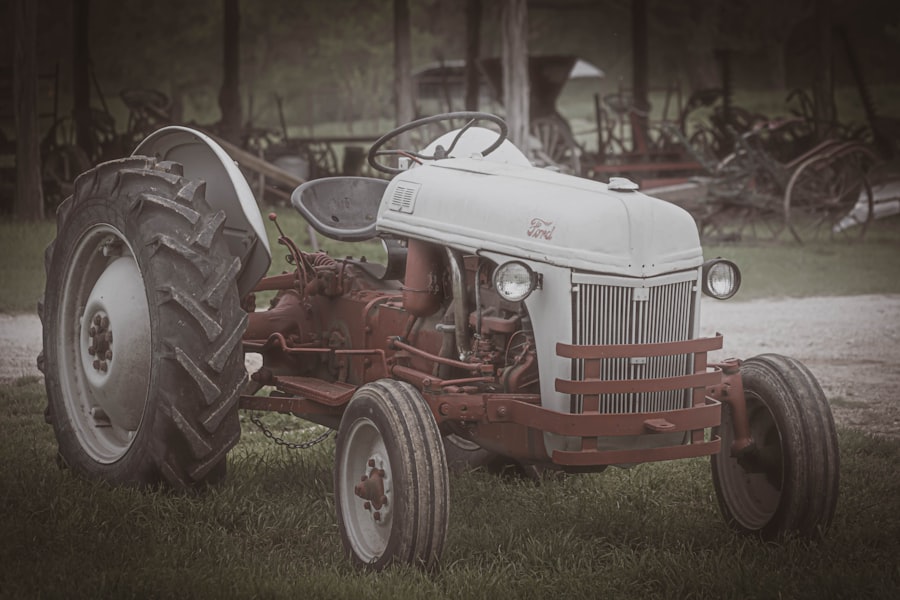
Preparation is key to successfully navigating a farm tractor auction. Before attending, it is crucial to establish a clear budget that outlines how much you are willing to spend on a tractor. This budget should take into account not only the purchase price but also additional costs such as transportation, potential repairs, and maintenance.
Having a firm financial limit helps prevent impulsive bidding and ensures that you remain within your means during the auction process. In addition to budgeting, researching the specific tractors you are interested in is essential. Familiarize yourself with different brands, models, and their respective market values.
This knowledge will empower you during the bidding process, allowing you to make informed decisions and avoid overbidding on equipment that may not meet your needs or expectations. It is also advisable to attend a few auctions prior to making a purchase; this will help you understand the auctioneer’s style and the general flow of bidding, making you more comfortable when it comes time to place your own bids.
What to Look for When Attending a Farm Tractor Auction
| Criteria | Description | Key Metrics | Importance Level |
|---|---|---|---|
| Tractor Condition | Overall mechanical and cosmetic state of the tractor | Engine hours, tire wear, rust, leaks | High |
| Make and Model | Brand reputation and model suitability for your needs | Manufacturer, model year, popularity | Medium |
| Maintenance History | Records of repairs and servicing | Service logs, replaced parts, last maintenance date | High |
| Functionality | Operational status of key components | Engine start, transmission, hydraulics, PTO | High |
| Attachments Included | Additional equipment sold with the tractor | Plows, loaders, mowers, backhoes | Medium |
| Auction Terms | Rules and conditions of sale | Payment terms, buyer’s premium, return policy | High |
| Market Value | Current resale value of similar tractors | Comparable sales, price trends | High |
| Inspection Opportunity | Ability to inspect tractor before bidding | Pre-auction viewing dates, inspection duration | High |
When attending a farm tractor auction, there are several critical factors to consider before making a bid. First and foremost, inspect the tractors thoroughly. Look for signs of wear and tear, such as rust, leaks, or unusual noises when the engine is running.
Pay attention to the condition of tires, hydraulic systems, and any attachments that may come with the tractor. A well-maintained machine can save you significant repair costs down the line, while a poorly maintained one may lead to unexpected expenses. Another important aspect to consider is the auctioneer’s reputation and the terms of sale.
Researching the auction house beforehand can provide insights into their credibility and customer service record. Understanding the terms of sale—such as buyer’s premiums, payment methods, and return policies—can also help you avoid unpleasant surprises during or after the auction. Additionally, it’s wise to observe how other bidders interact with the auctioneer; this can give you clues about bidding strategies and help you gauge the competition.
Understanding the Bidding Process at Farm Tractor Auctions
The bidding process at farm tractor auctions can be both exhilarating and intimidating for newcomers. Typically, auctions begin with an introduction from the auctioneer who outlines the rules and procedures for bidding. Bidders raise their paddles or signal their bids verbally as they compete against one another for their desired tractors.
It’s essential to remain calm and composed during this process; emotional bidding can lead to overspending or regrettable purchases. One effective strategy is to set a maximum bid limit before entering the auction room. This limit should be based on your research and budget considerations.
As bidding progresses, keep track of your competitors’ bids while remaining focused on your own limit. If bidding exceeds your maximum threshold, it’s crucial to walk away rather than getting caught up in the excitement of the moment. Additionally, consider using incremental bidding strategies—placing small increases rather than large jumps—to maintain control over your spending while still remaining competitive.
The Importance of Researching Farm Tractor Values Before Attending an Auction
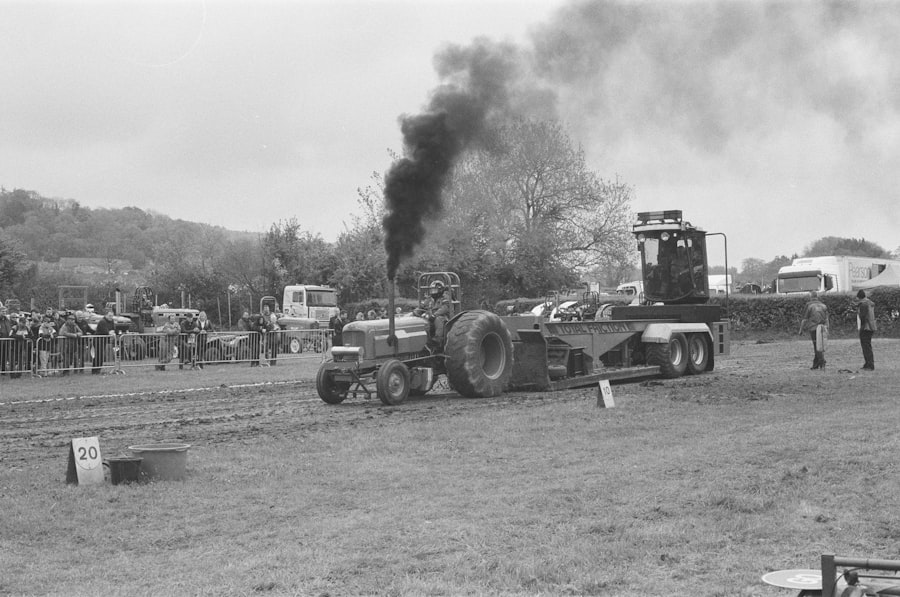
Understanding farm tractor values is paramount before participating in an auction. The agricultural equipment market can fluctuate based on various factors such as demand, seasonality, and technological advancements. By researching current market values through resources like online classifieds or industry publications, you can gain insight into what constitutes a fair price for specific models and brands.
Moreover, knowing the value of tractors allows you to identify potential bargains during the auction. If you come across a tractor that is significantly undervalued compared to its market price, it may present an excellent opportunity for investment or resale. Conversely, if a tractor’s bidding price exceeds its market value, being aware of this discrepancy will help you avoid making an unwise purchase.
This research not only enhances your confidence as a bidder but also equips you with the knowledge necessary to make sound financial decisions.
How to Evaluate the Condition of Farm Tractors at Auctions
Evaluating the condition of farm tractors at auctions requires a keen eye and some technical knowledge. Start by examining the exterior for any visible damage or signs of neglect. Look for rust spots on metal surfaces, which could indicate long-term exposure to moisture or poor storage conditions.
Inspecting undercarriages and wheel wells can reveal hidden issues that may not be immediately apparent. Next, assess the engine’s condition by checking fluid levels—oil, coolant, and hydraulic fluid should all be at appropriate levels without signs of contamination. If possible, request to start the engine; listen for any unusual sounds such as knocking or excessive vibration that could signal mechanical problems.
Additionally, test all operational features such as lights, brakes, and hydraulic systems to ensure they function correctly. A thorough evaluation will help you make informed decisions about which tractors are worth bidding on and which ones should be avoided.
The Potential Pitfalls to Avoid When Participating in Farm Tractor Auctions
While farm tractor auctions present numerous opportunities for buyers, they also come with potential pitfalls that participants should be aware of. One common mistake is failing to set a clear budget before entering the auction room. Without a predetermined spending limit, bidders may find themselves caught up in competitive bidding wars that lead to overspending and buyer’s remorse later on.
Another pitfall is neglecting due diligence regarding the auction terms and conditions. Each auction may have different rules regarding deposits, payment methods, and buyer’s premiums—additional fees charged by auction houses on top of winning bids. Failing to understand these terms can result in unexpected costs that could derail your purchasing plans or lead to disputes after the auction concludes.
Additionally, it’s essential not to overlook the importance of post-auction logistics. After winning a bid, buyers must consider transportation options for their new equipment. Arranging for delivery or pickup can add another layer of complexity if not planned ahead of time.
By being aware of these potential pitfalls and taking proactive steps to mitigate them, bidders can enhance their overall experience at farm tractor auctions while maximizing their chances of making successful purchases.