
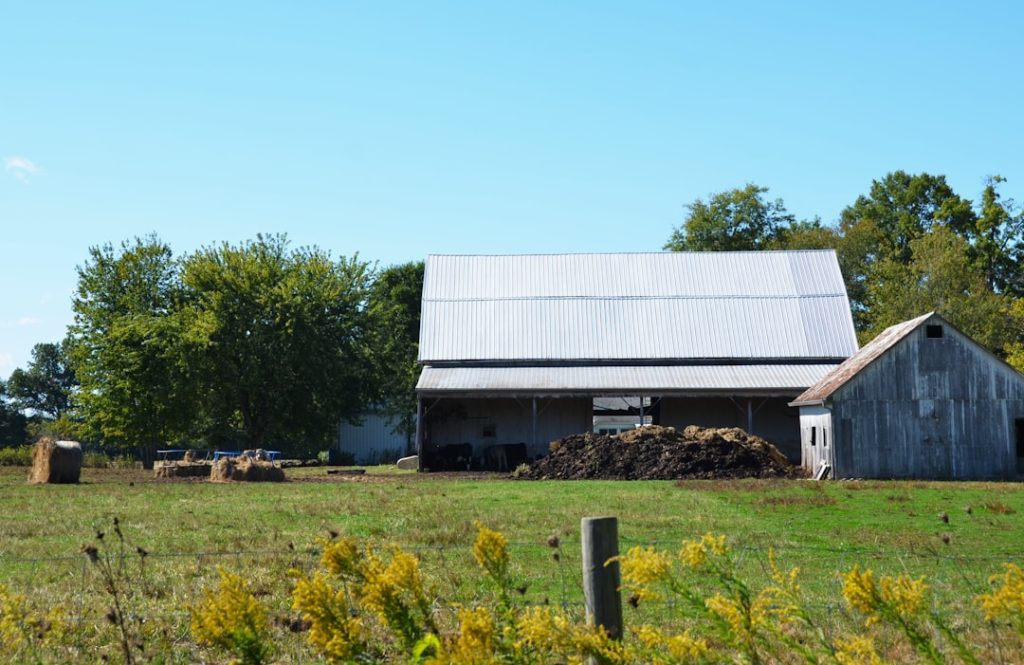
Farm supply auctions have become a vital component of the agricultural landscape, serving as a marketplace where farmers and agricultural enthusiasts can acquire essential equipment, tools, and supplies at competitive prices. These auctions are not merely events; they are gatherings that foster community, promote local economies, and provide opportunities for networking among farmers, suppliers, and agricultural service providers. The concept of farm supply auctions is rooted in the tradition of auctioning goods to the highest bidder, a practice that dates back centuries.
However, in the context of modern agriculture, these auctions have evolved to meet the specific needs of farmers who require reliable and affordable resources to sustain their operations. The appeal of farm supply auctions lies in their ability to offer a diverse range of products, from heavy machinery to everyday farming supplies. Participants can find everything from tractors and plows to seeds and fertilizers, all in one location.
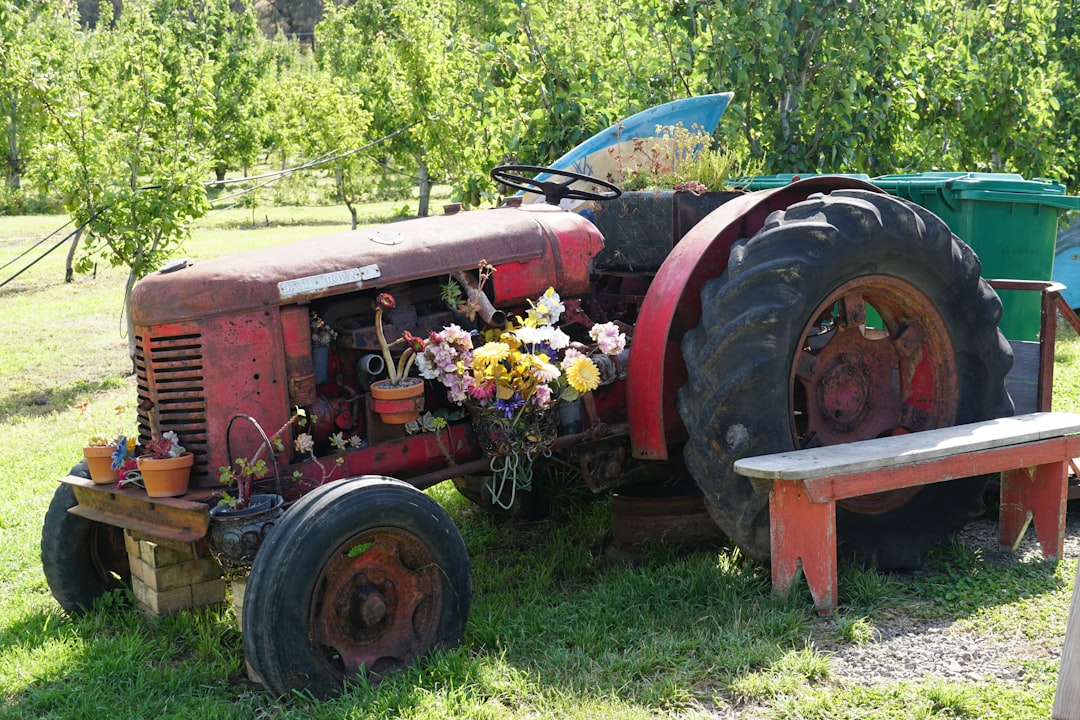
This convenience is particularly beneficial for farmers who may not have easy access to retail outlets or who are looking to save on transportation costs. Additionally, the auction format allows buyers to set their own prices based on their budget and perceived value of the items, creating a dynamic environment that can lead to significant savings. As agriculture continues to face challenges such as fluctuating market prices and climate change, farm supply auctions provide a practical solution for farmers seeking to optimize their operations.
Key Takeaways
- Farm supply auctions offer a wide range of essential farming equipment and supplies.
- Participating in auctions can lead to significant cost savings for farmers.
- Understanding the auction process is crucial for successful bidding.
- Proper preparation and research enhance the chances of securing needed items.
- Navigating auctions effectively requires strategic tips and knowledge of bidding practices.
Essential Equipment and Supplies Available
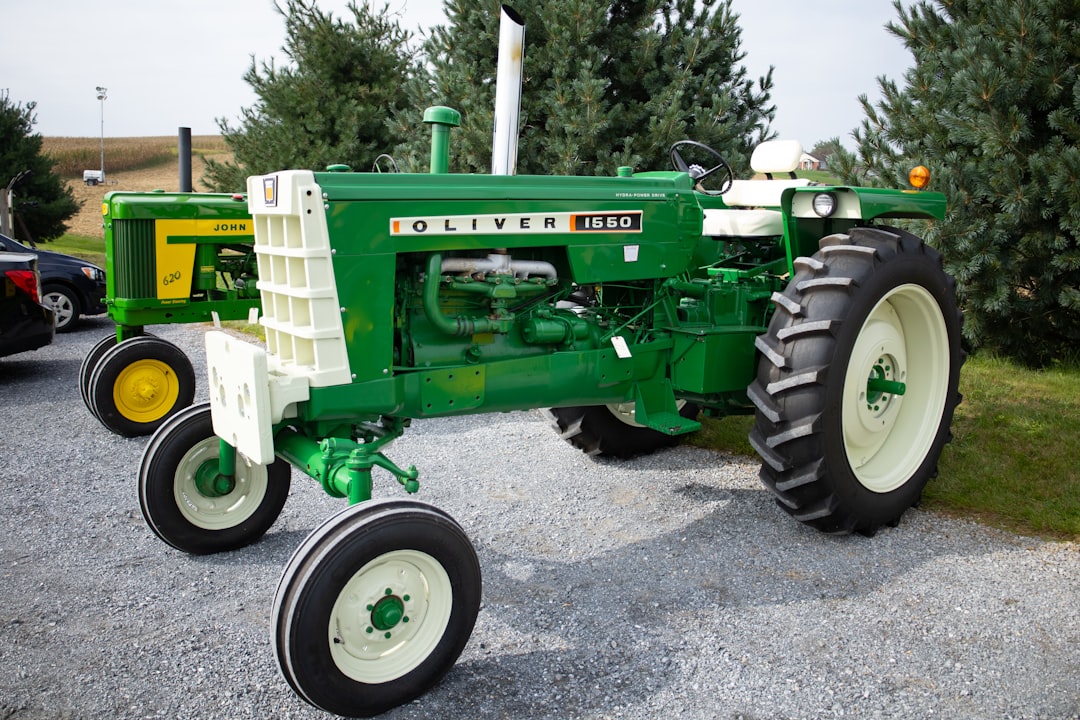
At a typical farm supply auction, one can expect to encounter a wide array of essential equipment and supplies tailored to meet the diverse needs of agricultural operations. Heavy machinery is often the centerpiece of these auctions, with items such as tractors, combines, and tillers drawing significant attention from bidders. For instance, a well-maintained John Deere tractor can be a game-changer for a small farm, enabling more efficient planting and harvesting processes.
Additionally, specialized equipment like seeders and irrigation systems are frequently available, allowing farmers to enhance their productivity and adapt to varying crop requirements. Beyond machinery, farm supply auctions also feature a plethora of smaller tools and supplies that are crucial for day-to-day operations. Hand tools such as shovels, hoes, and pruners are commonly auctioned off alongside larger equipment.
Furthermore, supplies like fertilizers, pesticides, and animal feed are often available in bulk quantities, providing farmers with the opportunity to stock up on necessary materials at reduced prices. For example, purchasing a pallet of organic fertilizer at an auction can lead to substantial savings compared to retail prices. This variety ensures that farmers can find everything they need in one place, making farm supply auctions an efficient shopping experience.
Benefits of Participating in a Farm Supply Auction
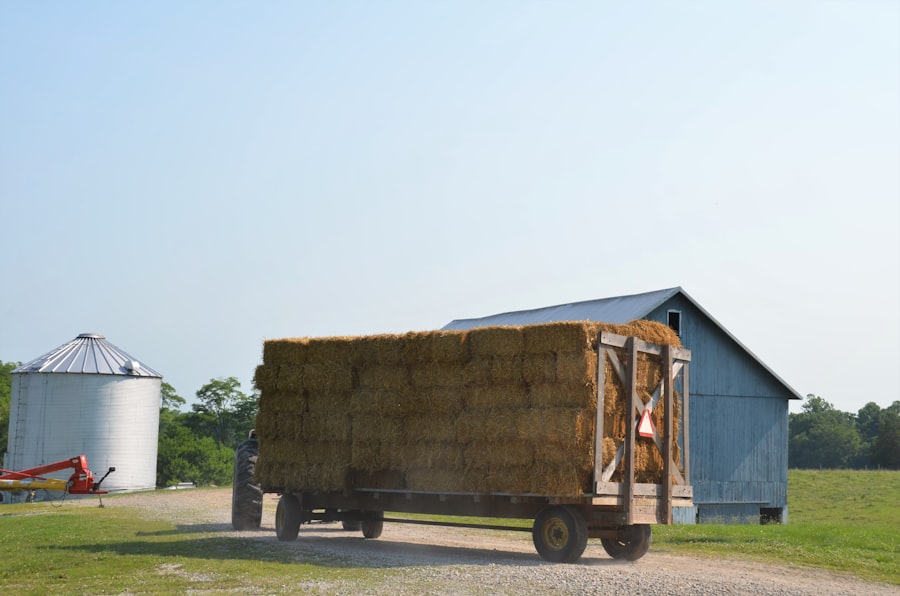
Participating in a farm supply auction offers numerous benefits that extend beyond mere cost savings. One of the most significant advantages is the opportunity for farmers to acquire high-quality equipment and supplies that may otherwise be financially out of reach. Auctions often feature items that are gently used or even new but are being sold at a fraction of their retail value due to various reasons such as estate sales or business liquidations.
This means that savvy bidders can secure top-notch equipment without incurring the hefty price tag typically associated with brand-new items. Moreover, farm supply auctions foster a sense of community among participants. Farmers often share insights and experiences during these events, creating an environment conducive to networking and collaboration.
This communal aspect can lead to valuable connections that may result in partnerships or shared resources in the future. Additionally, attending these auctions allows farmers to stay informed about industry trends and innovations as they interact with other attendees and vendors. The knowledge gained from these interactions can be instrumental in making informed decisions about future purchases or operational strategies.
Tips for Successfully Navigating a Farm Supply Auction
| Tip | Description | Metric/Consideration |
|---|---|---|
| Research Items | Know the value and condition of items before bidding. | Average market price, item condition rating (1-10) |
| Set a Budget | Determine your maximum bid to avoid overspending. | Maximum bid limit, percentage of budget allocated |
| Arrive Early | Inspect items and register for bidding. | Time before auction start (minutes), number of items inspected |
| Understand Auction Rules | Familiarize yourself with bidding increments and payment terms. | Bidding increment size, payment deadline (hours/days) |
| Stay Calm and Patient | Don’t get caught in bidding wars; stick to your plan. | Number of bids placed, time spent bidding (minutes) |
| Inspect Items Thoroughly | Check for wear, damage, and functionality. | Inspection time per item (minutes), number of items inspected |
| Bring Necessary Equipment | Have tools for item removal and transport ready. | Number of tools brought, transport capacity |
| Network with Sellers and Buyers | Build relationships for future auctions and deals. | Number of contacts made, follow-up meetings scheduled |
| Review Payment and Pickup Terms | Know deadlines and fees for payment and item removal. | Payment deadline (hours/days), pickup deadline (hours/days), storage fees |
Navigating a farm supply auction requires preparation and strategy to maximize the chances of securing desired items at favorable prices. One essential tip is to conduct thorough research prior to the auction day. Familiarizing oneself with the types of equipment and supplies available can help bidders identify what they need most urgently.
Additionally, understanding the market value of specific items can provide insight into what constitutes a fair price during bidding. For instance, if a farmer knows that a particular model of tractor typically retails for $20,000 but sees it listed at an auction starting at $15,000, they can gauge whether it’s worth pursuing. Another critical aspect of successful bidding is setting a budget beforehand.
It’s easy to get caught up in the excitement of an auction and overspend on impulse purchases. By establishing a clear budget based on financial capabilities and needs, bidders can maintain control over their spending. Furthermore, it’s advisable to arrive early at the auction venue to inspect items before bidding begins.
This allows potential buyers to assess the condition of equipment firsthand and ask questions about maintenance history or usage. Being well-informed about the items up for bid can significantly enhance the likelihood of making wise purchasing decisions.
How to Prepare for a Farm Supply Auction
Preparation is key when it comes to participating in a farm supply auction effectively. One of the first steps is to register for the auction in advance if possible. Many auctions require pre-registration, which may involve providing personal information and agreeing to terms and conditions.
This process not only secures a bidder’s spot but also allows them to receive updates about the auction details, including any changes or additional items that may be added to the lineup. In addition to registration, creating a checklist of desired items can streamline the bidding process. This list should include specific equipment or supplies needed for current farming operations as well as any potential upgrades or replacements for older tools.
By prioritizing these items based on necessity and budget constraints, bidders can focus their efforts during the auction rather than becoming overwhelmed by the sheer volume of available goods. Furthermore, bringing along necessary tools such as measuring tapes or calculators can assist in evaluating whether certain items will fit into existing operations or budgets.
Understanding the Auction Process
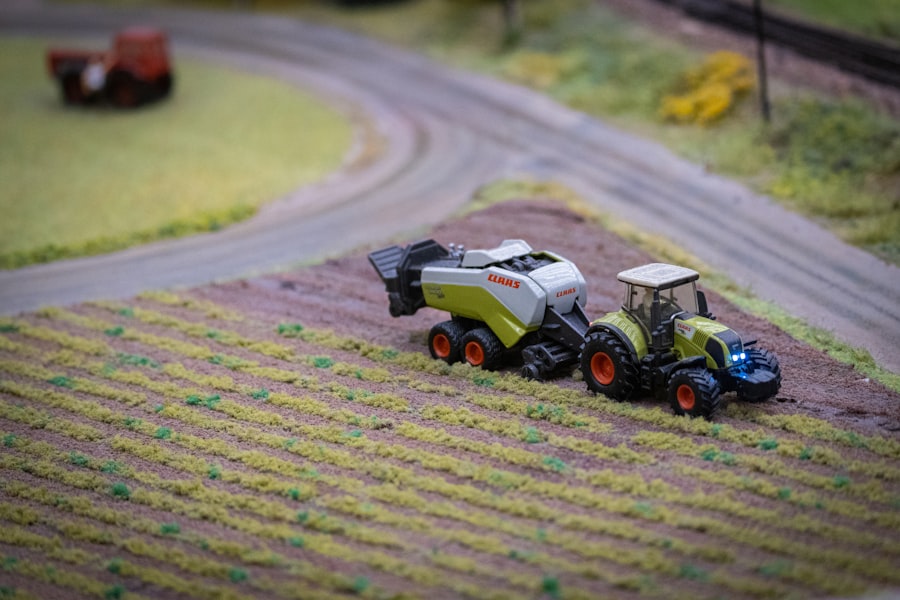
Understanding the auction process is crucial for anyone looking to participate effectively in a farm supply auction. Typically, auctions begin with an overview from the auctioneer who outlines the rules and procedures for bidding. This may include information on how bids will be placed—whether through raised paddles or electronic devices—and any minimum bid increments that must be adhered to during the auction.
Familiarizing oneself with these rules can prevent misunderstandings that could lead to missed opportunities. Once bidding commences, it’s essential for participants to remain attentive and engaged throughout the process. Bidders should keep track of their desired items as well as their competitors’ bids.
It’s not uncommon for bidding wars to ensue over popular items; thus, being aware of one’s limits is vital. Additionally, some auctions may offer “buy it now” options for certain items, allowing bidders to purchase them immediately at a set price rather than waiting for bidding to conclude. Understanding these nuances can provide strategic advantages during the auction.
Potential Cost Savings at a Farm Supply Auction
One of the most compelling reasons for attending farm supply auctions is the potential for significant cost savings on essential equipment and supplies. Auctions often feature items that have been well-maintained but are no longer needed by their previous owners due to changes in farming practices or retirement from agriculture altogether. As a result, bidders can find high-quality machinery at prices well below market value.
For example, a farmer might find a used combine harvester that has been gently used but is being sold at half its original price due to its owner’s decision to downsize operations. Moreover, bulk purchasing opportunities at auctions can lead to further savings. Many suppliers offer discounts on larger quantities of products such as seeds or fertilizers during auctions, encouraging farmers to stock up for future seasons while minimizing costs per unit.
This approach not only helps farmers save money but also ensures they have adequate supplies on hand when needed most—particularly during planting or harvesting seasons when demand peaks.
Conclusion and Final Thoughts on Farm Supply Auctions
Farm supply auctions represent an invaluable resource for farmers seeking quality equipment and supplies at competitive prices while fostering community engagement within the agricultural sector. The diverse range of products available—from heavy machinery to everyday farming essentials—ensures that participants can find what they need without extensive travel or high costs associated with traditional retail outlets. By understanding the auction process and preparing adequately beforehand, bidders can navigate these events successfully while maximizing their potential savings.
Ultimately, farm supply auctions serve as more than just marketplaces; they are vibrant gatherings that connect individuals within the agricultural community while promoting sustainable practices through resource sharing and collaboration. As agriculture continues to evolve in response to global challenges, participating in farm supply auctions will remain an essential strategy for farmers looking to thrive in an ever-changing landscape.