
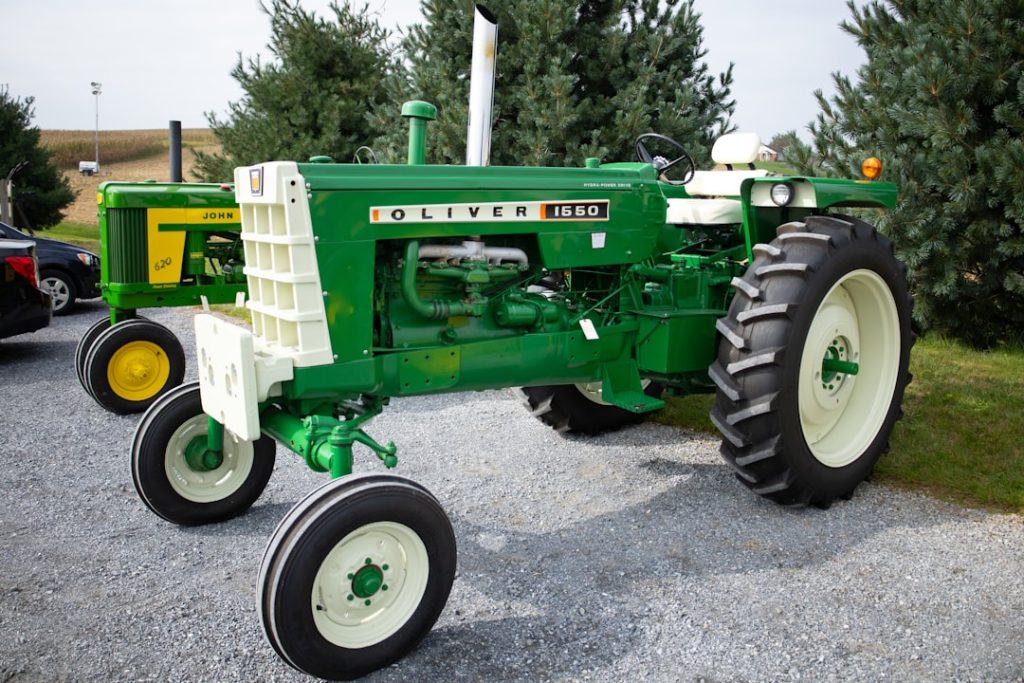
The history of collectible tractors is deeply intertwined with the evolution of agriculture and mechanization. Tractors emerged in the late 19th century as a response to the growing need for efficient farming equipment. The first gasoline-powered tractor, the Hart-Parr 191, was introduced in 1901, marking a significant shift from horse-drawn plows to mechanized farming.
This transition not only revolutionized agricultural practices but also laid the groundwork for the future of tractor manufacturing. As tractors became more prevalent, they began to symbolize progress and innovation in rural America, leading to a burgeoning interest in their historical significance. By the mid-20th century, tractors had become essential tools on farms across the globe.
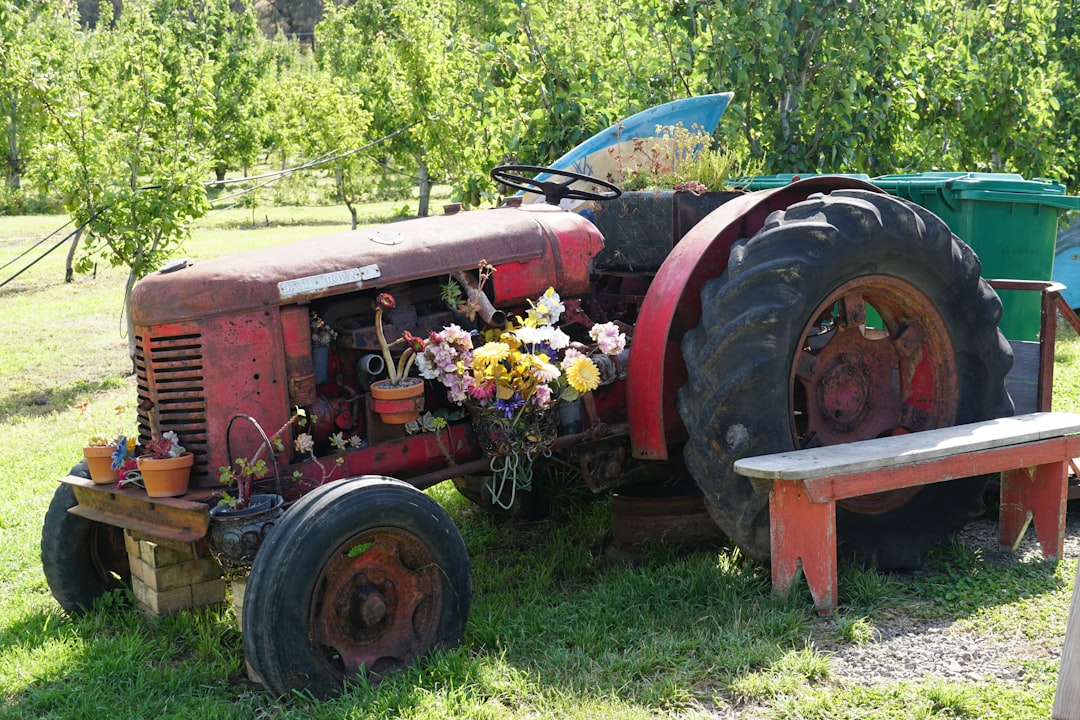
The post-World War II era saw a surge in tractor production, with companies like John Deere, International Harvester, and Ford leading the charge. These manufacturers produced a variety of models that catered to different farming needs, and many of these machines have since become highly sought after by collectors. The nostalgia associated with these vintage models, combined with their mechanical ingenuity, has fostered a vibrant community of enthusiasts dedicated to preserving the legacy of these agricultural workhorses.
Collectible tractors are not merely relics; they represent a pivotal chapter in agricultural history that continues to resonate with collectors today.
Key Takeaways
- Collectible tractors have a rich history reflecting agricultural and industrial heritage.
- Various types of collectible tractors include vintage, rare models, and limited editions.
- Starting a collection involves research, budgeting, and connecting with knowledgeable sources.
- Restoration and maintenance are key to preserving tractor value and functionality.
- A passionate community supports enthusiasts, influencing the market and future trends.
Types of Collectible Tractors
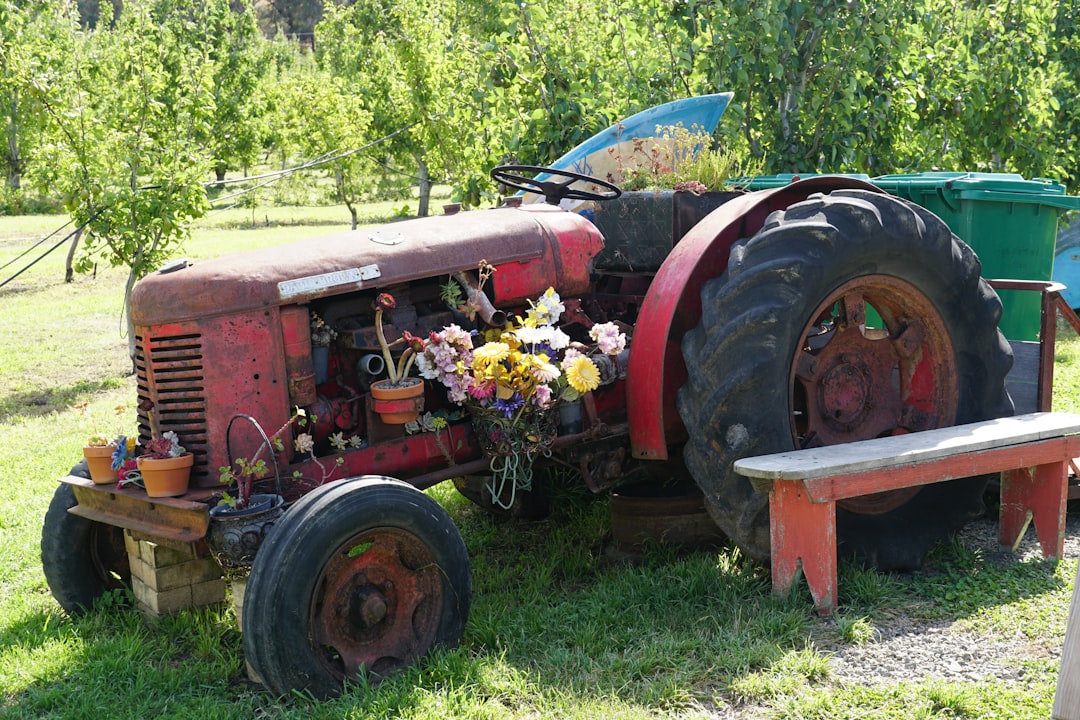
Collectible tractors can be categorized into several types based on their age, brand, and functionality. Vintage tractors, typically those manufactured before 1960, are among the most sought after by collectors. These machines often feature unique designs and engineering that reflect the technological capabilities of their time.
For instance, the Fordson Model F, produced in the early 1920s, is notable for its innovative use of a lightweight design and a simple engine layout, making it a favorite among collectors who appreciate its historical significance. Another category includes classic tractors from the mid-20th century, which often showcase advancements in technology and design. Models like the John Deere Model A and the International Harvester Farmall series are prime examples of this era.
These tractors not only represent a shift towards more powerful and efficient machines but also embody the aesthetic appeal that many collectors find irresistible. Additionally, there are specialty tractors designed for specific tasks, such as orchard or vineyard tractors, which can also attract collectors due to their unique features and limited production runs.
How to Start a Collection of Collectible Tractors
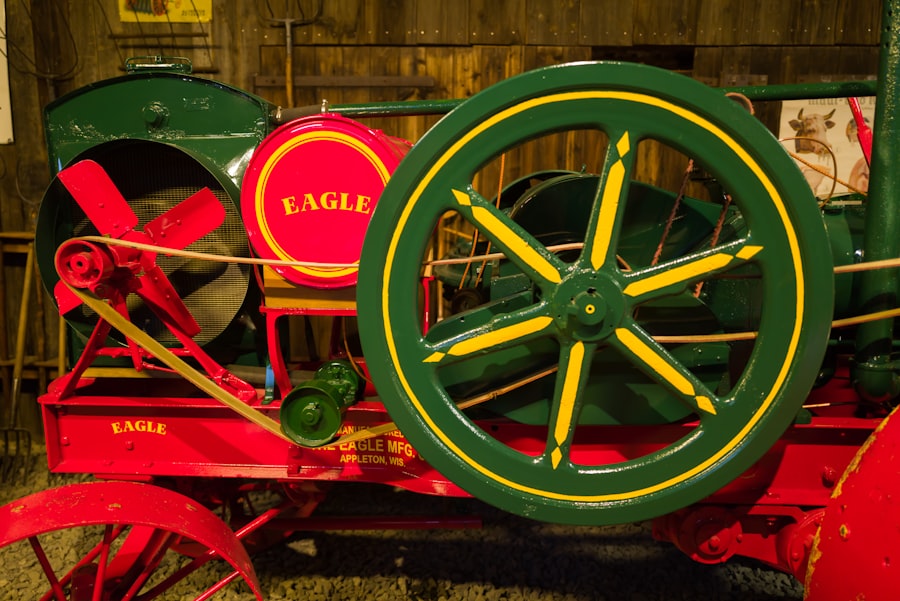
Starting a collection of collectible tractors requires careful planning and a clear understanding of one’s interests within this niche hobby. First and foremost, potential collectors should educate themselves about the various types of tractors available and identify which models resonate with them personally. This could involve researching different brands, attending tractor shows, or joining online forums dedicated to tractor enthusiasts.
Understanding the history and specifications of various models can help collectors make informed decisions when it comes to purchasing. Once a collector has identified their area of interest, it is essential to establish a budget. Collectible tractors can range significantly in price based on their condition, rarity, and demand.
Setting a budget will help narrow down options and prevent overspending on initial purchases. It is also advisable for new collectors to start with more accessible models before moving on to rare or high-value tractors. This approach allows for gradual learning about restoration and maintenance while building confidence in making future acquisitions.
Where to Find Collectible Tractors
| Source | Type of Tractors | Average Price Range | Condition | Location | Notes |
|---|---|---|---|---|---|
| Online Auction Sites | Vintage, Rare Models | 1,000 – 15,000 | Restored to Original | Worldwide | Check auction schedules and bidding rules |
| Antique Tractor Shows | Classic Collectibles | Varies | Often Restored or Well-Maintained | Regional / National | Great for networking with collectors |
| Farm Equipment Dealers | Used and Restored Tractors | 2,000 – 10,000 | Good to Excellent | Local / Regional | May offer warranties or service |
| Classified Ads (Print & Online) | Various Models | 500 – 8,000 | Condition Varies | Local | Direct seller contact, negotiate price |
| Collector Clubs & Forums | Rare and Custom Tractors | Varies | Often Excellent | Worldwide | Access to private sales and advice |
Finding collectible tractors can be an exciting adventure for enthusiasts. Various avenues exist for sourcing these machines, each offering unique opportunities and challenges. One of the most popular methods is attending tractor shows and auctions, where collectors can view a wide range of models in person.
Events like the National Farm Machinery Show or local county fairs often feature vintage tractors on display and for sale. These gatherings not only provide access to potential purchases but also allow collectors to network with other enthusiasts and gain insights into the market. Online platforms have also revolutionized how collectors find tractors.
Websites such as eBay, Craigslist, and specialized auction sites like Mecum Auctions offer listings for collectible tractors from across the country. Social media groups dedicated to tractor collecting can also be valuable resources for finding leads on available models or connecting with sellers directly. Additionally, local classifieds or farm equipment dealerships may have listings for vintage tractors that are not widely advertised online.
Restoring and Maintaining Collectible Tractors
Restoring collectible tractors is both an art and a science that requires patience, skill, and a deep appreciation for mechanical engineering. Many collectors take pride in restoring their tractors to their original condition or even enhancing them with modern upgrades while maintaining their vintage charm. The restoration process often begins with a thorough assessment of the tractor’s condition, identifying areas that require repair or replacement.
This may involve sourcing original parts from specialty suppliers or salvaging components from other vintage machines. Maintenance is equally important for preserving the value and functionality of collectible tractors. Regular upkeep includes oil changes, checking fluid levels, and inspecting belts and hoses for wear.
Many collectors also invest time in cleaning and detailing their tractors to keep them looking pristine for shows or exhibitions. Understanding the specific maintenance needs of different models is crucial; for instance, some older tractors may require more frequent attention due to outdated technology or materials that are less durable than modern counterparts.
The Community of Collectible Tractor Enthusiasts
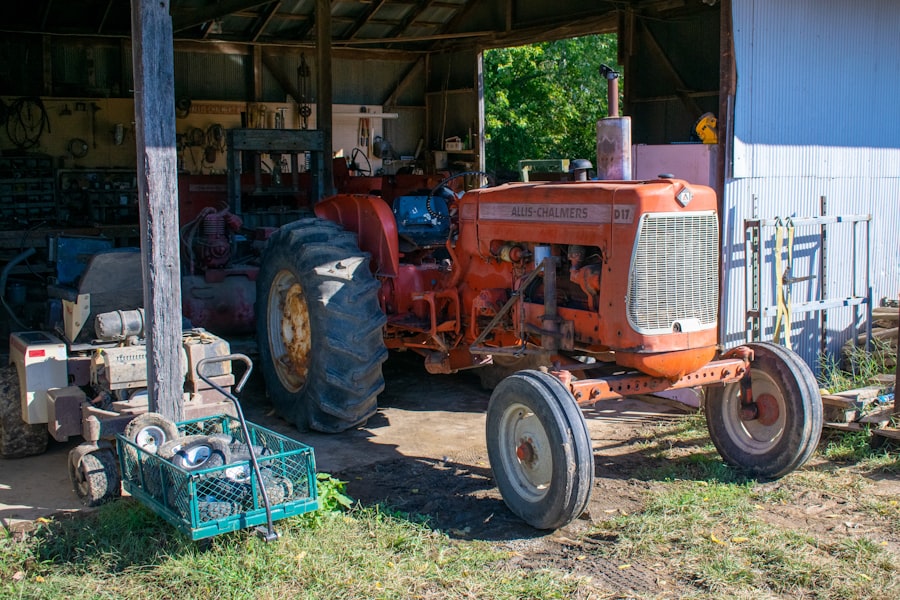
The community surrounding collectible tractors is vibrant and diverse, encompassing individuals from various backgrounds united by their passion for these machines. Enthusiasts often gather at events such as tractor shows, parades, and swap meets where they can share knowledge, trade parts, and showcase their collections. These gatherings foster camaraderie among collectors who appreciate not only the mechanical aspects of tractors but also the stories behind each model and its place in agricultural history.
Online forums and social media groups have further expanded this community by providing platforms for discussion and collaboration among collectors worldwide. Members share tips on restoration techniques, post photos of their latest acquisitions, and offer advice on sourcing parts or troubleshooting mechanical issues. This sense of community is invaluable for newcomers who may feel overwhelmed by the intricacies of tractor collecting; experienced members are often eager to mentor those just starting out.
The Value of Collectible Tractors
The value of collectible tractors can vary widely based on several factors including rarity, condition, brand reputation, and historical significance. Some models may fetch thousands of dollars at auction due to their limited production runs or unique features that appeal to collectors. For example, rare models like the 1939 John Deere Model B can command high prices due to their iconic status among vintage tractor enthusiasts.
Market trends also play a significant role in determining value; as interest in vintage machinery grows, so too does demand for specific models. Collectors should stay informed about market fluctuations by following auction results and engaging with fellow enthusiasts to gauge which models are currently in demand. Additionally, maintaining thorough documentation of a tractor’s history—including previous ownership records and restoration details—can enhance its value over time.
The Future of Collectible Tractors
The future of collectible tractors appears promising as interest in vintage machinery continues to grow among new generations of enthusiasts. As agricultural practices evolve with advancements in technology, many young people are developing an appreciation for the historical significance of older models that laid the groundwork for modern farming techniques. This renewed interest is reflected in increased attendance at tractor shows and events dedicated to celebrating agricultural heritage.
Moreover, advancements in technology are making it easier than ever for collectors to restore and maintain their tractors. Access to online resources such as instructional videos and forums allows enthusiasts to learn new skills and share knowledge about restoration techniques that were once limited to experienced mechanics. As more people engage with this hobby, it is likely that the community will continue to expand, ensuring that the legacy of collectible tractors remains alive for future generations to appreciate and enjoy.