
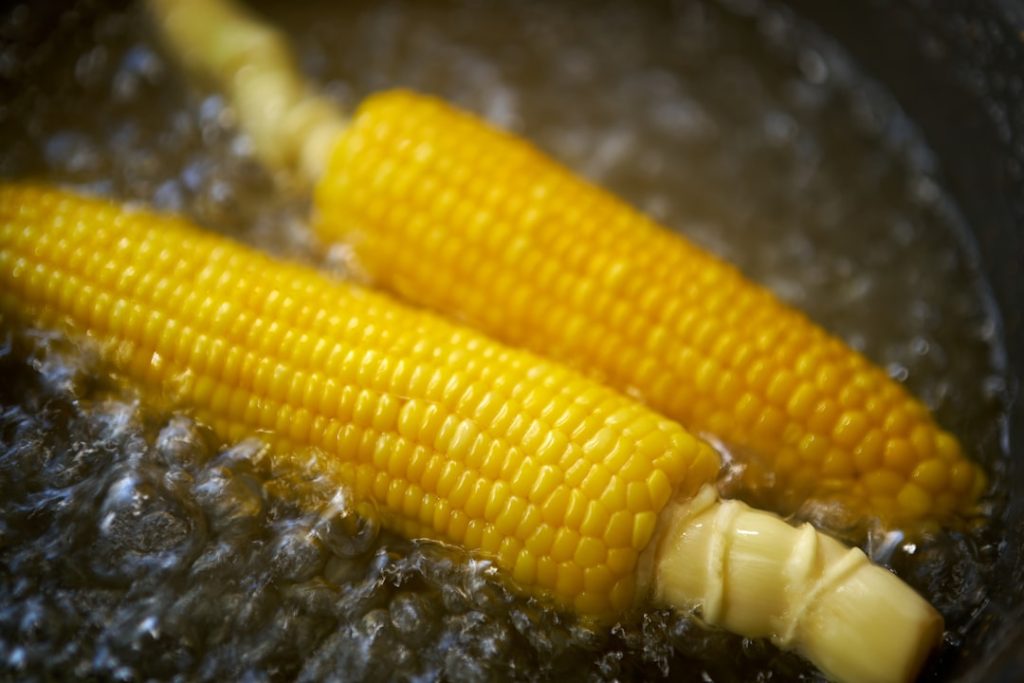
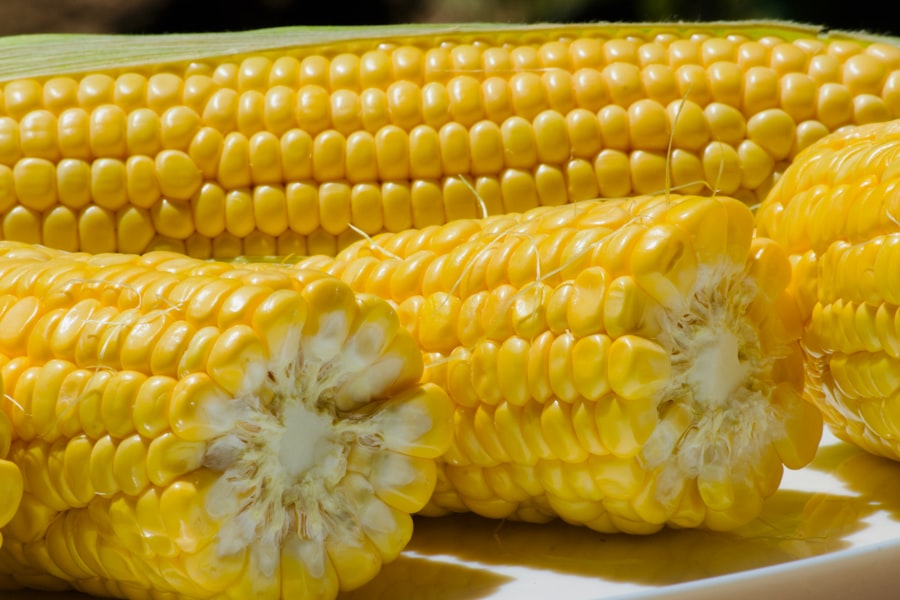
Corn shelling is a critical process in the agricultural sector, particularly in regions where corn is a staple crop. The act of removing the kernels from the cob is essential for both commercial and personal use, as it prepares the corn for storage, processing, and consumption. Historically, corn shelling was a labor-intensive task, often performed by hand or with rudimentary tools.
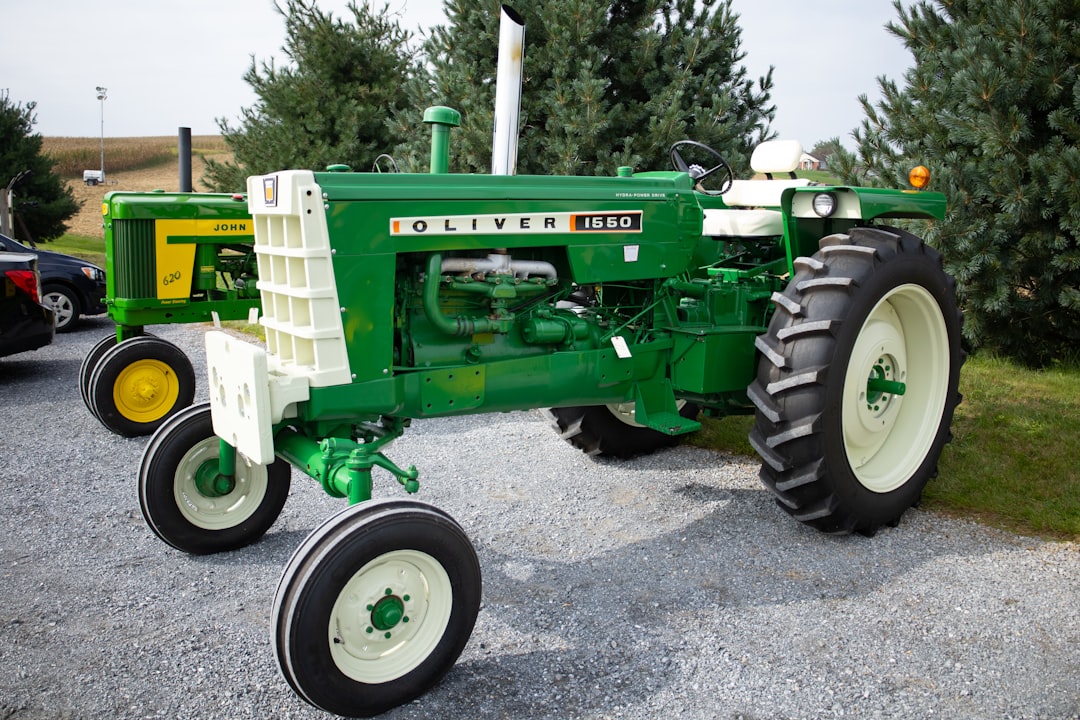
However, advancements in agricultural technology have led to the development of specialized machinery designed to streamline this process. Among these innovations, the JD Corn Sheller stands out as a reliable and efficient tool that has transformed how farmers approach corn harvesting. The JD Corn Sheller, manufactured by John Deere, is engineered to handle various corn varieties and is known for its durability and performance.
This machine not only increases productivity but also reduces the physical strain on workers, allowing for a more efficient harvest. As farmers face increasing demands for higher yields and better quality produce, understanding the benefits and operational aspects of corn shelling equipment like the JD Corn Sheller becomes essential for modern agricultural practices.
Key Takeaways
- The JD Corn Sheller offers an efficient and reliable method for removing kernels from corn cobs.
- Proper usage and regular maintenance are essential to ensure optimal performance and longevity of the sheller.
- Utilizing tips like adjusting settings and feeding techniques can maximize shelling efficiency.
- Compared to traditional methods, the JD Corn Sheller provides faster processing and less manual labor.
- Troubleshooting common issues promptly helps maintain smooth operation and prevents downtime.
Benefits of Using a JD Corn Sheller
One of the primary advantages of using a JD Corn Sheller is its efficiency. Traditional methods of shelling corn can be time-consuming and labor-intensive, often requiring multiple workers to achieve satisfactory results. In contrast, the JD Corn Sheller can process large quantities of corn in a fraction of the time, significantly increasing output.
This efficiency not only saves time but also allows farmers to allocate their labor resources more effectively, focusing on other critical tasks during the harvest season. Moreover, the JD Corn Sheller is designed with precision engineering that minimizes kernel damage during the shelling process. This is crucial because damaged kernels can lead to spoilage and reduced market value.
The machine’s design ensures that kernels are removed cleanly from the cob without excessive bruising or breakage. As a result, farmers can expect higher quality yields that are more appealing to buyers and consumers alike. Additionally, the JD Corn Sheller is built to handle various corn types, making it a versatile tool for farmers who cultivate different varieties.
How to Use a JD Corn Sheller
Using a JD Corn Sheller is relatively straightforward, but it requires some preparation to ensure optimal performance. Before operating the machine, it is essential to familiarize oneself with its components and controls. The first step involves setting up the sheller in a suitable location, ideally near the corn field to minimize transportation time.
Once positioned, operators should ensure that the machine is securely connected to a power source or tractor, depending on the model. After setup, the next step is to adjust the settings based on the type of corn being shelled. Different varieties may require specific adjustments to achieve the best results.
For instance, some models allow operators to modify the speed of the shelling process or the pressure applied during shelling. Once these settings are configured, operators can begin feeding cobs into the machine. It is crucial to feed the cobs evenly and at a consistent rate to prevent jams and ensure smooth operation.
As the machine processes the corn, operators should monitor its performance and make any necessary adjustments to maintain efficiency.
Maintenance and Care for Your JD Corn Sheller
| Maintenance Task | Frequency | Tools/Materials Needed | Notes |
|---|---|---|---|
| Cleaning the Sheller | After every use | Brush, compressed air | Remove dust, husks, and debris to prevent clogging |
| Lubricating Moving Parts | Monthly or every 50 hours of use | Light machine oil or grease | Focus on bearings and shafts to reduce wear |
| Inspecting for Wear and Damage | Monthly | Visual inspection, wrench set | Check for cracks, loose bolts, or worn components |
| Tightening Bolts and Screws | Monthly or as needed | Wrench, screwdriver | Ensure all fasteners are secure to maintain safety |
| Replacing Worn Parts | As needed | Replacement parts specific to JD Corn Sheller | Use genuine parts for optimal performance |
| Storage | After season or prolonged inactivity | Dry cloth, protective cover | Store in a dry, sheltered place to prevent rust |
Proper maintenance of a JD Corn Sheller is vital for ensuring its longevity and optimal performance. Regular inspections should be conducted to check for wear and tear on critical components such as belts, bearings, and blades. Keeping these parts in good condition not only enhances efficiency but also prevents costly breakdowns during peak harvesting times.
Operators should refer to the manufacturer’s guidelines for specific maintenance schedules and procedures. Cleaning the machine after each use is another essential aspect of maintenance. Residual corn debris can accumulate within the sheller, potentially leading to clogs or mechanical issues if not addressed promptly.
A thorough cleaning involves removing any leftover kernels and husks from both the exterior and interior of the machine. Additionally, lubricating moving parts according to the manufacturer’s recommendations will help reduce friction and wear over time. By adhering to these maintenance practices, farmers can ensure that their JD Corn Sheller remains in excellent working condition for many seasons.
Tips for Maximizing Efficiency with a JD Corn Sheller
To maximize efficiency when using a JD Corn Sheller, operators should consider several best practices that can enhance productivity. First and foremost, organizing the workflow can significantly impact how quickly corn is shelled. Setting up a system where cobs are fed into the machine continuously will help maintain a steady output.
This may involve having additional workers on hand to prepare cobs for shelling while others operate the machine. Another effective strategy is to monitor environmental conditions during shelling. Humidity levels can affect kernel moisture content, which in turn influences shelling efficiency.
Ideally, corn should be shelled when it is at an optimal moisture level—typically around 15-20%. If conditions are too wet or too dry, it may lead to increased kernel damage or inefficient shelling. By timing operations according to weather conditions and moisture levels, farmers can achieve better results.
Comparing JD Corn Sheller to Other Corn Shelling Methods

When evaluating corn shelling methods, it is essential to compare the JD Corn Sheller with other available options in terms of efficiency, cost-effectiveness, and ease of use. Traditional hand shelling methods are labor-intensive and time-consuming; they require significant physical effort and often result in lower yields due to inefficiencies in processing speed. While hand shelling may be suitable for small-scale operations or home gardens, it cannot compete with mechanized solutions like the JD Corn Sheller in larger agricultural settings.
Other mechanical options include smaller-scale shellers or older models that may not offer the same level of efficiency or durability as modern machines like those produced by John Deere. While these alternatives may have lower upfront costs, they often lack advanced features such as adjustable settings for different corn varieties or enhanced kernel protection mechanisms. Consequently, investing in a JD Corn Sheller can lead to greater long-term savings through increased productivity and reduced labor costs.
Common Issues and Troubleshooting with JD Corn Sheller
Despite its robust design and reliability, users may encounter common issues when operating a JD Corn Sheller. One frequent problem is clogging due to improper feeding techniques or excessive debris buildup within the machine. If operators notice a slowdown in processing speed or unusual noises coming from the sheller, it may indicate that a clog has formed.
To resolve this issue, operators should stop the machine immediately and carefully clear any obstructions before resuming operation. Another potential issue involves mechanical failures related to worn-out parts or inadequate lubrication. If components such as belts or bearings show signs of wear, they may need replacement to restore optimal performance.
Regular maintenance checks can help identify these problems before they escalate into more significant issues that could halt operations entirely. By staying vigilant and addressing minor concerns promptly, operators can minimize downtime and maintain efficient shelling operations.
Conclusion and Final Thoughts on Efficient Corn Shelling with JD Corn Sheller
The JD Corn Sheller represents a significant advancement in agricultural technology that has transformed how farmers approach corn harvesting. Its efficiency, precision engineering, and ease of use make it an invaluable tool for modern agriculture. By understanding how to operate and maintain this equipment effectively, farmers can maximize their yields while minimizing labor costs.
As agricultural demands continue to evolve, investing in reliable machinery like the JD Corn Sheller will be crucial for staying competitive in an increasingly challenging market. With proper care and attention to detail, this machine can serve as a cornerstone of successful corn production for years to come.