
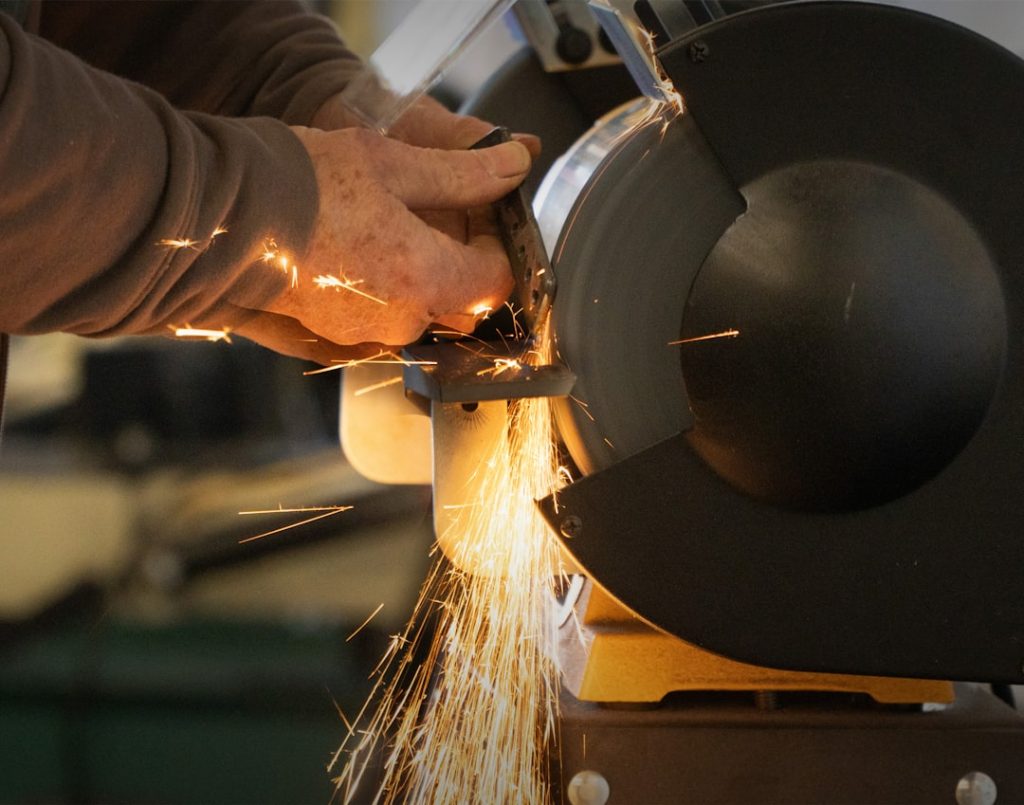
Precision grinding is a critical process in various commercial settings, serving as a cornerstone for manufacturing and production. This technique involves the use of specialized grinding machines to achieve high levels of accuracy and surface finish on a wide range of materials, including metals, plastics, and ceramics. The importance of precision grinding cannot be overstated, as it directly influences the quality of the final product.
In industries such as aerospace, automotive, and medical device manufacturing, where tolerances are often measured in microns, the need for precision grinding becomes paramount. The ability to produce components that meet stringent specifications ensures not only the functionality of the product but also its safety and reliability. Moreover, precision grinding plays a significant role in enhancing operational efficiency.

By achieving the desired dimensions and surface finishes in a single operation, manufacturers can reduce the need for secondary processes, thereby saving time and resources. This efficiency translates into lower production costs and faster turnaround times, which are crucial in today’s competitive market. Additionally, precision grinding contributes to waste reduction by minimizing material loss during the machining process.
As industries strive for sustainability, the ability to produce high-quality components with minimal waste becomes an essential factor in maintaining a competitive edge.
Key Takeaways
- Precision grinding is crucial for achieving high-quality results in commercial manufacturing.
- Selecting the appropriate grinding machine enhances both efficiency and accuracy.
- Advanced technologies play a key role in improving precision grinding outcomes.
- Regular maintenance and calibration are essential to sustain machine performance.
- Precision grinding significantly improves product quality, consistency, and industry applications.
Choosing the Right Commercial Grinding Machine for Efficiency and Precision
Selecting the appropriate commercial grinding machine is vital for achieving both efficiency and precision in production processes. The choice of machine depends on several factors, including the type of material being processed, the desired finish, and the specific application requirements. For instance, surface grinders are ideal for flat surfaces, while cylindrical grinders are better suited for round components.
Additionally, tool and cutter grinders are essential for sharpening cutting tools, ensuring that they maintain their effectiveness over time. Understanding these distinctions is crucial for manufacturers aiming to optimize their grinding operations. Another important consideration is the machine’s specifications, such as spindle speed, wheel size, and feed rate.
Higher spindle speeds can lead to faster material removal rates but may also generate more heat, which can affect the integrity of the workpiece. Conversely, slower speeds may provide better control and surface finish but can extend production times. Manufacturers must strike a balance between these factors to select a machine that meets their specific needs while maximizing productivity.
Furthermore, investing in machines with advanced features such as CNC (Computer Numerical Control) capabilities can enhance precision by allowing for automated adjustments and complex geometries that would be challenging to achieve manually.
The Role of Advanced Technology in Achieving Precision Results
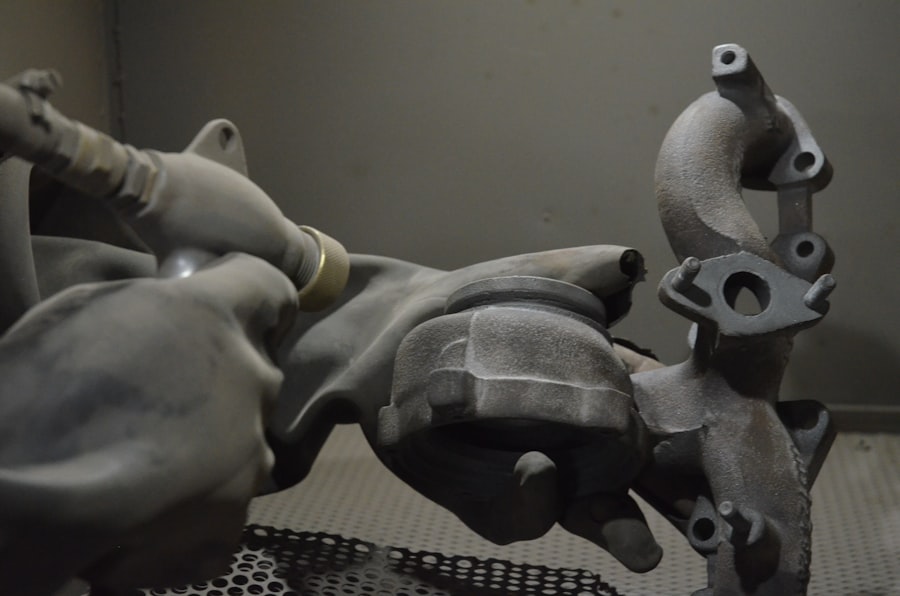
The integration of advanced technology into precision grinding processes has revolutionized the industry, enabling manufacturers to achieve unprecedented levels of accuracy and efficiency. One of the most significant advancements is the use of CNC technology, which allows for precise control over grinding operations through computer programming. This technology enables operators to create complex part geometries with high repeatability, reducing the likelihood of human error and ensuring consistent results across multiple production runs.
In addition to CNC technology, innovations such as adaptive grinding systems have emerged, which utilize real-time feedback to adjust parameters during the grinding process. These systems monitor variables such as wheel wear and temperature, automatically making adjustments to maintain optimal performance. This capability not only enhances precision but also extends the lifespan of grinding wheels and reduces downtime associated with manual recalibration.
Furthermore, advancements in abrasive materials have led to the development of superabrasives like cubic boron nitride (CBN) and diamond wheels, which offer superior cutting performance and durability compared to traditional abrasives.
Tips for Maintaining and Calibrating Commercial Grinding Machines
| Tip | Description | Recommended Frequency | Key Metric to Monitor |
|---|---|---|---|
| Regular Cleaning | Remove debris and dust from grinding surfaces and machine parts to prevent wear and tear. | Daily | Surface cleanliness level |
| Lubrication | Apply appropriate lubricants to moving parts to reduce friction and prevent overheating. | Weekly | Lubricant viscosity and quantity |
| Check Grinding Wheel Balance | Ensure the grinding wheel is balanced to avoid vibrations and uneven wear. | Monthly | Wheel vibration amplitude (mm/s) |
| Inspect Wheel Wear | Measure wheel diameter and inspect for cracks or damage to maintain grinding precision. | Bi-weekly | Wheel diameter (mm), crack presence (yes/no) |
| Calibrate Machine Settings | Adjust machine parameters such as speed, feed rate, and depth of cut to maintain accuracy. | Monthly | Feed rate (mm/min), spindle speed (RPM) |
| Check Alignment | Verify the alignment of the grinding wheel and workpiece to prevent uneven grinding. | Quarterly | Alignment deviation (mm) |
| Monitor Temperature | Track operating temperature to avoid overheating and damage to machine components. | Continuous | Operating temperature (°C) |
| Replace Worn Parts | Replace bearings, belts, and other components showing signs of wear to maintain performance. | As needed | Component wear level (%) |
Proper maintenance and calibration of commercial grinding machines are essential for ensuring their longevity and performance. Regular maintenance routines should include cleaning the machine components, checking for wear on grinding wheels, and lubricating moving parts to prevent friction-related issues. Operators should also inspect coolant systems to ensure they are functioning correctly, as proper cooling is crucial for maintaining optimal grinding conditions and preventing thermal damage to workpieces.
Calibration is another critical aspect that cannot be overlooked. Regularly checking and adjusting machine settings helps maintain precision over time. This process may involve verifying spindle alignment, checking wheel balance, and ensuring that all axes are properly calibrated.
Implementing a systematic approach to maintenance and calibration not only enhances machine performance but also minimizes the risk of defects in finished products. Manufacturers may also consider adopting predictive maintenance strategies that utilize data analytics to anticipate potential issues before they lead to machine failure.
Advantages of Using Commercial Grinding Machines for Precision Results
The advantages of utilizing commercial grinding machines for precision results are manifold. One of the most significant benefits is the ability to achieve tight tolerances that are often unattainable through other machining methods. This capability is particularly important in industries where even minor deviations can lead to significant performance issues or safety concerns.
For example, in aerospace manufacturing, components must meet exact specifications to ensure proper fit and function within complex assemblies. Additionally, commercial grinding machines offer superior surface finishes compared to traditional machining methods. The fine abrasives used in grinding processes can produce surfaces that are smooth enough to reduce friction and wear in mechanical applications.
This enhanced surface quality not only improves product performance but also contributes to aesthetic appeal in consumer-facing products. Furthermore, the versatility of commercial grinding machines allows manufacturers to process a wide range of materials and shapes, making them indispensable tools in modern manufacturing environments.
Common Applications of Precision Grinding in Commercial Industries
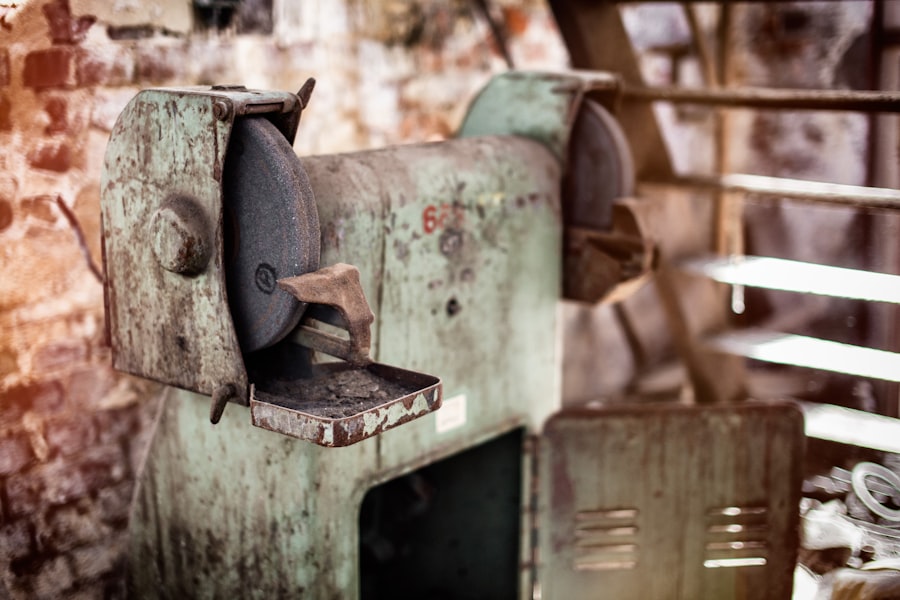
Precision grinding finds applications across a diverse array of commercial industries, each with its unique requirements and challenges. In the automotive sector, for instance, precision grinding is employed to manufacture critical components such as crankshafts, camshafts, and gears. These parts must adhere to strict tolerances to ensure optimal engine performance and longevity.
The ability to grind these components with high precision not only enhances their functionality but also contributes to overall vehicle efficiency. In the medical device industry, precision grinding is essential for producing surgical instruments and implants that require exact dimensions for safe use within the human body. For example, orthopedic implants must be manufactured with precise geometries to ensure proper fit within anatomical structures.
Similarly, dental tools must be ground to exact specifications to ensure effective performance during procedures. The high level of accuracy achieved through precision grinding directly impacts patient outcomes and safety.
The Impact of Precision Grinding on Product Quality and Consistency
The impact of precision grinding on product quality and consistency is profound and far-reaching. By enabling manufacturers to produce components with tight tolerances and superior surface finishes, precision grinding significantly enhances overall product quality. This improvement is particularly crucial in industries where reliability is paramount; for instance, in aerospace applications where component failure can have catastrophic consequences.
Moreover, consistency in production is vital for maintaining brand reputation and customer satisfaction. Precision grinding ensures that each component produced meets the same high standards as its predecessors, reducing variability in product performance. This consistency is especially important in mass production environments where large quantities of identical parts are required.
By minimizing defects and ensuring uniformity across batches, manufacturers can build trust with their customers and establish themselves as leaders in their respective markets.
Future Trends in Commercial Grinding Machines for Even Greater Precision
As technology continues to evolve at a rapid pace, future trends in commercial grinding machines are poised to further enhance precision capabilities within manufacturing processes. One notable trend is the increasing integration of artificial intelligence (AI) into grinding operations. AI algorithms can analyze data from various sources—such as machine sensors and production metrics—to optimize grinding parameters dynamically.
This capability allows for real-time adjustments that can improve both efficiency and precision while reducing waste. Another emerging trend is the development of hybrid machining systems that combine multiple processes into a single machine platform. For example, machines that integrate both grinding and additive manufacturing capabilities can produce complex geometries with high precision while minimizing material waste.
This convergence of technologies represents a significant advancement in manufacturing flexibility and efficiency. Additionally, advancements in materials science are leading to the creation of new abrasives that offer enhanced performance characteristics. These innovations may include superabrasives with improved wear resistance or coatings that reduce friction during grinding operations.
As these technologies continue to develop, they will undoubtedly contribute to even greater levels of precision in commercial grinding applications. In conclusion, precision grinding remains an indispensable process within commercial settings due to its ability to deliver high-quality results across various industries. As manufacturers continue to embrace advanced technologies and innovative practices, the future of precision grinding looks promising—offering even greater levels of accuracy and efficiency that will shape the landscape of modern manufacturing.