
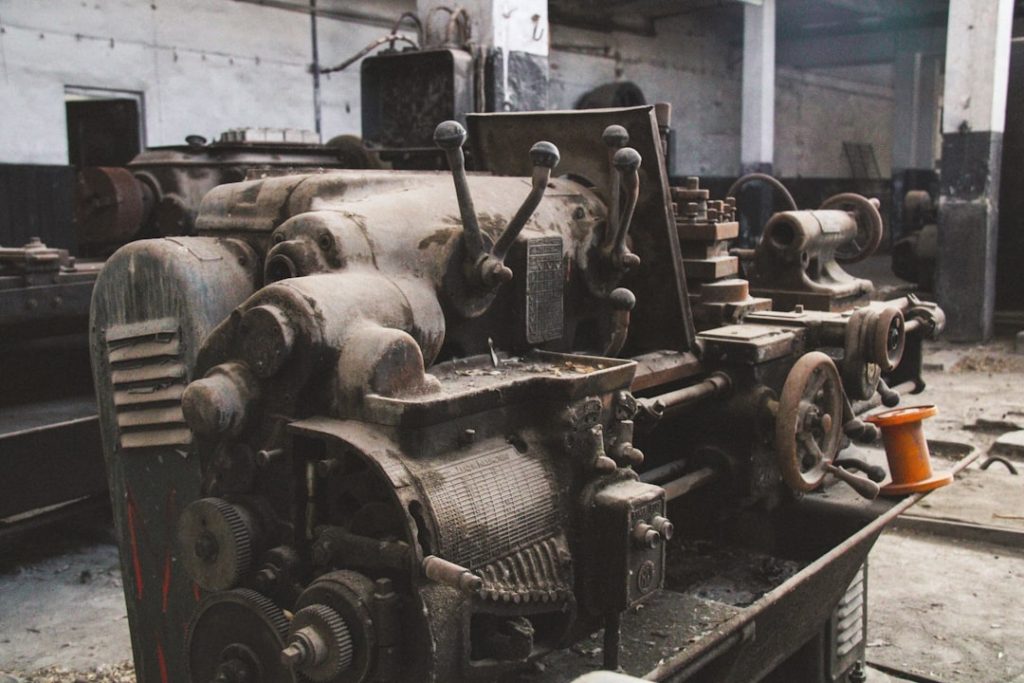
The tradition of machinery auctions can be traced back to the early 20th century, a time when industrialization was rapidly transforming economies and societies. As factories proliferated and mechanization became the norm, surplus machinery began to flood the market. This surplus created a unique opportunity for auctions to emerge as a viable means of buying and selling equipment.
Initially, these auctions were local events, often held in rural areas where farmers and small business owners gathered to trade tools and machinery that had become obsolete or unnecessary. The auction format allowed sellers to reach a wider audience, while buyers could acquire equipment at competitive prices. As the decades progressed, the scope of vintage machinery auctions expanded significantly.

By the mid-20th century, specialized auction houses began to emerge, focusing exclusively on industrial equipment and vintage machinery. These establishments recognized the growing interest in preserving historical machines, leading to the establishment of dedicated events that catered to collectors and enthusiasts. The rise of the internet in the late 20th century further revolutionized the auction landscape, allowing for online bidding and expanding the reach of these events beyond geographical limitations.
Today, vintage machinery auctions attract participants from around the globe, showcasing a diverse array of equipment that reflects the rich history of industrial innovation.
Key Takeaways
- Vintage machinery auctions have a rich history rooted in preserving industrial heritage.
- Attendees can expect a lively atmosphere with diverse machinery up for bid.
- Successful buyers research items, set budgets, and inspect machinery beforehand.
- Restoring vintage machinery offers a rewarding blend of craftsmanship and nostalgia.
- Enthusiasts form a passionate community that shares knowledge and celebrates restoration.
What to Expect at a Vintage Machinery Auction
Attending a vintage machinery auction is an experience that combines excitement with education. Upon arrival, participants are often greeted by a vast array of machines, ranging from classic tractors and steam engines to antique lathes and milling machines. Each piece tells a story, reflecting the technological advancements of its time and the craftsmanship that went into its creation.
Many auctions provide catalogs or brochures detailing the items up for bid, complete with photographs and descriptions that highlight their historical significance and condition. The atmosphere at these auctions can be electric, filled with anticipation as bidders examine the machinery closely. It is common for attendees to engage in discussions about the provenance of specific items, sharing insights about their history and potential restoration projects.
Auctioneers typically begin by introducing each item, providing background information and setting a starting bid. The bidding process itself can be fast-paced, with participants raising their paddles or signaling their interest in rapid succession. For newcomers, it can be both thrilling and intimidating to navigate this environment, but it is also an opportunity to learn from seasoned bidders who often have extensive knowledge about vintage machinery.
Tips for Buying Vintage Machinery at Auction
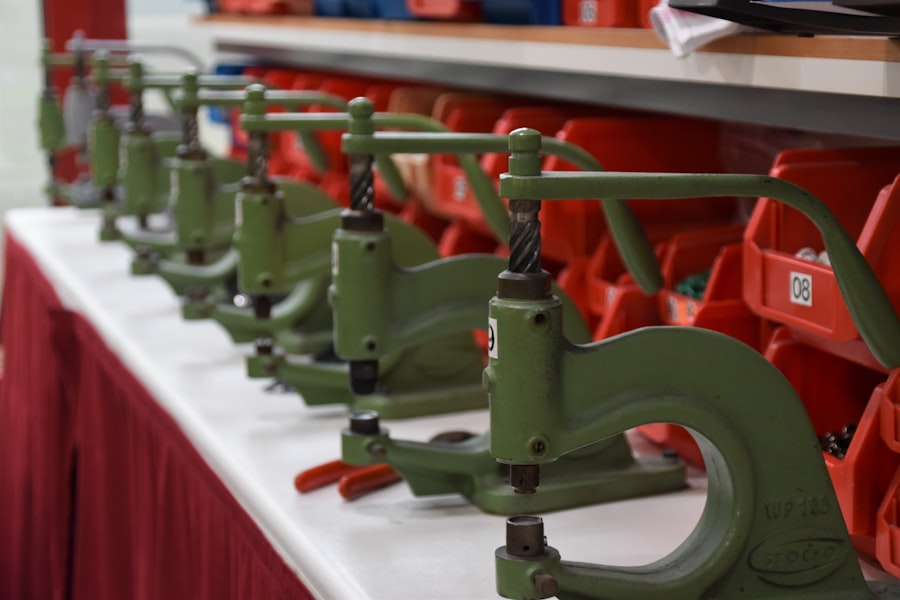
Navigating a vintage machinery auction requires preparation and strategy. One of the most critical steps is conducting thorough research on the items you are interested in before the auction day. Familiarize yourself with the specific models, their historical significance, and typical market values.
This knowledge will empower you to make informed decisions during bidding and help you avoid overpaying for an item. Additionally, it is advisable to inspect the machinery in person whenever possible. Look for signs of wear and tear, rust, or missing parts that could affect functionality or restoration costs.
Setting a budget is another essential aspect of successful bidding. Determine how much you are willing to spend on each item and stick to that limit. Auctions can be competitive, and it is easy to get caught up in the excitement of bidding wars.
Having a clear financial plan will help you remain disciplined and focused on your goals. Furthermore, consider attending a few auctions as an observer before participating actively. This will give you valuable insights into the bidding process, auctioneer styles, and how other bidders operate, allowing you to refine your approach for future events.
The Appeal of Restoring Vintage Machinery
| Metric | Description | Value/Statistic | Source/Notes |
|---|---|---|---|
| Popularity Growth | Increase in interest in vintage machinery restoration over the past decade | 35% increase | Hobbyist surveys 2014-2024 |
| Average Restoration Time | Typical time taken to restore a vintage machine to working condition | 6-12 months | Restoration community reports |
| Common Machinery Types | Most frequently restored vintage machines | Tractors, Motorcycles, Industrial Engines | Restoration forums and clubs |
| Skill Development | Percentage of restorers who report improved mechanical skills | 85% | Survey of restoration hobbyists |
| Environmental Impact | Reduction in waste by restoring vs. buying new machinery | Up to 70% less waste | Environmental studies on reuse and recycling |
| Community Engagement | Percentage of restorers involved in clubs or online groups | 75% | Restoration social media and club membership data |
| Market Value Increase | Typical increase in value of vintage machinery after restoration | 40-60% | Antique machinery auction results |
Restoring vintage machinery is not merely a hobby; it is an art form that combines technical skill with a passion for history. Enthusiasts are drawn to restoration projects for various reasons, including the challenge of bringing a neglected machine back to life and the satisfaction of preserving a piece of industrial heritage. Each restoration project presents unique challenges, from sourcing rare parts to understanding the original manufacturing processes.
This complexity adds an element of intrigue that many find irresistible. Moreover, restoring vintage machinery often fosters a deep connection between the restorer and the machine itself. As individuals work meticulously on each component—cleaning, repairing, or replacing—they develop an appreciation for the craftsmanship that went into creating these machines.
This process can be incredibly rewarding; not only does it result in a functional piece of history, but it also allows restorers to share their passion with others through exhibitions or demonstrations. The sense of accomplishment that comes from completing a restoration project can be profound, as it represents not just personal achievement but also a contribution to preserving industrial history for future generations.
The Community of Vintage Machinery Enthusiasts
The world of vintage machinery is rich with community spirit, drawing together individuals from diverse backgrounds who share a common passion for preserving industrial history. Clubs and organizations dedicated to vintage machinery often host events such as shows, swap meets, and workshops where enthusiasts can connect, share knowledge, and showcase their projects. These gatherings provide invaluable opportunities for networking and learning from others who have faced similar challenges in restoration or maintenance.
Online forums and social media groups have further expanded this community by allowing enthusiasts to connect across vast distances. Members share tips on restoration techniques, post photos of their projects, and discuss upcoming auctions or events. This digital interaction fosters camaraderie among individuals who may never meet in person but share a deep appreciation for vintage machinery.
Additionally, many enthusiasts take pride in mentoring newcomers to the hobby, offering guidance on best practices and encouraging them to explore their interests further.
The Thrill of Bidding at a Vintage Machinery Auction
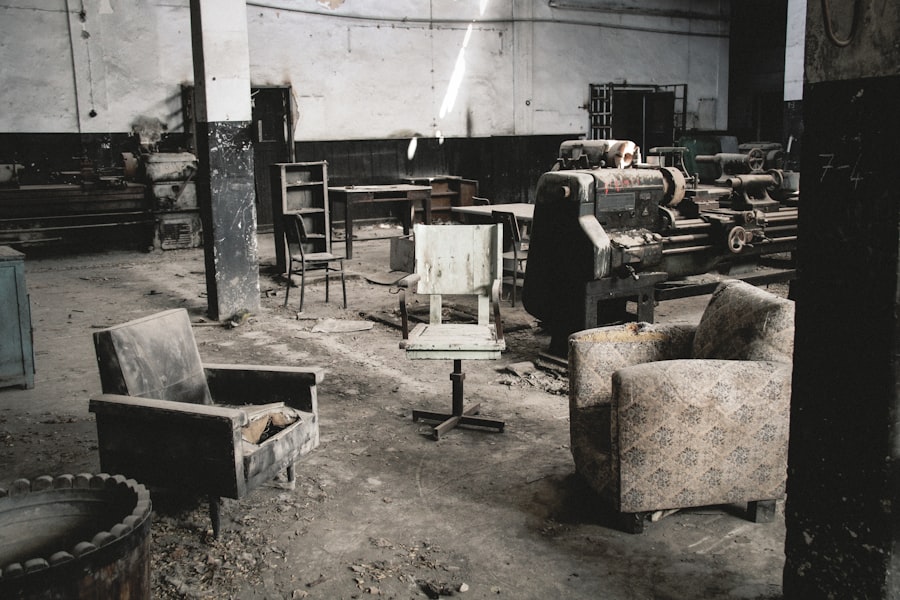
The bidding process at a vintage machinery auction is often described as exhilarating—a blend of strategy, competition, and anticipation. As the auctioneer calls out bids, participants must quickly assess their interest in each item while gauging the competition around them. The adrenaline rush that accompanies raising a paddle or signaling a bid can be addictive; it transforms what might otherwise be a straightforward transaction into an engaging contest of wills.
For many bidders, there is also an emotional component tied to acquiring vintage machinery. Each piece represents not just a potential investment but also a connection to history and craftsmanship. Winning a bid can evoke feelings of triumph and satisfaction as bidders envision how they will restore or utilize their new acquisition.
This emotional investment adds depth to the experience; it is not merely about acquiring machinery but about becoming part of a larger narrative that celebrates innovation and heritage.
The Value of Vintage Machinery
The value of vintage machinery extends beyond mere monetary considerations; it encompasses historical significance, craftsmanship, and cultural heritage. Collectors often seek out specific models based on their rarity or unique features, which can drive prices significantly higher than those of modern equivalents. For instance, iconic brands like Fordson tractors or early steam engines can command impressive sums at auction due to their historical importance and desirability among collectors.
Moreover, vintage machinery often possesses intrinsic value that modern machines lack—namely, the craftsmanship involved in their construction. Many vintage machines were built during an era when quality materials and skilled labor were paramount; this results in equipment that is not only functional but also aesthetically pleasing. Collectors appreciate these qualities as they reflect a bygone era of manufacturing excellence.
Additionally, as more people become aware of sustainability issues related to modern manufacturing practices, there is growing interest in preserving older machines that can still perform effectively without contributing to environmental degradation.
Where to Find Vintage Machinery Auctions
Finding vintage machinery auctions requires some research but can yield rewarding results for enthusiasts and collectors alike. One of the best places to start is by exploring specialized auction houses that focus on industrial equipment or vintage items. Many of these auctioneers have established reputations within the community and regularly host events featuring high-quality machinery from various eras.
Online platforms have also become increasingly popular for discovering upcoming auctions. Websites dedicated to auction listings often feature sections specifically for vintage machinery, allowing users to filter by location or type of equipment. Social media groups focused on vintage machinery can also provide valuable leads on upcoming auctions or private sales within local communities.
Additionally, attending trade shows or exhibitions related to vintage machinery can offer insights into upcoming events while providing opportunities to network with other enthusiasts who may have insider knowledge about auctions in your area. In conclusion, vintage machinery auctions represent a fascinating intersection of history, craftsmanship, community engagement, and personal passion. Whether you are an experienced collector or a newcomer eager to explore this captivating world, understanding the nuances of these auctions can enhance your experience and deepen your appreciation for the machines that shaped our industrial past.