
Farm machinery auctions serve as a vital marketplace for buying and selling agricultural equipment. These auctions can range from large-scale events featuring a wide array of machinery to smaller, more localized gatherings. The primary purpose of these auctions is to facilitate the exchange of equipment that farmers and agricultural businesses need to operate efficiently.
The auction process typically involves bidding, where potential buyers place competitive offers on items, and the highest bidder wins the equipment. This dynamic environment not only allows sellers to liquidate their assets but also provides buyers with opportunities to acquire machinery at potentially lower prices than retail. The types of machinery available at these auctions can vary significantly, encompassing everything from tractors and combines to tillers and irrigation systems.
Each piece of equipment comes with its own history, condition, and value, which can influence bidding behavior. Understanding the nuances of farm machinery auctions is crucial for both buyers and sellers. For buyers, it’s essential to recognize the value of the equipment being auctioned, while sellers must be aware of market trends and demand for specific machinery types.
This knowledge can significantly impact the success of the auction experience.
Key Takeaways
- Farm machinery auctions offer a wide range of equipment and competitive pricing opportunities.
- Locating nearby auctions can be done through online listings, local dealers, and agricultural networks.
- Preparing thoroughly and knowing what to inspect helps ensure smart purchasing decisions.
- Avoid common pitfalls like overbidding or neglecting equipment condition checks.
- Post-auction steps include arranging transport, completing paperwork, and scheduling maintenance.
Finding Farm Machinery Auctions Near Me
Locating farm machinery auctions in your vicinity can be accomplished through various channels. One of the most effective methods is to utilize online resources. Websites dedicated to auction listings often provide comprehensive databases where users can filter results based on location, date, and type of machinery.
Platforms such as AuctionZip, BidSpotter, and even local classifieds can be invaluable in identifying upcoming auctions. Additionally, many auctioneers maintain their own websites or social media pages where they announce upcoming events, providing details about the machinery available and registration processes. Local agricultural extension offices or farming cooperatives can also serve as excellent resources for finding auctions.
These organizations often have connections within the farming community and can provide insights into when and where auctions are taking place. Networking with fellow farmers or attending agricultural fairs can yield information about upcoming auctions as well. Word-of-mouth remains a powerful tool in rural communities, where farmers often share tips about good deals or reputable auctioneers.
Benefits of Attending Farm Machinery Auctions
Attending farm machinery auctions offers numerous advantages for both seasoned farmers and newcomers to the agricultural sector. One of the most significant benefits is the potential for cost savings. Auctions often feature equipment at prices lower than retail, allowing buyers to acquire high-quality machinery without breaking the bank.
This is particularly advantageous for small-scale farmers or those just starting out, as it enables them to invest in essential tools without incurring substantial debt. Moreover, auctions provide an opportunity to access a diverse range of equipment in one location. Buyers can compare different brands and models side by side, which is often not possible when shopping through traditional retail channels.
This variety allows for informed decision-making based on personal needs and preferences. Additionally, attending an auction can foster a sense of community among farmers, as it brings together individuals with shared interests and challenges in the agricultural sector. Networking opportunities abound, leading to potential collaborations or partnerships that can benefit participants long after the auction has concluded.
Tips for Buying at Farm Machinery Auctions
| Tip | Description | Benefit | Consideration |
|---|---|---|---|
| Research Equipment | Investigate the make, model, and condition of machinery before the auction. | Helps in making informed bids and avoiding overpaying. | Check online listings and previous auction results. |
| Set a Budget | Determine your maximum bid limit prior to bidding. | Prevents overspending and keeps finances in check. | Include potential repair and transport costs. |
| Inspect Equipment | Physically examine machinery for wear, damage, and functionality. | Identifies potential issues and repair needs. | Bring a mechanic or expert if possible. |
| Understand Auction Terms | Review auction rules, payment terms, and buyer’s premiums. | Avoids surprises and ensures smooth transaction. | Ask auctioneer for clarification if needed. |
| Arrive Early | Get to the auction site early to register and preview items. | Allows time for thorough inspection and strategy planning. | Check auction start times and registration deadlines. |
| Bid Strategically | Start with lower bids and increase cautiously. | Maximizes chances of winning at a good price. | Stay within your budget and avoid bidding wars. |
| Consider Transportation | Plan how to move purchased machinery from auction site. | Ensures timely and cost-effective delivery. | Factor in size, weight, and distance. |
| Check for Warranties | Determine if any equipment comes with guarantees or return policies. | Provides protection against defects or misrepresentation. | Most auction sales are “as-is” so verify carefully. |
Navigating a farm machinery auction requires strategic planning and preparation to ensure a successful purchase. One essential tip is to conduct thorough research on the equipment you are interested in before the auction begins. Familiarize yourself with the market value of specific machinery types, as this knowledge will empower you during the bidding process.
Understanding the average prices for similar equipment can help you set a budget and avoid overbidding in the heat of the moment. Another critical aspect is to inspect the machinery closely before placing any bids. Many auctions allow potential buyers to view items prior to the auction day, providing an opportunity to assess their condition firsthand.
Look for signs of wear and tear, rust, or any mechanical issues that could affect performance. If possible, bring along a knowledgeable friend or mechanic who can help evaluate the equipment’s condition more accurately. This due diligence can save you from making costly mistakes and ensure that you are investing in reliable machinery.
How to Prepare for a Farm Machinery Auction
Preparation is key to maximizing your experience at a farm machinery auction. Start by creating a checklist of items you need or want to purchase, prioritizing them based on your operational requirements. This list will help you stay focused during the auction and prevent impulse buying that could lead to overspending.
Additionally, set a clear budget that includes not only the purchase price but also any associated costs such as transportation or repairs. It’s also advisable to register for the auction in advance if required. Many auctions have specific registration processes that may involve providing identification or payment information upfront.
Familiarize yourself with the auctioneer’s terms and conditions, including payment methods accepted and any buyer’s premiums that may apply. Arriving early on auction day allows you to get a feel for the environment, review items one last time, and position yourself strategically for bidding.
What to Look for at Farm Machinery Auctions
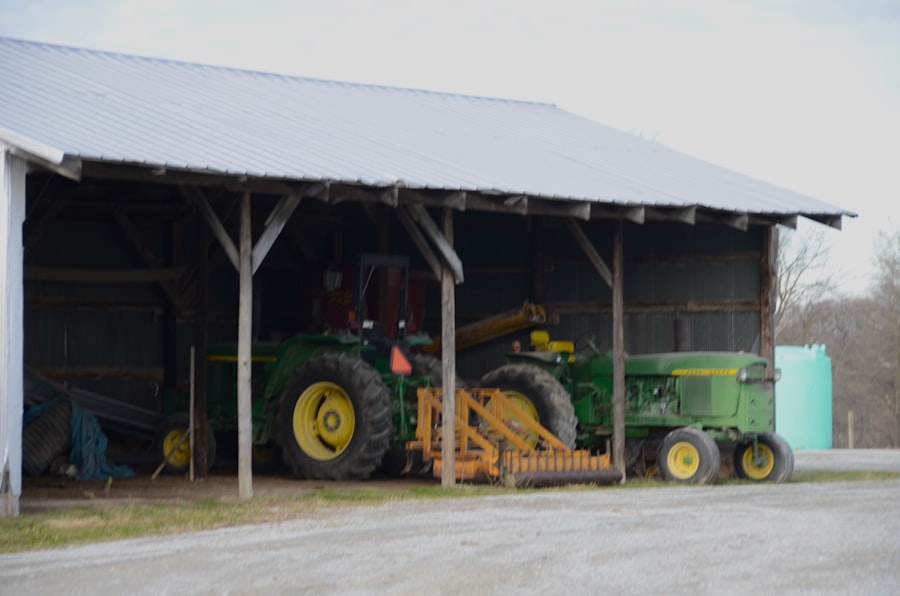
When attending a farm machinery auction, knowing what to look for can significantly enhance your purchasing decisions. Start by examining the overall condition of each piece of equipment. Look for signs of maintenance history; well-maintained machinery often comes with service records that indicate regular upkeep and repairs.
Pay attention to critical components such as engines, hydraulic systems, and tires, as these areas can be costly to repair if they are in poor condition. Additionally, consider the age of the equipment relative to its usage hours. Older machines may still be in good working order but could require more frequent maintenance as they age.
Conversely, newer models may come with advanced technology that enhances efficiency but could also carry a higher price tag. It’s essential to weigh these factors against your budget and operational needs when making decisions at the auction.
Common Mistakes to Avoid at Farm Machinery Auctions
While farm machinery auctions present excellent opportunities for buyers, several common pitfalls can lead to regrettable purchases or financial losses. One frequent mistake is failing to set a firm budget before entering the auction arena. Without a clear financial limit, bidders may get caught up in competitive bidding wars that drive prices beyond their means.
Establishing a maximum bid beforehand helps maintain discipline during the auction process. Another common error is neglecting to thoroughly inspect equipment before bidding. Relying solely on descriptions provided by auctioneers can lead to misunderstandings about an item’s condition or functionality.
Always take the time to examine machinery closely and ask questions if anything is unclear. Additionally, avoid making hasty decisions based on emotions; take a moment to assess whether a particular piece of equipment truly meets your needs before placing a bid.
After the Farm Machinery Auction: What to Do Next
Once the hammer falls and you’ve successfully purchased equipment at a farm machinery auction, several important steps follow to ensure a smooth transition into ownership. First and foremost, review all paperwork associated with your purchase carefully. This includes invoices, titles, and any warranties or guarantees provided by the seller or auctioneer.
Ensuring that all documentation is accurate and complete will help avoid complications down the line. Next, arrange for transportation of your newly acquired machinery if it cannot be driven off-site immediately. Depending on the size and type of equipment, you may need specialized transport services or trailers designed for heavy loads.
Once you have your machinery home, conduct a thorough inspection again to confirm its condition matches what was represented at the auction. If any issues arise post-purchase, contact the seller promptly to address concerns or seek remedies as outlined in your purchase agreement. In conclusion, engaging with farm machinery auctions can be an enriching experience for those involved in agriculture.
By understanding how these auctions operate, preparing adequately, and knowing what pitfalls to avoid, buyers can make informed decisions that enhance their farming operations while fostering connections within their communities.