
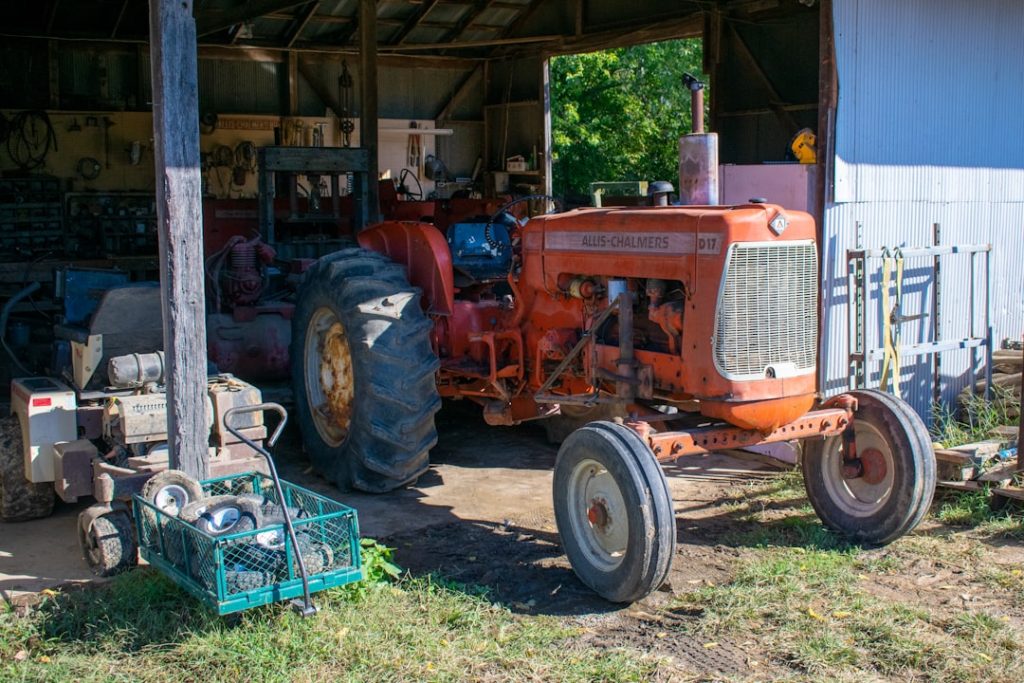
Farm consignment auctions are specialized events where farmers, agricultural businesses, and individuals can sell their equipment, livestock, and other farm-related items to the highest bidder. These auctions serve as a marketplace for both buyers and sellers, allowing for the exchange of goods that are often essential for agricultural operations. The term “consignment” refers to the practice of consigning items to an auctioneer, who then sells them on behalf of the owner.
This arrangement allows sellers to reach a broader audience without the need for direct marketing or individual sales efforts. Typically organized by auction houses or agricultural cooperatives, these events can vary in size and scope. Some may feature a few dozen items, while larger auctions can showcase hundreds or even thousands of lots.

The items sold can range from tractors and plows to livestock and feed supplies. The auction process itself is dynamic, with bidders competing in real-time to secure the items they desire. This competitive environment often leads to fair market prices, as the value of each item is determined by what buyers are willing to pay at that moment.
Key Takeaways
- Farm consignment auctions allow farmers to sell equipment and livestock through a third party, ensuring wider reach and better prices.
- Attending these auctions offers opportunities to find quality farm items at competitive prices and connect with local farmers.
- Finding nearby auctions can be done through online listings, local farm organizations, and community bulletin boards.
- Buyers should expect a lively bidding environment and prepare by researching items and setting budgets.
- Selling at these auctions provides farmers with access to a larger market and supports the local agricultural economy.
Benefits of Attending Farm Consignment Auctions
Attending farm consignment auctions offers numerous advantages for both buyers and sellers. For buyers, one of the most significant benefits is the opportunity to acquire high-quality agricultural equipment and supplies at potentially lower prices than retail. Auctions often feature used items that are still in excellent condition, allowing buyers to save money while obtaining the tools necessary for their farming operations.
Additionally, the variety of items available at these auctions means that buyers can find everything from large machinery to smaller tools, all in one location. For sellers, farm consignment auctions provide a platform to reach a wide audience without the hassle of individual sales. By consigning their items to an auction, sellers can benefit from the auctioneer’s marketing efforts, which often include advertising the event through various channels.
This exposure can lead to higher sale prices as more potential buyers are drawn to the auction. Furthermore, sellers can avoid the complexities of negotiating prices and handling transactions directly, as the auctioneer manages these aspects on their behalf.
How to Find Farm Consignment Auctions Near Me
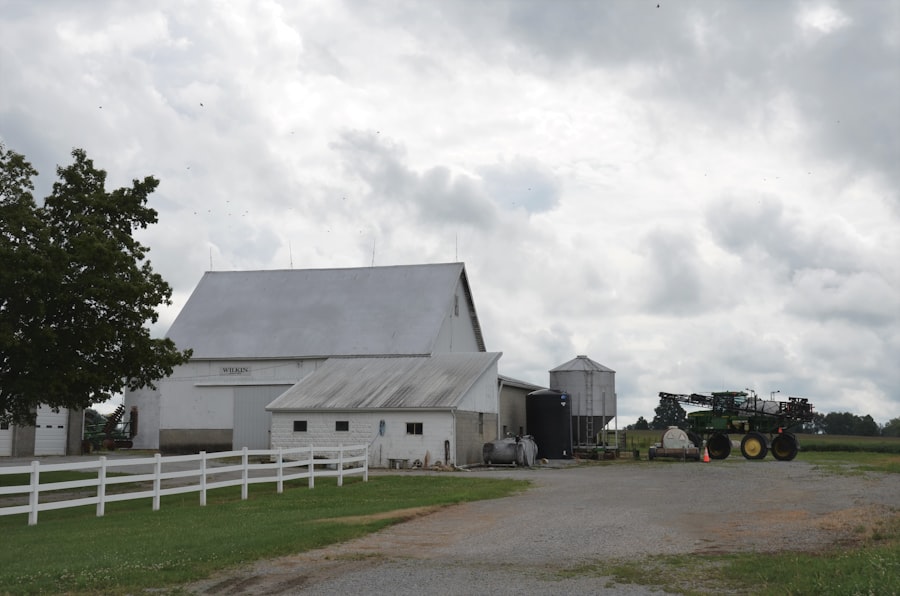
Finding farm consignment auctions in your area can be accomplished through several methods. One effective approach is to utilize online resources such as auction websites and social media platforms. Many auction houses maintain websites that list upcoming events, complete with details about the items being sold and registration information.
Websites like AuctionZip or Proxibid allow users to search for auctions by location and date, making it easy to find events nearby. Local agricultural cooperatives and farming organizations also serve as valuable resources for discovering upcoming auctions. These entities often have connections with auctioneers and may host their own events or promote those organized by others in the community.
Additionally, word-of-mouth recommendations from fellow farmers or agricultural enthusiasts can lead to valuable insights about local auctions that may not be widely advertised. By tapping into these various channels, individuals can stay informed about farm consignment auctions in their vicinity.
What to Expect at a Farm Consignment Auction
| Metric | Description | Typical Range | Notes |
|---|---|---|---|
| Number of Items | Total items available for auction | 50 – 300 | Includes farm equipment, livestock, tools, and supplies |
| Average Auction Duration | Length of the auction event | 3 – 6 hours | Depends on number of items and bidding activity |
| Buyer’s Premium | Additional fee charged on winning bid | 5% – 10% | Varies by auction house |
| Starting Bid Range | Typical starting price for items | 10 – 500 | Depends on item type and condition |
| Payment Methods Accepted | Forms of payment allowed | Cash, Check, Credit Card | Some auctions may require pre-approval for credit cards |
| Inspection Period | Time allowed for buyers to inspect items before auction | 1 – 2 hours before auction | Important to assess item condition |
| Registration Requirement | Need to register before bidding | Yes | Usually required to receive bidder number |
| Typical Buyer Demographics | Common types of buyers attending | Farmers, Collectors, Dealers | Varies by location and auction type |
When attending a farm consignment auction, participants can expect a lively atmosphere filled with anticipation and excitement. Upon arrival, attendees will typically register with the auctioneer, receiving a bidder number that allows them to participate in the bidding process. The layout of the auction venue may vary; some auctions take place outdoors on large farms, while others are held in indoor facilities equipped with seating for bidders.
As the auction begins, the auctioneer will introduce each item up for bid, providing details about its condition, age, and any relevant specifications. Bidders will then have the opportunity to raise their bidder numbers to indicate their interest in purchasing the item. The auctioneer will call out bids until no further offers are made, at which point the item is sold to the highest bidder.
This fast-paced environment requires bidders to be attentive and ready to act quickly if they wish to secure their desired items.
Tips for Buying at Farm Consignment Auctions
For those looking to buy at farm consignment auctions, preparation is key to making informed decisions and securing good deals. One essential tip is to research the items you are interested in before attending the auction. Familiarizing yourself with current market values and understanding the specific needs of your farming operation will help you set realistic budgets and bidding limits.
Additionally, inspecting items in person prior to bidding can provide valuable insights into their condition and functionality. Another important strategy is to arrive early on auction day. This allows you ample time to review all available items and ask questions of the auctioneer or sellers if needed.
Engaging with other attendees can also provide insights into which items are generating interest and may lead to competitive bidding. During the auction itself, it’s crucial to remain calm and composed; emotional bidding can lead to overspending. Stick to your predetermined budget and be prepared to walk away if prices exceed your limits.
Tips for Selling at Farm Consignment Auctions
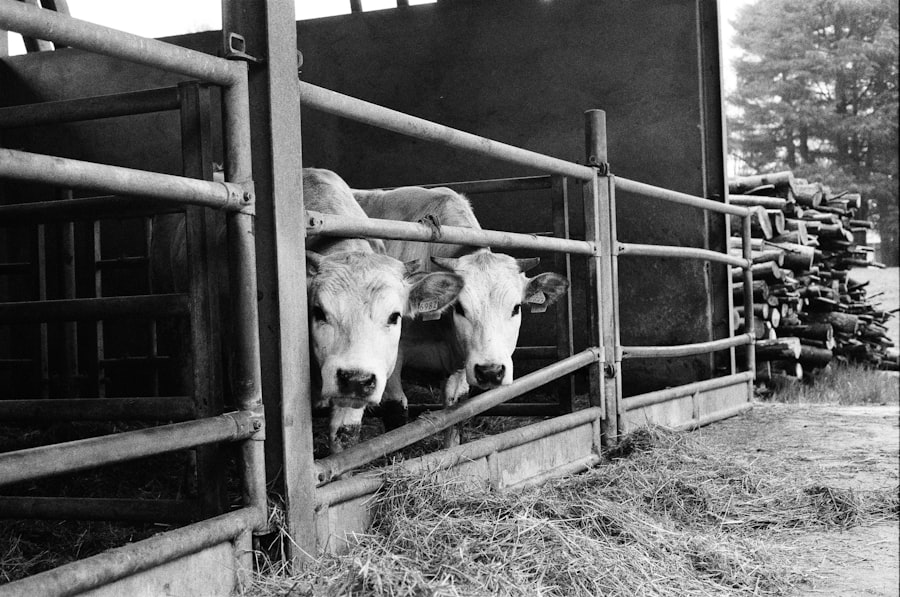
Selling at farm consignment auctions requires careful planning and execution to maximize returns on your items. One of the first steps is to ensure that your items are clean and in good working condition before consigning them. Potential buyers are more likely to bid on well-maintained equipment or livestock that appears cared for and functional.
Providing detailed descriptions and any relevant documentation—such as maintenance records—can also enhance buyer confidence. Timing is another critical factor when selling at an auction. Researching when local auctions typically occur can help you choose the best time to consign your items for maximum visibility and interest.
Additionally, consider working with reputable auctioneers who have a strong track record of successful sales in your area. Their expertise can guide you through the process and help you set realistic expectations regarding pricing.
Common Items Found at Farm Consignment Auctions
Farm consignment auctions feature a diverse array of items that cater to various agricultural needs. One of the most common categories includes heavy machinery such as tractors, combines, and tillers. These large pieces of equipment are essential for many farming operations and often attract significant interest from bidders looking for reliable machinery at competitive prices.
In addition to machinery, smaller tools and implements are frequently available at these auctions. Items such as plows, seeders, and hand tools can be found alongside livestock equipment like feeders and water troughs. Auctions may also include livestock themselves—cattle, sheep, goats, and poultry are often sold as part of consignment events.
Furthermore, supplies such as fertilizers, seeds, and fencing materials may also be available, making these auctions a one-stop shop for farmers looking to replenish their inventory.
How Farm Consignment Auctions Benefit the Local Community
Farm consignment auctions play a vital role in supporting local communities by fostering economic activity and promoting agricultural sustainability. By providing a platform for farmers to buy and sell equipment and supplies, these auctions help ensure that local agricultural operations remain viable and competitive. When farmers can access affordable machinery or livestock through auctions, they are better equipped to maintain productivity and contribute to the local economy.
Moreover, these events often bring together members of the community, creating opportunities for networking and collaboration among farmers and agricultural businesses. The social aspect of attending an auction fosters relationships that can lead to partnerships or shared resources in the future. Additionally, many auction houses contribute a portion of their proceeds back into community initiatives or local charities, further enhancing their positive impact on the area.
In conclusion, farm consignment auctions serve as an essential component of agricultural commerce, providing benefits that extend beyond individual transactions. They create a vibrant marketplace where farmers can connect with one another while supporting local economies through sustainable practices and community engagement.