
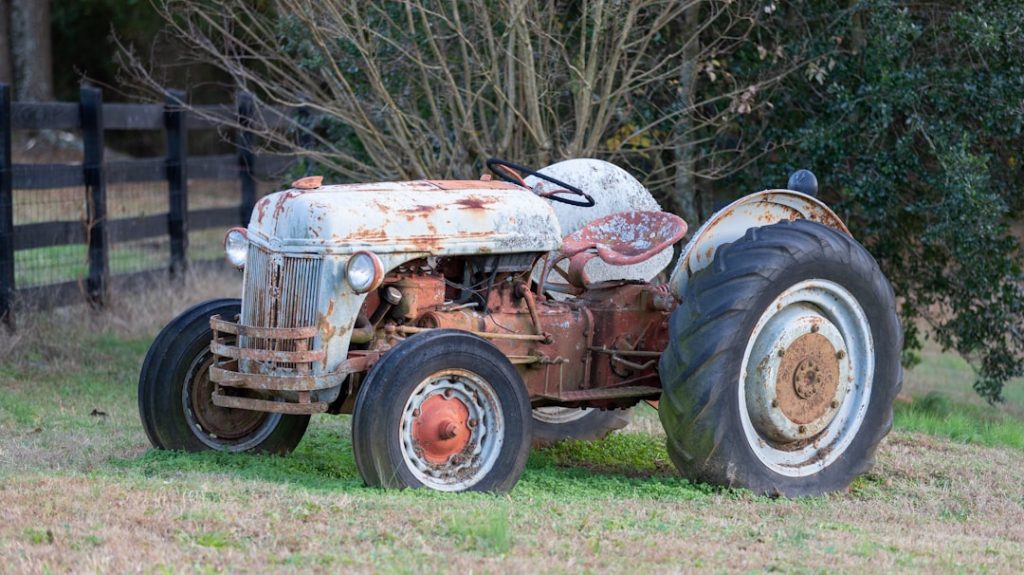
Antique tractor auctions are vibrant events that attract enthusiasts, collectors, and farmers alike. When attending such an auction, one can expect a lively atmosphere filled with the sounds of engines, the chatter of passionate bidders, and the sight of beautifully restored machinery. The tractors on display often range from iconic brands like John Deere and International Harvester to lesser-known models that hold historical significance.
Each tractor tells a story, and the excitement in the air is palpable as bidders prepare to vie for their favorite pieces of agricultural history. The auction process itself can be both exhilarating and intimidating for newcomers. Typically, the event begins with a preview period where attendees can inspect the tractors up close.

This is a crucial time for potential buyers to assess the condition of the machines, check for any signs of wear or restoration quality, and gather information about their operational history. Once the bidding starts, it can become a fast-paced affair, with auctioneers skillfully calling out bids and encouraging participants to raise their offers. Understanding the auctioneer’s cadence and the bidding process is essential for anyone looking to secure a tractor at a good price.
Key Takeaways
- Antique tractor auctions offer a chance to buy, sell, and connect with enthusiasts.
- Local listings and online platforms help you find nearby antique tractor auctions.
- Research and set a budget before bidding to make smart purchases.
- Knowing the historical value and condition of tractors is key to assessing worth.
- Auctions provide opportunities to engage with a passionate community of collectors and experts.
How to Find Antique Tractor Auctions Near Me
Locating antique tractor auctions in your vicinity can be an exciting endeavor, as it opens up opportunities to discover unique machines and connect with fellow enthusiasts. One of the most effective ways to find these auctions is through online platforms dedicated to agricultural equipment sales. Websites such as AuctionZip and TractorHouse provide comprehensive listings of upcoming auctions, complete with details about the tractors available, auction dates, and locations.
By entering your zip code or city, you can filter results to find events that are conveniently located. In addition to online resources, local agricultural fairs and community events often feature antique tractor auctions as part of their programming. These gatherings not only showcase tractors but also celebrate rural heritage and farming traditions.
Networking with local farmers or joining agricultural clubs can also yield valuable information about upcoming auctions. Many enthusiasts share details through word-of-mouth or social media groups dedicated to antique tractors, making it easier to stay informed about events in your area.
Tips for Buying Antique Tractors at Auctions
When it comes to purchasing antique tractors at auctions, preparation is key. Before attending an auction, it is advisable to conduct thorough research on the specific models you are interested in. Familiarize yourself with their market values, common issues, and restoration costs.
This knowledge will empower you during the bidding process, allowing you to make informed decisions and avoid overpaying for a tractor that may require extensive repairs. Another important tip is to set a budget before you arrive at the auction. It can be easy to get swept up in the excitement of bidding wars, but having a clear financial limit will help you stay grounded.
Additionally, consider attending a few auctions as an observer before actively participating. This will give you insight into how bidding works, the types of tractors available, and the overall atmosphere of the event. Engaging with seasoned bidders can also provide valuable tips and strategies that can enhance your auction experience.
Understanding the Value of Antique Tractors
| Metric | Description | Typical Range | Impact on Value |
|---|---|---|---|
| Age | Year the tractor was manufactured | 1920 – 1970 | Older models tend to be more valuable if well-preserved |
| Rarity | Number of units produced or surviving | Very rare (less than 100) to common (thousands) | Higher rarity increases value significantly |
| Condition | State of preservation and functionality | Poor, Fair, Good, Excellent, Restored | Better condition leads to higher value |
| Originality | Extent to which original parts are intact | All original to heavily modified | Original parts increase collector interest and value |
| Brand | Manufacturer of the tractor | John Deere, International Harvester, Ford, Massey Ferguson, etc. | Popular brands often command higher prices |
| Historical Significance | Association with important events or innovations | None to highly significant | Significant history can greatly enhance value |
| Market Demand | Current interest from collectors and enthusiasts | Low to high | Higher demand increases selling price |
| Restoration Quality | Quality and authenticity of restoration work | Poor to museum-quality | High-quality restoration can boost value |
Determining the value of antique tractors involves a combination of factors including age, rarity, condition, and historical significance. Age plays a crucial role; tractors manufactured before World War II are often considered more valuable due to their scarcity and the craftsmanship involved in their production. Rarity is another significant factor; limited production models or those with unique features tend to command higher prices among collectors.
Condition is perhaps one of the most critical aspects when assessing value. A well-preserved tractor that has been meticulously restored will typically fetch a higher price than one that shows signs of neglect or requires extensive repairs. Documentation of restoration work and maintenance history can also enhance a tractor’s value by providing potential buyers with confidence in its reliability.
Furthermore, historical significance—such as tractors used in notable agricultural advancements or those associated with famous farmers—can add an intangible value that appeals to collectors.
Connecting with the Antique Tractor Community at Auctions
Antique tractor auctions serve as a hub for enthusiasts to connect and share their passion for vintage machinery. The sense of community at these events is palpable; attendees often engage in conversations about their favorite models, restoration techniques, and farming practices. This camaraderie fosters an environment where knowledge is freely exchanged, allowing newcomers to learn from seasoned collectors and restorers.
Participating in discussions at auctions can lead to lasting friendships and valuable connections within the antique tractor community. Many enthusiasts join clubs or online forums where they can continue these conversations beyond the auction setting. These networks often organize events such as tractor shows, parades, and restoration workshops, providing further opportunities for members to bond over their shared interests.
Building relationships within this community not only enhances the enjoyment of collecting but also opens doors to future buying and selling opportunities.
Preparing for an Antique Tractor Auction
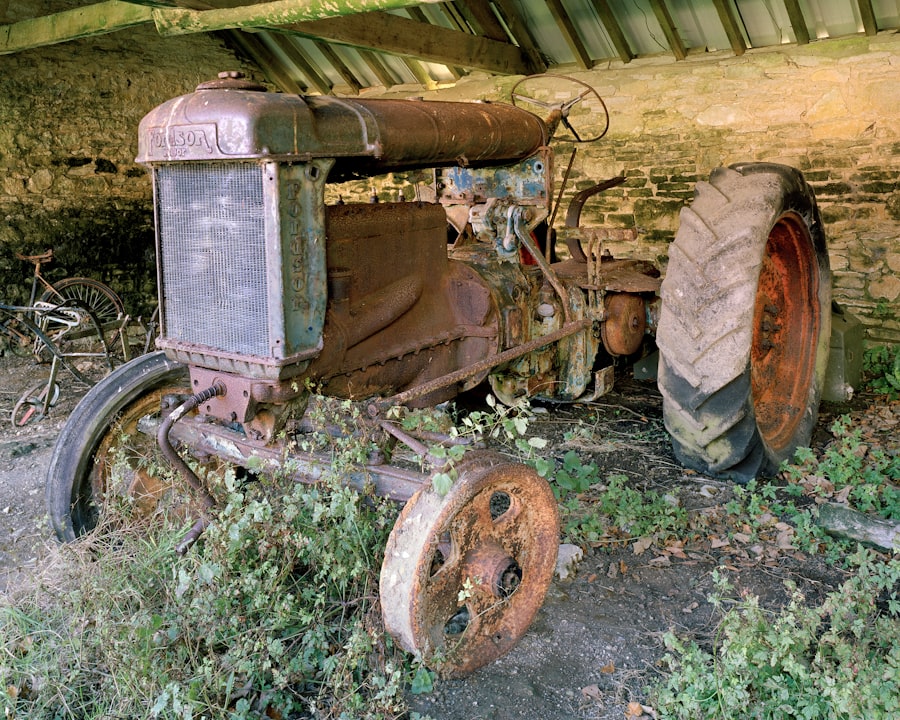
Preparation is essential for anyone looking to participate in an antique tractor auction successfully. Start by creating a checklist of potential tractors you wish to bid on, including their specifications and estimated values based on your research. This list will serve as a guide during the auction, helping you stay focused on your goals while navigating the excitement of bidding.
Additionally, it is wise to arrive early on auction day to familiarize yourself with the layout and inspect the tractors firsthand. Bring along tools such as a flashlight or magnifying glass to examine details that may not be immediately visible. Engaging with sellers or auction staff can provide insights into each tractor’s history and condition that may not be included in the auction catalog.
Finally, ensure you have a reliable method of payment ready—whether it’s cash, check, or financing options—so you can complete your purchase without any hitches.
Selling Your Antique Tractor at Auction
Selling an antique tractor at auction can be a rewarding experience if approached strategically. Before listing your tractor, invest time in restoring it to its best possible condition; this may involve mechanical repairs, cosmetic enhancements, or thorough cleaning. A well-presented tractor is more likely to attract bidders and command a higher price.
Once your tractor is ready for sale, research various auction houses that specialize in antique machinery. Each auction house has its own reputation and audience; some may cater more towards collectors while others focus on farmers looking for functional equipment. Choose an auction that aligns with your target market for optimal results.
Additionally, providing detailed documentation about your tractor’s history, restoration work, and any unique features will help potential buyers feel more confident in their bids.
The History and Significance of Antique Tractors
Antique tractors are not merely relics of agricultural history; they represent significant advancements in farming technology that transformed rural life in the 20th century. The introduction of tractors revolutionized agriculture by replacing horse-drawn plows and enabling farmers to cultivate larger areas more efficiently. This shift not only increased productivity but also changed the social fabric of rural communities as mechanization allowed for fewer laborers on farms.
The significance of antique tractors extends beyond their functional capabilities; they embody stories of innovation and resilience during challenging times such as the Great Depression and World War
In conclusion, antique tractor auctions offer a unique blend of excitement, community engagement, and historical appreciation for those interested in vintage machinery. Whether buying or selling, understanding the nuances of these events can enhance your experience and deepen your connection to this fascinating aspect of agricultural history.