
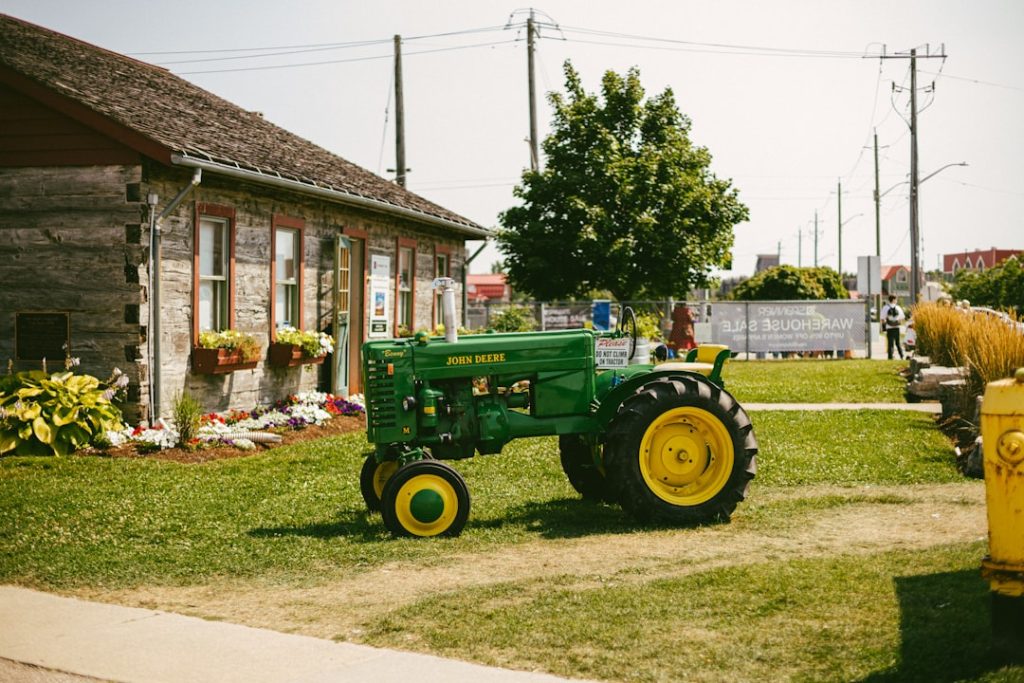
The agricultural landscape is undergoing a profound transformation, driven by technological advancements that are reshaping how farmers cultivate their land and manage their resources. The Cutting-Edge Farm Machinery Show serves as a pivotal platform for showcasing these innovations, bringing together manufacturers, farmers, and agricultural enthusiasts to explore the latest developments in farming equipment. This event not only highlights the newest machinery but also emphasizes the importance of integrating technology into traditional farming practices to enhance productivity and sustainability.
At the heart of this show is a commitment to improving agricultural efficiency and addressing the challenges faced by modern farmers. As global populations continue to rise, the demand for food production increases, necessitating the adoption of advanced machinery that can meet these needs. The Cutting-Edge Farm Machinery Show provides an opportunity for stakeholders to engage with experts, attend workshops, and witness live demonstrations of state-of-the-art equipment designed to optimize farming operations.
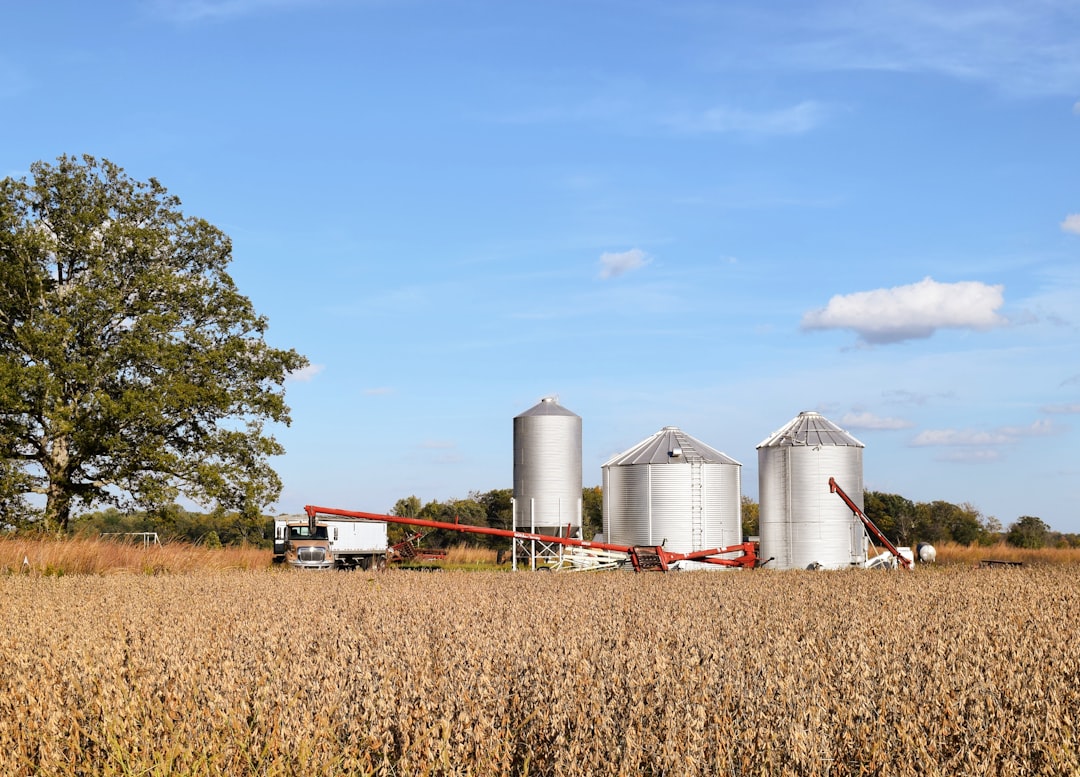
This convergence of innovation and practical application is crucial for fostering a more resilient agricultural sector.
Key Takeaways
- The show highlights the latest advancements in tractors, harvesters, and precision agriculture technology.
- Innovations focus on improving crop protection, fertilization, and sustainable farming methods.
- Autonomous farming equipment is emerging as a key trend for future agricultural practices.
- Energy-efficient and eco-friendly machinery are gaining importance to reduce environmental impact.
- Modern agricultural equipment significantly enhances productivity and sustainability in farming.
The Newest Tractors and Harvesters
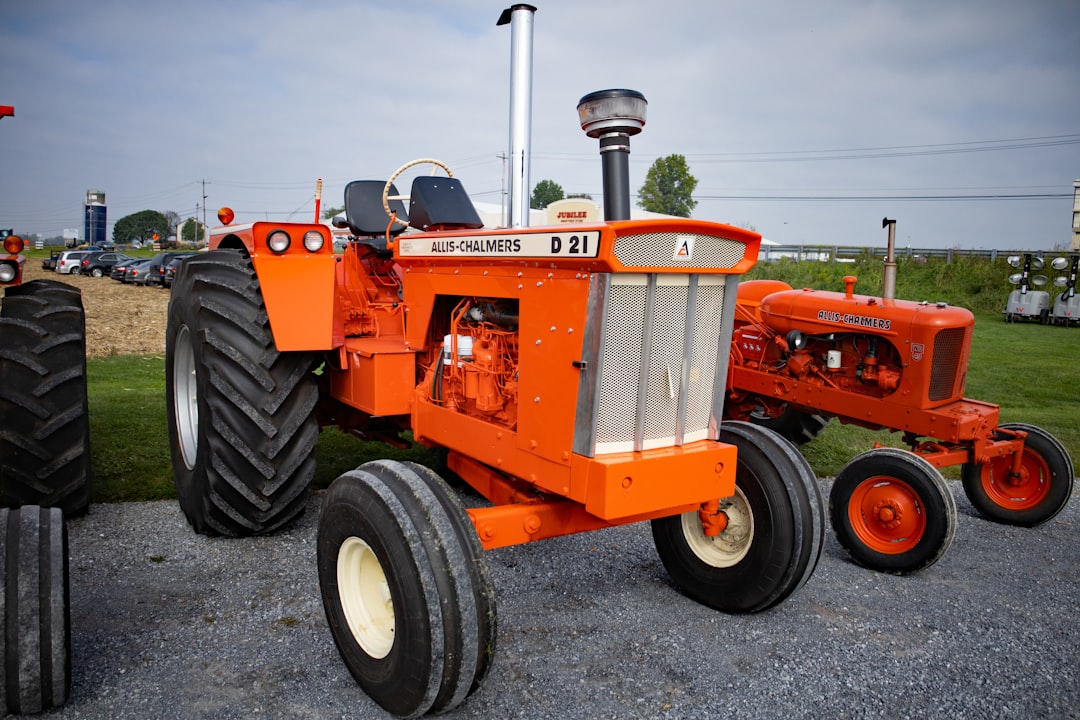
Among the most significant advancements showcased at the Cutting-Edge Farm Machinery Show are the latest tractors and harvesters, which have become increasingly sophisticated in their design and functionality. Modern tractors are equipped with powerful engines that not only enhance performance but also improve fuel efficiency. For instance, manufacturers like John Deere and Case IH have introduced models featuring advanced engine technology that reduces emissions while maximizing torque and horsepower.
These tractors are often integrated with GPS technology, allowing for precision farming practices that enable farmers to optimize their field operations. Harvesters have also seen remarkable innovations, particularly in their ability to process crops more efficiently. The latest combines are designed with enhanced threshing systems that minimize grain loss while maximizing throughput.
For example, the CLAAS LEXION series incorporates advanced sensor technology that monitors crop flow and adjusts settings in real-time to ensure optimal performance. This level of automation not only increases productivity but also reduces the labor required during the harvest season, allowing farmers to allocate their workforce more effectively.
Advanced Precision Agriculture Technology
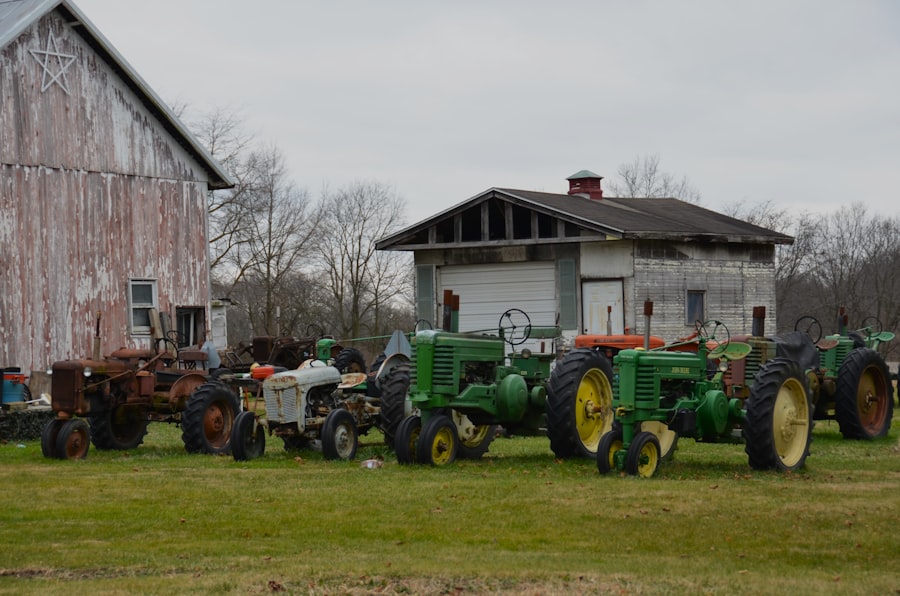
Precision agriculture has emerged as a game-changer in modern farming, leveraging data analytics and technology to enhance decision-making processes. At the Cutting-Edge Farm Machinery Show, various companies showcased tools that enable farmers to collect and analyze data from their fields. Drones equipped with high-resolution cameras and multispectral sensors are now commonplace, providing farmers with detailed aerial imagery that can identify crop health issues, soil variability, and irrigation needs.
Moreover, software platforms that integrate data from various sources—such as weather forecasts, soil sensors, and satellite imagery—are becoming essential for effective farm management. These platforms allow farmers to make informed decisions about planting schedules, fertilizer application, and pest control measures. For instance, companies like Trimble and AG Leader Technology offer comprehensive solutions that help farmers optimize their inputs based on real-time data analysis, ultimately leading to increased yields and reduced costs.
Innovations in Crop Protection and Fertilization
| Innovation | Description | Impact on Crop Yield | Environmental Benefit | Adoption Rate (%) |
|---|---|---|---|---|
| Biopesticides | Use of natural organisms or substances to control pests | 10-15% increase | Reduced chemical residues and toxicity | 35 |
| Precision Fertilization | Targeted nutrient application using sensors and GPS | 15-20% increase | Minimized nutrient runoff and pollution | 40 |
| Slow-release Fertilizers | Fertilizers that release nutrients gradually over time | 12-18% increase | Lower nutrient leaching and greenhouse gas emissions | 25 |
| RNAi-based Pest Control | Gene silencing technology to target specific pests | 20-25% increase | Highly specific, reducing non-target effects | 10 |
| Microbial Fertilizers | Use of beneficial microbes to enhance nutrient uptake | 10-15% increase | Improved soil health and reduced chemical use | 30 |
The quest for sustainable agriculture has spurred significant innovations in crop protection and fertilization techniques. At the Cutting-Edge Farm Machinery Show, attendees witnessed groundbreaking developments in biopesticides and precision fertilization technologies. Biopesticides derived from natural organisms are gaining traction as environmentally friendly alternatives to traditional chemical pesticides.
These products target specific pests while minimizing harm to beneficial insects and the surrounding ecosystem. In addition to crop protection, advancements in fertilization practices are revolutionizing how nutrients are applied to crops. Variable rate technology (VRT) allows farmers to apply fertilizers at different rates across their fields based on soil nutrient levels and crop requirements.
This targeted approach not only enhances crop health but also reduces nutrient runoff into waterways, addressing environmental concerns associated with over-fertilization. Companies like Yara International are at the forefront of developing smart fertilization solutions that utilize data-driven insights to optimize nutrient management.
Sustainable Farming Practices and Equipment
Sustainability is a central theme at the Cutting-Edge Farm Machinery Show, reflecting the growing awareness of environmental issues within the agricultural sector. Farmers are increasingly adopting practices that promote soil health, conserve water, and reduce greenhouse gas emissions. Equipment designed for conservation tillage, such as no-till drills and strip-till machines, allows farmers to minimize soil disturbance while maintaining crop residues on the surface.
This practice enhances soil structure, improves moisture retention, and fosters biodiversity. Additionally, innovations in irrigation technology are helping farmers use water more efficiently. Drip irrigation systems equipped with sensors can deliver precise amounts of water directly to plant roots, reducing waste and ensuring optimal growth conditions.
The integration of rainwater harvesting systems is also gaining popularity as a means of supplementing irrigation needs while promoting water conservation. These sustainable practices not only benefit the environment but also contribute to long-term economic viability for farmers.
The Future of Autonomous Farming
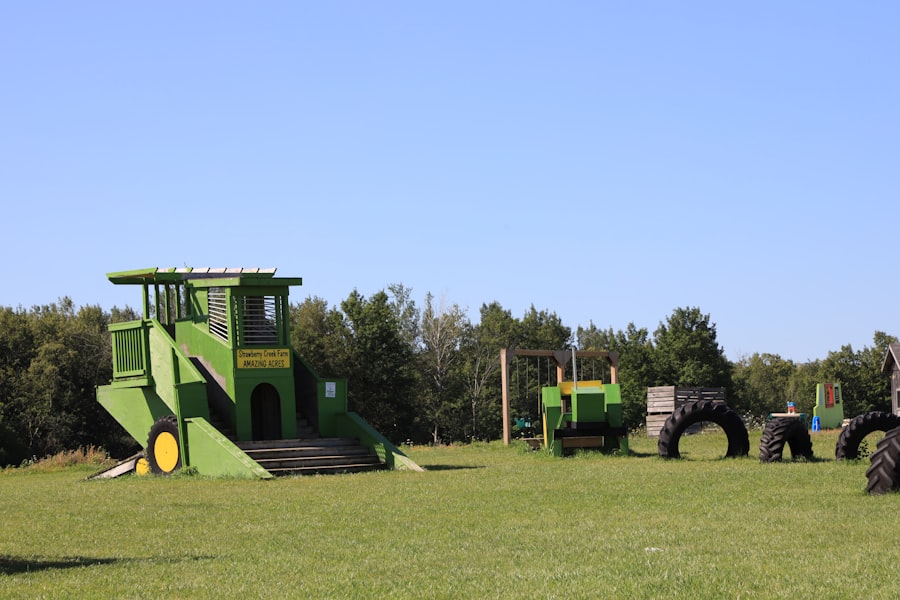
The future of agriculture is increasingly leaning towards automation, with autonomous farming equipment poised to revolutionize traditional practices. At the Cutting-Edge Farm Machinery Show, several manufacturers unveiled autonomous tractors and robotic systems designed to perform tasks such as planting, weeding, and harvesting without human intervention. These machines utilize advanced sensors, artificial intelligence, and machine learning algorithms to navigate fields safely and efficiently.
For example, companies like AGCO have developed autonomous tractors that can be programmed to operate independently or in conjunction with human operators. This flexibility allows farmers to maximize productivity while reducing labor costs. Furthermore, autonomous systems can work around the clock, enabling farmers to complete critical tasks during optimal weather conditions or when labor shortages occur.
As this technology continues to evolve, it holds the potential to transform labor dynamics in agriculture while enhancing overall efficiency.
Energy-Efficient and Eco-Friendly Machinery
As concerns about climate change intensify, energy-efficient and eco-friendly machinery is becoming a focal point in agricultural innovation. The Cutting-Edge Farm Machinery Show highlighted various equipment options designed to minimize energy consumption while maintaining high performance levels. Electric tractors and hybrid machinery are emerging as viable alternatives to traditional diesel-powered equipment, offering reduced emissions and lower operating costs.
For instance, manufacturers like Fendt have introduced electric tractors that utilize battery technology to power their operations. These machines not only reduce reliance on fossil fuels but also provide quieter operation—a significant advantage in urban or suburban farming settings where noise pollution is a concern. Additionally, advancements in biofuels derived from agricultural waste are being explored as a means of powering farm machinery sustainably.
By embracing these energy-efficient technologies, farmers can contribute to a greener future while enhancing their operational efficiency.
The Impact of Modern Agricultural Equipment
The Cutting-Edge Farm Machinery Show serves as a testament to the remarkable advancements in agricultural equipment that are shaping the future of farming. From innovative tractors and harvesters to precision agriculture technologies and sustainable practices, these developments are empowering farmers to meet the challenges of modern agriculture head-on. As the industry continues to evolve, it is clear that embracing technology will be essential for ensuring food security while promoting environmental stewardship.
The impact of modern agricultural equipment extends beyond individual farms; it influences entire supply chains and food systems globally. By adopting cutting-edge machinery and practices, farmers can increase productivity while minimizing their ecological footprint. As we look ahead, it is imperative for stakeholders across the agricultural sector to collaborate in harnessing these innovations for a more sustainable and resilient future in farming.