

The history of ice cream is a fascinating journey that spans centuries and continents, reflecting the evolution of culinary techniques and cultural preferences. The origins of ice cream can be traced back to ancient civilizations, where frozen desserts were made from snow or ice mixed with honey, fruit, and other flavorings. The earliest recorded instance of a frozen dessert resembling ice cream dates back to the Tang Dynasty in China (618-907 AD), where a mixture of milk and rice was frozen in snow.
This early form of ice cream was a luxury reserved for the elite, showcasing the intersection of culinary innovation and social status. As trade routes expanded, the concept of frozen desserts spread to the Middle East and Europe. By the 16th century, Italian nobility began to experiment with flavored ices, leading to the creation of sorbetto, a precursor to modern sorbet.

The introduction of ice houses in Europe allowed for the storage of ice year-round, making it possible for more people to enjoy these frozen delights. The invention of the hand-cranked ice cream maker in the 19th century revolutionized ice cream production, allowing for greater accessibility and variety. This period marked the transition from artisanal production to a more commercial approach, paving the way for the ice cream industry as we know it today.
Key Takeaways
- Ice cream making has a rich history that influences modern techniques and flavors.
- Quality ice cream requires specific tools and high-quality ingredients for the best results.
- Mastering the ice cream base is crucial for creating smooth and creamy textures.
- Experimenting with unique flavors and add-ins can set your ice cream apart.
- Proper churning, freezing, and presentation are key to artisanal ice cream success and effective marketing.
Essential Tools and Ingredients for Making Quality Ice Cream

Creating high-quality ice cream at home requires a specific set of tools and ingredients that can significantly impact the final product. At the core of any ice cream-making endeavor is an ice cream maker, which can range from simple hand-cranked models to sophisticated electric machines. A basic hand-cranked model can be a fun and engaging way to involve family and friends in the process, while an electric machine can streamline production and ensure consistent results.
Additionally, a good thermometer is essential for monitoring temperatures during cooking and chilling processes, ensuring that the mixture reaches the right consistency. When it comes to ingredients, the quality of your base will determine the overall flavor and texture of your ice cream. The primary components include cream, milk, sugar, and egg yolks.
Heavy cream provides richness and a smooth mouthfeel, while whole milk contributes to a lighter texture. Sugar not only sweetens but also lowers the freezing point of the mixture, preventing it from becoming too hard. Egg yolks are often used in custard-style bases, adding richness and stability.
Beyond these essentials, flavorings such as vanilla extract, cocoa powder, or fresh fruit can elevate your ice cream to new heights. For those looking to experiment with unique flavors, consider incorporating herbs, spices, or even savory elements like cheese or olive oil.
Mastering the Basics: Creating a Perfect Ice Cream Base
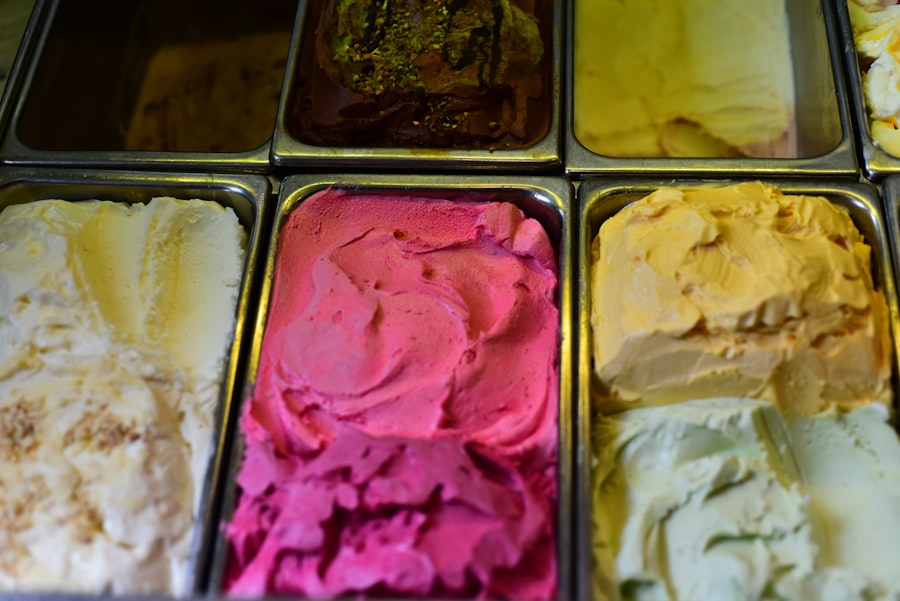
The foundation of any great ice cream lies in its base, which can be categorized into two main types: custard and Philadelphia-style. Custard bases involve cooking egg yolks with sugar and milk or cream until thickened, creating a rich and creamy texture. This method requires careful temperature control to avoid scrambling the eggs.
Once cooked, the mixture must be cooled before churning, allowing flavors to meld and develop. A well-executed custard base will yield an ice cream that is both luxurious and satisfying. On the other hand, Philadelphia-style bases are simpler and do not require cooking.
This method combines cream, milk, sugar, and flavorings directly without eggs. While this results in a lighter texture compared to custard-based ice creams, it allows for quicker preparation and is ideal for those who prefer a more straightforward approach. Regardless of the method chosen, achieving the right balance of fat and sugar is crucial for creating a smooth texture.
Experimenting with different ratios can lead to personalized results that cater to individual preferences.
Exploring Flavor Combinations and Add-Ins for Unique Creations
| Flavor Combination | Primary Ingredients | Recommended Add-Ins | Flavor Profile | Usage Suggestions |
|---|---|---|---|---|
| Spicy Citrus | Orange, Chili Pepper | Lime Zest, Honey | Sweet, Tangy, Spicy | Marinades, Cocktails, Dressings |
| Herb & Berry | Strawberries, Basil | Black Pepper, Lemon Juice | Fresh, Sweet, Slightly Peppery | Salads, Desserts, Beverages |
| Umami Sweet | Miso, Maple Syrup | Ginger, Toasted Sesame Seeds | Rich, Savory, Sweet | Glazes, Sauces, Roasted Vegetables |
| Chocolate & Chili | Dark Chocolate, Cayenne | Cinnamon, Sea Salt | Bittersweet, Spicy, Warm | Desserts, Hot Beverages, Snacks |
| Tropical Mint | Pineapple, Mint | Coconut Flakes, Lime | Refreshing, Sweet, Citrusy | Smoothies, Cocktails, Salads |
Once you have mastered the basic ice cream base, the real fun begins: experimenting with flavors and add-ins. Traditional flavors like vanilla, chocolate, and strawberry are classics for a reason; however, venturing into more adventurous territory can yield exciting results. Consider infusing your base with herbs such as basil or mint for a refreshing twist or incorporating spices like cinnamon or cardamom for warmth and depth.
For fruit-based flavors, using fresh or roasted fruits can enhance natural sweetness while adding complexity. Add-ins are another avenue for creativity in ice cream making. Chunks of cookies, brownies, or candy can provide delightful textural contrasts within your creamy base.
Swirls of caramel or fudge can create visually appealing marbling while enhancing flavor profiles. For those who enjoy savory elements, consider adding cheese or nuts for an unexpected twist that challenges traditional notions of dessert. The key is to strike a balance between flavors so that no single element overpowers the others; this harmony will elevate your creations from ordinary to extraordinary.
Tips for Achieving the Perfect Texture and Consistency
Achieving the perfect texture in homemade ice cream is an art that requires attention to detail throughout the entire process. One critical factor is the incorporation of air during churning, known as overrun. This process not only lightens the texture but also contributes to a smoother mouthfeel.
Most commercial ice creams have an overrun of about 20-50%, but homemade versions typically have less due to smaller batch sizes. To achieve optimal overrun, ensure that your mixture is well-chilled before churning; this will help it freeze faster and incorporate air more effectively. Another important aspect is controlling the freezing process after churning.
Once your ice cream reaches a soft-serve consistency in the machine, transferring it to an airtight container and placing it in the freezer for several hours will allow it to firm up properly. During this time, it’s essential to minimize temperature fluctuations by keeping your freezer at a consistent temperature—ideally around -10°F (-23°C). Additionally, consider using stabilizers like cornstarch or gelatin if you desire a creamier texture that resists ice crystal formation over time.
Techniques for Churning and Freezing Ice Cream

Churning is a crucial step in ice cream making that influences both texture and flavor development. The method you choose will depend on your equipment; electric ice cream makers typically require less manual effort than hand-cranked models but may vary in terms of churning speed and efficiency. Regardless of your method, it’s essential to monitor the mixture closely as it churns; once it reaches a soft-serve consistency, it’s time to transfer it to a container for freezing.
For those using traditional methods without an ice cream maker, there are alternative techniques such as the bag method or using a food processor. The bag method involves placing your ice cream mixture in a smaller resealable bag, which is then placed inside a larger bag filled with ice and salt. The salt lowers the freezing point of the ice, allowing for faster freezing of the mixture as you shake it vigorously.
Alternatively, using a food processor allows you to blend your mixture until smooth after partially freezing it in a shallow dish; this method requires periodic stirring to break up any ice crystals that form.
Creating Artisanal Ice Cream Treats: Sundaes, Sandwiches, and More
Once you have perfected your homemade ice cream, there are countless ways to enjoy it beyond simply scooping it into bowls. Artisanal sundaes offer an opportunity to showcase your creativity by layering flavors and textures. Start with a generous scoop of your favorite ice cream flavor as a base and then add toppings such as whipped cream, nuts, fresh fruit, or drizzles of chocolate or caramel sauce.
Consider incorporating unique elements like candied ginger or spiced nuts for an unexpected twist that elevates your sundae experience. Ice cream sandwiches are another delightful way to enjoy your creations. Choose cookies that complement your chosen flavor—classic chocolate chip pairs well with vanilla or mint chocolate chip ice creams—while more adventurous options like ginger molasses can enhance spiced flavors.
To assemble your sandwich, scoop a generous portion of ice cream between two cookies and gently press them together; rolling the edges in sprinkles or crushed nuts adds an appealing visual element while providing additional texture.
Marketing and Selling Your Homemade Ice Cream: Tips for Success
For those looking to turn their passion for homemade ice cream into a business venture, effective marketing strategies are essential for success in a competitive market. Start by identifying your target audience; understanding their preferences will help tailor your offerings accordingly. Consider creating unique flavor profiles that reflect local ingredients or cultural influences—this not only sets you apart but also fosters community engagement.
Building an online presence through social media platforms can significantly enhance visibility for your homemade ice cream business. Share enticing images of your creations along with behind-the-scenes glimpses into your production process; this transparency fosters trust and connection with potential customers. Additionally, participating in local farmers’ markets or food festivals provides opportunities for direct interaction with consumers while allowing them to sample your products firsthand.
Establishing partnerships with local businesses such as cafes or restaurants can also expand your reach; consider offering exclusive flavors or collaborating on special events that highlight both brands. Finally, gathering customer feedback through surveys or social media interactions can provide valuable insights into preferences while fostering loyalty among your clientele. By embracing these strategies alongside your passion for crafting exceptional homemade ice cream, you can create not only delicious treats but also a thriving business that resonates with customers on multiple levels.