
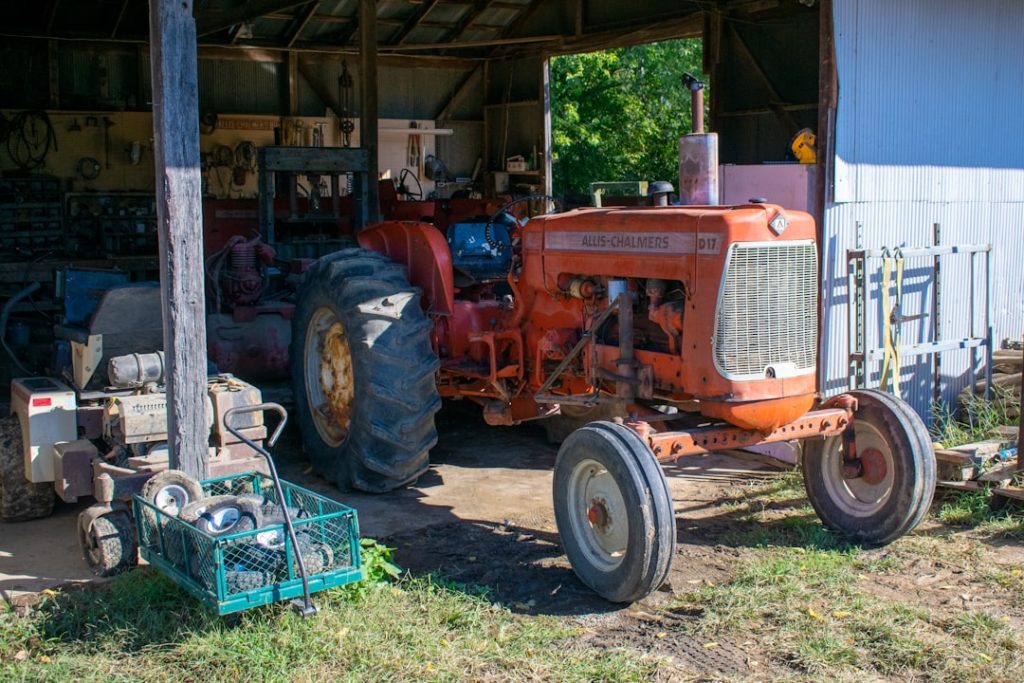
Compact tractors have gained immense popularity among small-scale farmers, landscapers, and property owners due to their versatility and efficiency. These machines are designed to perform a variety of tasks, making them an invaluable asset for anyone needing reliable equipment for agricultural or landscaping purposes. One of the primary benefits of compact tractors is their size.
Unlike larger agricultural tractors, compact models are easier to maneuver in tight spaces, making them ideal for small farms, residential properties, and urban gardens. Their compact nature allows users to navigate through narrow pathways and around obstacles without the risk of damaging surrounding areas. Moreover, compact tractors are equipped with a range of attachments that enhance their functionality.

From front-end loaders and backhoes to mowers and tillers, these attachments enable users to tackle diverse tasks such as digging, grading, mowing, and hauling. This adaptability not only saves time but also reduces the need for multiple pieces of equipment, which can be costly and require additional storage space. Additionally, many compact tractors are designed with user-friendly controls and features that make them accessible to operators of all skill levels.
This ease of use encourages more individuals to take on projects that would otherwise require professional assistance, ultimately empowering them to manage their land more effectively.
Key Takeaways
- Compact tractors offer versatile benefits for various agricultural and landscaping tasks.
- Thorough research and preparation are essential before attending a tractor auction.
- Knowing the different types of compact tractors helps in selecting the right model for your needs.
- Setting a clear budget and bidding strategy can prevent overspending at auctions.
- Proper inspection and understanding auction procedures ensure a confident and successful purchase.

Researching and Preparing for the Auction
Before attending an auction for compact tractors, thorough research is essential to ensure a successful purchase. Start by identifying reputable auction houses that specialize in agricultural equipment or machinery. Many auctioneers provide catalogs or online listings of the items available for bidding, which can help you familiarize yourself with the specific models and brands that will be present.
Take the time to read reviews and testimonials about the auction house to gauge their credibility and the quality of their offerings. Understanding the auction’s terms and conditions is also crucial; this includes knowing the buyer’s premium, payment methods accepted, and any additional fees that may apply. In addition to researching the auction house, it is vital to prepare a list of potential compact tractor models that meet your needs.
Consider factors such as horsepower, weight, and compatibility with various attachments. If possible, visit local dealerships or rental facilities to test drive different models and gain firsthand experience with their operation. This hands-on approach will not only help you identify your preferences but also provide insight into the features that are most important for your intended use.
Furthermore, familiarize yourself with market prices for the models you are interested in; this knowledge will empower you during the bidding process and help you avoid overpaying.
Evaluating the Different Types of Compact Tractors
Compact tractors come in various types, each designed for specific applications and user needs. The most common categories include sub-compact tractors, compact utility tractors, and specialty tractors. Sub-compact tractors are typically smaller and lighter, making them ideal for residential use or small-scale gardening projects.
They often feature lower horsepower ratings but can still handle a range of attachments like mowers and tillers. These tractors are perfect for homeowners looking to maintain their lawns or gardens without the bulk of larger machinery. On the other hand, compact utility tractors offer a balance between size and power, making them suitable for both agricultural tasks and landscaping projects.
With horsepower ratings ranging from 20 to 60 HP, these tractors can handle heavier loads and more demanding tasks such as plowing fields or moving large amounts of soil. They often come equipped with advanced features like four-wheel drive and hydrostatic transmissions, enhancing their performance in various terrains. Specialty tractors cater to specific needs, such as vineyard management or orchard maintenance, featuring unique designs and attachments tailored for those applications.
Setting Your Budget and Bidding Strategy
| Metric | Description | Recommended Range | Notes |
|---|---|---|---|
| Daily Budget | The maximum amount you are willing to spend per day on your campaign | 10 – 1000 | Adjust based on campaign goals and overall marketing budget |
| Cost Per Click (CPC) Bid | The amount you are willing to pay for each click on your ad | 0.10 – 5.00 | Higher bids can increase ad visibility but reduce ROI if too high |
| Cost Per Thousand Impressions (CPM) Bid | The amount you pay per 1000 ad impressions | 1.00 – 20.00 | Useful for brand awareness campaigns |
| Target Return on Ad Spend (ROAS) | The desired revenue generated for every unit spent on ads | 3x – 10x | Helps in setting profitable bidding strategies |
| Bid Strategy Type | Method used to set bids automatically or manually | Manual CPC, Enhanced CPC, Target CPA, Maximize Conversions | Choose based on campaign objectives and control preferences |
| Target Cost Per Acquisition (CPA) | The amount you want to pay for each conversion | 5 – 50 | Set based on product margins and conversion value |
Establishing a budget is a critical step in the auction process, as it helps you remain focused and prevents impulsive spending. Begin by determining how much you are willing to invest in a compact tractor based on your research into market prices and your financial situation. It is advisable to set a maximum bid limit that includes not only the purchase price but also any additional costs such as taxes, registration fees, and potential repairs or modifications needed after purchase.
This comprehensive approach ensures that you do not exceed your financial capabilities during the bidding process. Developing a bidding strategy is equally important. Familiarize yourself with the auction format—whether it is a live auction or an online event—as this will influence your approach.
In live auctions, observe how other bidders engage; this can provide insight into their bidding behavior and help you gauge when to enter the bidding fray. A common strategy is to start with lower bids to test the waters before making more significant offers as competition intensifies. In online auctions, consider setting automatic bids up to your maximum limit to avoid getting caught up in bidding wars that could drive prices beyond your budget.
Inspecting the Tractors at the Auction
Once at the auction, inspecting the compact tractors is paramount before placing any bids. Take advantage of any preview opportunities offered by the auction house; this allows you to examine the equipment closely and assess its condition. Look for signs of wear and tear such as rust, leaks, or damage to critical components like the engine or transmission.
Pay attention to the tires as well; worn tires can significantly affect performance and may require replacement soon after purchase. In addition to visual inspections, if possible, start the tractor to listen for any unusual noises that could indicate mechanical issues. Check all operational features such as lights, hydraulics, and controls to ensure they function correctly.
If you have specific knowledge about certain brands or models, use that expertise to evaluate whether the tractor meets your standards. Bringing along a checklist can be helpful in ensuring you do not overlook any critical aspects during your inspection.
Understanding the Auction Process and Bidding Etiquette
Understanding how auctions operate is crucial for successful bidding on a compact tractor. Auctions typically begin with an auctioneer introducing each item up for bid, often providing a brief description of its features and condition. Bidders raise their paddles or click buttons in online settings to indicate their interest in purchasing the item.
The auctioneer will call out bids until no further offers are made, at which point they will announce the final sale price. Bidding etiquette plays a significant role in maintaining a respectful atmosphere during auctions. It is essential to be aware of your surroundings and avoid distracting other bidders or the auctioneer while they are conducting business.
If you decide not to bid on an item after initially showing interest, it is courteous to lower your paddle or signal your withdrawal clearly so as not to confuse others. Additionally, if you win a bid, be prepared to follow through with payment promptly according to the auction house’s guidelines.
Making the Final Decision and Purchasing Your Compact Tractor
After successfully winning a bid on a compact tractor, it is time to finalize your purchase decision. Review all documentation provided by the auction house carefully; this includes any warranties or guarantees associated with the tractor. Ensure that all necessary paperwork is completed accurately to facilitate a smooth transfer of ownership.
If applicable, inquire about any additional services offered by the auction house, such as delivery options or assistance with registration. Before taking possession of your new tractor, consider scheduling a professional inspection if you have any concerns about its condition post-purchase. This step can provide peace of mind and help identify any potential issues that may need addressing before putting the tractor into regular use.
Once everything is settled, take time to familiarize yourself with your new equipment; understanding its features and capabilities will enhance your experience and ensure you maximize its potential.
Taking Care of Your New Compact Tractor
Proper maintenance is essential for ensuring the longevity and performance of your compact tractor after purchase. Regularly scheduled maintenance tasks should include checking fluid levels—such as engine oil, hydraulic fluid, and coolant—and replacing filters as needed. Adhering to manufacturer recommendations regarding service intervals will help prevent costly repairs down the line.
In addition to routine maintenance, consider investing in protective measures such as covers or storage solutions that shield your tractor from harsh weather conditions when not in use. Keeping your equipment clean can also prolong its lifespan; regularly washing off dirt and debris prevents corrosion and maintains its appearance. Finally, familiarize yourself with troubleshooting techniques for common issues; having basic knowledge about potential problems can save time and money when addressing minor repairs on your own.
By understanding these various aspects of purchasing and maintaining a compact tractor through auctions, individuals can make informed decisions that align with their needs while maximizing their investment in this versatile machinery.