
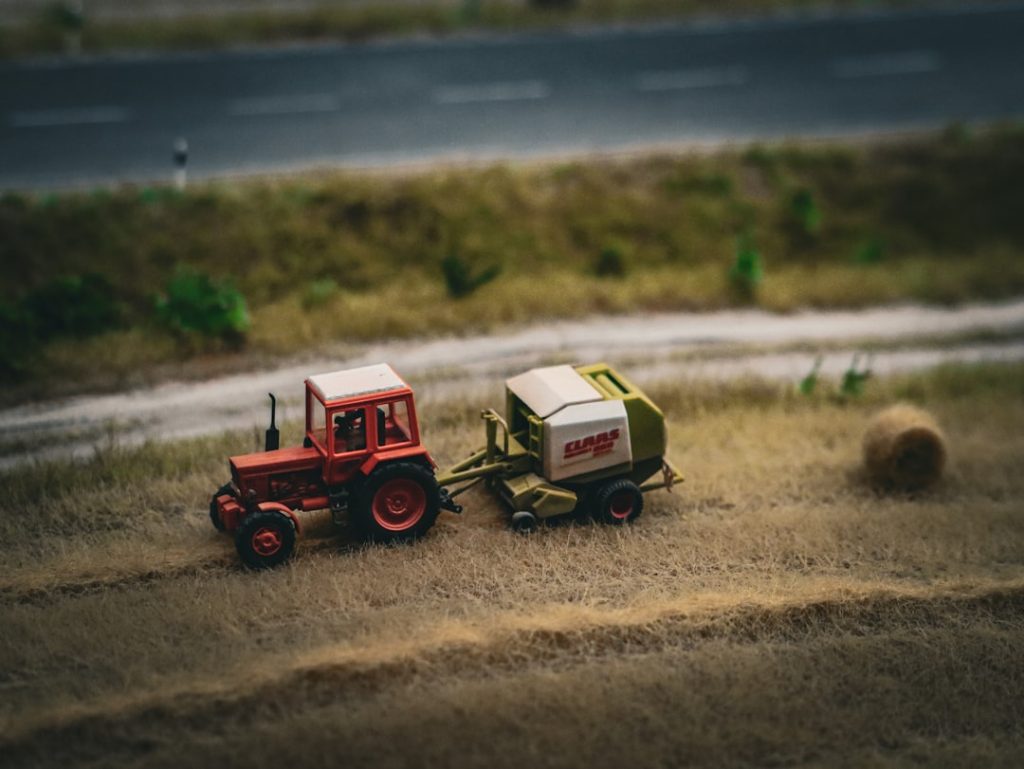
The evolution of tractors is a fascinating journey that reflects the broader changes in agriculture and technology over the past century. The first tractors emerged in the late 19th century, primarily as steam-powered machines. These early models were cumbersome and required significant maintenance, but they marked a pivotal shift from horse-drawn plows to mechanized farming.
The introduction of gasoline engines in the early 20th century revolutionized tractor design, making them more efficient and easier to operate. Companies like Ford and International Harvester began producing tractors that were not only functional but also affordable for the average farmer, leading to widespread adoption. By the 1930s, the classic tractor as we know it began to take shape.

The introduction of the Farmall Model F-20 by International Harvester in 1939 is often cited as a turning point in tractor design. This model featured a unique, low-slung design that allowed for better visibility and maneuverability in the fields. The post-World War II era saw an explosion in tractor production, with manufacturers competing to innovate and improve their models.
Tractors became more powerful, versatile, and user-friendly, leading to a significant increase in agricultural productivity. The classic tractors from this golden age, characterized by their robust construction and distinctive designs, have since become cherished collectibles.
Key Takeaways
- Classic tractors have a rich history that reflects agricultural development over time.
- Collecting classic tractors appeals due to nostalgia, craftsmanship, and historical value.
- Auctions are prime venues to find and purchase classic tractors.
- Successful buying at auctions requires research, inspection, and setting a budget.
- Restoring tractors is a popular hobby that preserves their legacy and functionality.
The Appeal of Classic Tractor Collecting
Collecting classic tractors is more than just a hobby; it is a passion that resonates with many enthusiasts who appreciate the craftsmanship and history behind these machines. For many collectors, classic tractors represent a tangible connection to agricultural heritage and the evolution of farming practices. Each tractor tells a story, reflecting the technological advancements of its time and the personal experiences of those who operated them.
This historical significance adds depth to the collecting experience, as enthusiasts often delve into research about specific models, manufacturers, and the agricultural landscape of their respective eras. Moreover, classic tractor collecting fosters a sense of community among enthusiasts. Many collectors participate in local clubs and organizations dedicated to preserving agricultural history.
These groups often host events such as tractor shows, parades, and restoration competitions, providing opportunities for collectors to showcase their prized possessions and share knowledge with fellow enthusiasts. The camaraderie found within this community is a significant draw for many collectors, as they bond over shared interests and experiences related to their love for classic tractors.
Where to Find Classic Tractor Auctions
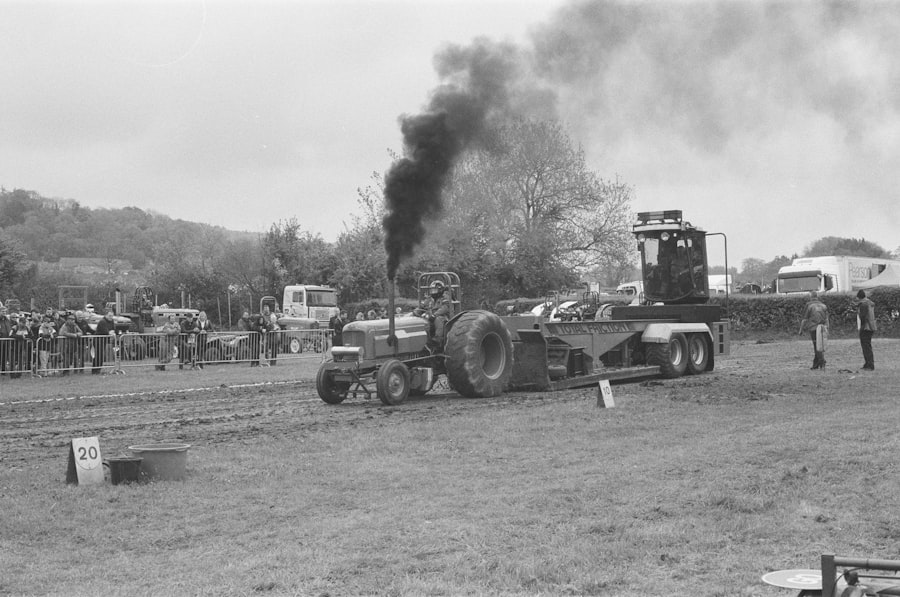
Finding classic tractor auctions can be an exciting endeavor for collectors looking to expand their collections or acquire specific models. One of the most reliable sources for locating these auctions is through specialized auction houses that focus on agricultural equipment. Companies like Mecum Auctions and Ritchie Bros.
Auctioneers frequently feature classic tractors in their sales, attracting both serious collectors and casual buyers alike. These auctions often provide detailed catalogs that include photographs, descriptions, and estimated values for each item, allowing potential buyers to do their homework before bidding. In addition to established auction houses, local farm shows and agricultural fairs often host tractor auctions as part of their events.
These auctions can be a treasure trove for collectors, as they may feature rare models that are not commonly found elsewhere. Networking within the classic tractor community can also yield valuable information about upcoming auctions. Many collectors share leads on social media platforms or through dedicated forums, making it easier for enthusiasts to stay informed about opportunities to purchase classic tractors.
Tips for Buying Classic Tractors at Auction
| Tip | Description | Metric/Consideration |
|---|---|---|
| Research the Model | Understand the history, common issues, and market value of the tractor model you want. | Market value range, common repair costs |
| Inspect Condition | Check engine, transmission, tires, and overall rust or wear before bidding. | Engine hours, tire tread depth, rust percentage |
| Set a Budget | Decide your maximum bid to avoid overspending during auction excitement. | Maximum bid limit |
| Attend Preview Days | Visit the auction site beforehand to physically inspect tractors. | Number of tractors previewed |
| Understand Auction Fees | Factor in buyer’s premiums and taxes when calculating total cost. | Buyer’s premium percentage, applicable taxes |
| Check Title and Documentation | Verify ownership and any liens on the tractor. | Title status (clear or lien), documentation completeness |
| Know the Auction Rules | Familiarize yourself with bidding procedures and payment terms. | Payment deadlines, accepted payment methods |
| Consider Restoration Costs | Estimate expenses if the tractor needs repairs or cosmetic work. | Estimated restoration cost |
| Network with Sellers and Buyers | Build relationships to gain insights and potential deals. | Number of contacts made |
| Be Patient | Wait for the right tractor rather than rushing into a purchase. | Number of auctions attended before purchase |
Navigating the world of classic tractor auctions requires careful preparation and strategy to ensure a successful purchase. One of the first steps is to thoroughly research the specific models you are interested in before attending an auction. Understanding the market value of different tractors can help you set a budget and avoid overbidding.
Resources such as collector guides, online forums, and previous auction results can provide valuable insights into pricing trends and demand for specific models. When attending an auction, it is crucial to inspect the tractors in person whenever possible. Look for signs of wear and tear, rust, or modifications that may affect the tractor’s value or functionality.
If you are not mechanically inclined, consider bringing along someone with expertise in vintage machinery who can help assess the condition of the tractors you are interested in. Additionally, familiarize yourself with the auction process itself—know how bidding works, understand any fees associated with purchases, and be aware of payment methods accepted by the auction house.
Restoring Classic Tractors
Restoring classic tractors is both an art and a science that requires patience, skill, and a deep appreciation for historical accuracy. Many collectors take on restoration projects as a way to breathe new life into neglected machines while preserving their original character. The restoration process typically begins with a thorough assessment of the tractor’s condition, identifying areas that require repair or replacement.
This may involve disassembling components, cleaning parts, and sourcing original or compatible replacement pieces. One of the most critical aspects of restoration is maintaining authenticity. Collectors often strive to use original parts whenever possible to ensure that the finished product reflects its historical roots accurately.
This commitment to authenticity can sometimes lead collectors on extensive searches for rare components or specific paint colors that match the original specifications. The restoration journey can be time-consuming and labor-intensive, but many enthusiasts find immense satisfaction in seeing a once-dilapidated tractor transformed into a stunning piece of agricultural history.
The Community of Classic Tractor Collectors
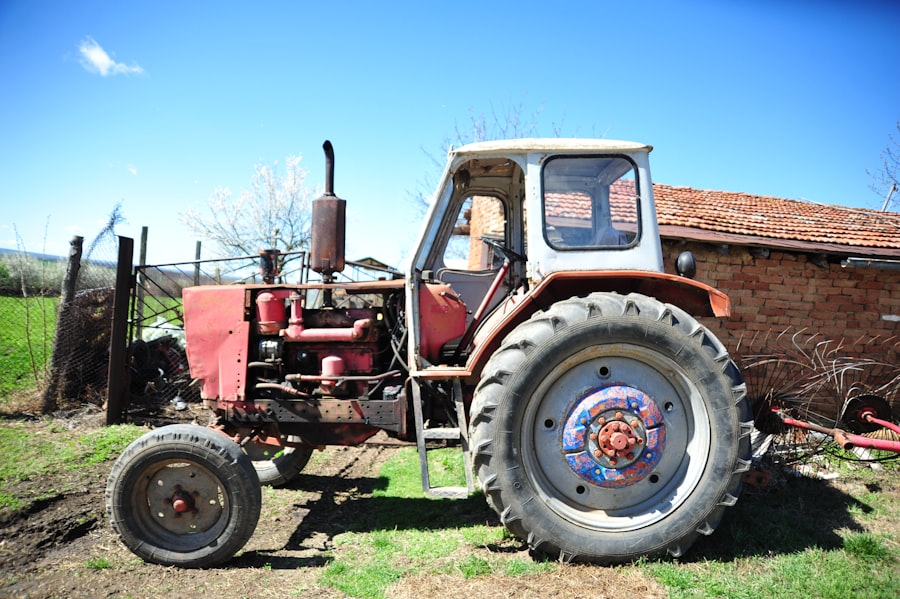
The community surrounding classic tractor collecting is vibrant and diverse, encompassing individuals from various backgrounds united by their shared passion for these machines. Local clubs often serve as hubs for enthusiasts to connect, share knowledge, and organize events such as tractor shows or swap meets where collectors can buy, sell, or trade parts and equipment. These gatherings foster camaraderie among members who appreciate not only the tractors themselves but also the stories and experiences associated with them.
Online platforms have also played a significant role in connecting collectors across geographical boundaries. Social media groups dedicated to classic tractors allow enthusiasts to share photos of their collections, seek advice on restoration projects, or discuss upcoming auctions and events. Websites dedicated to vintage machinery provide forums where collectors can ask questions and exchange tips on maintenance or sourcing parts.
This sense of community enhances the collecting experience by creating opportunities for collaboration and friendship among individuals who might otherwise never meet.
The Most Sought-After Classic Tractor Models
Certain classic tractor models have achieved legendary status among collectors due to their historical significance, unique features, or limited production runs. The John Deere Model A, produced from 1934 to 1952, is one such model that has garnered immense popularity among enthusiasts. Known for its distinctive green color and reliable performance, the Model A was one of the first tractors designed specifically for row-crop farming.
Its versatility and durability have made it a favorite among collectors seeking both functionality and nostalgia. Another highly sought-after model is the Ford 8N tractor, which was produced from 1947 to 1952. This model is often credited with popularizing the use of tractors among small farmers due to its affordability and ease of use.
The Ford 8N features a three-point hitch system that revolutionized how implements were attached to tractors, making it easier for farmers to switch between tasks. Collectors prize this model not only for its historical importance but also for its iconic design that embodies the spirit of post-war American agriculture.
The Future of Classic Tractor Collecting
As we look toward the future of classic tractor collecting, several trends are emerging that may shape the landscape of this passionate hobby. One notable trend is the increasing interest in sustainability and environmental consciousness among collectors. Many enthusiasts are exploring ways to restore and maintain classic tractors using eco-friendly practices and materials.
This shift reflects a broader societal movement toward sustainability in agriculture and may lead to innovations in how vintage machinery is preserved for future generations. Additionally, technology is playing an increasingly significant role in classic tractor collecting. Online auctions have gained popularity due to their convenience and accessibility, allowing collectors from around the world to participate without geographical limitations.
Virtual shows and online communities are also expanding opportunities for enthusiasts to connect and share their passion for classic tractors. As younger generations become involved in collecting, they may bring fresh perspectives and ideas that could further evolve this beloved hobby while ensuring that the rich history of classic tractors continues to be celebrated for years to come.