
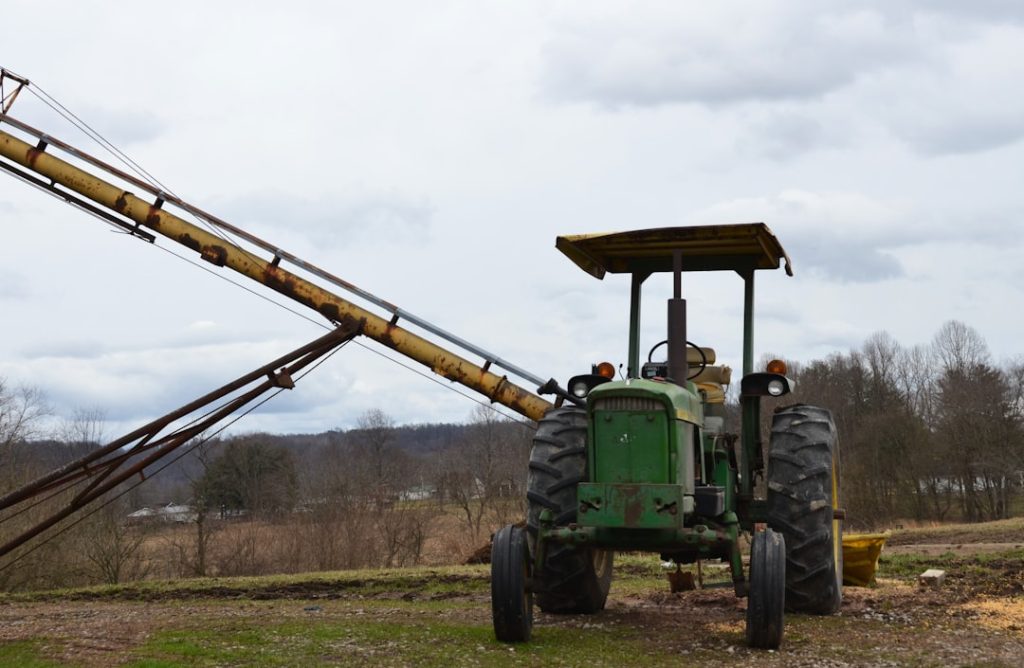
Efficient machinery plays a pivotal role in modern agriculture, serving as the backbone of productivity and sustainability. In an era where food demand is escalating due to a growing global population, the need for advanced farming equipment has never been more critical. Efficient machinery not only enhances productivity but also optimizes resource use, reducing waste and minimizing environmental impact.
For instance, precision agriculture technologies, such as GPS-guided tractors and automated planting systems, allow farmers to apply inputs like seeds and fertilizers with pinpoint accuracy. This not only maximizes crop yields but also conserves resources, ensuring that every drop of water and every ounce of fertilizer is utilized effectively. Moreover, the importance of efficient machinery extends beyond mere productivity; it also influences the economic viability of farming operations.
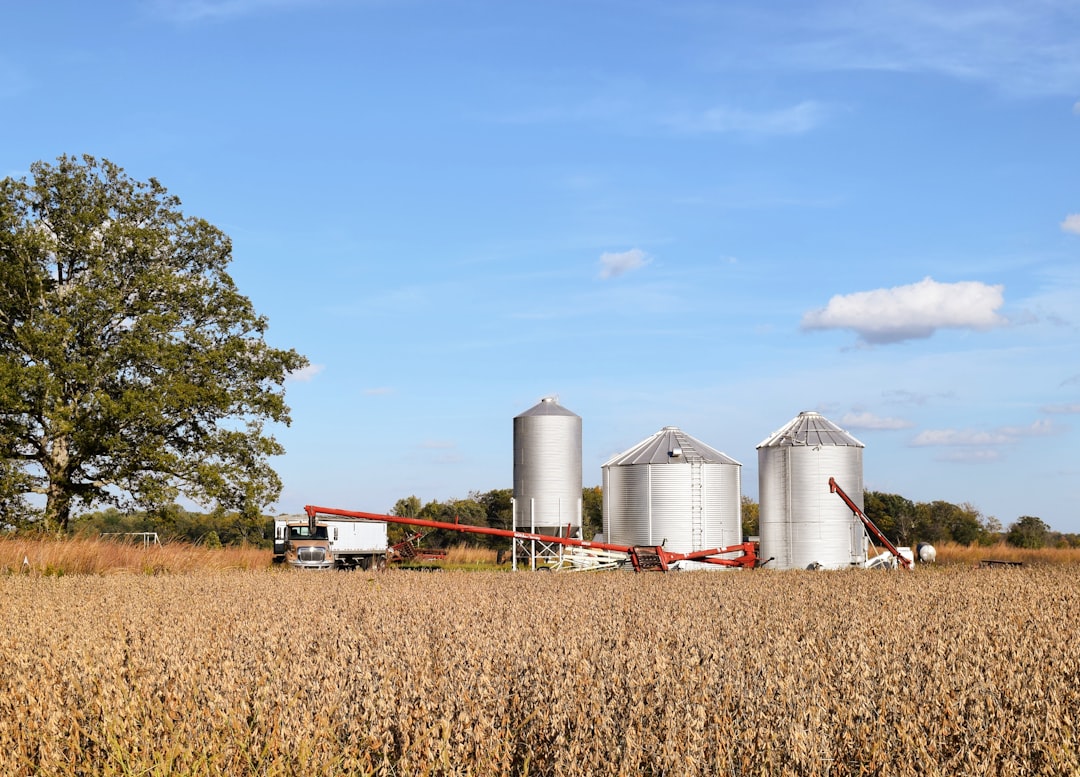
High-efficiency equipment can significantly lower operational costs by reducing fuel consumption and labor requirements. For example, a modern combine harvester equipped with advanced technology can harvest crops faster and with less fuel than older models. This efficiency translates into lower costs per acre, allowing farmers to remain competitive in a market where margins are often razor-thin.
Additionally, the reliability of modern machinery reduces downtime, ensuring that farmers can operate at full capacity during critical planting and harvesting seasons.
Key Takeaways
- Efficient machinery is crucial for increasing productivity and reducing labor in farming.
- Assessing your farm’s specific needs helps in selecting the most suitable machinery.
- Buying used machinery can be cost-effective if proper inspection and evaluation are done.
- Regular maintenance and operator training maximize machinery efficiency and lifespan.
- Incorporating technology and evaluating ROI ensures smart investment in farm machinery.
How to Assess Your Farm’s Machinery Needs
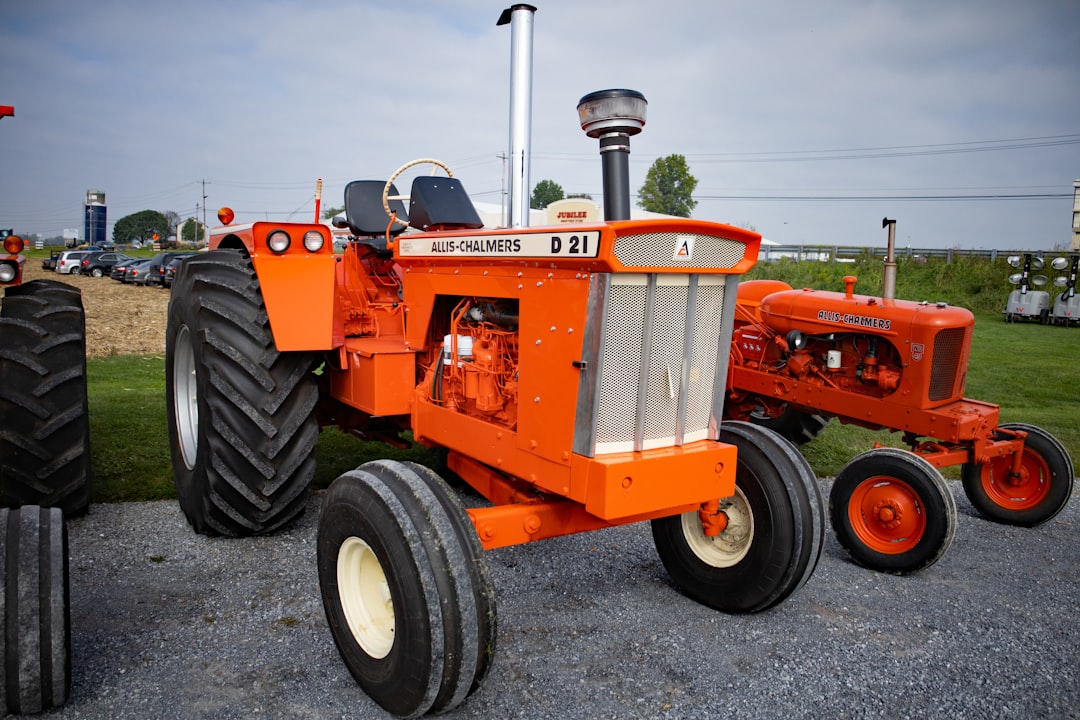
Assessing your farm’s machinery needs is a crucial step in ensuring that your operations run smoothly and efficiently. The first step in this assessment involves a thorough evaluation of your current equipment. This includes understanding the age, condition, and capabilities of your existing machinery.
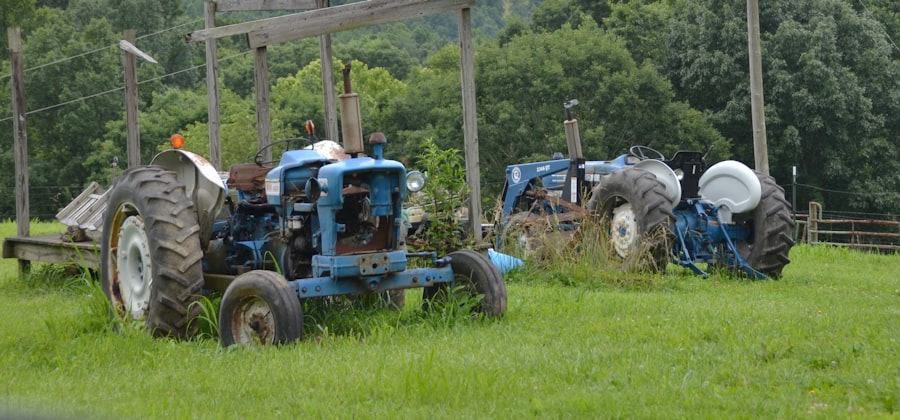
For instance, if you own an older tractor that frequently breaks down, it may be more cost-effective in the long run to invest in a new model rather than continually repairing the old one. Additionally, consider the specific tasks that need to be accomplished on your farm—whether it’s planting, cultivating, or harvesting—and identify any gaps in your current machinery lineup. Another important aspect of assessing machinery needs is analyzing the scale and type of crops you are growing.
Different crops may require specialized equipment; for example, row crops like corn and soybeans may necessitate different planting and harvesting machinery compared to specialty crops like fruits or vegetables. Furthermore, consider the terrain and climate of your farm. Hilly or uneven land may require machinery with better traction and stability, while wet conditions might necessitate equipment designed for reduced soil compaction.
By taking these factors into account, you can create a comprehensive list of machinery requirements tailored to your specific farming operations.
Finding the Right Machinery for Your Farm
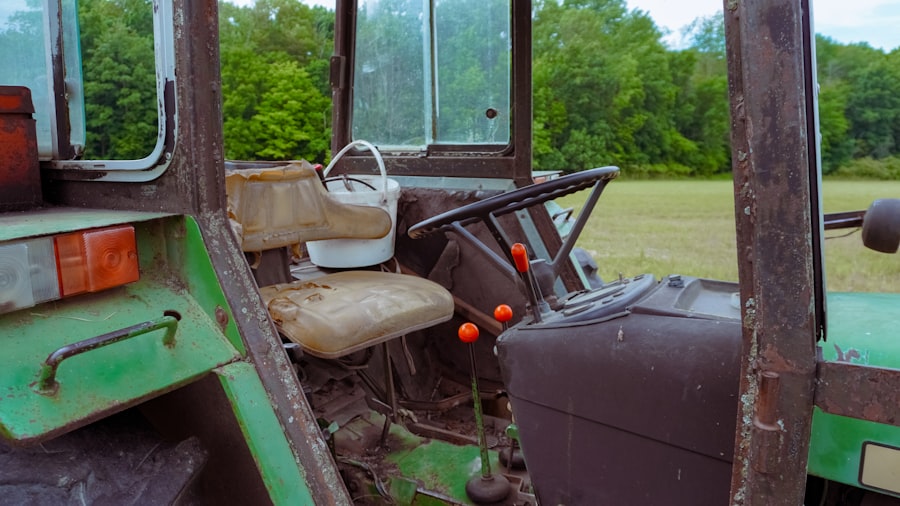
Once you have assessed your farm’s machinery needs, the next step is to find the right equipment that meets those requirements. This process begins with thorough research into various brands and models available on the market. Each manufacturer offers different features, capabilities, and price points, so it’s essential to compare these aspects carefully.
Online resources such as agricultural equipment reviews, forums, and manufacturer websites can provide valuable insights into the performance and reliability of different machines. Additionally, attending agricultural trade shows can offer hands-on experience with various types of machinery and direct interaction with sales representatives. When selecting machinery, it is also vital to consider the long-term implications of your purchase.
While it may be tempting to opt for the cheapest option available, investing in high-quality equipment can yield significant benefits over time. For example, a well-built tractor may have a higher upfront cost but could last significantly longer than a cheaper alternative, ultimately saving you money on repairs and replacements. Furthermore, consider the availability of parts and service for the machinery you are interested in; having access to reliable support can make a substantial difference in maintaining operational efficiency.
Tips for Buying Used Machinery
| Tip | Description | Key Metric | Recommended Value |
|---|---|---|---|
| Inspect Machine Condition | Check for wear, rust, and damage to assess usability. | Operational Hours | Less than 5000 hours preferred |
| Verify Maintenance Records | Review history of repairs and servicing for reliability. | Maintenance Frequency | Regular servicing every 6 months |
| Test Machine Performance | Run the machine to ensure it operates smoothly. | Performance Efficiency | Above 90% of original capacity |
| Check for Warranty or Guarantees | Look for any remaining warranty or seller guarantees. | Warranty Period | At least 3 months recommended |
| Compare Prices | Research market prices to ensure fair deal. | Price Range | Within 10% of market average |
| Evaluate Seller Reputation | Check reviews and references of the seller. | Seller Rating | Above 4 out of 5 stars |
| Consider Transportation Costs | Account for shipping or delivery expenses. | Transport Cost Percentage | Less than 5% of purchase price |
Buying used machinery can be an excellent way to save money while still acquiring quality equipment for your farm. However, it requires careful consideration and due diligence to ensure that you are making a sound investment. One of the first steps in this process is to thoroughly inspect the equipment before making a purchase.
Look for signs of wear and tear, such as rust or excessive wear on moving parts. If possible, request maintenance records from the previous owner to gain insight into how well the machine has been cared for over its lifespan. Additionally, it is wise to seek out reputable dealers or sellers who specialize in used agricultural equipment.
These sellers often provide warranties or guarantees that can offer peace of mind regarding your purchase. Engaging with other farmers who have experience buying used machinery can also provide valuable insights into what to look for and what pitfalls to avoid. Finally, consider negotiating the price based on your findings during the inspection; many sellers expect some level of negotiation and may be willing to lower their asking price if they know you are serious about purchasing.
Maximizing Efficiency through Proper Machinery Maintenance
Proper maintenance of farm machinery is essential for maximizing efficiency and extending the lifespan of your equipment. Regular maintenance routines should include tasks such as oil changes, filter replacements, and inspections of belts and hoses. For instance, neglecting to change the oil regularly can lead to engine wear and decreased performance over time.
Establishing a maintenance schedule based on manufacturer recommendations can help ensure that all necessary tasks are completed in a timely manner. In addition to routine maintenance, keeping detailed records of all service performed on each piece of equipment can be beneficial for tracking performance trends over time. This data can help identify recurring issues that may need addressing or highlight when it might be time to replace a piece of machinery altogether.
Furthermore, investing in training for operators on proper maintenance techniques can empower them to take an active role in keeping equipment in top condition, ultimately leading to improved efficiency across your farming operations.
Training and Education for Farm Machinery Operation
Training and education are critical components in ensuring that farm machinery is operated safely and efficiently. As technology continues to evolve within the agricultural sector, it is essential for operators to stay informed about new features and best practices associated with modern equipment. Providing comprehensive training programs for employees not only enhances their skills but also promotes a culture of safety on the farm.
For example, operators should be trained on how to perform pre-operation checks to identify potential issues before they lead to costly breakdowns. Moreover, ongoing education opportunities can help operators adapt to new technologies as they emerge. Many manufacturers offer training sessions or workshops that focus on specific equipment or technologies, allowing operators to gain hands-on experience with new tools and techniques.
Additionally, online courses or webinars can provide valuable information on topics such as precision agriculture practices or advanced machinery operation strategies. By investing in training and education for your team, you can ensure that your farm remains competitive in an increasingly technology-driven industry.
The Role of Technology in Farm Machinery
Technology has revolutionized the agricultural sector, particularly in terms of machinery efficiency and capabilities. Innovations such as GPS technology have transformed traditional farming practices by enabling precision agriculture techniques that optimize input use and enhance crop yields. For instance, GPS-guided tractors can automatically adjust their speed and direction based on real-time data from field sensors, ensuring that every inch of land is utilized effectively without over-application of fertilizers or pesticides.
Furthermore, advancements in automation have led to the development of autonomous machinery capable of performing tasks without direct human intervention. This technology not only increases efficiency but also addresses labor shortages that many farmers face today. Drones equipped with imaging technology can monitor crop health from above, providing farmers with critical data that informs decision-making regarding irrigation or pest control measures.
As technology continues to advance, its integration into farm machinery will likely become even more sophisticated, further enhancing productivity and sustainability within the agricultural sector.
Evaluating the Return on Investment in Farm Machinery
Evaluating the return on investment (ROI) in farm machinery is essential for making informed purchasing decisions that align with your operational goals. To accurately assess ROI, consider both direct financial returns and indirect benefits associated with new equipment purchases. Direct financial returns can be calculated by analyzing increased productivity levels resulting from more efficient machinery; for example, if a new harvester allows you to harvest twice as much grain in the same amount of time compared to an older model, this increased output directly contributes to revenue growth.
Indirect benefits may include factors such as reduced labor costs due to automation or improved soil health from precision farming practices that minimize chemical use. Additionally, consider how new machinery might enhance your ability to respond to market demands or changing environmental conditions; for instance, investing in equipment capable of planting cover crops could improve soil health while also meeting consumer demand for sustainable farming practices. By taking a holistic approach to evaluating ROI—considering both tangible financial returns and broader operational benefits—you can make more strategic decisions regarding your farm’s machinery investments.