
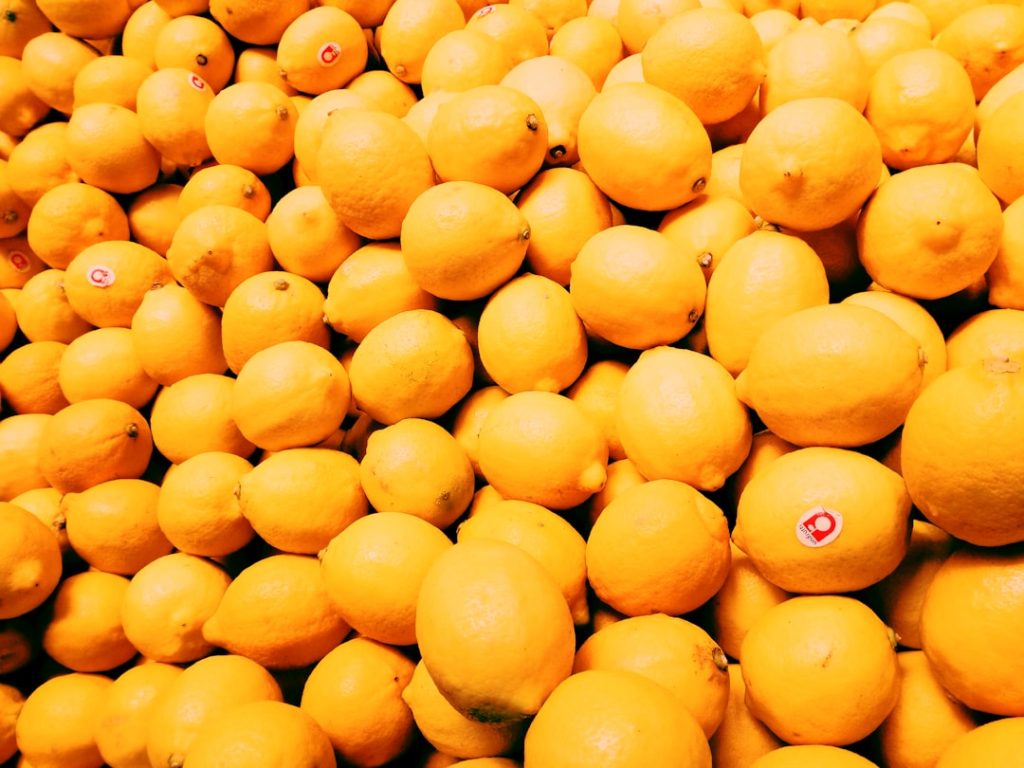
The use of a commercial juicer for citrus fruits offers a multitude of advantages that can significantly enhance both the quality and efficiency of juice production. One of the primary benefits is the ability to extract juice in large quantities, which is essential for businesses such as restaurants, juice bars, and catering services. Unlike home juicers, commercial models are designed to handle high volumes, allowing for the rapid processing of multiple fruits at once.
This capability not only saves time but also ensures that fresh juice can be served promptly, meeting customer demand without compromising on quality. Moreover, commercial juicers are engineered to maximize juice extraction while minimizing waste. They often feature advanced technology that can efficiently separate juice from pulp and seeds, resulting in a smoother and more palatable product.

This is particularly important for citrus fruits, which can contain a significant amount of pulp that some consumers may find unappealing. By utilizing a commercial juicer, businesses can offer a consistently high-quality product that appeals to a broader audience, ultimately enhancing customer satisfaction and loyalty.
Key Takeaways
- Commercial juicers enhance juice yield and efficiency for citrus fruits.
- Selecting the right juicer depends on your specific citrus types and volume needs.
- Proper techniques and maintenance improve juice extraction and machine longevity.
- Commercial juicers support diverse recipes beyond citrus, including other fruits and vegetables.
- Using commercial juicers can offer economic benefits and reduce environmental waste.
Choosing the Right Commercial Juicer for Your Citrus Needs

Selecting the appropriate commercial juicer for citrus requires careful consideration of several factors, including the type of citrus fruits you plan to juice, the volume of juice needed, and the specific features that will best serve your business. For instance, if your establishment focuses primarily on oranges and grapefruits, a juicer designed specifically for these fruits may be ideal. These machines often come equipped with specialized reamers that can efficiently extract juice from larger citrus varieties, ensuring maximum yield.
In addition to fruit compatibility, the capacity of the juicer is another critical aspect to consider. High-capacity juicers can process several gallons of juice per hour, making them suitable for busy environments where speed is essential. Furthermore, features such as automatic pulp ejection and easy-to-clean designs can significantly enhance operational efficiency.
When evaluating different models, it is also wise to consider the durability and warranty offered by manufacturers, as investing in a high-quality juicer can lead to long-term savings and reduced downtime due to repairs.
Tips for Getting the Most Juice Out of Your Citrus with a Commercial Juicer
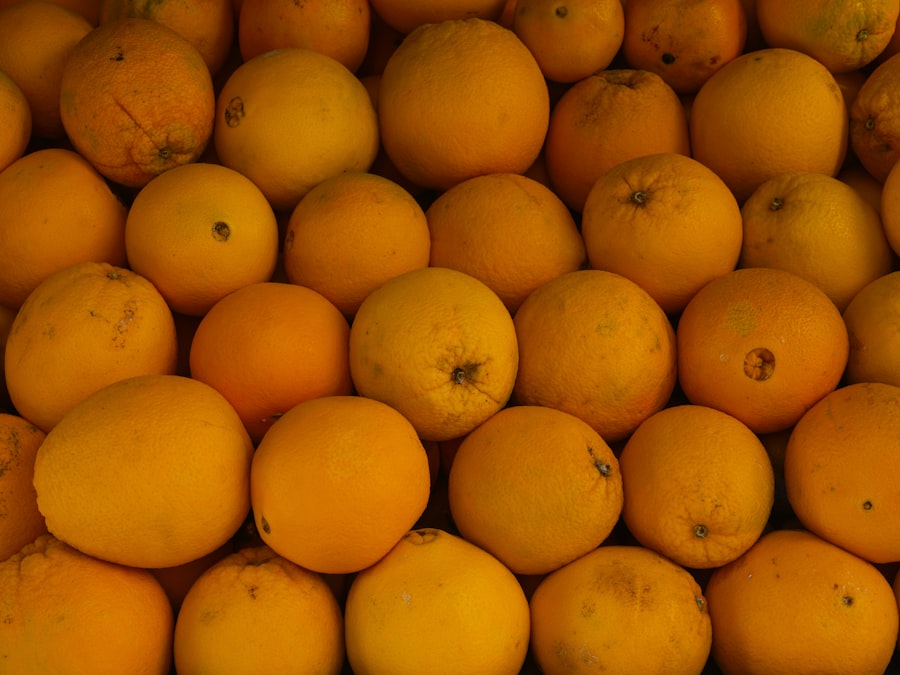
To maximize juice extraction from citrus fruits using a commercial juicer, there are several practical tips that can be employed. First and foremost, selecting ripe fruits is crucial; overripe or under-ripe citrus can yield less juice and affect flavor quality. It is advisable to choose fruits that feel heavy for their size, as this often indicates higher juice content.
Additionally, rolling the fruit on a hard surface before juicing can help break down the internal membranes, further enhancing juice yield. Another effective technique involves cutting the citrus fruits into smaller pieces before feeding them into the juicer. This not only facilitates easier processing but also allows the juicer’s mechanisms to work more efficiently.
For those using a reamer-style juicer, applying gentle pressure while twisting the fruit can help extract every last drop of juice. Furthermore, experimenting with different juicing techniques—such as alternating between different types of citrus—can create unique flavor profiles while ensuring that no fruit goes to waste.
Maintaining and Cleaning Your Commercial Juicer for Optimal Performance
| Maintenance Task | Frequency | Tools/Materials Needed | Expected Outcome | Notes |
|---|---|---|---|---|
| Daily Cleaning | After each use | Warm water, mild detergent, soft brush | Prevents residue buildup and bacterial growth | Disassemble removable parts for thorough cleaning |
| Deep Cleaning | Weekly | Vinegar solution or commercial descaler | Removes mineral deposits and tough stains | Soak parts for 15-30 minutes before scrubbing |
| Blade Sharpening | Every 3-6 months | Sharpening tool or professional service | Maintains efficient juice extraction | Check blade condition regularly for dullness |
| Lubrication of Moving Parts | Monthly | Food-safe lubricant | Ensures smooth operation and reduces wear | Apply sparingly to avoid contamination |
| Inspection of Electrical Components | Quarterly | Visual inspection, multimeter | Prevents electrical failures and hazards | Unplug before inspection; consult technician if needed |
| Replacement of Worn Parts | As needed | Manufacturer-approved replacement parts | Maintains juicer performance and safety | Keep spare parts on hand for quick replacement |
Proper maintenance and cleaning of a commercial juicer are essential for ensuring optimal performance and longevity. Regular cleaning after each use is crucial to prevent the buildup of pulp and residue, which can lead to clogs and affect the machine’s efficiency. Most commercial juicers come with removable parts that can be easily disassembled for thorough cleaning.
Using warm soapy water and a soft brush can help remove stubborn residues without damaging delicate components. In addition to routine cleaning, periodic maintenance checks should be conducted to ensure all parts are functioning correctly. This includes inspecting blades for sharpness, checking seals for wear and tear, and ensuring that electrical components are in good condition.
Keeping an eye on these aspects not only prolongs the life of the juicer but also ensures that it operates at peak efficiency, providing consistent results with every use. Establishing a regular maintenance schedule can help prevent unexpected breakdowns and costly repairs.
Exploring Different Citrus Recipes and Creations with Your Commercial Juicer
The versatility of a commercial juicer extends beyond simple juice extraction; it opens up a world of culinary possibilities with citrus fruits. Freshly squeezed citrus juice can serve as a base for a variety of beverages, including cocktails, smoothies, and mocktails. For instance, combining orange juice with ginger and mint creates a refreshing summer drink that can be served over ice or blended into a smoothie for added texture.
Beyond beverages, citrus juices can be incorporated into dressings, marinades, and desserts. A zesty lemon vinaigrette made with freshly squeezed lemon juice can elevate salads and grilled vegetables alike. Additionally, citrus juices can be used in baking; orange zest and juice can enhance cakes and muffins with vibrant flavor profiles.
The ability to experiment with different combinations allows chefs and home cooks alike to create unique dishes that highlight the bright flavors of citrus.
Maximizing Efficiency and Productivity with Your Commercial Juicer
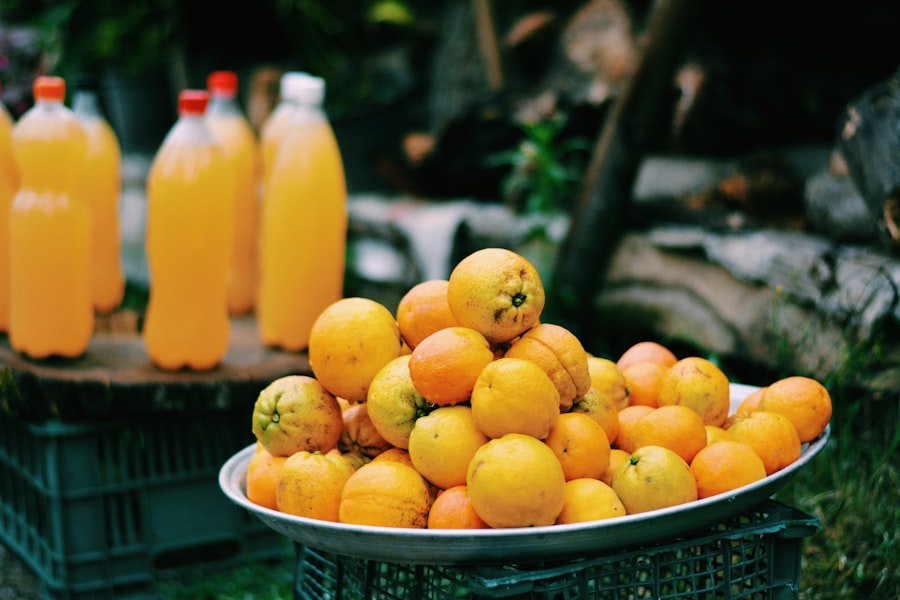
To maximize efficiency and productivity when using a commercial juicer, it is essential to streamline the juicing process as much as possible. One effective strategy is to prepare ingredients in advance; washing and cutting citrus fruits before peak service times can significantly reduce wait times for customers. Organizing workstations with all necessary tools within reach also contributes to a smoother workflow.
Additionally, training staff on best practices for using the juicer can enhance overall productivity. Ensuring that employees understand how to operate the machine efficiently—such as knowing how to load fruits quickly or adjust settings for different types of citrus—can lead to faster service times. Implementing a system for tracking juice inventory can also help manage supply levels effectively, ensuring that popular items are always available while minimizing waste.
The Economic and Environmental Impact of Using a Commercial Juicer for Citrus
The economic implications of utilizing a commercial juicer for citrus are significant, particularly in terms of cost savings and revenue generation. By producing fresh juice in-house rather than purchasing pre-packaged options, businesses can reduce overhead costs while offering higher-quality products that attract customers willing to pay a premium for freshness. This not only enhances profit margins but also fosters customer loyalty as patrons increasingly seek out establishments that prioritize quality ingredients.
From an environmental perspective, using a commercial juicer aligns with sustainable practices by reducing packaging waste associated with store-bought juices. By sourcing local citrus fruits whenever possible, businesses can further minimize their carbon footprint while supporting local agriculture. Additionally, many commercial juicers are designed with energy efficiency in mind, consuming less power than traditional juicing methods.
This commitment to sustainability not only benefits the environment but also resonates with consumers who are increasingly conscious of their purchasing decisions.
Exploring the Versatility of Commercial Juicers for Other Fruits and Vegetables
While commercial juicers excel at extracting juice from citrus fruits, their versatility extends far beyond this category. Many models are capable of handling a wide range of fruits and vegetables, making them invaluable tools in any kitchen or beverage establishment. For example, apples, carrots, beets, and leafy greens can all be processed effectively using the same equipment designed for citrus.
This adaptability allows businesses to diversify their offerings by creating an array of juices that cater to different tastes and dietary preferences. Green juices made from kale or spinach combined with apple or cucumber provide health-conscious consumers with nutrient-dense options. Additionally, experimenting with combinations such as beetroot and orange or pineapple and ginger can lead to innovative flavors that set a business apart from competitors.
The ability to create unique blends not only enhances menu variety but also encourages customer exploration and engagement with new products.