
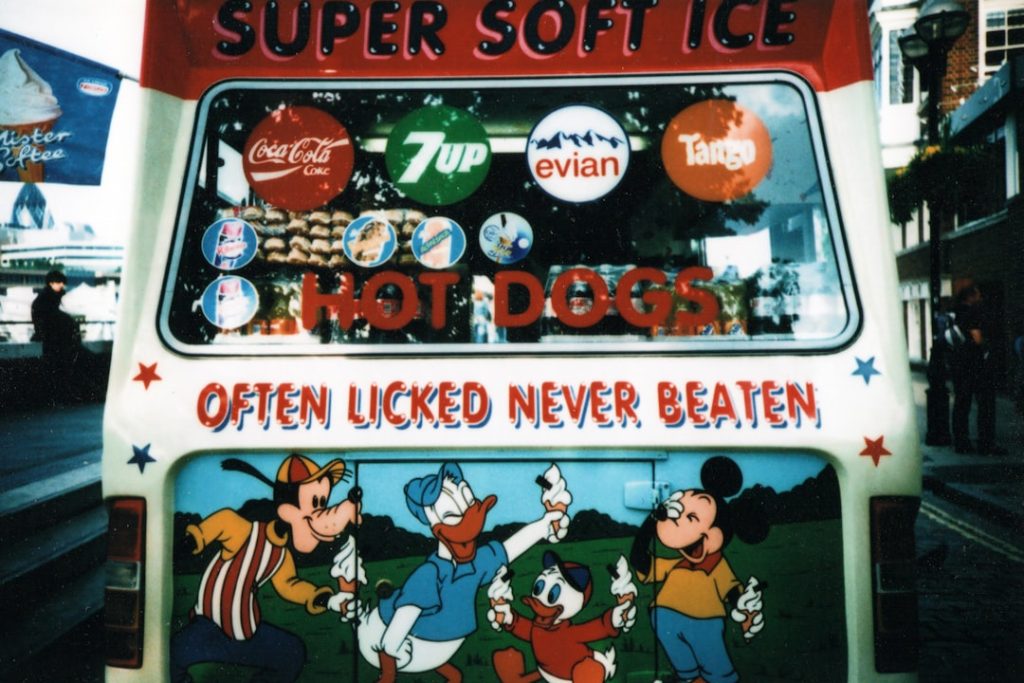
Soft ice cream machines have revolutionized the way frozen desserts are served in commercial settings, offering a delightful and creamy treat that appeals to a wide range of customers. These machines are designed to produce soft serve ice cream, which is characterized by its light and airy texture, making it a popular choice for ice cream parlors, restaurants, and food trucks. The technology behind these machines has evolved significantly over the years, allowing for greater efficiency, consistency, and ease of use.
With the ability to create a variety of flavors and textures, soft ice cream machines have become an essential piece of equipment for businesses looking to enhance their dessert offerings. The appeal of soft serve ice cream lies not only in its taste but also in its versatility. It can be served in cones, cups, or as part of elaborate sundaes, making it a favorite among customers of all ages.

The machines themselves come in various sizes and configurations, catering to different business needs and customer volumes. As the demand for unique and customizable dessert options continues to grow, investing in a commercial soft ice cream machine can provide businesses with a competitive edge in the bustling food service industry.
Key Takeaways
- Commercial soft ice cream machines enhance efficiency and product consistency in businesses.
- Key factors in choosing a machine include capacity, ease of use, and maintenance requirements.
- Regular cleaning and proper maintenance are essential for machine longevity and hygiene.
- Various machine types cater to different business needs, from small shops to large-scale operations.
- Effective marketing and menu integration can boost sales and customer satisfaction with soft ice cream offerings.
Benefits of Using a Commercial Soft Ice Cream Machine

One of the primary benefits of using a commercial soft ice cream machine is the ability to produce high-quality ice cream quickly and efficiently. These machines are engineered to churn and freeze the ice cream mixture simultaneously, resulting in a smooth and creamy texture that is difficult to achieve with traditional methods. This efficiency not only saves time during peak service hours but also allows businesses to serve more customers without compromising on quality.
Additionally, many modern machines come equipped with advanced features such as automatic mixing and temperature control, ensuring that the ice cream is consistently perfect with every serving. Another significant advantage is the potential for increased revenue. Soft serve ice cream is often perceived as an affordable indulgence, making it an attractive option for customers looking to treat themselves without breaking the bank.
By offering a variety of flavors and toppings, businesses can create enticing combinations that encourage upselling and larger purchases. Furthermore, soft serve ice cream can be easily integrated into existing menus, allowing for creative marketing opportunities such as seasonal flavors or limited-time promotions that can drive traffic and boost sales.
Factors to Consider When Choosing a Commercial Soft Ice Cream Machine
When selecting a commercial soft ice cream machine, several factors must be taken into account to ensure that the investment aligns with the business’s needs. One of the most critical considerations is the machine’s capacity. Businesses must evaluate their expected customer volume and choose a machine that can handle peak hours without sacrificing quality or speed.
Machines are available in various sizes, from countertop models suitable for small cafes to larger floor models designed for high-volume establishments. Understanding the anticipated demand will help in selecting the right machine. Another important factor is the type of soft serve ice cream produced by the machine.
Some machines are designed for use with pre-mixed soft serve bases, while others allow for the use of liquid mixes that require additional preparation. Businesses should consider their operational capabilities and whether they prefer the convenience of pre-mixed bases or the flexibility of creating their own unique flavors from scratch. Additionally, energy efficiency is becoming increasingly important; machines that consume less power can lead to significant cost savings over time, making them an attractive option for budget-conscious operators.
How to Maintain and Clean a Commercial Soft Ice Cream Machine
| Maintenance Task | Frequency | Tools/Materials Needed | Steps | Notes |
|---|---|---|---|---|
| Daily Cleaning | After each use or daily | Warm water, mild detergent, soft cloth, sanitizing solution |
1. Turn off and unplug the machine. 2. Disassemble removable parts. 3. Wash parts with warm soapy water. 4. Rinse and sanitize parts. 5. Wipe down machine exterior. 6. Reassemble parts once dry. |
Prevents bacterial growth and ensures hygiene. |
| Weekly Deep Cleaning | Once a week | Cleaning brushes, food-safe sanitizer, lubricant (if applicable) |
1. Perform daily cleaning steps. 2. Clean internal components like blades and mixing paddles. 3. Lubricate moving parts as per manufacturer instructions. 4. Check for wear and tear. |
Extends machine life and maintains product quality. |
| Monthly Inspection | Once a month | Inspection checklist, replacement parts (if needed) |
1. Inspect seals, gaskets, and hoses for damage. 2. Check electrical connections. 3. Test machine operation. 4. Replace worn parts. |
Prevents unexpected breakdowns and costly repairs. |
| Sanitizing | Daily or as required by health codes | Food-safe sanitizing solution |
1. After cleaning, apply sanitizing solution to all food contact surfaces. 2. Allow to air dry. 3. Do not rinse after sanitizing. |
Ensures compliance with health regulations. |
| Machine Calibration | Quarterly or as needed | Manufacturer’s manual, calibration tools |
1. Check temperature and consistency settings. 2. Adjust settings to manufacturer specifications. 3. Test product output. |
Maintains product consistency and quality. |
Proper maintenance and cleaning of a commercial soft ice cream machine are essential for ensuring its longevity and optimal performance. Regular cleaning not only prevents cross-contamination but also helps maintain the quality of the ice cream produced. Most manufacturers provide specific guidelines on how often cleaning should occur, typically recommending daily cleaning after service hours.
This process usually involves disassembling parts such as the hopper and dispensing nozzle, followed by thorough washing with warm soapy water and sanitizing solutions. In addition to daily cleaning routines, periodic maintenance checks are crucial for identifying potential issues before they escalate into costly repairs. Operators should regularly inspect components such as seals, gaskets, and refrigeration systems for wear and tear.
Keeping an eye on these elements can help prevent breakdowns during busy service periods. Furthermore, many machines come with built-in diagnostic tools that alert operators to maintenance needs or malfunctions, allowing for timely interventions that keep operations running smoothly.
Different Types of Soft Ice Cream Machines for Commercial Use
Commercial soft ice cream machines come in several types, each designed to meet specific operational needs and preferences. One common type is the gravity-fed machine, which relies on gravity to dispense the ice cream mix from a hopper into the freezing chamber. These machines are typically more affordable and easier to operate but may require more frequent refilling during high-demand periods.
Another popular option is the pump-fed machine, which uses a pump to draw the mix from a storage container into the freezing chamber. This design allows for more consistent dispensing and can handle larger volumes without needing constant refills. Pump-fed machines are often favored by high-volume establishments due to their efficiency and ability to maintain consistent product quality.
Additionally, there are batch freezers that produce soft serve ice cream in larger quantities at once rather than continuously dispensing it. These machines are ideal for businesses that want to create unique flavors or specialty products in bulk but may not require constant service throughout the day.
Tips for Marketing and Selling Soft Ice Cream in Your Business

Marketing soft ice cream effectively requires creativity and an understanding of customer preferences. One effective strategy is to leverage social media platforms to showcase visually appealing images of your soft serve creations. Engaging content such as videos demonstrating unique flavor combinations or behind-the-scenes looks at how your ice cream is made can attract attention and encourage sharing among potential customers.
Seasonal promotions or limited-time flavors can also create urgency and excitement around your offerings. Another approach is to collaborate with local businesses or events to increase visibility. Partnering with nearby restaurants or cafes for cross-promotions can introduce your soft serve products to new audiences.
Participating in community events or food festivals allows you to sample your products directly to potential customers while building brand recognition within your local area.
How to Incorporate Soft Ice Cream into Your Menu
Incorporating soft ice cream into your menu can enhance your dessert offerings significantly. One effective method is to create signature sundaes that highlight unique flavor combinations or locally sourced ingredients. For instance, pairing seasonal fruits with rich chocolate sauce or incorporating popular candies can entice customers looking for something special.
Offering customizable options where customers can choose their flavors and toppings can also increase engagement and satisfaction. Additionally, consider integrating soft serve into other menu items beyond traditional cones or sundaes. For example, using soft serve as a topping for waffles or pancakes can create a decadent breakfast option that appeals to a broader audience.
Soft serve can also be blended into milkshakes or used as an ingredient in specialty desserts like ice cream sandwiches or parfaits, providing endless possibilities for creativity.
Case Studies: Successful Businesses Using Commercial Soft Ice Cream Machines
Several businesses have successfully integrated commercial soft ice cream machines into their operations, showcasing the potential for increased revenue and customer satisfaction. One notable example is a small family-owned diner that introduced soft serve ice cream as part of their dessert menu during summer months. By offering unique flavors such as lavender honey and matcha green tea alongside classic options like vanilla and chocolate, they attracted both locals and tourists seeking refreshing treats on hot days.
The diner reported a significant increase in dessert sales during this period, demonstrating how innovative flavor offerings can drive customer interest. Another case study involves a food truck specializing in gourmet desserts that incorporated a soft serve machine into their setup. By creating visually stunning desserts topped with colorful sprinkles and edible glitter, they captured attention on social media platforms like Instagram.
Their ability to quickly serve high-quality soft serve allowed them to cater to large crowds at events while maintaining product consistency. This strategic use of social media marketing combined with their unique offerings led to rapid growth in their customer base and overall sales. These examples illustrate how businesses can leverage commercial soft ice cream machines not only to enhance their product offerings but also to create memorable experiences that resonate with customers, ultimately leading to increased loyalty and profitability in a competitive market.