

In the bustling world of food and beverage service, the demand for fresh, high-quality products is ever-increasing. Among these, freshly squeezed orange juice stands out as a popular choice for consumers seeking a nutritious and refreshing beverage. Commercial orange juicers have emerged as essential equipment for restaurants, cafes, juice bars, and hotels, enabling businesses to meet this demand efficiently.
These machines are designed to extract juice from oranges quickly and effectively, ensuring that customers receive a product that is not only delicious but also packed with vitamins and minerals. The evolution of commercial orange juicers has been remarkable, with advancements in technology leading to machines that are faster, quieter, and more efficient than their predecessors. Modern juicers are engineered to maximize juice extraction while minimizing waste, allowing businesses to optimize their operations.

With a variety of models available on the market, each tailored to different business needs, understanding the features and benefits of commercial orange juicers is crucial for any establishment looking to enhance its beverage offerings.
Key Takeaways
- Commercial orange juicers enhance business efficiency by quickly producing fresh juice.
- Various types of juicers cater to different business needs and volumes.
- Key factors in choosing a juicer include capacity, durability, and ease of maintenance.
- Proper use and regular maintenance extend the lifespan and performance of the juicer.
- Successful businesses leverage juicers to boost profits and customer satisfaction.
Benefits of Using a Commercial Orange Juicer for Your Business

Investing in a commercial orange juicer can yield numerous benefits for businesses in the food and beverage industry. One of the most significant advantages is the ability to provide customers with fresh juice on demand. Freshly squeezed orange juice not only tastes better than pre-packaged alternatives but also retains more nutrients, appealing to health-conscious consumers.
This commitment to quality can enhance a business’s reputation and attract a loyal customer base. Moreover, using a commercial orange juicer can lead to cost savings over time. While the initial investment may be substantial, the ability to purchase oranges in bulk and produce juice in-house can significantly reduce beverage costs.
This is particularly beneficial for establishments that serve large volumes of juice daily. Additionally, fresh juice can be marketed at a premium price point, allowing businesses to increase their profit margins. The versatility of orange juice also means it can be used in various menu items, from cocktails to smoothies, further enhancing its value.
Types of Commercial Orange Juicers Available

The market offers a diverse range of commercial orange juicers, each designed to cater to specific needs and preferences. One popular type is the centrifugal juicer, which uses high-speed blades to extract juice from oranges. These machines are known for their speed and efficiency, making them ideal for high-volume settings where quick service is essential.
However, they may generate heat during the juicing process, which can affect the flavor and nutritional quality of the juice. Another common type is the masticating juicer, which operates at a slower speed and uses a crushing mechanism to extract juice. This method preserves more nutrients and enzymes, resulting in a higher-quality product.
Masticating juicers are often favored by health-focused establishments that prioritize the nutritional value of their offerings. Additionally, there are specialized citrus juicers designed specifically for oranges and other citrus fruits. These machines typically feature a cone-shaped reamer that efficiently extracts juice while minimizing pulp and seeds.
Factors to Consider When Choosing a Commercial Orange Juicer
| Factor | Description | Importance | Typical Range/Value |
|---|---|---|---|
| Juicing Capacity | Amount of juice the machine can produce per minute or hour | High | 1-3 liters per minute |
| Motor Power | Strength of the motor, affecting efficiency and durability | High | 100-300 watts |
| Material Quality | Type of materials used (stainless steel, plastic, etc.) | Medium | Stainless steel preferred for durability |
| Ease of Cleaning | How easy it is to disassemble and clean the juicer parts | High | Dishwasher safe parts or quick disassembly |
| Size and Footprint | Physical dimensions and counter space required | Medium | Compact to large, depending on capacity |
| Noise Level | Amount of noise produced during operation | Low to Medium | 50-70 decibels |
| Durability and Warranty | Expected lifespan and warranty period offered | High | 1-3 years warranty |
| Juice Quality | Freshness, pulp control, and taste of the juice | High | Adjustable pulp settings preferred |
| Price Range | Cost of the commercial juicer | Medium | Varies widely based on features and brand |
| Safety Features | Features like non-slip feet, automatic shut-off | Medium | Standard safety certifications recommended |
When selecting a commercial orange juicer, several factors should be taken into account to ensure that the chosen model aligns with the business’s operational needs. One critical consideration is the volume of juice required daily. High-traffic establishments may benefit from high-capacity juicers that can handle large quantities of fruit quickly.
Conversely, smaller cafes or restaurants with lower demand might opt for more compact models that still deliver quality results without taking up excessive counter space. Another important factor is ease of use and maintenance. A user-friendly design can streamline operations and reduce training time for staff.
Additionally, ease of cleaning is paramount; juicers with removable parts or dishwasher-safe components can save valuable time during busy service periods. Durability is also essential; investing in a robust machine made from high-quality materials can prevent frequent breakdowns and ensure longevity in a demanding environment.
How to Use and Maintain a Commercial Orange Juicer
Using a commercial orange juicer effectively requires understanding its operation and adhering to best practices for maintenance. To begin with, it is essential to prepare the oranges properly by washing them thoroughly to remove any pesticides or contaminants. Depending on the type of juicer being used, oranges may need to be cut in half or quartered before being placed into the machine.
Following the manufacturer’s instructions regarding loading capacity and operation will help ensure optimal performance. Maintenance is equally important for prolonging the life of a commercial orange juicer. Regular cleaning after each use is crucial; this typically involves disassembling the juicer and washing all removable parts with warm soapy water.
Some models may also be compatible with dishwashers for added convenience. Additionally, periodic checks for wear and tear on components such as blades or reamers can prevent operational issues down the line. Keeping an eye on electrical connections and ensuring that the machine is stored in a dry environment will also contribute to its longevity.
Tips for Maximizing Efficiency and Profit with a Commercial Orange Juicer
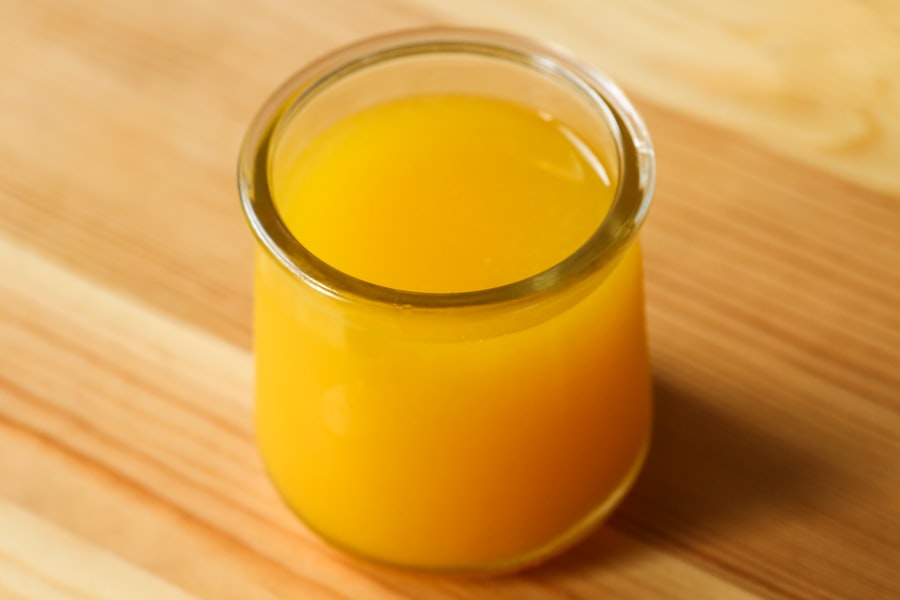
To maximize efficiency and profitability when using a commercial orange juicer, businesses should consider implementing several strategies. First and foremost, optimizing workflow in the kitchen or service area can significantly enhance productivity. Positioning the juicer near other beverage preparation stations can reduce movement time for staff and streamline service during peak hours.
Training employees on efficient juicing techniques can also minimize waste and ensure consistent quality. Another effective strategy is to leverage seasonal pricing for oranges based on market availability. Purchasing oranges in bulk during peak seasons when prices are lower can lead to substantial cost savings.
Additionally, promoting fresh orange juice through marketing campaigns or special offers can attract customers and increase sales volume. Offering unique blends or incorporating orange juice into signature cocktails or dishes can further enhance its appeal and encourage customers to try new items.
Case Studies: Success Stories of Businesses Using Commercial Orange Juicers
Numerous businesses have successfully integrated commercial orange juicers into their operations, leading to increased customer satisfaction and profitability. For instance, a popular brunch spot in New York City decided to invest in a high-capacity centrifugal juicer after noticing a growing demand for fresh juices among patrons. By offering freshly squeezed orange juice alongside their breakfast menu, they not only enhanced their beverage offerings but also saw an uptick in overall sales as customers were willing to pay a premium for quality products.
Similarly, a health-focused café in Los Angeles opted for a masticating juicer to create nutrient-rich juices that aligned with their brand ethos. By marketing their fresh orange juice as part of wellness packages that included smoothies and acai bowls, they attracted health-conscious consumers looking for nutritious options. The café reported a significant increase in foot traffic and repeat customers who appreciated the quality of their offerings.
Why a Commercial Orange Juicer is a Smart Investment for Your Business
In an increasingly competitive market, providing high-quality products is essential for any food and beverage establishment aiming for success. A commercial orange juicer represents not just an investment in equipment but also an investment in customer satisfaction and brand reputation. By offering freshly squeezed orange juice, businesses can differentiate themselves from competitors who rely on pre-packaged alternatives.
The benefits of using a commercial orange juicer extend beyond just product quality; they encompass cost savings, operational efficiency, and enhanced customer loyalty. With various types available to suit different business needs and careful consideration of factors such as volume requirements and ease of maintenance, selecting the right juicer can lead to significant returns on investment. As demonstrated by successful case studies from various establishments, integrating a commercial orange juicer into operations can be a transformative decision that elevates both product offerings and overall business performance.