
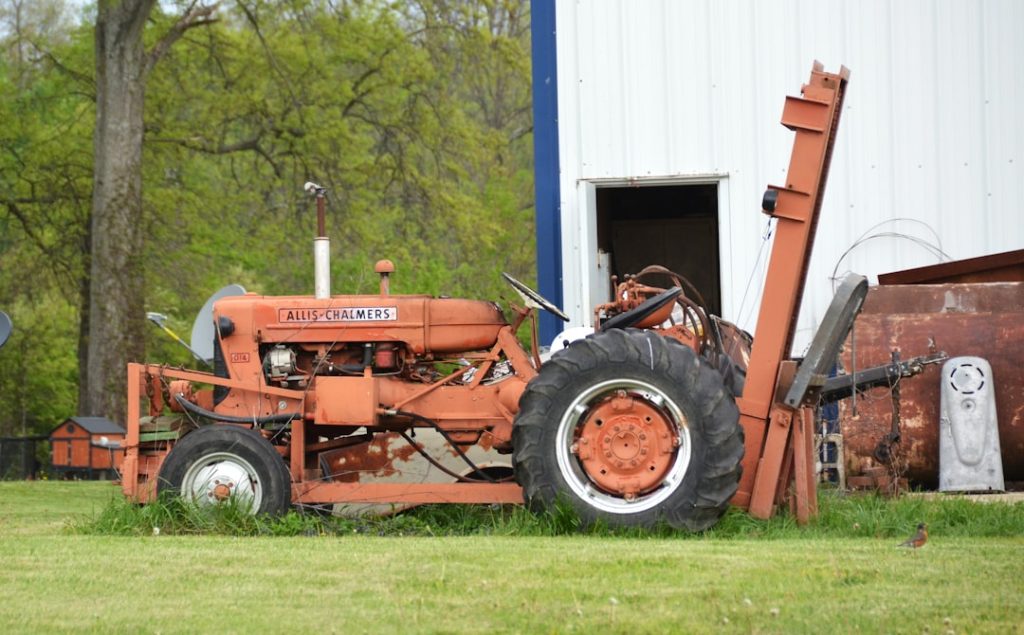
Big Iron farm equipment auctions have become a significant avenue for farmers and agricultural businesses to acquire essential machinery at competitive prices. These auctions typically feature a wide array of equipment, ranging from tractors and combines to tillers and seeders, catering to the diverse needs of the agricultural sector. The term “Big Iron” refers to the larger, more substantial pieces of machinery that are crucial for modern farming operations.
These auctions can be conducted in person or online, with the latter gaining popularity due to its convenience and broader reach. The appeal of Big Iron auctions lies not only in the potential for cost savings but also in the opportunity to purchase high-quality equipment that may otherwise be out of reach. Many farmers and agricultural businesses find themselves in need of upgrading their machinery to keep pace with technological advancements and increasing production demands.
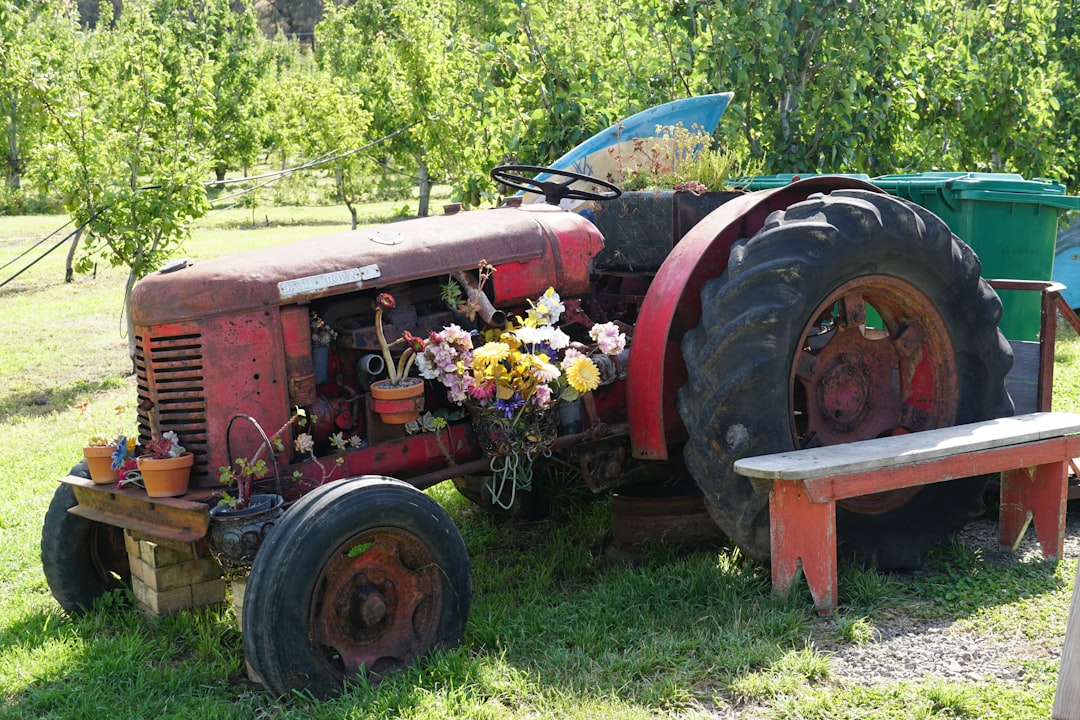
Auctions provide a platform where buyers can access a variety of equipment, often with detailed histories and maintenance records, allowing for informed purchasing decisions. Understanding the auction process, including how bids are placed and what factors influence pricing, is essential for anyone looking to participate.
Key Takeaways
- Understand the auction process and types of equipment available at Big Iron farm equipment auctions.
- Conduct thorough research and prepare by inspecting equipment and reviewing auction terms.
- Evaluate equipment condition carefully to make informed bidding decisions.
- Set a clear budget and explore financing options before attending the auction.
- Follow effective bidding strategies and manage post-auction logistics and legal documentation properly.
Researching and Preparing for the Auction
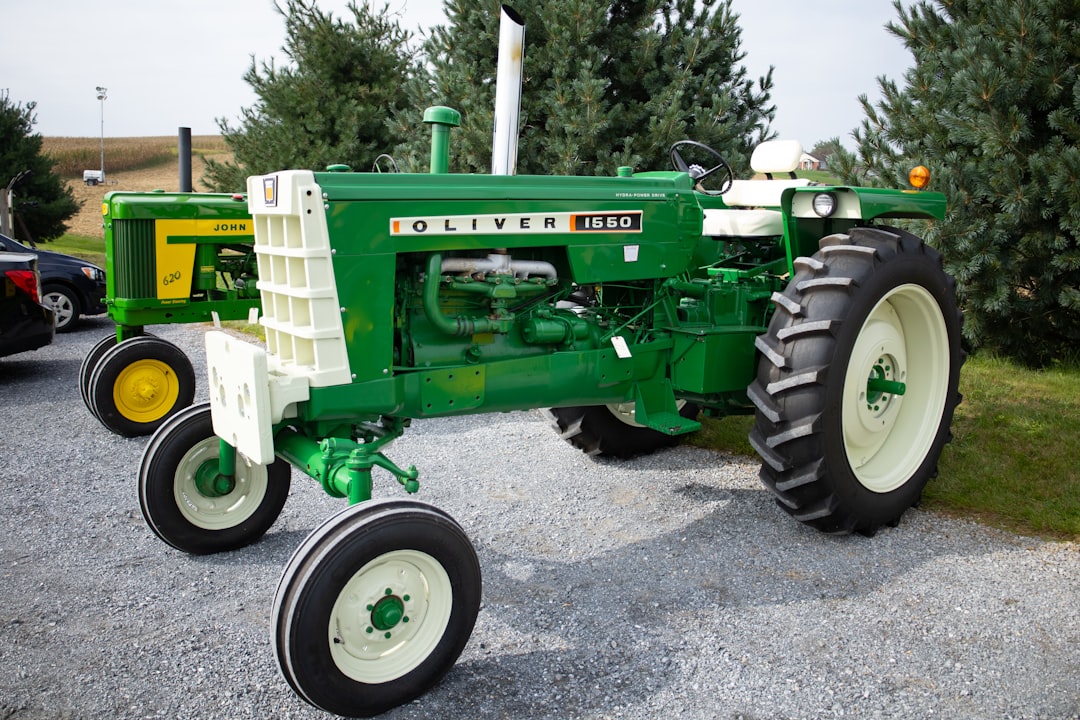
Preparation is key when it comes to participating in a Big Iron farm equipment auction. Prospective buyers should begin by researching the auction house or platform hosting the event. This includes understanding their reputation, the types of equipment they typically offer, and any fees associated with bidding or purchasing.
Many auction houses provide catalogs or listings of available equipment ahead of time, which can be invaluable for planning purposes. Buyers should take the time to review these listings carefully, noting any specific machinery that meets their operational needs. In addition to researching the auction house, potential bidders should also familiarize themselves with the specific equipment they are interested in.
This involves understanding the specifications, capabilities, and market value of various machines. For instance, if a farmer is considering purchasing a used combine harvester, they should look into its make, model, year of manufacture, and any known issues associated with that particular model. Online resources, such as agricultural forums and equipment valuation websites, can provide insights into current market trends and help buyers gauge whether a piece of equipment is fairly priced.
Evaluating the Equipment
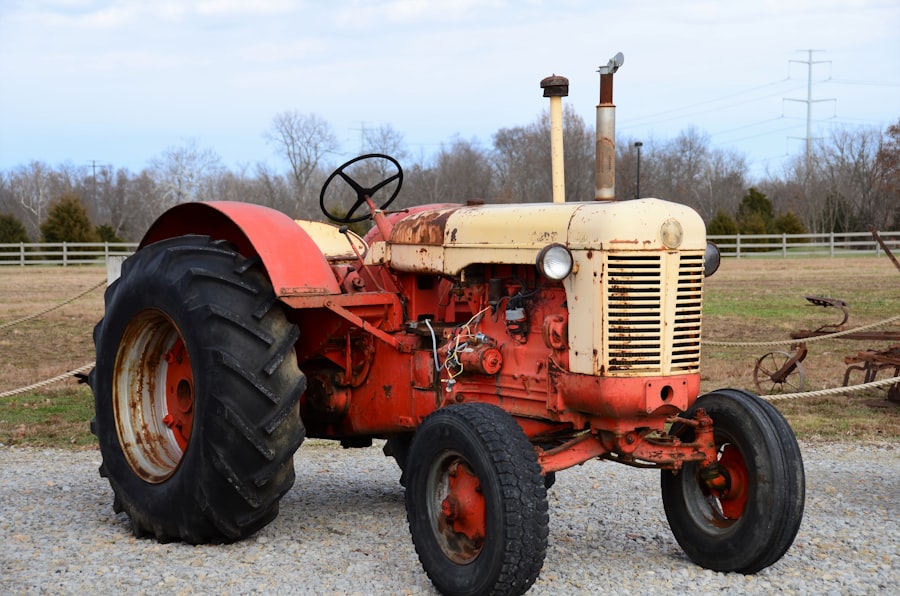
Once at the auction or during an online preview, evaluating the equipment becomes paramount. Buyers should conduct thorough inspections of any machinery they are considering. This includes checking for signs of wear and tear, rust, or any mechanical issues that could affect performance.
For instance, when inspecting a tractor, it is essential to examine the engine condition, hydraulic systems, and tire wear. A well-maintained machine will often have documentation detailing its service history, which can provide further assurance regarding its reliability. In addition to physical inspections, buyers should also consider the age and technology of the equipment.
Modern machinery often comes equipped with advanced features such as GPS guidance systems and precision farming technology that can enhance productivity. However, older models may still be viable options if they have been well cared for and meet the buyer’s operational requirements. Understanding the balance between age, technology, and price is crucial in making an informed decision during the auction.
Setting a Budget and Financing Options
| Metric | Description | Typical Range | Notes |
|---|---|---|---|
| Monthly Budget Allocation | Amount allocated monthly for expenses | 500 – 5000 | Depends on income and financial goals |
| Down Payment Percentage | Initial payment made upfront | 5% – 20% | Higher down payment reduces financing amount |
| Loan Interest Rate | Annual interest rate on borrowed amount | 3% – 15% | Varies by lender and credit score |
| Loan Term | Duration to repay the loan | 12 – 360 months | Longer terms reduce monthly payments but increase total interest |
| Debt-to-Income Ratio | Percentage of income used to pay debts | 20% – 40% | Lower ratio preferred for better financing options |
| Emergency Fund | Reserved funds for unexpected expenses | 3 – 6 months of expenses | Important to maintain financial stability |
Establishing a budget is a critical step in preparing for a Big Iron farm equipment auction. Buyers should consider not only the purchase price but also additional costs such as taxes, fees, transportation, and potential repairs or upgrades needed after acquisition. A well-defined budget helps prevent overspending during the excitement of bidding and ensures that buyers remain within their financial means.
Financing options can vary widely depending on individual circumstances and the auction house’s policies. Some buyers may choose to pay in cash, while others might explore financing through banks or specialized agricultural lenders. Many financial institutions offer loans specifically tailored for purchasing farm equipment, often with favorable terms due to the essential nature of such investments in agricultural operations.
It is advisable for buyers to explore these options ahead of time to determine what financing solutions are available and what fits best within their budgetary constraints.
Attending the Auction and Bidding Strategies
When attending a Big Iron farm equipment auction, having a clear bidding strategy can significantly enhance a buyer’s chances of success. One effective approach is to set a maximum bid limit before entering the auction room or logging into an online platform. This limit should be based on thorough research and evaluation of the equipment in question.
Sticking to this predetermined limit helps prevent emotional bidding wars that can lead to overspending. Another strategy involves observing bidding patterns during the auction. Experienced bidders often have specific tactics they employ, such as waiting until the last moments to place their bids or starting with lower bids to gauge interest in a particular item.
Understanding these dynamics can provide valuable insights into when to make a move. Additionally, buyers should remain calm and composed throughout the process; emotional decisions can cloud judgment and lead to regrettable purchases.
Post-Auction Considerations and Logistics
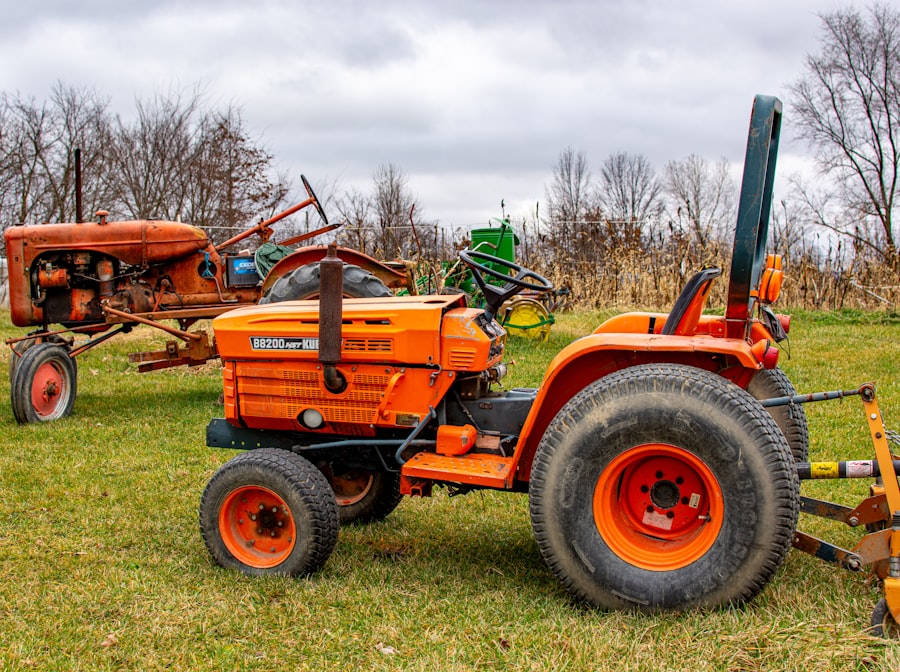
After successfully winning a bid at a Big Iron farm equipment auction, several logistical considerations come into play. First and foremost is arranging for payment and ensuring that all necessary documentation is completed accurately. Buyers should be prepared to provide proof of payment and any required identification or registration information as stipulated by the auction house.
Transportation logistics are another critical aspect following an auction win. Depending on the size and type of equipment purchased, buyers may need to arrange for specialized transport services capable of handling large machinery safely. It is essential to consider factors such as distance from the auction site to the buyer’s location and any permits required for transporting oversized loads.
Additionally, buyers should plan for storage solutions if immediate use of the equipment is not feasible.
Legal and Documentation Requirements
Navigating the legal landscape surrounding Big Iron farm equipment auctions is vital for ensuring a smooth transaction process. Buyers must be aware of any legal requirements related to ownership transfer, including title transfers and registration with local authorities if applicable. Each state may have different regulations regarding agricultural equipment ownership, so it is crucial to familiarize oneself with these laws beforehand.
Documentation plays a significant role in this process as well. Buyers should ensure they receive all necessary paperwork from the auction house, including bills of sale, title documents, and any warranties or guarantees associated with the purchased equipment. Keeping organized records not only aids in future resale but also provides proof of ownership in case of disputes or legal inquiries.
Tips for Successful Purchases at Big Iron Farm Equipment Auctions
To maximize success at Big Iron farm equipment auctions, prospective buyers should consider several practical tips beyond basic preparation and research. Networking with other farmers or industry professionals can provide valuable insights into which auction houses are reputable and which types of equipment are currently in demand. Building relationships within the agricultural community can also lead to shared knowledge about maintenance practices or potential pitfalls associated with specific machinery.
Additionally, attending multiple auctions can help buyers become familiar with bidding dynamics and pricing trends over time. Observing how experienced bidders operate can offer lessons on effective strategies while also helping newcomers build confidence in their own bidding abilities. Finally, patience is key; sometimes waiting for the right piece of equipment at the right price can yield better results than rushing into a purchase out of urgency or excitement.
By understanding the intricacies of Big Iron farm equipment auctions—from preparation through post-purchase logistics—buyers can navigate this complex landscape more effectively. With careful research, strategic planning, and an informed approach to bidding, acquiring essential machinery at these auctions can be both rewarding and financially advantageous for agricultural operations.