In the agricultural sector, the need for reliable and efficient equipment is paramount. Farmers and agricultural businesses often face the challenge of upgrading their machinery to keep pace with technological advancements and changing market demands. One effective avenue for acquiring new equipment is through bank-sponsored tractor auctions.
These auctions, organized by financial institutions, provide a platform for buyers to purchase high-quality tractors and agricultural machinery at competitive prices. The unique aspect of these auctions is that they often feature equipment that has been repossessed or is being liquidated due to financial constraints faced by previous owners. This creates an opportunity for buyers to acquire well-maintained machinery at a fraction of the retail cost.

Bank-sponsored tractor auctions are not just about the sale of equipment; they also represent a strategic initiative by banks to recover losses from defaulted loans. By facilitating these auctions, banks can help stimulate the agricultural economy while providing farmers with access to essential tools for their operations. The auctions typically attract a diverse group of participants, including individual farmers, agricultural cooperatives, and even larger farming enterprises looking to expand their fleets.
The competitive nature of these events can lead to significant savings for buyers, making them an attractive option for those looking to upgrade their equipment without straining their budgets.
Key Takeaways
- Bank-sponsored tractor auctions offer a unique opportunity to upgrade farming equipment at competitive prices.
- Participating in these auctions requires preparation, including understanding tractor conditions and financing options.
- Evaluating the value and condition of tractors is crucial to making informed bidding decisions.
- Financing options are available to help manage the cost of equipment purchases at auctions.
- Proper preparation and strategic bidding can maximize the return on investment when upgrading equipment.

Benefits of Upgrading Equipment through Auctions
Upgrading equipment through auctions offers numerous advantages that can significantly impact a farmer’s operational efficiency and profitability. One of the primary benefits is cost savings. Auctions often feature equipment that is priced below market value, allowing buyers to acquire high-quality tractors and machinery without incurring the full expense associated with new purchases.
This financial advantage is particularly crucial for small to medium-sized farms that may have limited budgets but still require reliable equipment to maintain productivity. In addition to cost savings, purchasing through auctions can also provide access to a wider variety of equipment options. Bank-sponsored auctions often include a diverse range of tractors and agricultural machinery, from compact models suitable for small farms to larger, more powerful machines designed for extensive agricultural operations.
This variety allows buyers to select equipment that best fits their specific needs and operational requirements. Furthermore, many auctioned tractors come with detailed histories and maintenance records, giving buyers confidence in their purchases. This transparency can be particularly beneficial in ensuring that the equipment will perform reliably in the field.
Tips for Participating in a Bank-Sponsored Tractor Auction
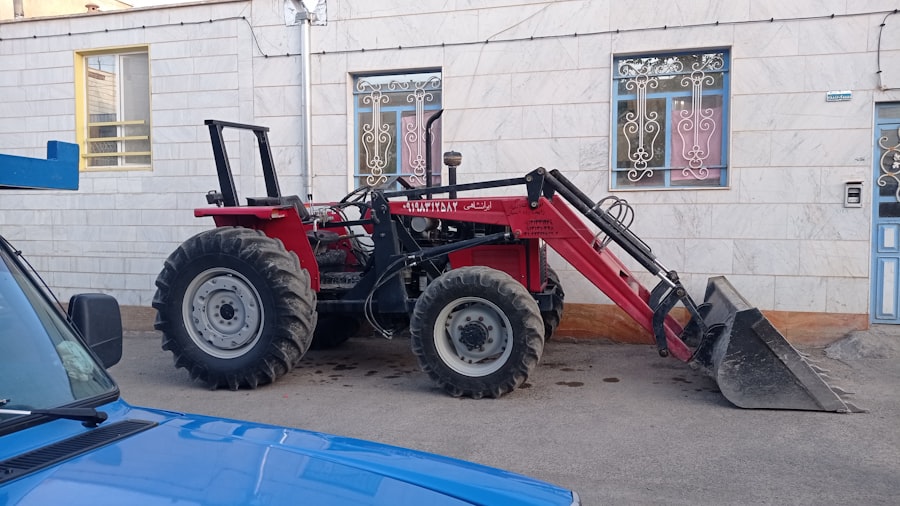
Participating in a bank-sponsored tractor auction requires careful preparation and strategic planning to maximize the chances of securing the desired equipment at a favorable price. One essential tip is to conduct thorough research prior to the auction. This includes understanding the types of tractors available, their market values, and the specific needs of your farming operation.
Familiarizing yourself with the auction process itself is equally important; knowing how bidding works, what fees may be involved, and the terms of sale can help you navigate the event more effectively. Another critical aspect of participating in an auction is setting a budget and sticking to it. It can be easy to get caught up in the excitement of bidding, but having a clear financial limit will help prevent overspending.
Additionally, consider attending a few auctions as an observer before participating actively. This experience can provide valuable insights into bidding strategies and help you gauge the competition. Engaging with other participants and auctioneers can also enhance your understanding of the auction dynamics, ultimately leading to more informed decisions during your own bidding.
Understanding Financing Options for Equipment Purchases
| Financing Option | Description | Typical Interest Rate | Repayment Term | Advantages | Considerations |
|---|---|---|---|---|---|
| Equipment Loan | Loan specifically for purchasing equipment, secured by the equipment itself. | 5% – 12% | 1 to 5 years | Ownership of equipment, fixed payments, potential tax benefits. | Requires good credit, may require down payment. |
| Equipment Lease | Lease agreement to use equipment for a set period without ownership. | Varies, often embedded in lease payments | 1 to 5 years | Lower upfront costs, maintenance often included, flexible upgrades. | No ownership, total cost may be higher over time. |
| Operating Lease | Short-term lease with option to return or buy equipment at end. | Varies | Typically less than 3 years | Off-balance-sheet financing, flexibility. | No ownership, possible higher long-term cost. |
| Capital Lease | Lease treated as asset purchase; lessee assumes risks and benefits. | Varies | Term usually matches equipment life | Ownership benefits, depreciation, and interest deductions. | Recorded as asset and liability on balance sheet. |
| Vendor Financing | Financing provided directly by equipment seller. | 6% – 15% | Varies | Convenient, may have promotional rates. | May have higher rates, limited negotiation. |
| Business Line of Credit | Revolving credit that can be used for equipment purchases. | 7% – 20% | Revolving | Flexible use, pay interest only on amount used. | Variable rates, requires good credit. |
When considering a purchase at a bank-sponsored tractor auction, understanding financing options is crucial for making informed decisions. Many banks offer specialized financing programs tailored specifically for agricultural equipment purchases. These programs often feature competitive interest rates and flexible repayment terms designed to accommodate the cash flow cycles typical in farming operations.
By exploring these financing options, buyers can determine which plan aligns best with their financial situation and operational needs. In addition to traditional bank financing, there are alternative financing solutions available for purchasing equipment at auctions. For instance, some manufacturers offer financing directly through their dealerships, which may include promotional rates or deferred payment plans.
Leasing is another option that allows farmers to use equipment without committing to full ownership upfront. This can be particularly advantageous for those who may need specific machinery only during certain seasons or for particular projects. Understanding these various financing avenues can empower buyers to make strategic choices that enhance their purchasing power while managing their financial risk effectively.
Evaluating the Condition and Value of Tractors at Auction
Evaluating the condition and value of tractors at auction is a critical step that requires careful attention and expertise. Before placing a bid, potential buyers should conduct thorough inspections of the equipment being offered. This includes checking for signs of wear and tear, assessing the overall mechanical condition, and reviewing maintenance records if available.
Key components such as engines, transmissions, hydraulic systems, and tires should be scrutinized closely, as these factors significantly influence both performance and longevity. In addition to physical inspections, understanding market values is essential for making informed bidding decisions. Researching comparable models and recent sales data can provide insights into fair pricing for specific tractors.
Online resources, industry publications, and auction house estimates can serve as valuable references when determining how much to bid on a particular piece of equipment. By combining hands-on evaluations with market research, buyers can better assess whether a tractor represents a good investment or if it may require costly repairs down the line.
How to Prepare for a Bank-Sponsored Tractor Auction
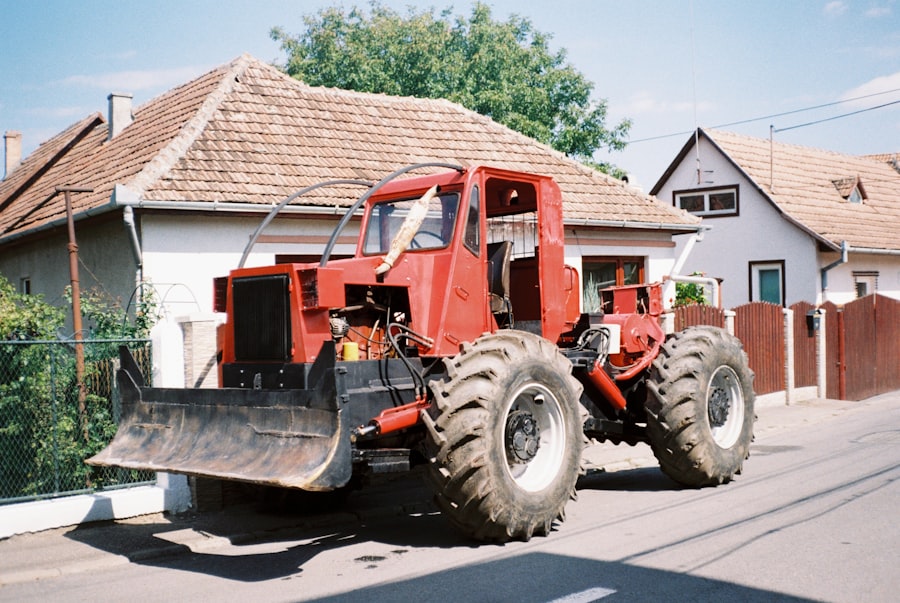
Preparation is key to success at a bank-sponsored tractor auction, and several steps can help ensure that participants are ready to make informed decisions on auction day. First and foremost, creating a checklist of desired equipment specifications is essential. This list should outline the specific features and capabilities needed based on your farming operations, such as horsepower requirements, attachment compatibility, and fuel efficiency.
Having this checklist on hand will help you stay focused during the auction and avoid impulsive decisions based on emotional bidding. Another important aspect of preparation involves familiarizing yourself with the auction venue and logistics. Knowing where the auction will take place, understanding registration procedures, and being aware of any associated fees or buyer premiums will streamline your experience on auction day.
Additionally, consider arriving early to inspect the equipment before bidding begins; this allows you ample time to evaluate your options without feeling rushed. Engaging with auction staff or other participants can also provide valuable insights into the event’s dynamics and help you build connections within the agricultural community.
Maximizing Your Investment in Upgraded Equipment
Once you have successfully acquired upgraded equipment through a bank-sponsored tractor auction, maximizing your investment becomes paramount. One effective strategy is to implement regular maintenance practices that ensure optimal performance over time. Establishing a routine maintenance schedule that includes oil changes, filter replacements, and inspections can significantly extend the lifespan of your machinery while minimizing unexpected breakdowns during critical farming periods.
Additionally, leveraging technology can enhance the efficiency of your newly acquired equipment. Many modern tractors come equipped with advanced features such as GPS guidance systems, precision agriculture tools, and telematics capabilities that allow for real-time monitoring of performance metrics. By utilizing these technologies effectively, farmers can optimize their operations, reduce waste, and improve overall productivity.
Training staff on how to use these features can further enhance their effectiveness and ensure that your investment yields maximum returns.
Seizing the Opportunity to Upgrade Equipment at a Bank-Sponsored Tractor Auction
Bank-sponsored tractor auctions present a unique opportunity for farmers and agricultural businesses looking to upgrade their equipment affordably and efficiently. By understanding the benefits of participating in these auctions, preparing adequately, evaluating equipment carefully, and exploring financing options, buyers can make informed decisions that align with their operational needs and financial goals. The potential for significant cost savings combined with access to high-quality machinery makes these auctions an attractive option in today’s competitive agricultural landscape.
As farmers navigate the complexities of modern agriculture—balancing productivity demands with economic pressures—the ability to acquire reliable equipment through bank-sponsored auctions can be a game-changer. By seizing this opportunity, agricultural professionals can enhance their operational capabilities while positioning themselves for future growth in an ever-evolving industry landscape.