
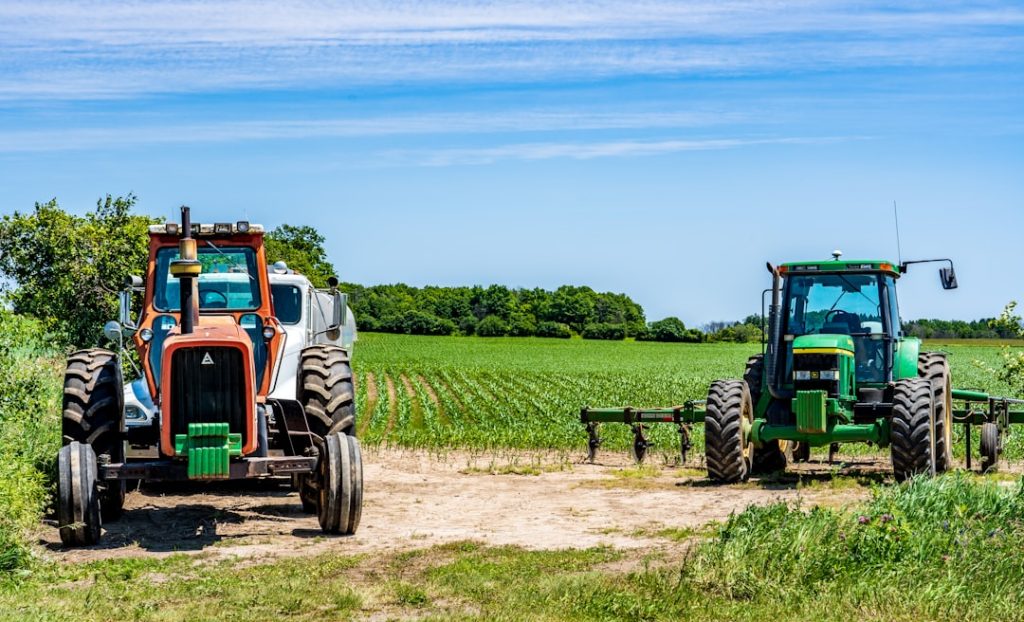
Bank repossessed farm equipment refers to machinery and tools that have been reclaimed by financial institutions due to the previous owner’s failure to meet loan obligations. This equipment can range from tractors and plows to irrigation systems and harvesters. When farmers default on their loans, banks often take possession of these assets to recover their losses.
The equipment is then typically sold at auctions or through direct sales, often at prices significantly lower than market value. This presents a unique opportunity for buyers looking to acquire essential farming tools without the hefty price tag. The market for repossessed farm equipment is influenced by various factors, including economic conditions, agricultural trends, and the overall health of the farming sector.

For instance, during periods of economic downturn, more farmers may struggle to keep up with loan payments, leading to an increase in repossessions. Conversely, when the agricultural economy is thriving, the availability of repossessed equipment may decrease as fewer farmers default on their loans. Understanding these dynamics can help potential buyers navigate the market more effectively and identify the best opportunities for purchasing repossessed equipment.
Key Takeaways
- Bank repossessed farm equipment is seized due to loan defaults and sold to recover debts.
- The repossession process involves the lender reclaiming equipment after missed payments.
- Buyers should consider equipment condition, history, and potential repair costs before purchasing.
- Thorough inspection is crucial to identify wear, damage, and maintenance needs.
- Financing and legal aspects must be carefully reviewed to ensure a smooth and secure purchase.
The Process of Repossession
The repossession process typically begins when a borrower defaults on their loan payments. Financial institutions usually have a set protocol for handling such situations, which may include sending reminders and offering restructuring options before proceeding with repossession. If these efforts fail, the bank will initiate the legal process to reclaim the equipment.
This often involves sending a notice of default to the borrower and may require court intervention, depending on local laws and the terms of the loan agreement. Once the bank has legally reclaimed the equipment, it will assess its condition and determine the best method for selling it. This could involve direct sales to interested buyers or auctioning the equipment through specialized platforms.
Banks often work with auction houses or online marketplaces that specialize in selling repossessed assets. The goal is to recover as much of the outstanding loan amount as possible while providing buyers with an opportunity to purchase quality equipment at reduced prices.
Factors to Consider Before Buying
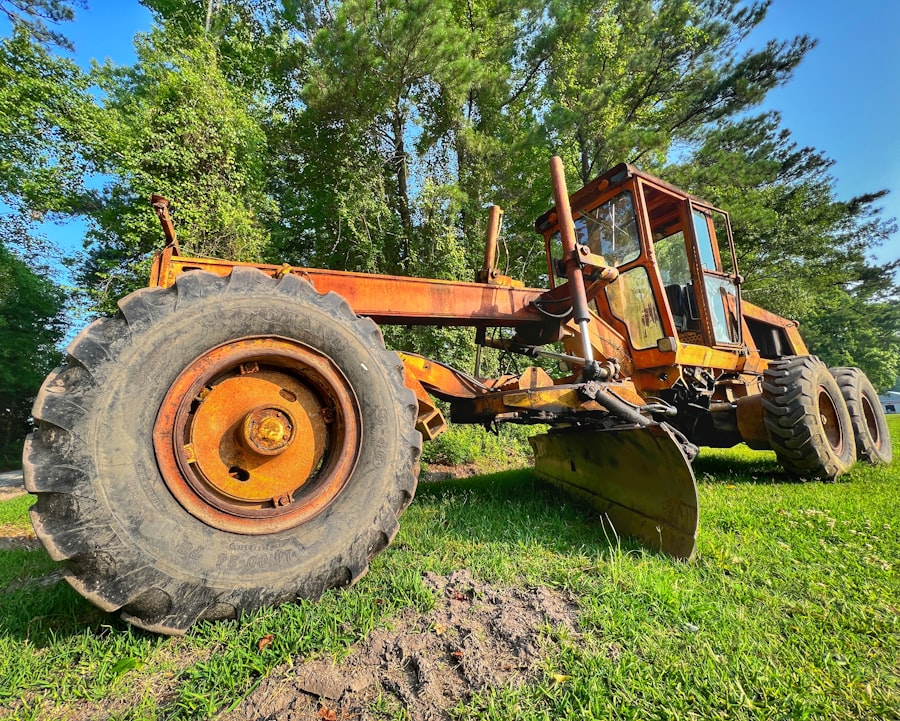
Before diving into the purchase of repossessed farm equipment, potential buyers should consider several critical factors. First and foremost is the condition of the equipment. Unlike new machinery, repossessed items may have been subjected to heavy use or neglect, which can affect their performance and longevity.
Buyers should research the specific type of equipment they are interested in and understand common issues associated with it. For example, older tractors may have engine problems or hydraulic system failures that could lead to costly repairs. Another important factor is the intended use of the equipment.
Buyers should clearly define their needs and how the equipment will fit into their farming operations. For instance, a farmer looking to expand their crop production may require a larger tractor with specific attachments, while someone focused on livestock may need specialized feeding or handling equipment. Understanding these requirements will help buyers make informed decisions and avoid purchasing equipment that does not meet their operational needs.
Inspecting Repossessed Farm Equipment
| Metric | Description | Typical Range | Importance |
|---|---|---|---|
| Hours of Operation | Total hours the equipment has been used | 500 – 5,000 hours | High – Indicates wear and tear |
| Engine Condition | Assessment of engine performance and maintenance | Good, Fair, Poor | High – Critical for functionality |
| Tire Condition | Wear level and tread depth of tires | New to Worn | Medium – Affects mobility |
| Hydraulic System | Check for leaks and pressure levels | Normal pressure, No leaks | High – Essential for operation |
| Rust and Corrosion | Extent of rust on metal parts | None to Severe | Medium – Affects durability |
| Attachments Included | List of additional equipment or tools | Plows, Harrows, Seeders, etc. | Low – Adds value |
| Previous Repairs | History of major repairs or replacements | None to Extensive | Medium – Indicates past issues |
| Operational Test | Performance during test run | Pass/Fail | High – Confirms working condition |
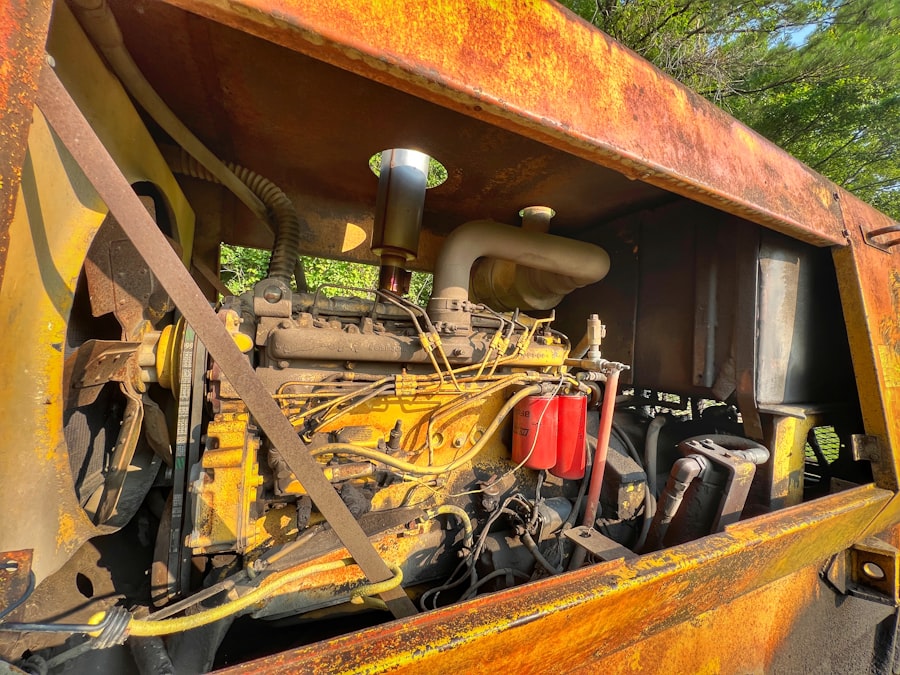
Thorough inspection is crucial when considering the purchase of repossessed farm equipment. Buyers should take the time to examine both the physical condition and operational functionality of the machinery. This includes checking for signs of wear and tear, rust, leaks, and any other visible damage that could indicate underlying issues.
It is advisable to bring along a knowledgeable mechanic or technician who can provide insights into potential problems that may not be immediately apparent. In addition to physical inspection, prospective buyers should also request maintenance records if available. These documents can provide valuable information about how well the equipment has been cared for over its lifespan.
Regular maintenance can significantly extend the life of farm machinery, so understanding its maintenance history can help buyers gauge whether they are making a sound investment. If records are not available, buyers should be prepared to factor in potential repair costs when determining their budget for the purchase.
Financing Options for Purchasing Repossessed Equipment
Financing options for purchasing repossessed farm equipment can vary widely depending on individual circumstances and lender policies. Many banks and financial institutions offer specialized loans for agricultural equipment purchases, which can be particularly beneficial for buyers looking to acquire repossessed items at a lower cost. These loans often come with competitive interest rates and flexible repayment terms tailored to the agricultural sector’s unique cash flow cycles.
In addition to traditional bank financing, buyers may also explore alternative financing options such as credit unions or online lenders that specialize in agricultural loans. Some sellers of repossessed equipment may even offer in-house financing options, allowing buyers to make payments directly to them over time. It is essential for buyers to compare different financing options carefully, considering factors such as interest rates, repayment terms, and any associated fees.
This diligence can lead to significant savings over the life of the loan.
Negotiating the Purchase Price
Negotiating the purchase price of repossessed farm equipment can be a critical step in ensuring a good deal. Buyers should approach this process with a clear understanding of the market value of similar equipment and be prepared to justify their offer based on condition and functionality. Researching recent sales data from auctions or online marketplaces can provide valuable insights into what similar items are selling for, helping buyers establish a reasonable price range.
When negotiating, it is also important for buyers to remain flexible and open-minded. Sellers may have specific reasons for pricing their equipment at a certain level, such as urgency in selling or previous investments made in repairs or upgrades. Engaging in a respectful dialogue about these factors can lead to mutually beneficial outcomes.
Additionally, buyers should be prepared to walk away if negotiations do not meet their expectations; this can sometimes prompt sellers to reconsider their pricing strategy.
Legal Considerations when Buying Repossessed Equipment
Purchasing repossessed farm equipment comes with its own set of legal considerations that buyers must navigate carefully. One of the primary concerns is ensuring that the seller has clear title to the equipment being sold. Buyers should request documentation proving that the bank or financial institution has legally acquired ownership of the machinery through proper repossession procedures.
This documentation protects buyers from potential disputes over ownership down the line. Another legal aspect to consider is any existing liens or encumbrances on the equipment. Even if a bank has repossessed an item, there may still be outstanding debts associated with it that could affect future ownership rights.
Conducting a thorough title search can help identify any potential issues before completing a purchase. Additionally, buyers should familiarize themselves with local laws regarding sales tax and registration requirements for farm equipment, as these can vary significantly by jurisdiction.
Tips for Maintaining Repossessed Farm Equipment
Once a buyer has successfully purchased repossessed farm equipment, proper maintenance becomes essential for ensuring its longevity and performance. Regular servicing is crucial; this includes routine oil changes, filter replacements, and inspections of critical components such as belts and hoses. Establishing a maintenance schedule based on manufacturer recommendations can help prevent unexpected breakdowns and costly repairs.
In addition to routine maintenance, buyers should also invest in proper storage solutions for their equipment when not in use. Exposure to harsh weather conditions can lead to rust and deterioration over time, so keeping machinery in a sheltered environment can significantly extend its lifespan. Furthermore, implementing best practices for operation—such as avoiding overloading machinery and adhering to safe operating procedures—can help maintain optimal performance levels while minimizing wear and tear on the equipment.
By understanding these various aspects of purchasing and maintaining bank repossessed farm equipment, potential buyers can make informed decisions that align with their agricultural needs while maximizing their investment’s value over time.