
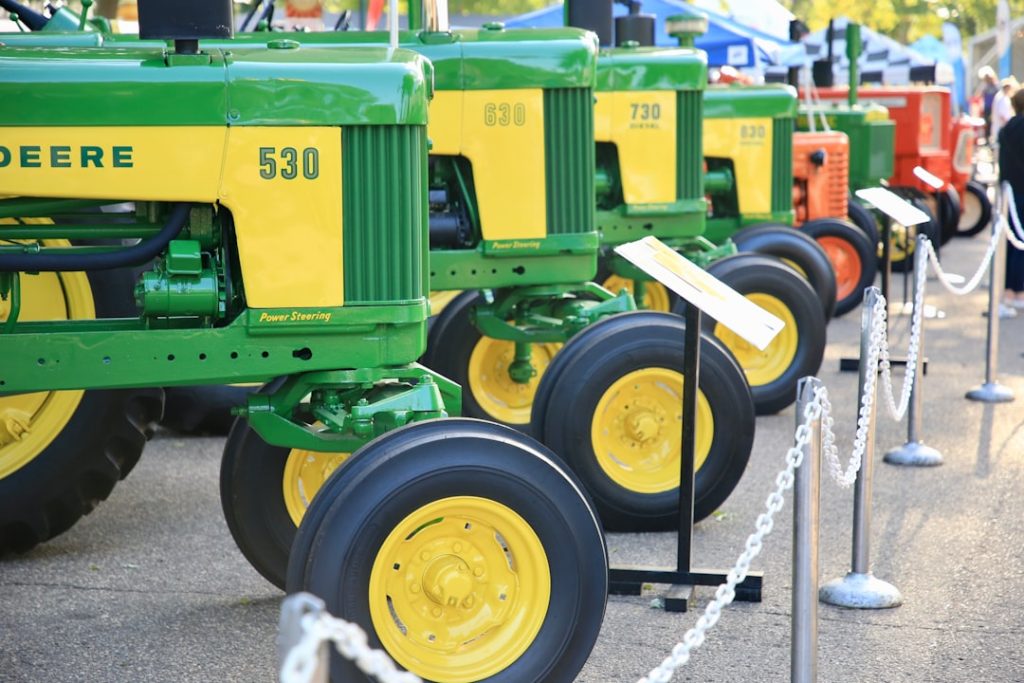
The evolution of agricultural practices has been profoundly influenced by the development of farm machinery, which has undergone significant transformations over the centuries. The history of antique farm machinery can be traced back to the early days of agriculture when simple tools like plows and sickles were used. These rudimentary implements were crafted from wood and stone, serving as the foundation for more complex machinery that would emerge in later years.
The Industrial Revolution marked a pivotal moment in this evolution, as mechanization began to take hold in farming practices. The introduction of steam-powered engines in the 19th century revolutionized agriculture, allowing for larger fields to be cultivated and crops to be harvested more efficiently. As the 20th century approached, innovations such as the gasoline-powered tractor began to replace horse-drawn equipment, fundamentally changing the landscape of farming.

Companies like International Harvester and John Deere emerged as leaders in the production of agricultural machinery, creating iconic models that are now considered antiques. The transition from manual labor to mechanized farming not only increased productivity but also altered the social fabric of rural communities. Farmers began to rely on machinery for their livelihoods, leading to a shift in how agricultural work was perceived and executed.
This historical context is essential for understanding the significance of antique farm machinery today, as these relics represent not just technological advancements but also the cultural heritage of farming communities.
Key Takeaways
- Antique farm machinery reflects the evolution of agricultural technology and rural life.
- Preserving these machines helps maintain a tangible connection to agricultural heritage.
- Auctions have become popular venues for buying, selling, and celebrating antique farm equipment.
- Attendees can expect a mix of machinery types, expert knowledge, and community engagement at auctions.
- Restoration and maintenance are key to preserving the value and functionality of antique farm machinery.
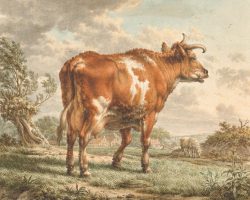
The Importance of Preserving Agricultural History
Preserving agricultural history is crucial for several reasons, particularly in an era where modern technology often overshadows traditional practices. Antique farm machinery serves as a tangible link to our agricultural past, providing insights into the methods and tools that shaped food production over generations. By maintaining these artifacts, we can better appreciate the ingenuity and hard work that went into developing the farming techniques we often take for granted today.
Each piece of machinery tells a story, reflecting the challenges and triumphs faced by farmers throughout history. Moreover, preserving agricultural history fosters a sense of identity and continuity within rural communities. As urbanization continues to encroach upon farmland, many individuals may lose touch with their agricultural roots.
Antique farm machinery serves as a reminder of the values and traditions that have sustained these communities for centuries. Museums, historical societies, and local collectors play a vital role in this preservation effort, ensuring that future generations can learn about and appreciate the evolution of farming practices. By showcasing these machines, we not only honor the past but also inspire a renewed interest in sustainable agriculture and local food systems.
The Rise of Antique Farm Machinery Auctions
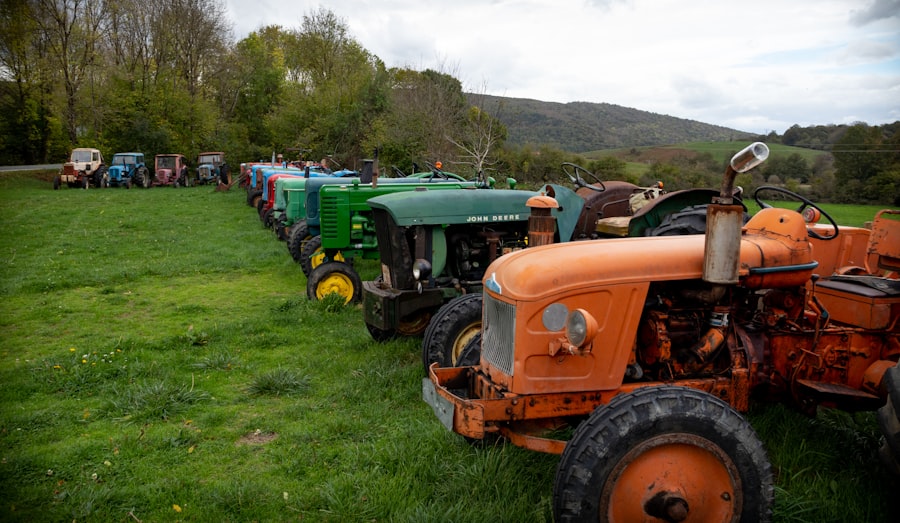
In recent years, there has been a notable surge in interest surrounding antique farm machinery auctions. These events have become popular not only among collectors but also among farmers looking to restore or enhance their equipment. The rise of online auction platforms has further fueled this trend, allowing enthusiasts from all over the world to participate in bidding wars for rare and unique pieces.
Auctions provide an opportunity for buyers to acquire machinery that may no longer be in production, making them invaluable for those seeking to preserve agricultural history. The appeal of antique farm machinery auctions lies not only in the potential for acquiring rare items but also in the sense of community they foster. Attendees often share a passion for farming and a deep appreciation for the craftsmanship that went into creating these machines.
Many auctions feature not just the sale of equipment but also educational components, such as demonstrations and workshops on restoration techniques. This blend of commerce and camaraderie creates an atmosphere that celebrates agricultural heritage while promoting knowledge sharing among enthusiasts.
What to Expect at an Antique Farm Machinery Auction
| Metric | Description | Typical Range | Notes |
|---|---|---|---|
| Number of Items | Total antique farm machinery pieces available | 50 – 300 | Varies by auction size and location |
| Average Auction Duration | Length of the auction event | 3 – 8 hours | Includes preview and bidding time |
| Starting Bid Range | Typical starting price for machinery | 100 – 2,000 | Depends on item condition and rarity |
| Buyer’s Premium | Additional fee percentage added to final bid | 5% – 15% | Charged by auction house |
| Common Machinery Types | Types of machinery frequently auctioned | Tractors, Plows, Cultivators, Combines | May include rare or restored items |
| Condition Categories | Typical condition classifications | Restored, Good, Fair, For Parts | Condition affects bidding price |
| Attendance | Number of bidders and spectators | 50 – 500+ | Depends on auction popularity and location |
| Payment Methods Accepted | Common payment options | Cash, Check, Credit Card, Wire Transfer | Verify with auction house before bidding |
| Pickup Timeframe | Time allowed to collect purchased items | 1 – 7 days post-auction | Late pickup may incur fees |
Attending an antique farm machinery auction can be an exhilarating experience filled with anticipation and excitement. Upon arrival, participants are often greeted by rows of meticulously restored tractors, plows, and other implements, each with its own unique history. Many auctions provide detailed catalogs that describe each item’s provenance, condition, and estimated value, allowing bidders to make informed decisions.
It is common for attendees to engage in conversations about their favorite pieces or share stories about their own experiences with similar machinery. Bidding at these auctions can be competitive, with passionate collectors vying for prized items. The atmosphere is charged with energy as auctioneers skillfully navigate the crowd, encouraging bids and creating a sense of urgency.
For those new to the auction scene, it can be helpful to familiarize oneself with bidding strategies and etiquette beforehand. Understanding how to gauge the value of an item and knowing when to bid or hold back can significantly impact one’s success at these events. Additionally, many auctions offer opportunities for networking with other enthusiasts, providing a chance to forge connections that can lead to future collaborations or exchanges.
The Value of Antique Farm Machinery
The value of antique farm machinery can vary widely based on several factors, including rarity, condition, historical significance, and demand among collectors. Some pieces may fetch thousands of dollars at auction due to their unique features or limited production runs. For instance, a well-preserved John Deere Model A tractor from the 1930s can command high prices due to its iconic status among collectors and its representation of a pivotal era in agricultural history.
Conversely, more common models may be valued less but still hold sentimental significance for those who grew up using them. Beyond monetary value, antique farm machinery carries intrinsic worth as symbols of craftsmanship and innovation. Many collectors view their acquisitions as investments in cultural heritage rather than mere financial assets.
This perspective emphasizes the importance of preserving these machines not just for their market value but for their role in telling the story of agriculture’s evolution. As interest in sustainable farming practices grows, so too does appreciation for the ingenuity behind older machinery that laid the groundwork for modern advancements.
Restoring and Maintaining Antique Farm Machinery
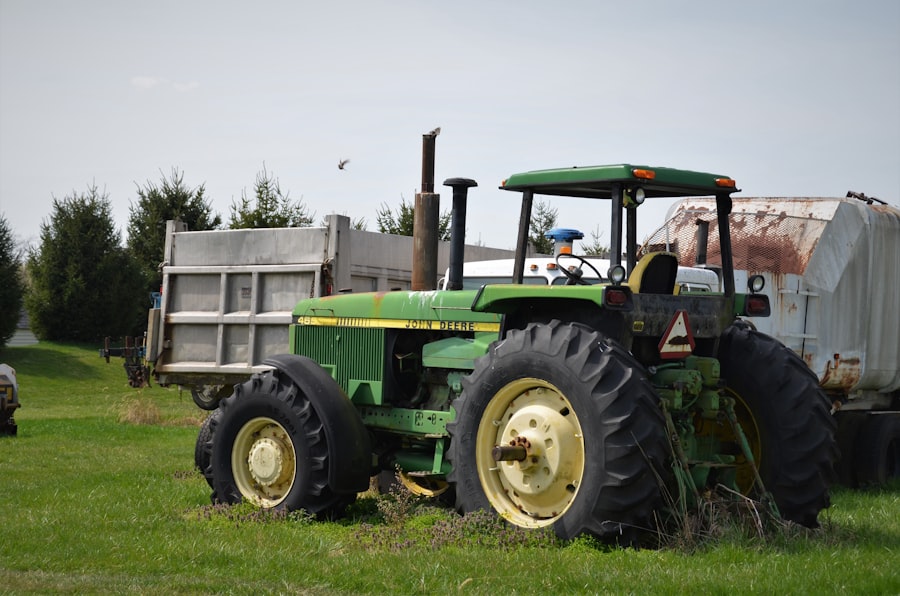
Restoring antique farm machinery is both an art and a science, requiring a deep understanding of mechanical systems as well as an appreciation for historical accuracy. Enthusiasts often embark on restoration projects with a desire to bring these machines back to their former glory while preserving their authenticity. This process can involve sourcing original parts, researching historical specifications, and employing traditional restoration techniques that honor the craftsmanship of the original builders.
Maintenance is equally important in ensuring that antique farm machinery remains functional and visually appealing. Regular inspections and careful handling can prevent deterioration caused by rust or mechanical failure. Many collectors establish routines for cleaning and lubricating moving parts, while others may invest in climate-controlled storage solutions to protect their machines from environmental damage.
Engaging with online forums or local clubs dedicated to antique machinery can provide valuable resources for restoration tips and maintenance advice, fostering a community of shared knowledge among enthusiasts.
The Community of Antique Farm Machinery Enthusiasts
The community surrounding antique farm machinery is vibrant and diverse, encompassing individuals from various backgrounds united by a shared passion for preserving agricultural history. Collectors range from seasoned experts with extensive knowledge to newcomers eager to learn about restoration techniques and historical significance. Local clubs and organizations often host events such as shows, exhibitions, and swap meets where enthusiasts can gather to share their experiences and showcase their collections.
These gatherings serve as platforms for education and collaboration, allowing members to exchange ideas about restoration projects or discuss trends in collecting. Many enthusiasts also participate in volunteer efforts aimed at preserving local agricultural heritage sites or museums that feature antique machinery exhibits. This sense of camaraderie fosters a supportive environment where individuals can connect over their mutual interests while contributing to the broader mission of preserving agricultural history.
The Future of Antique Farm Machinery Auctions
As we look toward the future of antique farm machinery auctions, several trends are emerging that may shape this niche market. The increasing popularity of online auctions has already transformed how collectors engage with one another and acquire items. Virtual platforms allow for greater accessibility, enabling individuals from diverse geographical locations to participate in bidding without the constraints of travel.
This shift could lead to a more global appreciation for antique farm machinery as collectors share their stories and experiences across borders. Additionally, there is a growing emphasis on sustainability within the agricultural community that may influence future auction trends. As more farmers seek eco-friendly practices, there may be renewed interest in older machinery known for its durability and efficiency compared to modern alternatives.
This could result in a resurgence of demand for specific models that align with sustainable farming principles. Furthermore, educational initiatives aimed at younger generations may inspire new collectors who recognize the value of preserving agricultural history through antique machinery. In conclusion, antique farm machinery represents not only technological advancements but also cultural heritage that deserves recognition and preservation.
As interest continues to grow within this community, it is essential to foster connections among enthusiasts while promoting awareness about the significance of these historical artifacts in shaping our agricultural landscape.