
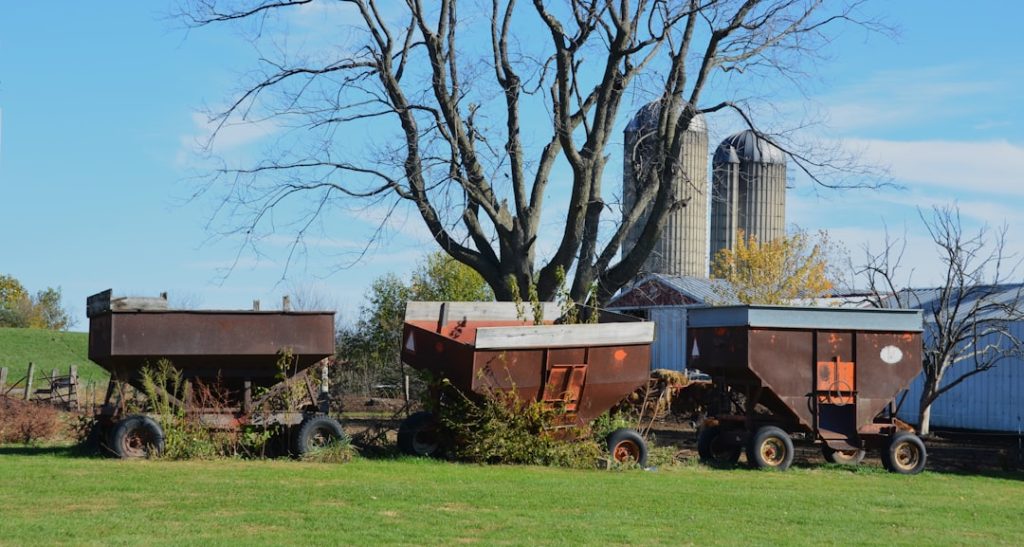
Purchasing second-hand farm equipment can be a strategic decision for farmers looking to optimize their operations without incurring the high costs associated with new machinery. One of the most significant advantages is the substantial cost savings. New agricultural machinery can be prohibitively expensive, often running into tens or even hundreds of thousands of dollars.
In contrast, second-hand equipment typically comes at a fraction of the price, allowing farmers to allocate their budgets more effectively. This financial flexibility can enable them to invest in other critical areas of their operations, such as seed quality, soil health, or labor. Moreover, buying used equipment can also lead to quicker availability.
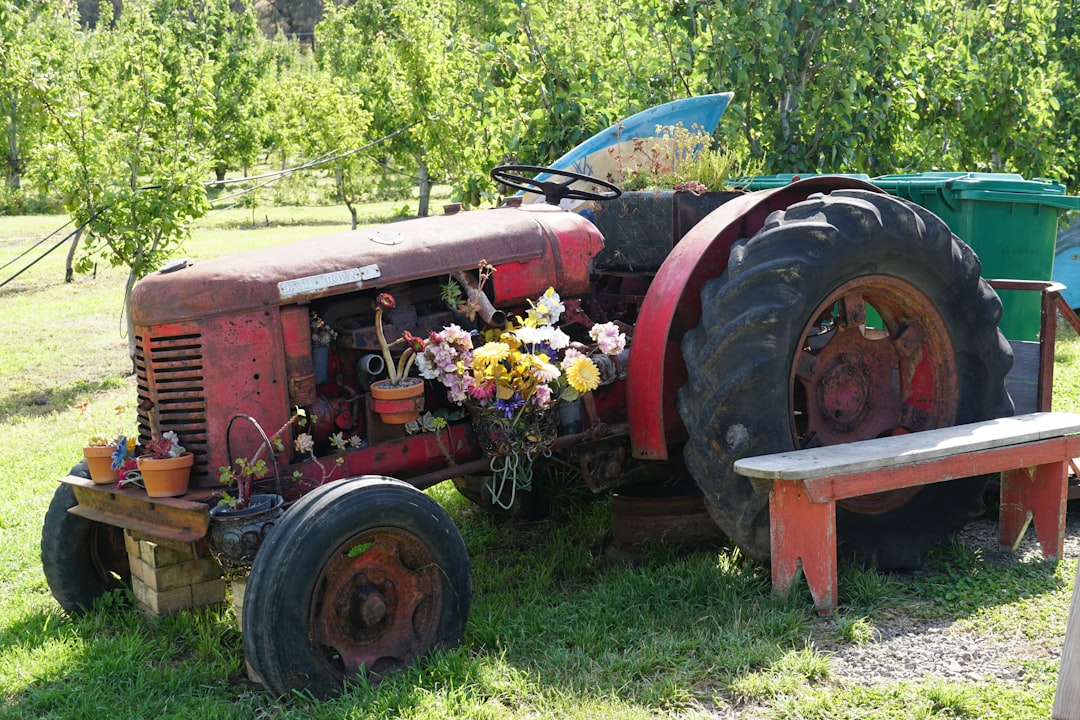
New machinery often comes with long lead times due to manufacturing schedules and supply chain issues. In contrast, second-hand equipment is usually readily available, allowing farmers to acquire what they need promptly. This immediacy can be crucial during planting or harvesting seasons when timing is everything.
Additionally, many used machines have already proven their reliability in the field, providing a level of assurance that new models may not yet have established.
Key Takeaways
- Buying second-hand farm equipment offers significant cost savings and environmental benefits.
- Quality used equipment can be found through specialized dealers, auctions, and online marketplaces.
- Thorough inspection and assessment are crucial to avoid costly repairs and ensure reliability.
- Avoid common mistakes like neglecting maintenance history or overpaying by researching market prices.
- Proper maintenance and potential upgrades can extend the lifespan and functionality of second-hand equipment.
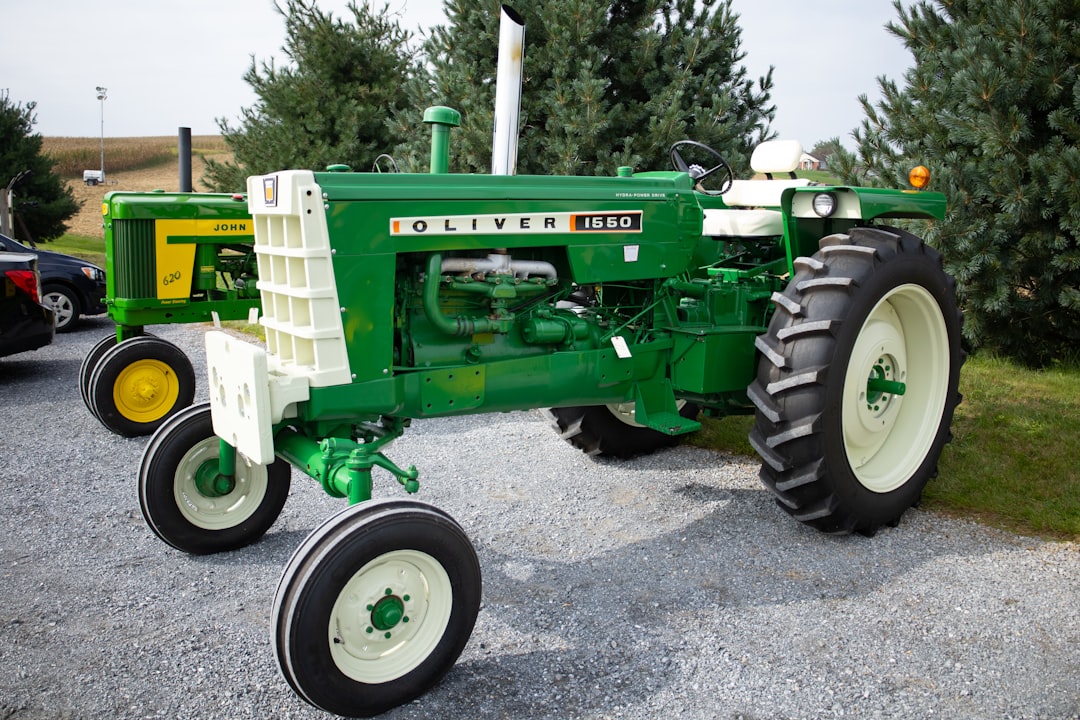
Where to Find Quality Second-Hand Farm Equipment
Finding quality second-hand farm equipment requires a combination of research and networking. One of the most common places to start is through online marketplaces specifically designed for agricultural equipment. Websites like TractorHouse, AgriTrader, and eBay Motors offer extensive listings of used machinery, complete with photographs, specifications, and seller contact information.
These platforms allow buyers to filter searches based on location, price range, and equipment type, making it easier to find what they need. Local auctions and farm sales are another excellent source for second-hand equipment. Many farmers sell their machinery at public auctions when they upgrade or retire from farming.
Attending these events not only provides an opportunity to inspect the equipment firsthand but also allows buyers to engage with sellers directly, gaining insights into the machine’s history and performance. Additionally, local agricultural cooperatives or farm supply stores often have bulletin boards or online forums where farmers can list equipment for sale or trade, creating a community-driven marketplace.
Tips for Inspecting and Assessing Second-Hand Farm Equipment
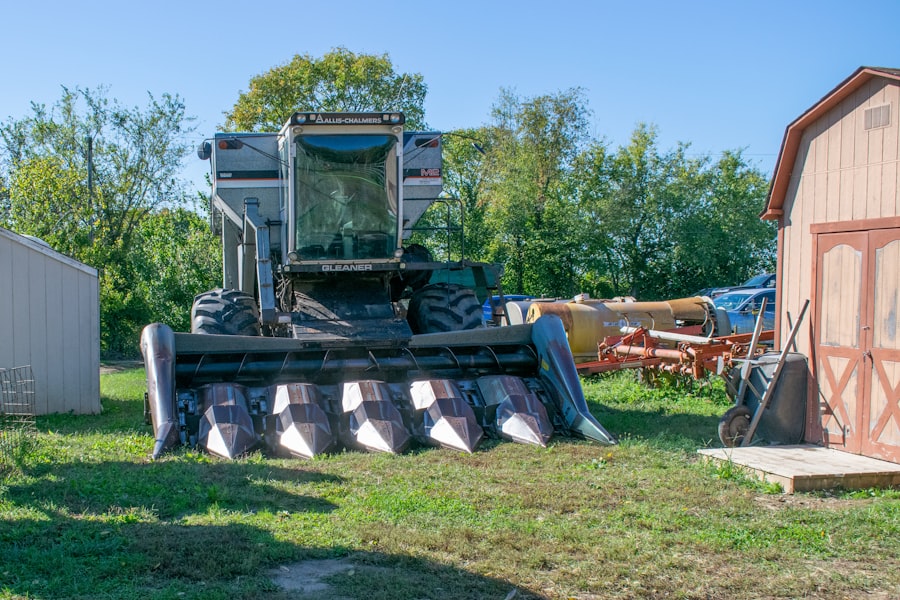
When inspecting second-hand farm equipment, a thorough assessment is crucial to ensure that the investment is sound. Start by examining the overall condition of the machinery. Look for signs of wear and tear, such as rust, dents, or cracks in the frame.
Pay particular attention to critical components like the engine, hydraulic systems, and transmission. A well-maintained machine will show minimal signs of neglect and should have a clean oil reservoir and no leaks. In addition to visual inspections, it’s essential to conduct operational tests whenever possible.
If feasible, request a demonstration of the equipment in action. This allows potential buyers to assess its performance firsthand and identify any operational issues that may not be apparent during a static inspection. Listening for unusual noises during operation can also provide clues about the machine’s condition.
Furthermore, reviewing maintenance records can offer insights into how well the equipment has been cared for over its lifespan.
Common Mistakes to Avoid When Buying Second-Hand Farm Equipment
| Common Mistake | Description | Potential Impact | How to Avoid |
|---|---|---|---|
| Not Inspecting Equipment Thoroughly | Failing to check for wear, damage, or needed repairs before purchase. | Unexpected repair costs and downtime. | Conduct a detailed inspection or hire a professional mechanic. |
| Ignoring Equipment History | Not reviewing maintenance records or previous usage. | Buying equipment with hidden issues or poor maintenance. | Request full service and usage history from the seller. |
| Overlooking Compatibility | Purchasing equipment that does not fit existing farm machinery or needs. | Additional costs for adapters or inability to use the equipment. | Verify compatibility with current farm equipment and operations. |
| Neglecting to Test Equipment | Not running the equipment to check functionality before buying. | Buying non-functional or poorly performing machinery. | Test equipment in operation to ensure it works properly. |
| Failing to Research Market Prices | Not comparing prices to ensure fair value. | Overpaying for equipment or missing better deals. | Research market prices and negotiate accordingly. |
| Ignoring Warranty or Return Policies | Buying without understanding seller’s warranty or return options. | No recourse if equipment fails shortly after purchase. | Clarify warranty terms and return policies before buying. |
| Not Considering Transportation Costs | Overlooking the cost and logistics of moving equipment to the farm. | Unexpected expenses and delays in equipment delivery. | Plan and budget for transportation before purchase. |
One of the most common mistakes buyers make when purchasing second-hand farm equipment is failing to do adequate research beforehand. It’s essential to understand the market value of the specific type of machinery being considered. Without this knowledge, buyers may overpay or miss out on better deals elsewhere.
Researching comparable models and their prices can provide a benchmark for negotiations and help avoid buyer’s remorse. Another frequent pitfall is neglecting to consider the total cost of ownership. While the initial purchase price may be attractive, ongoing expenses such as repairs, maintenance, and fuel consumption can add up quickly.
Buyers should factor in these costs when evaluating whether a piece of used equipment is truly a good deal. Additionally, overlooking warranties or guarantees can lead to unexpected expenses down the line; understanding what protections are available can provide peace of mind.
How to Negotiate the Best Price for Second-Hand Farm Equipment
Negotiating the price of second-hand farm equipment requires preparation and confidence. Start by gathering as much information as possible about the equipment’s market value and condition. This knowledge will empower buyers during negotiations and provide leverage when discussing price adjustments based on any flaws or necessary repairs identified during inspections.
When entering negotiations, it’s beneficial to approach the seller with a respectful yet assertive demeanor. Express genuine interest in the equipment while also being clear about your budget constraints. If there are any issues with the machinery that were uncovered during inspection, use these points as negotiation tools to justify a lower offer.
It’s also wise to be prepared to walk away if the price does not meet your expectations; this tactic can sometimes prompt sellers to reconsider their asking price.
The Importance of Maintenance and Care for Second-Hand Farm Equipment
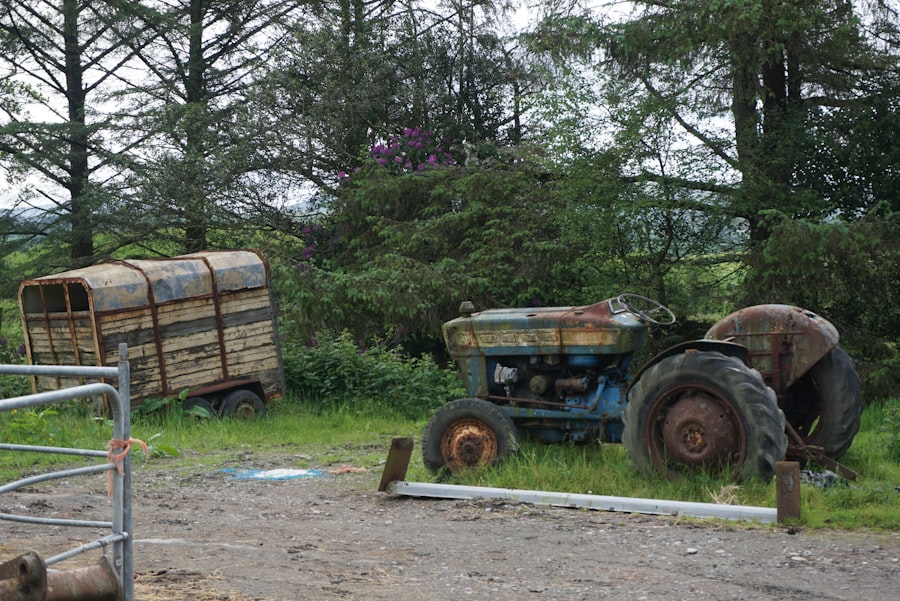
Once second-hand farm equipment has been purchased, proper maintenance becomes paramount to ensure longevity and optimal performance. Regular servicing is essential; this includes routine oil changes, checking hydraulic fluids, and inspecting belts and hoses for wear. Establishing a maintenance schedule based on manufacturer recommendations can help prevent costly breakdowns and extend the life of the machinery.
Additionally, keeping detailed records of all maintenance activities can be beneficial for future resale value. A well-documented history of care demonstrates to potential buyers that the equipment has been treated well and is less likely to encounter significant issues in the future. Furthermore, investing in protective measures such as covers or storage solutions can shield equipment from environmental damage when not in use, further enhancing its lifespan.
Upgrading and Customizing Second-Hand Farm Equipment to Fit Your Needs
One of the advantages of purchasing second-hand farm equipment is the potential for customization and upgrades tailored to specific operational needs. Many older models can be retrofitted with modern technology such as GPS systems or precision agriculture tools that enhance efficiency and productivity. These upgrades can significantly improve performance without the need for a complete overhaul or purchase of new machinery.
Moreover, customizing equipment can also lead to improved ergonomics and safety features that may not have been standard in older models. For instance, adding better seating or controls can enhance operator comfort during long hours in the field. Additionally, modifications such as enhanced lighting or safety guards can make using older machinery safer and more efficient in various working conditions.
The Environmental and Cost-Saving Benefits of Choosing Second-Hand Farm Equipment
Opting for second-hand farm equipment not only offers financial advantages but also contributes positively to environmental sustainability. The agricultural sector is increasingly recognizing the importance of reducing waste and minimizing carbon footprints. By purchasing used machinery instead of new models, farmers are effectively extending the lifecycle of existing products and reducing demand for new manufacturing processes that consume resources and energy.
Furthermore, choosing second-hand equipment often means less waste in landfills since these machines are being repurposed rather than discarded. This practice aligns with broader sustainability goals within agriculture, promoting a circular economy where resources are reused rather than depleted. The cost savings associated with buying used machinery can also enable farmers to invest in more sustainable practices or technologies that further enhance their environmental stewardship while maintaining profitability in their operations.