
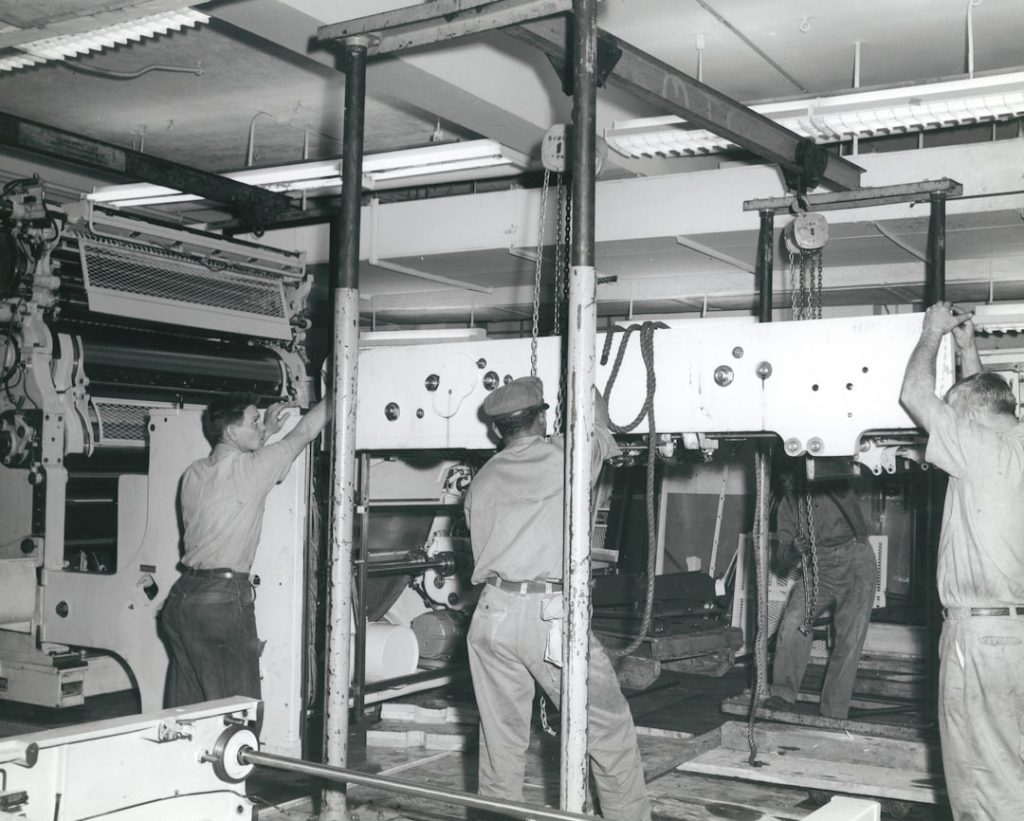
Industrial vacuum sealers are essential tools in various sectors, including food processing, pharmaceuticals, and manufacturing. These machines operate by removing air from a package before sealing it, which significantly extends the shelf life of products and preserves their quality. The vacuum sealing process involves placing items in a plastic bag or container, where the air is extracted, and the package is sealed tightly.
This method not only prevents spoilage but also protects against contamination, making it a critical component in industries where hygiene and product integrity are paramount. The technology behind industrial vacuum sealers has evolved significantly over the years. Modern machines come equipped with advanced features such as digital controls, programmable settings, and enhanced sealing mechanisms that ensure consistent results.

For instance, some models utilize multi-chamber systems that allow for simultaneous sealing of multiple packages, thereby increasing throughput. Additionally, the integration of sensors and automation has made these machines more user-friendly and efficient, reducing the likelihood of human error during operation. Understanding these features is crucial for businesses looking to invest in vacuum sealing technology that meets their specific needs.
Key Takeaways
- Industrial vacuum sealers are essential for preserving product quality and extending shelf life in various industries.
- Selecting the appropriate vacuum sealer depends on product type, volume, and production requirements.
- Regular maintenance and proper care are crucial to ensure the longevity and optimal performance of vacuum sealers.
- Integrating vacuum sealers into production lines can enhance efficiency and streamline packaging processes.
- Advances in vacuum sealing technology are driving improvements in automation, sealing speed, and environmental sustainability.
Choosing the Right Industrial Vacuum Sealer for Your Needs

Selecting the appropriate industrial vacuum sealer requires a thorough assessment of your operational requirements. Factors such as the type of products being sealed, production volume, and available space should guide your decision-making process. For example, if your business primarily deals with bulk food items, a chamber vacuum sealer may be more suitable due to its ability to handle larger packages and provide a stronger seal.
Conversely, if you are sealing smaller items or require portability, a tabletop vacuum sealer might be the better choice. Another critical consideration is the sealing method. There are two primary types of vacuum sealers: external and chamber sealers.
External sealers are typically more affordable and easier to use for small-scale operations, while chamber sealers offer superior performance for high-volume applications. Additionally, businesses should evaluate the machine’s sealing speed and efficiency. A high-speed sealer can significantly enhance productivity, especially in environments where time is of the essence.
It is also advisable to consider the machine’s compatibility with various bag materials, as this can impact the quality of the seal and the overall effectiveness of the vacuum sealing process.
Proper Maintenance and Care for Industrial Vacuum Sealers
To ensure optimal performance and longevity of industrial vacuum sealers, regular maintenance is essential. This includes routine cleaning, inspection of seals and gaskets, and timely replacement of worn-out parts. For instance, the sealing bars should be checked frequently for any signs of wear or damage, as they play a crucial role in creating airtight seals.
A simple cleaning regimen involving non-abrasive cleaners can help maintain the integrity of these components and prevent contamination. Moreover, it is vital to follow the manufacturer’s guidelines regarding maintenance schedules and procedures. Many manufacturers provide detailed instructions on how to care for their machines, including recommended cleaning agents and lubrication points.
Neglecting these guidelines can lead to decreased efficiency and potential breakdowns, resulting in costly downtime. Additionally, keeping a log of maintenance activities can help track performance issues over time and facilitate timely interventions when problems arise.
Tips for Maximizing Efficiency and Productivity
| Tip | Description | Metric to Track | Expected Impact |
|---|---|---|---|
| Prioritize Tasks | Use methods like the Eisenhower Matrix to focus on important and urgent tasks first. | Percentage of high-priority tasks completed on time | Increase in task completion rate by 20% |
| Time Blocking | Allocate specific time slots for different activities to reduce multitasking. | Hours spent on focused work per day | Reduction in task switching by 30% |
| Minimize Distractions | Turn off notifications and create a distraction-free workspace. | Number of interruptions per hour | Increase in concentration span by 25% |
| Use Productivity Tools | Leverage apps and software for task management and automation. | Tasks automated or streamlined | Time saved per week up to 5 hours |
| Take Regular Breaks | Follow techniques like Pomodoro to maintain mental freshness. | Break frequency and duration | Improvement in focus and reduction in burnout |
| Set Clear Goals | Define specific, measurable, achievable, relevant, and time-bound objectives. | Goal completion rate | Increase in motivation and productivity by 15% |
| Delegate Tasks | Assign tasks to others when appropriate to focus on high-impact work. | Percentage of tasks delegated | More time for strategic activities |
Maximizing efficiency in industrial vacuum sealing operations involves optimizing both machine usage and workflow processes. One effective strategy is to organize workstations to minimize movement and streamline operations. For example, placing vacuum sealers close to packing stations can reduce the time spent transporting sealed products.
Implementing a systematic approach to loading and unloading products can also enhance productivity; training staff to follow best practices ensures that each step is executed swiftly and accurately. Another way to boost efficiency is by utilizing automation where possible. Many modern industrial vacuum sealers can be integrated with conveyor systems or automated packaging lines, allowing for continuous operation without manual intervention.
This not only speeds up the sealing process but also reduces labor costs associated with manual handling. Additionally, investing in high-quality vacuum bags that are compatible with your sealer can improve sealing performance and reduce waste due to failed seals.
Best Practices for Sealing Different Types of Industrial Products
Different products require tailored approaches when it comes to vacuum sealing to ensure optimal preservation and protection. For instance, when sealing perishable food items like meats or vegetables, it is crucial to pre-chill them before sealing. This practice helps prevent the growth of bacteria during the sealing process and ensures that the vacuum seal remains intact during storage.
Additionally, using appropriate bag thickness can provide better puncture resistance and durability. In contrast, when sealing non-food items such as electronics or pharmaceuticals, it is essential to consider moisture sensitivity. Using desiccants or moisture-absorbing materials within the packaging can help protect sensitive components from humidity damage.
Furthermore, ensuring that all items are clean and free from contaminants before sealing is vital for maintaining product integrity. Implementing these best practices not only enhances product quality but also minimizes returns and customer complaints.
Integrating Industrial Vacuum Sealers into Your Production Line
Integrating industrial vacuum sealers into an existing production line requires careful planning and consideration of various factors. First, businesses must assess their current workflow to identify where vacuum sealing fits best within the process. This may involve redesigning layouts or modifying equipment configurations to accommodate new machinery without disrupting overall operations.
Collaboration between different departments—such as production, quality control, and maintenance—is crucial during this integration phase. Each department can provide valuable insights into how vacuum sealing will impact their specific functions. For example, quality control teams may need to establish new protocols for inspecting sealed products to ensure they meet safety standards.
Additionally, training staff on how to operate new equipment effectively is essential for a smooth transition; this includes understanding machine settings, troubleshooting common issues, and adhering to safety protocols.
Troubleshooting Common Issues with Industrial Vacuum Sealers
Despite their reliability, industrial vacuum sealers can encounter various issues that may hinder performance. One common problem is inadequate sealing due to improper bag placement or incorrect settings on the machine. If seals are not forming correctly, operators should first check that bags are positioned properly within the sealer’s jaws and that there are no obstructions preventing a complete seal.
Adjusting temperature settings or sealing time may also be necessary to achieve optimal results. Another frequent issue is air leaks that can compromise the integrity of sealed packages. Identifying the source of air leaks often involves inspecting seals for visible defects or damage.
Regular maintenance checks can help prevent such problems by ensuring that all components are functioning correctly. If persistent issues arise despite following troubleshooting steps, consulting with the manufacturer or a qualified technician may be necessary to diagnose underlying mechanical problems.
The Future of Industrial Vacuum Sealing Technology
The future of industrial vacuum sealing technology promises exciting advancements driven by innovation and evolving industry needs. One significant trend is the integration of smart technology into vacuum sealers, allowing for real-time monitoring and data analysis. These smart systems can provide insights into machine performance, alert operators to potential issues before they escalate, and even optimize sealing parameters based on product characteristics.
Additionally, sustainability is becoming increasingly important in industrial operations, leading manufacturers to develop eco-friendly packaging solutions compatible with vacuum sealing processes. Biodegradable bags and recyclable materials are gaining traction as businesses seek to reduce their environmental footprint while maintaining product quality. As technology continues to advance, we can expect further enhancements in efficiency, versatility, and sustainability within the realm of industrial vacuum sealing, ultimately transforming how industries approach packaging and preservation challenges.