

The art of pasta making has been cherished for centuries, evolving from a simple home-cooked staple to a culinary phenomenon embraced by restaurants and food manufacturers worldwide. At the heart of this transformation lies the commercial pasta making machine, a sophisticated piece of equipment designed to streamline the production process while maintaining the quality and authenticity of traditional pasta. These machines are engineered to handle large volumes of dough, ensuring consistency in texture and flavor, which is crucial for businesses aiming to deliver high-quality dishes to their customers.
Commercial pasta making machines come in various forms, from manual models that require skilled operators to fully automated systems that can produce pasta at an astonishing rate. The choice of machine often depends on the scale of production, the type of pasta being made, and the specific needs of the business. With advancements in technology, modern machines are equipped with features such as programmable settings, temperature control, and even integrated drying systems, allowing for greater flexibility and efficiency in pasta production.

As the demand for fresh, artisanal pasta continues to rise, investing in a commercial pasta making machine has become an essential step for many culinary enterprises.
Key Takeaways
- Commercial pasta making machines streamline large-scale pasta production for businesses.
- They offer benefits like consistent quality, time savings, and increased output.
- Selecting the right machine depends on business size, pasta types, and production needs.
- Proper maintenance and cleaning are essential for machine longevity and hygiene.
- Expanding pasta varieties and efficient use of machines can boost profits significantly.
Benefits of Using Commercial Pasta Making Machines

One of the primary advantages of utilizing commercial pasta making machines is the significant increase in production capacity. For restaurants and food manufacturers, the ability to produce large quantities of pasta quickly can lead to enhanced operational efficiency. This is particularly beneficial during peak hours or special events when demand surges.
A well-designed machine can produce several kilograms of pasta per hour, allowing businesses to meet customer needs without compromising on quality. In addition to increased output, commercial pasta making machines also ensure consistency in product quality. Manual pasta making can lead to variations in thickness, texture, and cooking time, which can affect the overall dining experience.
Machines are designed to create uniform shapes and sizes, which not only enhances the visual appeal of dishes but also ensures even cooking. This consistency is vital for maintaining customer satisfaction and building a loyal clientele. Furthermore, many machines allow for customization in terms of pasta shapes and sizes, enabling businesses to offer a diverse menu that caters to different tastes and preferences.
Choosing the Right Commercial Pasta Making Machine for Your Business
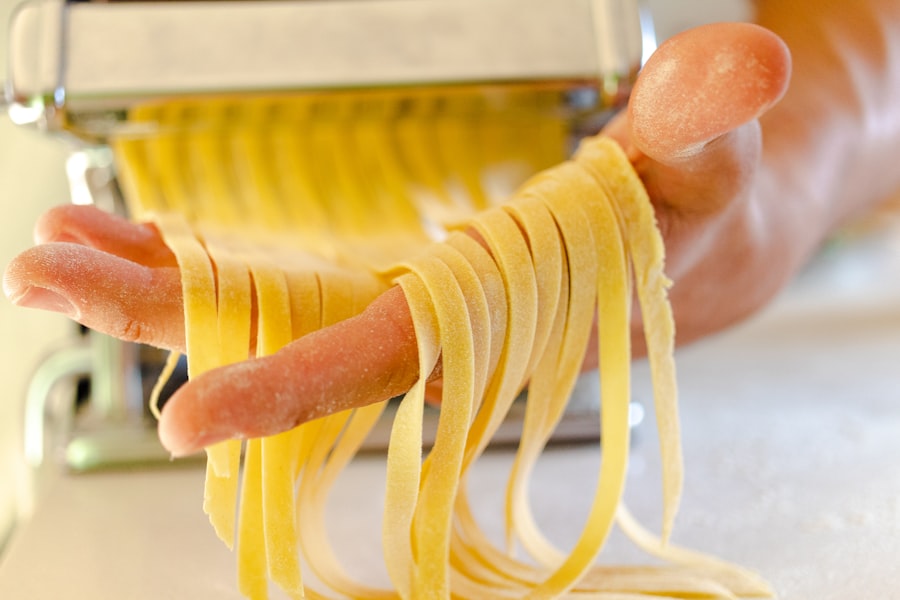
Selecting the appropriate commercial pasta making machine requires careful consideration of several factors. First and foremost, businesses must assess their production needs. A small bistro may only require a compact machine capable of producing fresh pasta for daily specials, while a large-scale manufacturer might need a high-capacity system that can handle bulk production.
Understanding the volume of pasta required on a daily or weekly basis will help narrow down the options. Another critical aspect to consider is the type of pasta being produced. Different machines are designed for specific types of pasta, such as spaghetti, fettuccine, or ravioli.
Some machines offer versatility, allowing operators to switch between various shapes with ease, while others may be specialized for a particular style. Additionally, businesses should evaluate the machine’s features, such as ease of use, cleaning requirements, and energy efficiency. Investing in a machine that aligns with both current and future production goals can lead to long-term benefits and cost savings.
Tips for Efficient Pasta Making with Commercial Machines
| Tip | Metric | Recommended Value/Range | Notes |
|---|---|---|---|
| Dough Hydration | Water to Flour Ratio | 30% – 35% | Adjust based on flour type for optimal dough consistency |
| Mixing Time | Duration | 5 – 7 minutes | Ensure even hydration and gluten development |
| Extrusion Speed | RPM (Revolutions Per Minute) | 20 – 40 RPM | Slower speeds improve texture and reduce machine strain |
| Temperature Control | Dough Temperature | 18°C – 22°C | Maintains dough elasticity and prevents overheating |
| Cleaning Frequency | Machine Cleaning | After every 8 hours of operation | Prevents dough buildup and maintains hygiene |
| Flour Type | Protein Content | 11% – 13% | Higher protein flours yield firmer pasta |
| Resting Time | Dough Rest | 30 minutes | Allows gluten to relax for better extrusion |
| Cutting Length | Size per Pasta Type | Varies (e.g., 25 cm for spaghetti) | Adjust based on product specifications |
To maximize efficiency when using commercial pasta making machines, operators should familiarize themselves with the machine’s capabilities and limitations. Proper training is essential; staff should be well-versed in operating procedures, including how to adjust settings for different types of dough and pasta shapes. This knowledge not only enhances productivity but also minimizes the risk of errors that could lead to wasted ingredients or time.
Another key tip for efficient pasta making is to prepare all ingredients in advance. This includes measuring flour and water accurately and ensuring that any additional ingredients, such as eggs or spices, are ready for incorporation into the dough. Having everything organized before starting the machine can significantly reduce downtime and streamline the production process.
Additionally, maintaining a clean workspace and keeping tools organized can help operators work more efficiently and safely.
Maintenance and Cleaning of Commercial Pasta Making Machines
Regular maintenance and cleaning are crucial for ensuring the longevity and optimal performance of commercial pasta making machines. Operators should develop a routine maintenance schedule that includes daily cleaning after use as well as periodic deep cleaning and inspections. Most machines come with specific cleaning instructions provided by the manufacturer; adhering to these guidelines helps prevent buildup of flour and dough residue that can affect performance.
Cleaning typically involves disassembling parts that come into contact with dough, such as rollers and cutters, and washing them with warm soapy water. It is essential to avoid abrasive cleaners that could damage surfaces or affect food safety. Additionally, lubricating moving parts according to the manufacturer’s recommendations can prevent wear and tear, ensuring smooth operation over time.
Keeping a log of maintenance activities can also help track any issues that arise and ensure timely interventions.
Troubleshooting Common Issues with Commercial Pasta Making Machines

Despite their robust design, commercial pasta making machines may encounter issues from time to time. One common problem is dough sticking to rollers or cutters, which can disrupt production and lead to inconsistent results. This issue often arises from improper flour-to-water ratios or insufficient dusting with semolina or flour during processing.
Operators should experiment with different ratios until they find the optimal balance for their specific recipes. Another frequent challenge is uneven pasta thickness or shape inconsistencies. This can result from misaligned rollers or improper settings on the machine.
Regular calibration checks are essential to ensure that all components are functioning correctly. If problems persist despite adjustments, consulting the manufacturer’s troubleshooting guide or seeking professional assistance may be necessary to resolve underlying mechanical issues.
Expanding Your Pasta Menu with Commercial Pasta Making Machines
With a commercial pasta making machine at their disposal, businesses have the opportunity to expand their menus significantly. Beyond traditional offerings like spaghetti and penne, operators can experiment with various shapes and flavors that cater to diverse culinary trends. For instance, incorporating whole grain or gluten-free flours can attract health-conscious consumers looking for alternative options.
Additionally, creative fillings for stuffed pastas such as ravioli or tortellini can be developed using seasonal ingredients or unique flavor combinations. This not only enhances menu variety but also allows chefs to showcase their culinary creativity. By leveraging the capabilities of commercial pasta making machines, restaurants can differentiate themselves in a competitive market while appealing to a broader audience.
Maximizing Profit with Commercial Pasta Making Machines
Investing in commercial pasta making machines can lead to significant profit maximization when approached strategically. One way to enhance profitability is by reducing ingredient costs through bulk purchasing of flour and other raw materials. By producing fresh pasta in-house rather than sourcing it from suppliers, businesses can also improve their profit margins while offering customers a unique product.
Moreover, fresh pasta typically commands higher prices on menus compared to dried alternatives due to its perceived quality and freshness. By marketing homemade pasta as a specialty item, restaurants can attract customers willing to pay a premium for artisanal products. Additionally, offering cooking classes or workshops centered around pasta making can create additional revenue streams while fostering customer engagement and loyalty.
In conclusion, commercial pasta making machines represent a valuable investment for culinary businesses seeking to enhance their offerings and streamline production processes. By understanding their benefits, choosing the right equipment, implementing efficient practices, maintaining machinery properly, troubleshooting effectively, expanding menus creatively, and maximizing profit potential, operators can position themselves for success in an ever-evolving food industry landscape.