

When embarking on the journey to purchase a tractor, the first step is to conduct thorough research on local dealers. This process involves identifying dealerships that specialize in agricultural machinery and have a solid reputation within the community. A good starting point is to utilize online resources such as dealer locators provided by major tractor manufacturers.
These tools allow potential buyers to filter results based on their geographical location, ensuring that they find dealers who are conveniently situated. Additionally, local agricultural shows and expos can serve as excellent venues for discovering dealers, as they often showcase a variety of equipment and provide opportunities to interact with sales representatives. Beyond simply locating dealers, it is essential to delve deeper into their offerings and specialties.
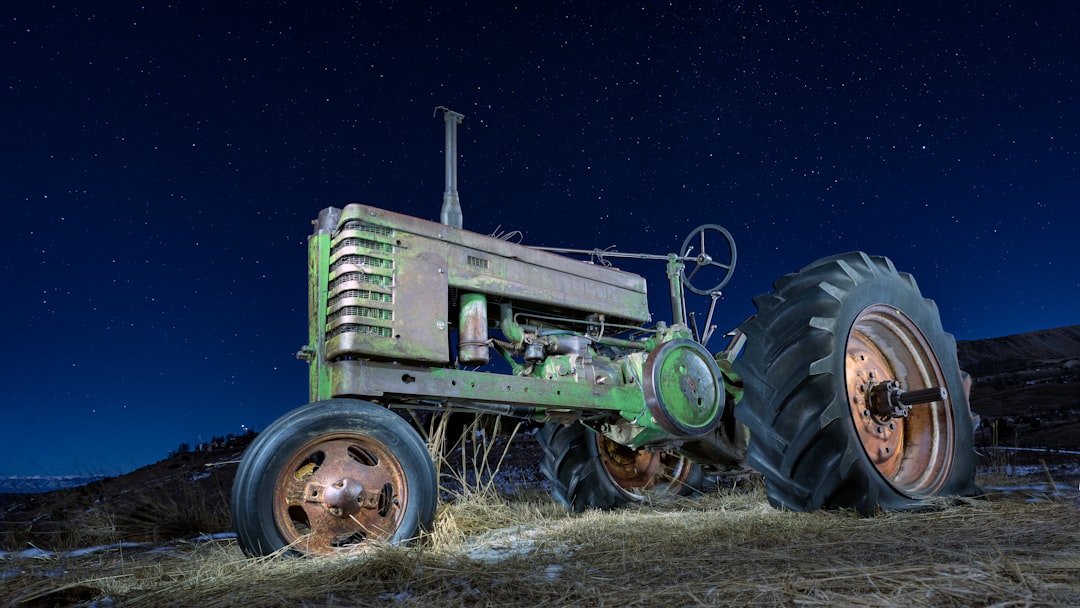
Some dealers may focus on specific brands or types of tractors, while others might provide a broader range of equipment. Understanding the dealer’s inventory can help buyers align their needs with the right dealership. Furthermore, engaging with local farming communities, whether through social media groups or in-person gatherings, can yield valuable insights into which dealers are favored by fellow farmers.
Recommendations from peers can often lead to discovering hidden gems that may not be as visible through online searches.
Key Takeaways
- Research and compare local dealers to find the best options.
- Verify dealer reputation through reviews and references.
- Inspect tractor inventory and condition thoroughly before buying.
- Understand warranty, service, and financing options available.
- Negotiate prices carefully and review all purchase details before finalizing.
Checking Dealer Reputation
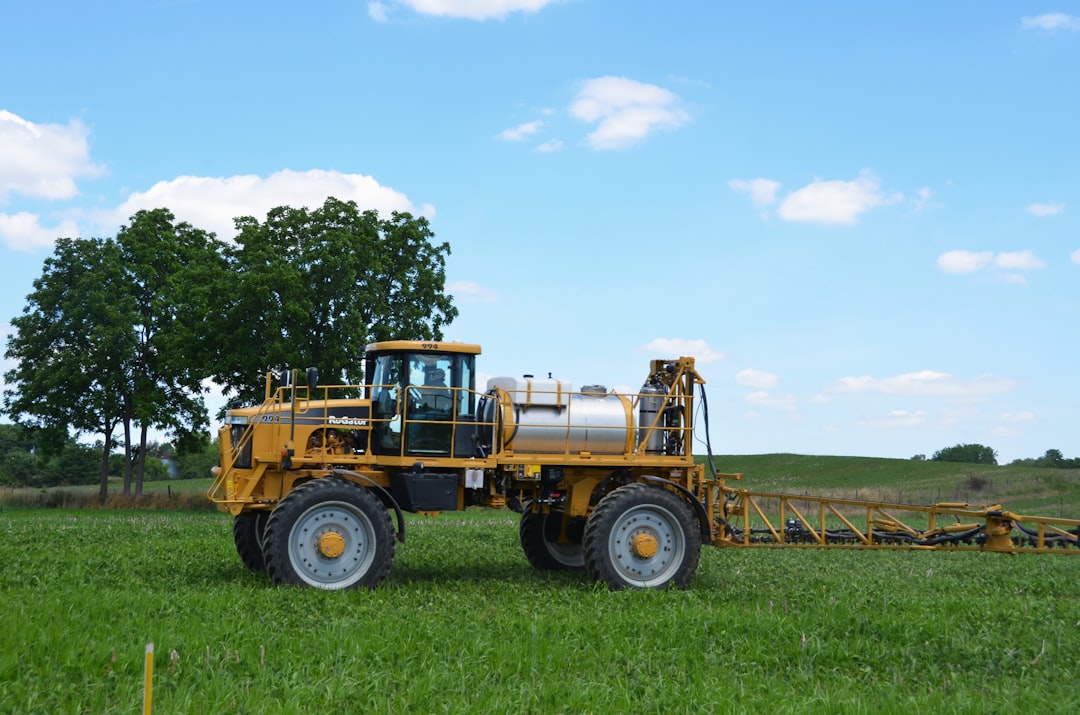
Once potential dealers have been identified, the next critical step is to assess their reputation. A dealer’s standing in the community can significantly influence the buying experience and the quality of after-sales support. Online reviews and ratings on platforms such as Google, Yelp, and Facebook can provide a wealth of information about customer experiences.
It is important to look for patterns in these reviews; for instance, consistent praise for customer service or complaints about post-purchase support can be telling indicators of what to expect. In addition to online reviews, personal testimonials from other farmers can be invaluable. Engaging in conversations with local agricultural organizations or attending community meetings can provide firsthand accounts of experiences with specific dealers.
Furthermore, checking with industry associations or agricultural extension offices can yield insights into which dealers are recognized for their integrity and service quality. A dealer with a strong reputation is more likely to offer reliable products and support, making this step crucial in the purchasing process.
Examining Tractor Inventory
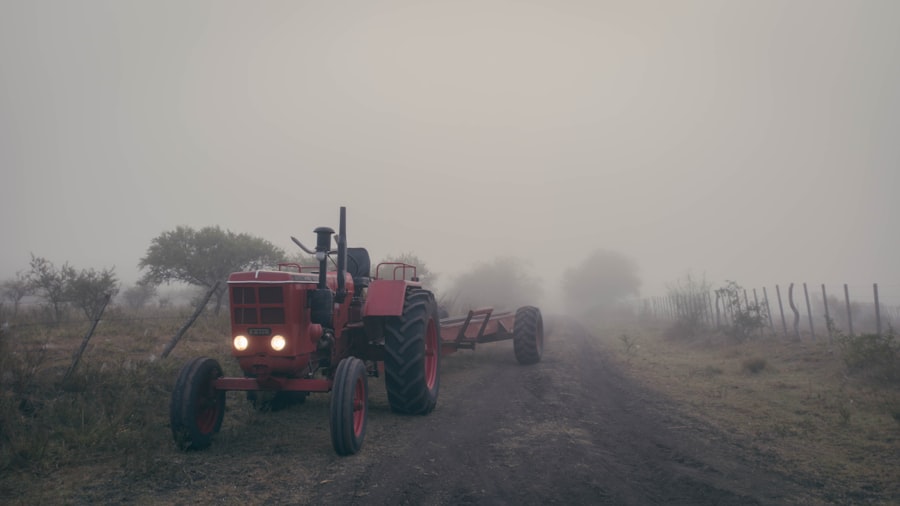
With a shortlist of reputable dealers in hand, the next phase involves examining their tractor inventory. This step is vital as it allows buyers to assess the variety and types of tractors available, ensuring that they can find a model that meets their specific needs. Different farms have different requirements based on size, terrain, and the type of work being performed, so it is essential to explore various options.
Buyers should take note of the brands represented at each dealership, as some manufacturers may offer features or technologies that are particularly beneficial for certain applications. In addition to brand variety, buyers should also consider the range of models available within each brand. For instance, a dealer may carry compact tractors suitable for small farms or larger models designed for extensive agricultural operations.
It is also worth examining any additional attachments or implements that may be available alongside the tractors, as these can enhance functionality and versatility. A well-stocked inventory not only indicates a dealer’s commitment to meeting customer needs but also provides buyers with the opportunity to compare different models side by side, facilitating informed decision-making.
Inspecting Tractor Condition
| Inspection Item | Condition Metric | Acceptable Range | Notes |
|---|---|---|---|
| Engine Oil Level | Oil level in dipstick | Between Min and Max marks | Check for contamination or discoloration |
| Tire Pressure | PSI (Pounds per Square Inch) | 18 – 24 PSI (front), 24 – 30 PSI (rear) | Check for cracks or uneven wear |
| Hydraulic Fluid Level | Fluid level in reservoir | Between Min and Max marks | Check for leaks or contamination |
| Battery Voltage | Voltage (Volts) | 12.4 – 12.7 V (engine off) | Check terminals for corrosion |
| Brake Function | Brake pedal travel and responsiveness | Minimal pedal travel, firm response | Test brakes before operation |
| Coolant Level | Coolant level in radiator or reservoir | Between Min and Max marks | Check for leaks or discoloration |
| Lights and Indicators | Operational status | All lights functional | Check headlights, brake lights, and signals |
| Air Filter Condition | Visual inspection | Clean or slightly dirty | Replace if heavily clogged or damaged |
After narrowing down options based on inventory, inspecting the condition of the tractors becomes paramount. Whether considering new or used models, a thorough inspection can reveal critical information about the machine’s reliability and potential longevity. For new tractors, buyers should look for any signs of manufacturing defects or damage incurred during transport.
This includes checking for scratches, dents, or any irregularities in paintwork that could indicate mishandling. For used tractors, the inspection process becomes even more detailed. Buyers should examine key components such as the engine, transmission, and hydraulic systems for signs of wear or damage.
It is advisable to request maintenance records to understand how well the tractor has been cared for by previous owners. Additionally, conducting a test drive can provide insights into the tractor’s performance and handling characteristics. Observing how smoothly it operates under load and listening for any unusual noises can help identify potential issues that may not be immediately visible.
Negotiating Prices
Once a suitable tractor has been identified, the next step is negotiating prices. This stage can often be daunting for buyers who may feel intimidated by the sales process; however, it is essential to approach negotiations with confidence and preparation. Understanding the market value of similar tractors can provide leverage during discussions.
Online resources such as pricing guides or auction results can help establish a baseline for what constitutes a fair price. During negotiations, it is important to remain flexible while also being firm about budget constraints. Buyers should be prepared to discuss any findings from their inspections that may justify a lower offer, such as necessary repairs or maintenance issues.
Additionally, exploring trade-in options for older equipment can also be a valuable bargaining chip. A well-prepared buyer who approaches negotiations with clear objectives and an understanding of their own needs is more likely to secure a favorable deal.
Understanding Warranty and Service Options
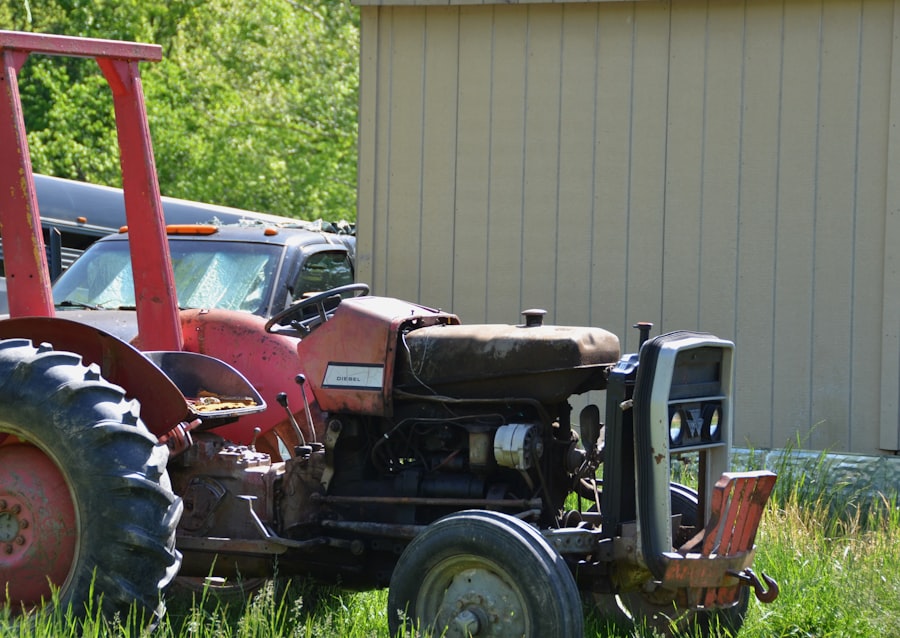
Before finalizing any purchase, it is crucial to understand the warranty and service options associated with the tractor. Warranties can vary significantly between manufacturers and models, so buyers should carefully review what is covered and for how long. A comprehensive warranty can provide peace of mind by protecting against unexpected repairs during the initial years of ownership.
In addition to warranty coverage, buyers should inquire about service options available through the dealership. Establishing a relationship with a dealer who offers reliable maintenance services can be beneficial in ensuring the tractor remains in optimal condition over time. Some dealers may offer service packages that include regular maintenance checks at discounted rates or even free services for a limited time after purchase.
Understanding these options can help buyers make informed decisions about long-term care for their investment.
Reviewing Financing Options
Financing is often a significant consideration when purchasing a tractor, especially given the substantial investment involved. Buyers should explore various financing options available through dealerships as well as third-party lenders. Many manufacturers offer promotional financing rates or special deals that can make purchasing more affordable.
It is advisable to compare these offers against traditional bank loans or credit unions to determine which option provides the best terms. When reviewing financing options, buyers should pay close attention to interest rates, loan terms, and any associated fees. A lower interest rate may seem appealing but could come with longer repayment terms that ultimately increase the total cost of the tractor over time.
Additionally, understanding monthly payment obligations in relation to cash flow is essential for ensuring that financing remains manageable within the context of overall farm operations.
Finalizing the Purchase
The final step in acquiring a tractor involves completing all necessary paperwork and finalizing the purchase agreement. This stage requires careful attention to detail to ensure that all terms discussed during negotiations are accurately reflected in the contract. Buyers should review all documents thoroughly before signing, paying particular attention to warranty details, financing terms, and any additional agreements related to service or maintenance.
Once all paperwork is completed, buyers should ensure they receive all necessary documentation related to ownership transfer, including titles and registration forms if applicable. It is also wise to confirm delivery arrangements if purchasing a new tractor or discuss pickup logistics for used models. Taking these final steps diligently will help ensure a smooth transition into ownership and set the stage for successful operation of the new equipment on the farm.